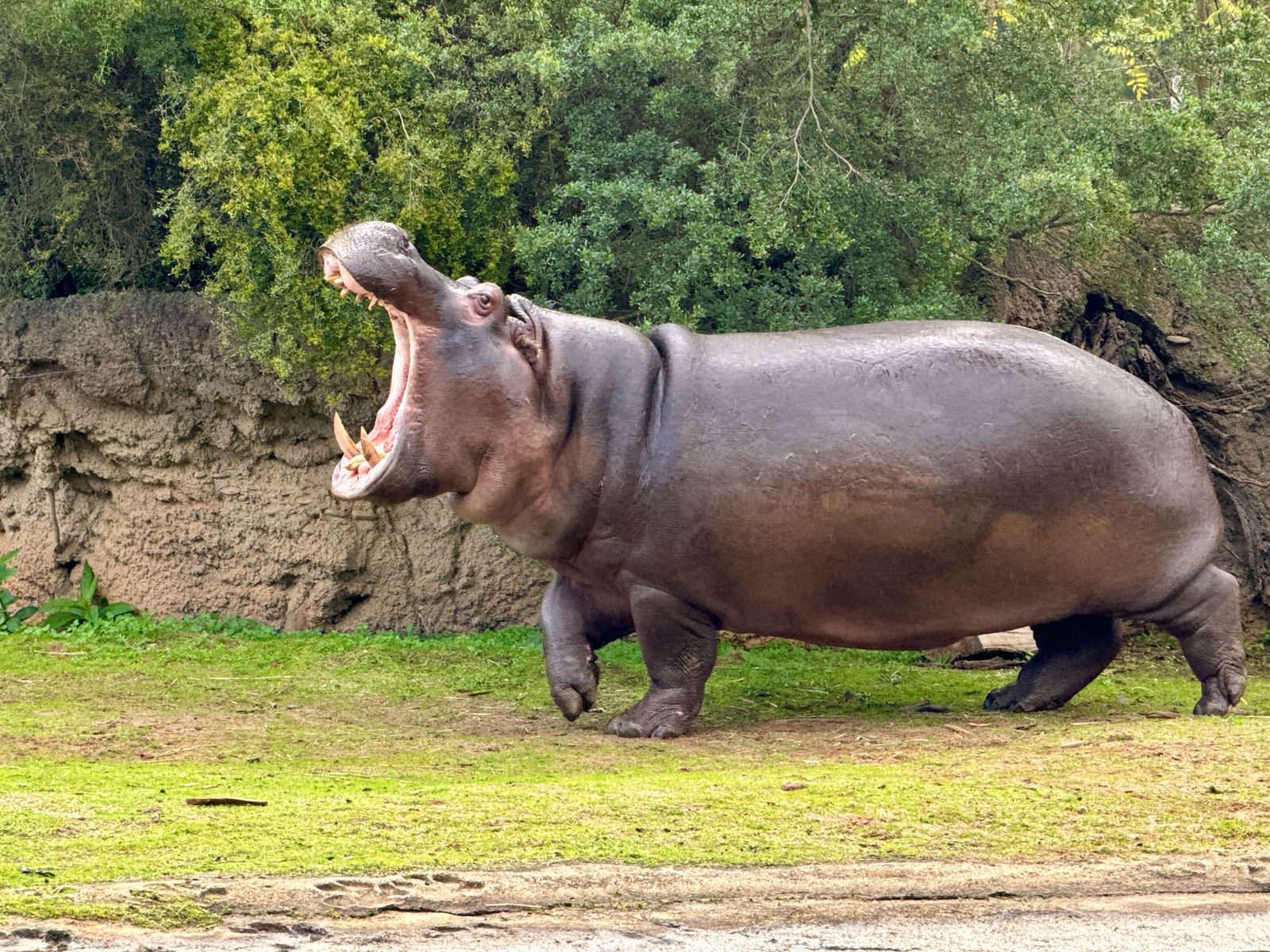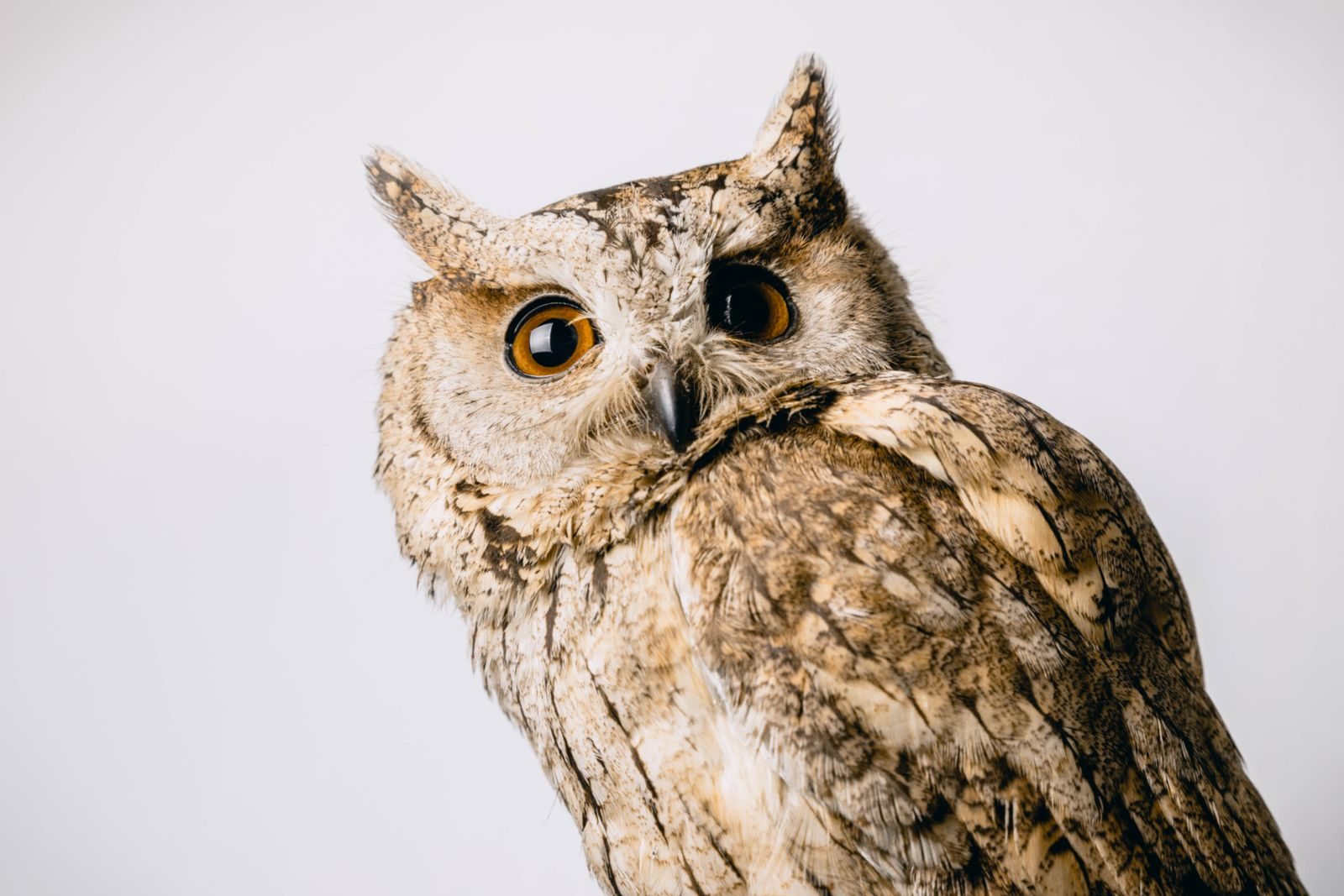
“Sixth sense” is an informal expression rather than a single scientific ability. Animals may detect electricity, magnetic fields, infrared radiation, water movement, ultrasound, or vibrations that humans cannot naturally perceive.
These sensory systems are not supernatural. Each relies on specialised cells, organs, nerves, and brain pathways shaped by evolution.
Sixth Sense Has Many Meanings

Humans possess more than the traditional five senses, including balance and body-position awareness. Animals extend the sensory world further through magnetoreception, electroreception, echolocation, infrared detection, and other systems. Different abilities should therefore not be grouped as one mysterious organ.
Sharks Detect Electricity

Sharks possess jelly-filled pores called ampullae of Lorenzini around the snout. These organs detect weak electrical fields produced by the muscles and nerves of living animals. Electroreception helps a shark locate hidden prey even when darkness, sand, or murky water blocks vision.
Electric Fish Read Fields

Some fish create weak electric fields around their bodies and detect distortions caused by nearby objects. This active electroreception helps them navigate, find prey, avoid obstacles, and communicate in muddy or dark freshwater where eyesight may be unreliable.
Bats Map With Echoes
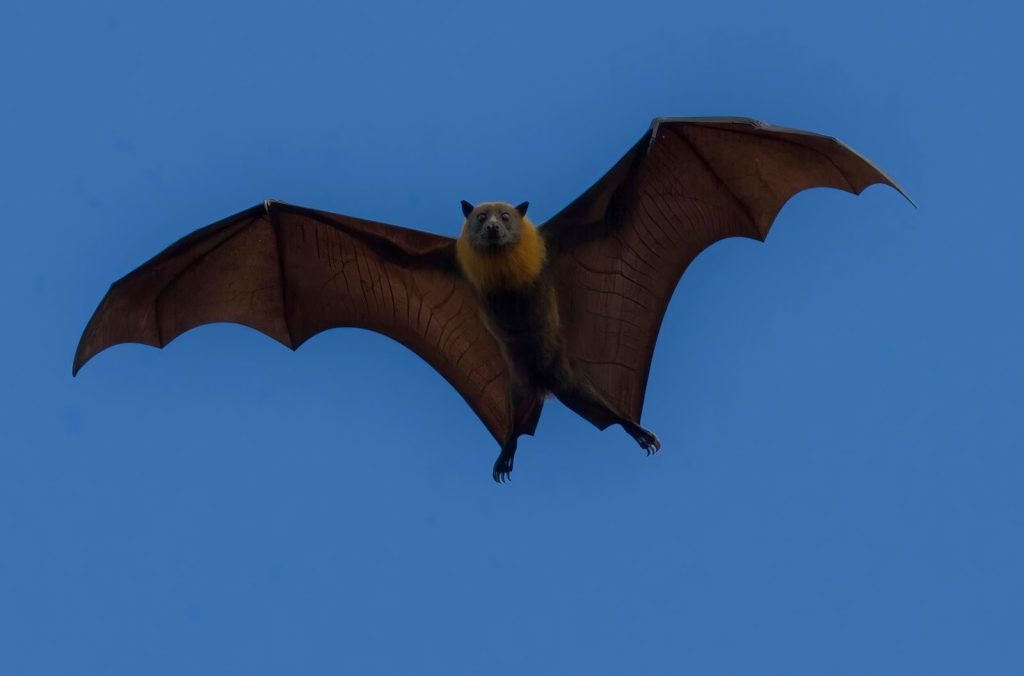
Echolocating bats send out high-frequency calls and analyse returning echoes. Tiny differences in timing, frequency, and intensity reveal an insect’s distance, direction, movement, and sometimes texture. The ability allows bats to hunt rapidly in darkness without relying on human-like night vision.
Pit Vipers Detect Heat
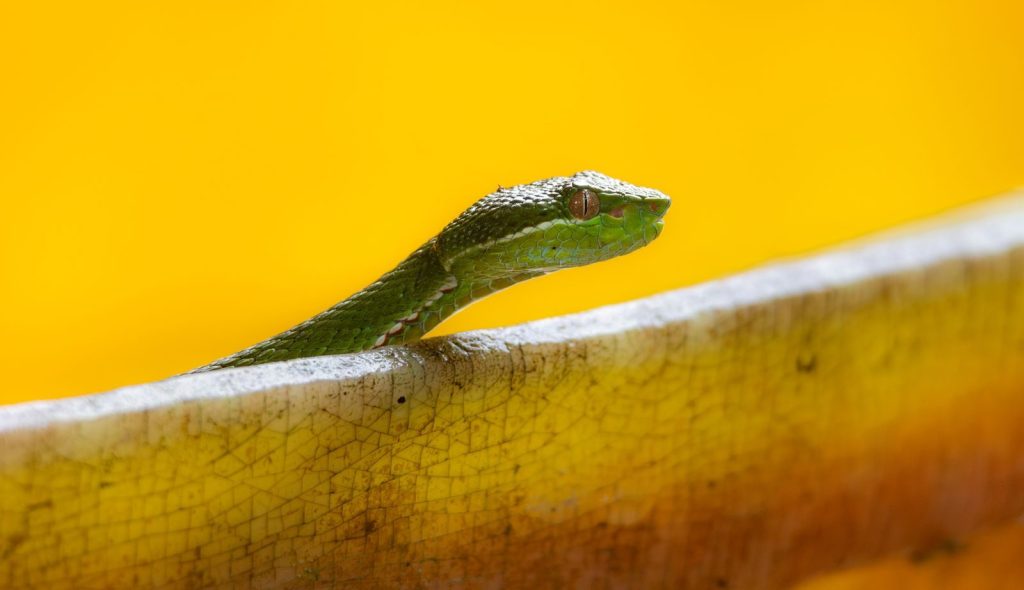
Pit vipers have heat-sensitive organs between the eyes and nostrils. These pits detect infrared radiation from warm animals and produce spatial information that complements vision. The signal can guide a strike toward prey even when visible light is extremely limited.
Seals Follow Water Trails
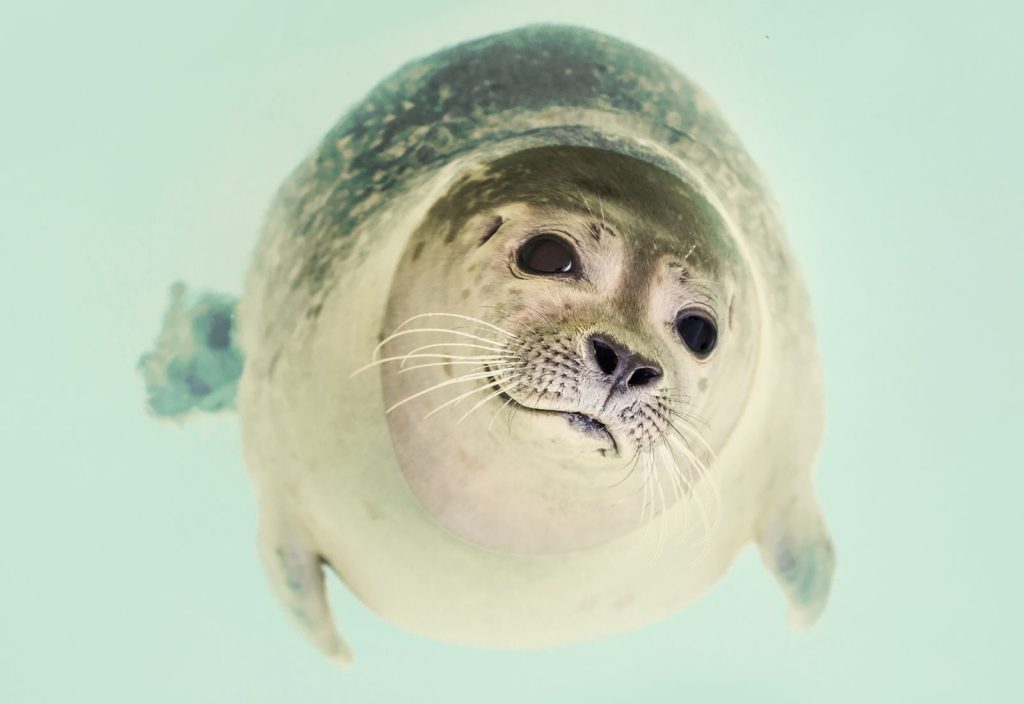
Harbor seals use highly sensitive whiskers to follow water movements left behind by swimming fish. Experiments showed that seals could track these hydrodynamic trails even while blindfolded. The ability helps them locate prey after it has moved beyond immediate sight.
Elephants Hear Distant Rumbles

Elephants produce low-frequency rumbles that can travel for kilometres. Some of the sound falls below normal human hearing. Elephants may also detect vibrations through their feet and trunks, helping groups communicate about movement, reproductive status, or possible danger across large landscapes.
Birds Sense Earth’s Field

Many migratory birds use Earth’s magnetic field as part of their navigation system. Evidence suggests that light-sensitive processes in the eye and magnetic particles or nerves elsewhere in the body may contribute. Magnetoreception works alongside stars, landmarks, sunlight, smell, and learned routes.