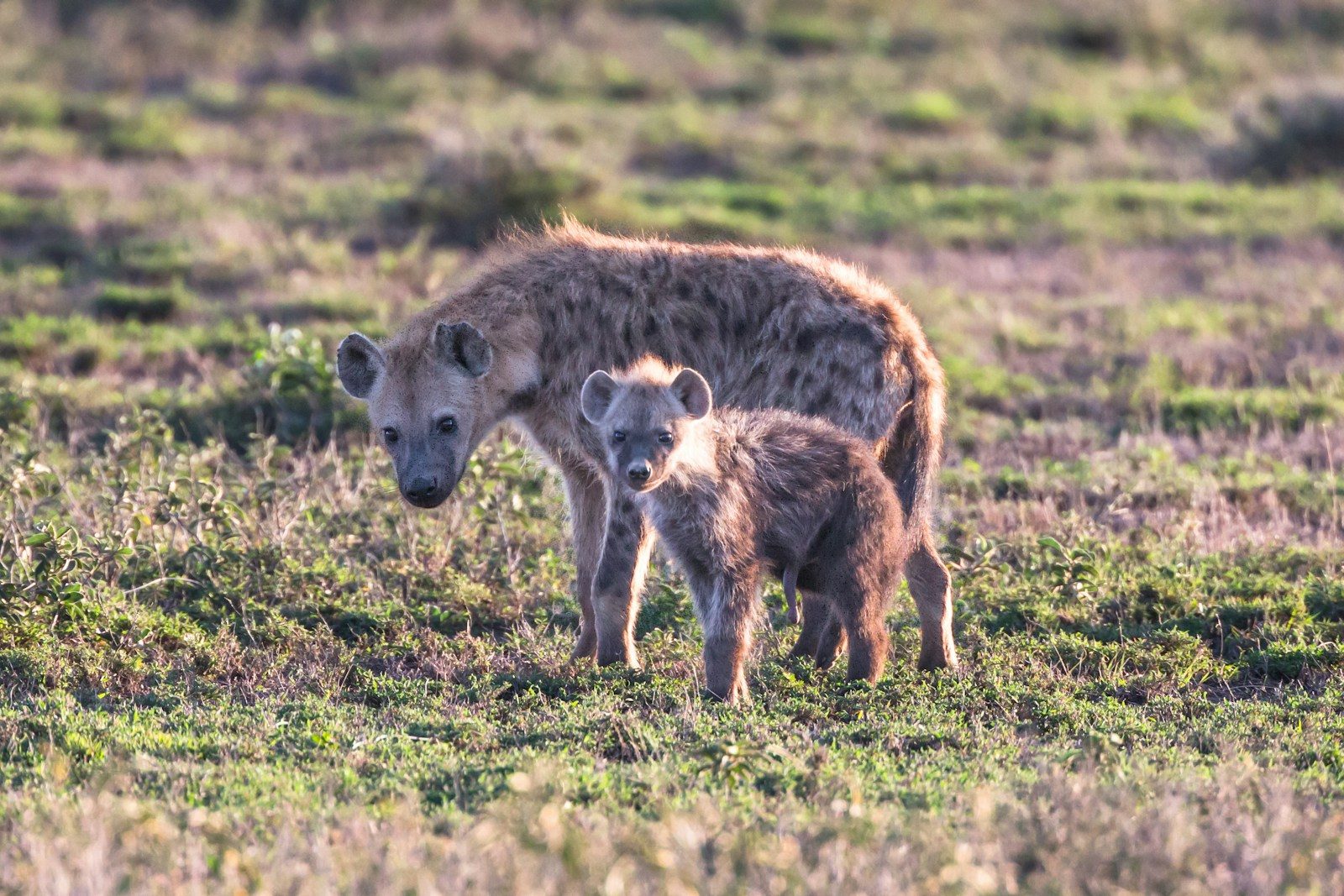
The exact origin and context of the viral clip could not be independently confirmed. However, female spotted hyenas are highly attentive mothers that nurse, guard, move, and socially support their young.
Their behavior is not surprising when hyena society is understood. Spotted hyenas live in complex female-led clans where a cub’s early survival and future position are strongly connected to its mother.
Cubs Begin in a Private Den
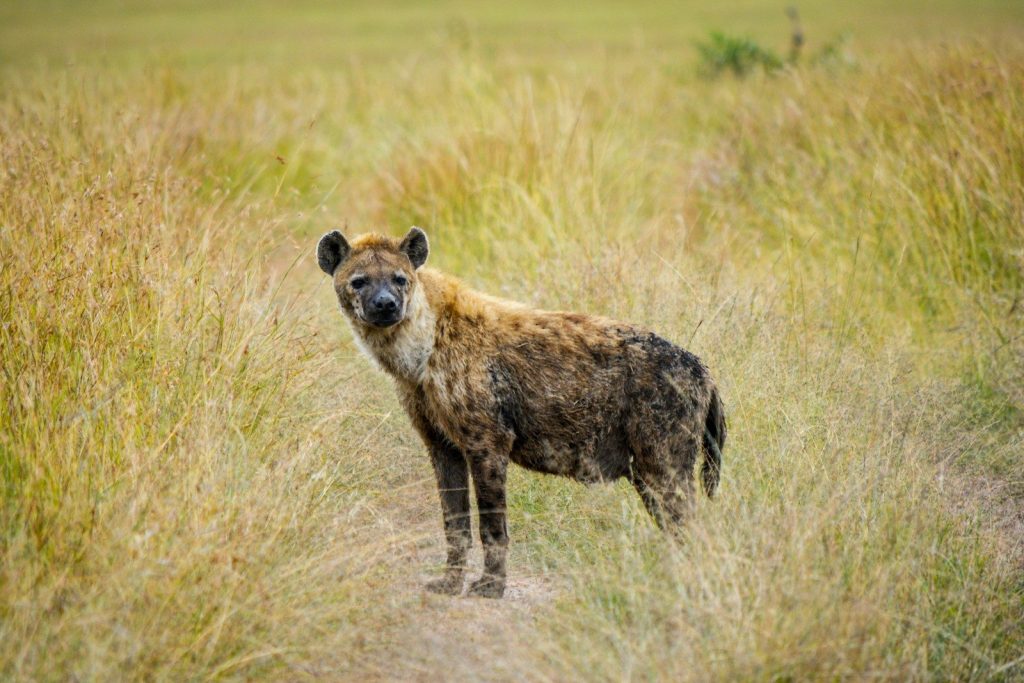
A spotted hyena mother usually gives birth in an isolated natal den. The underground chamber provides shelter while the cubs are extremely young. Mothers later move their offspring to a communal den used by several females and cubs from the same clan.
Mothers Guard the Entrance

A mother may remain close to the den when lions, unfamiliar hyenas, or other threats are nearby. The narrow entrance allows cubs to retreat underground while the adult watches the surrounding area. Defensive charging or standing between cubs and danger can appear especially dramatic on camera.
Cubs Move to the Clan
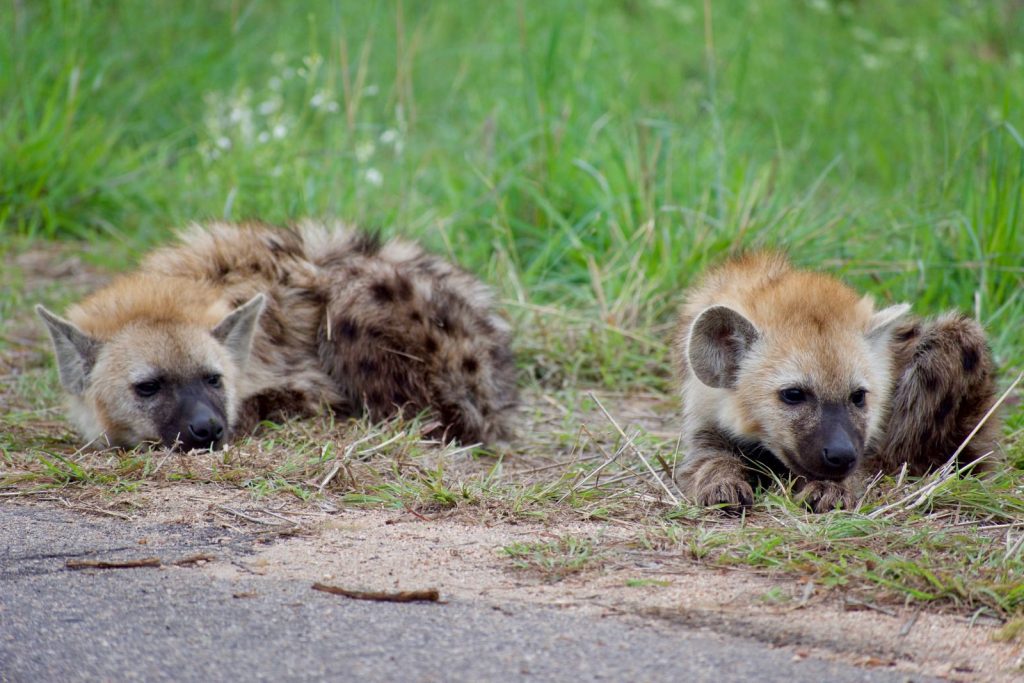
At roughly two to three weeks, cubs begin meeting more clan members at a communal den. These early encounters introduce them to a complicated social world. Play increases as the young animals develop the movement and communication skills needed for life within the clan.
Nursing Lasts for Months

Spotted hyena milk is rich enough to support cubs while mothers travel long distances to hunt or feed. Nursing can continue well beyond the first months of life. A female may return from distant feeding areas specifically to provide milk and social contact to her dependent young.
Mothers Carry Food

Although hyenas cannot regurgitate food like some carnivores, lactating females have been observed carrying meat back to their cubs and sharing food with them at kills. This helps dependent youngsters begin eating solid food while they are still learning to compete with older clan members.
Rank Passes Through Mothers

Spotted hyena clans are organised around female family lines. Cubs learn whom they can dominate through repeated interactions supported by their mothers and relatives. A high-ranking mother can provide better access to food, allies, and social support, influencing her offspring long after infancy.
Lions Threaten the Den

Lions are among the greatest dangers to young hyenas. Research has identified lions as a major cause of cub mortality at dens, helping explain why mothers carefully select den locations and remain alert when lions are active nearby.
Protection Is Serious Work

A mother defending cubs is not performing for a camera. She is responding to a threat within an environment where a single mistake may cost an offspring’s life. The behavior reveals the strong maternal investment hidden behind the hyena’s unfair reputation as a careless scavenger.
Featured Image: Photo by jean wimmerlin on Unsplash