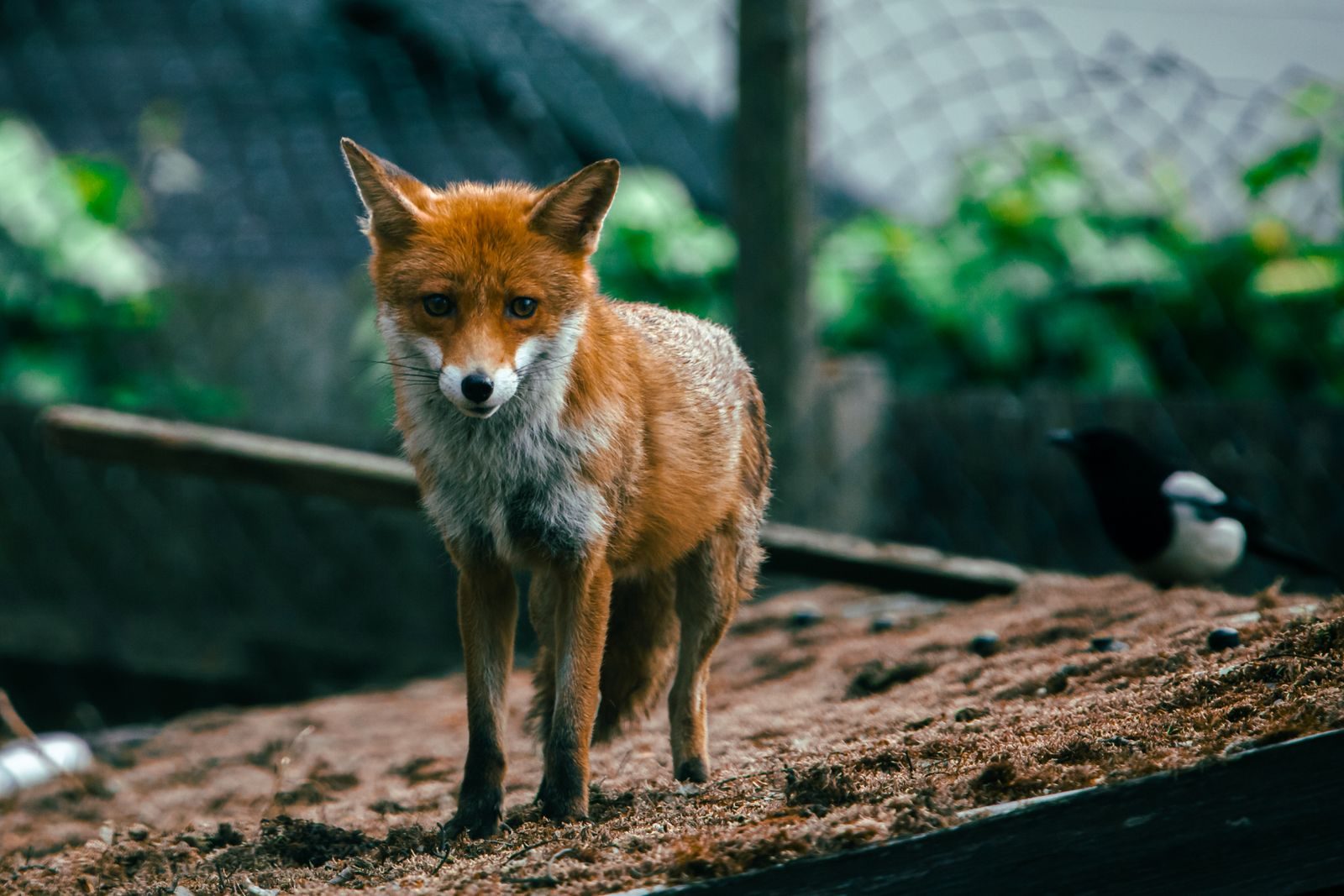
A fox cub became tightly tangled in garden netting and could not escape. Wildlife Aid rescuers attended the scene, restrained the frightened youngster, and carefully cut the material away.
The cub appeared calmer as the rescue continued, but this does not prove that it understood every human action. Reduced struggling may also reflect careful handling, exhaustion, or decreasing pressure from the net.
Netting Traps the Cub
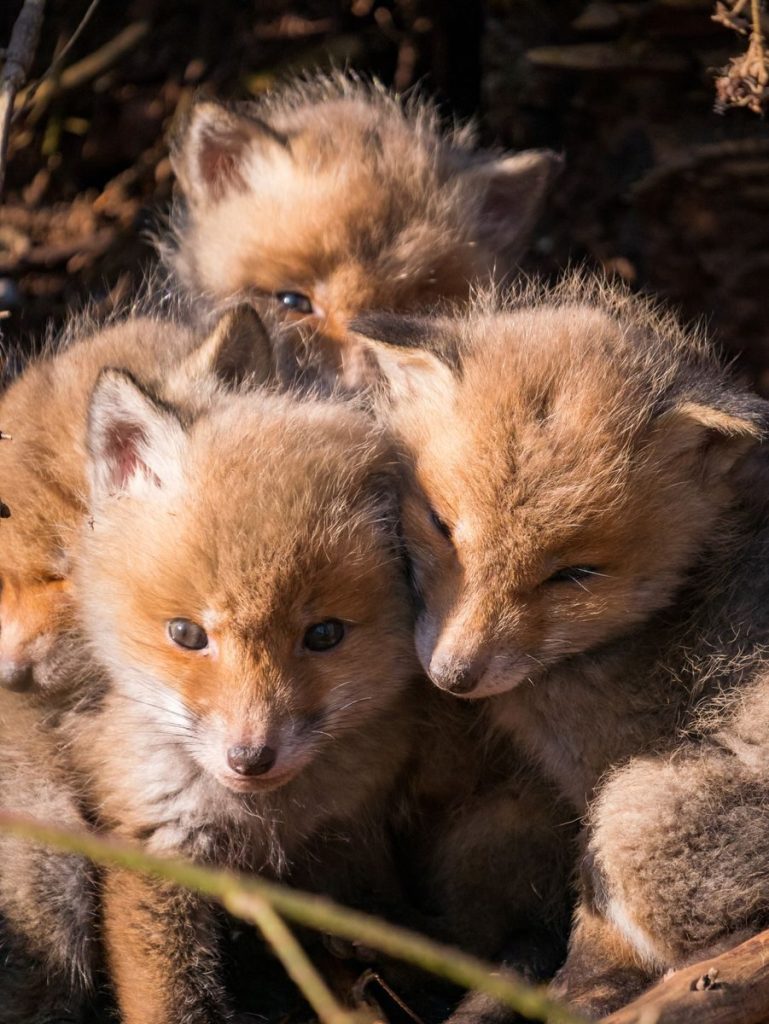
The young fox had pushed into loose netting and become wrapped around the body. Continued twisting could have tightened the strands, restricted circulation, cut the skin, or prevented breathing and movement.
Rescuers Control the Head

Even a small fox can bite when terrified. Trained rescuers control the head and body while avoiding excessive pressure. A towel or other barrier can reduce visual stimulation and protect both the animal and the person cutting the material.
Strands Are Cut Slowly

Pulling the fox directly from the net could tighten hidden loops. Rescuers instead cut sections gradually while checking the neck, legs, abdomen, and joints. This approach prevents one freed area from increasing pressure somewhere else.
The Cub Stops Fighting

The youngster’s struggling reduced while the rescuers worked. Viewers may interpret this as trust, but the safest description is that the cub became less reactive. Wild animals can remain still because restraint is secure, movement hurts, or escape appears temporarily impossible.
Hidden Injuries Remain Possible
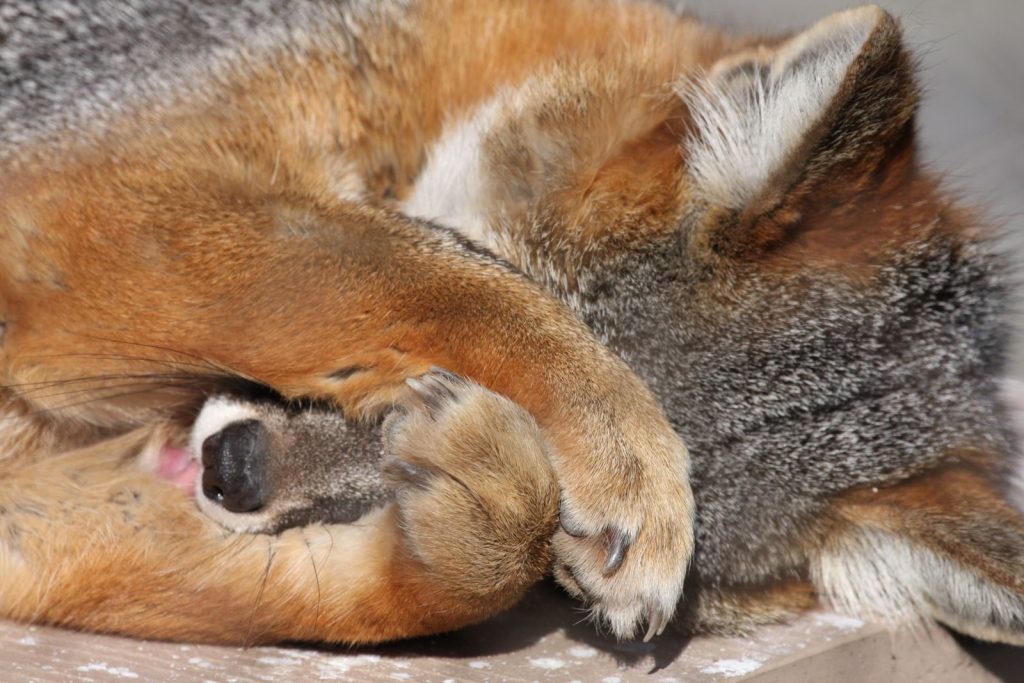
Netting can leave deep pressure marks even when the skin initially looks normal. Swelling, poor circulation, damaged nerves, dehydration, and muscle injury may appear later. Wildlife Aid therefore arranged a veterinary assessment rather than releasing the cub immediately.
A Vet Checks the Cub
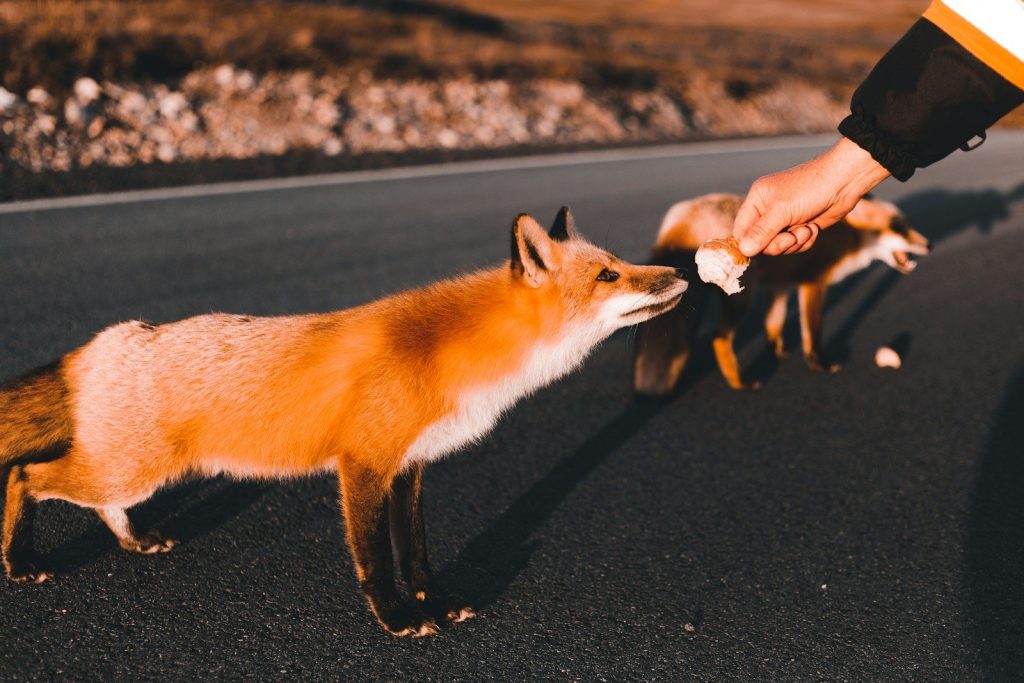
A professional examination can identify wounds, breathing problems, infection, or damage caused by prolonged constriction. The cub’s age and condition also determine whether it can return immediately or needs temporary rehabilitation.
Garden Netting Creates Risk

Loose football nets, fruit netting, fencing, string, and plastic mesh can trap foxes, hedgehogs, deer, birds, and other animals. Netting should be stored when not in use, fixed tightly above the ground, and inspected regularly for trapped wildlife.
Call Before Cutting

A panicked fox may tighten the entanglement or bite anyone who approaches. People should keep pets and crowds away, avoid chasing the animal, and contact a wildlife rescue organisation. Professionals can decide whether sedation, restraint, veterinary treatment, or immediate release is safest.
Featured Image: Photo by Benjamin Alanis Ibarra on Pexels