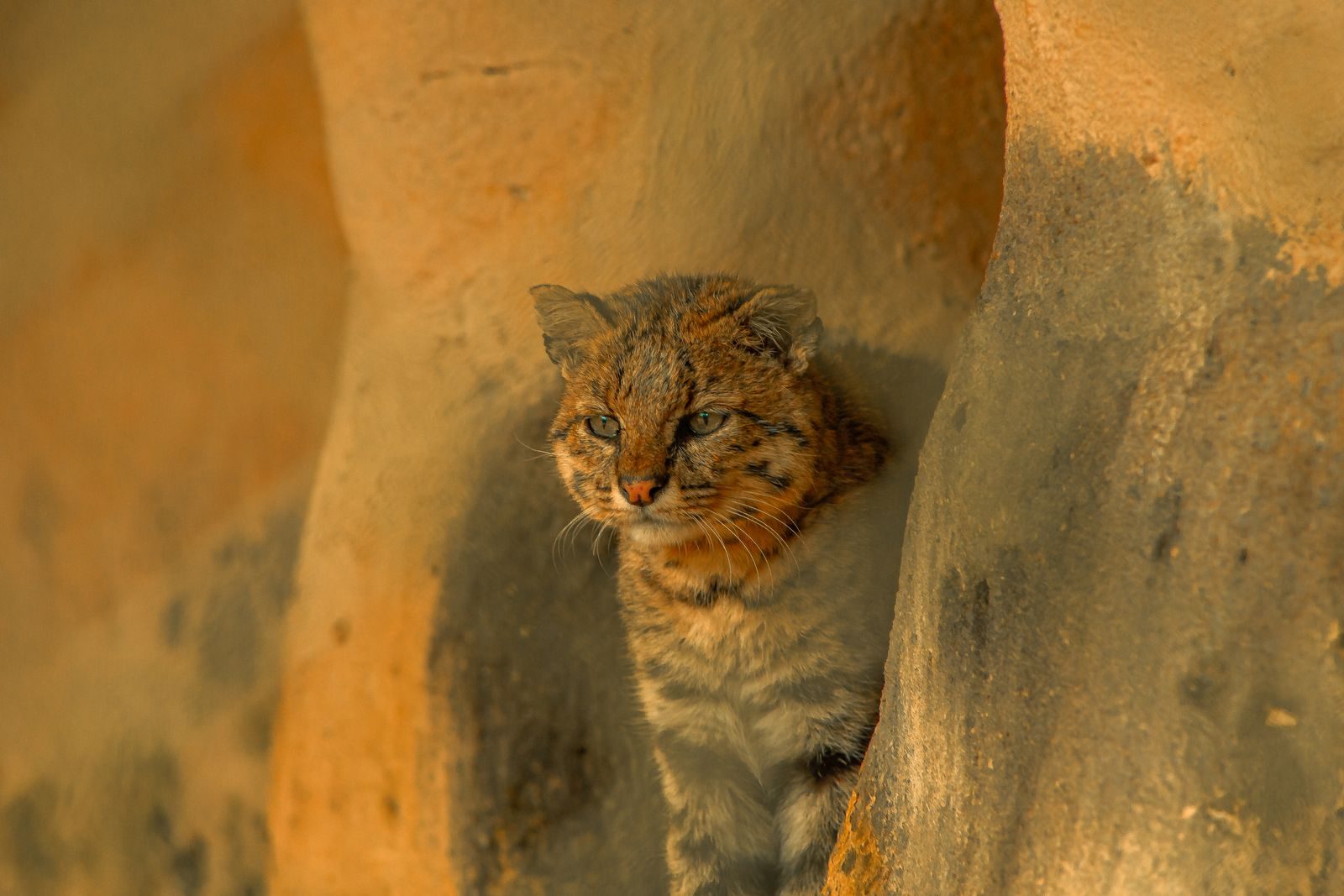
Lynx are medium-sized wild cats recognised by their long legs, short tails, cheek fur, and black ear tufts. Their bodies are adapted for stealthy hunting across forests, mountains, scrublands, and snowy northern habitats.
The name includes four living species: Canada lynx, Eurasian lynx, Iberian lynx, and bobcat. Each has different prey, range, and conservation challenges.
Four Lynx Species
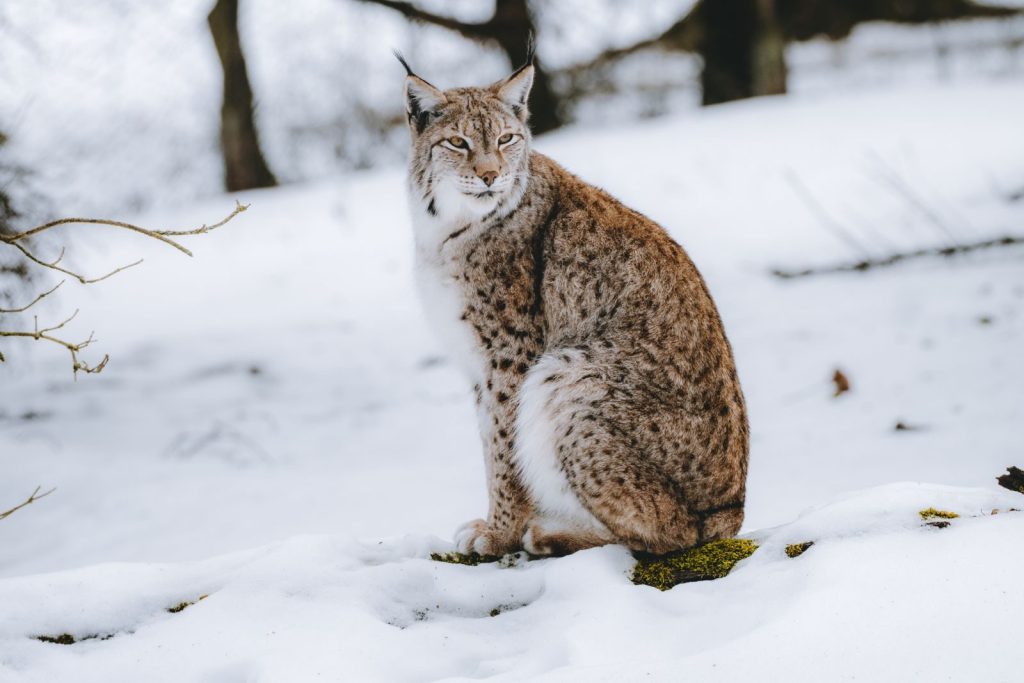
The lynx group contains the Canada lynx, Eurasian lynx, Iberian lynx, and bobcat. Eurasian lynx are the largest, while bobcats occupy the widest variety of habitats. All share a short tail, pointed ears, facial ruffs, and a solitary predatory lifestyle.
Tufts Have No Proven Purpose

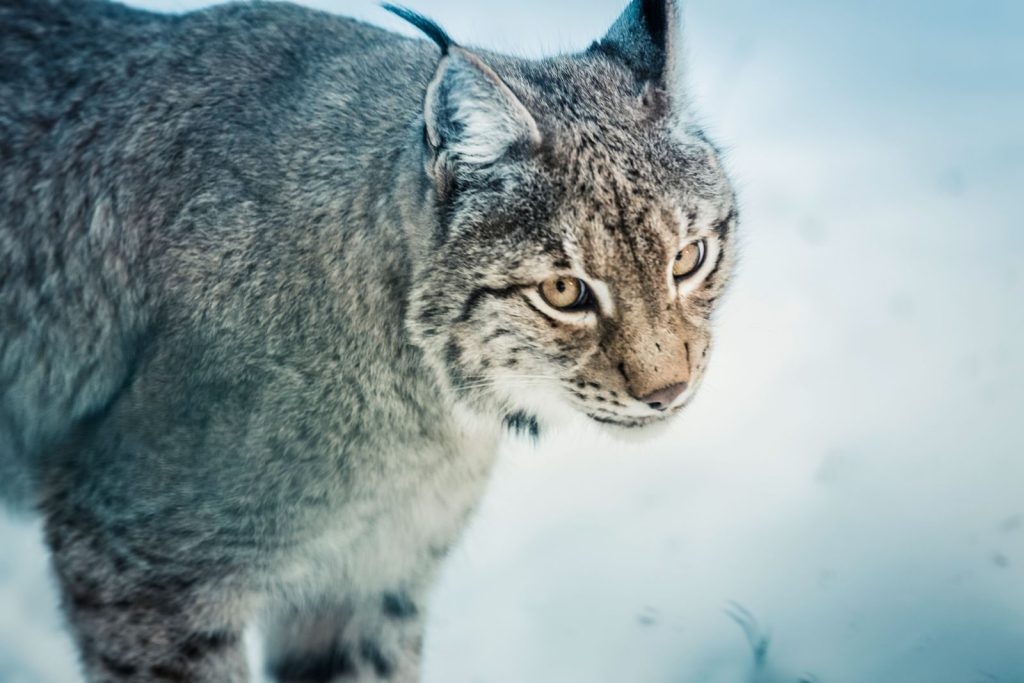
The black hair tufts rising above a lynx’s ears are its most famous feature. Scientists have proposed that they aid communication, direct sound, or help break up the cat’s outline, but their exact function has not been confirmed.
The Tail Stays Short
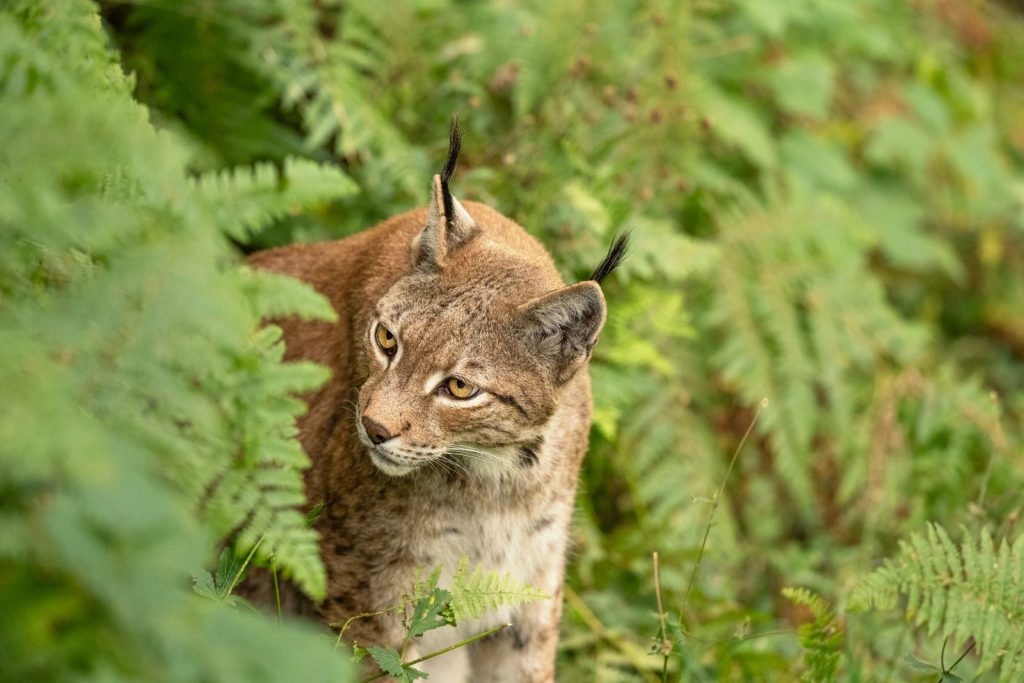
Unlike many cats that use a long tail while chasing prey through trees or open ground, lynx have short, black-tipped tails. The reason for this evolutionary shape is not fully established, although the compact tail may reduce exposed surface area in cold environments.
Paws Work Like Snowshoes

Canada lynx have unusually large, fur-covered paws that spread their weight over soft snow. The design works like a natural snowshoe, allowing the cat to pursue snowshoe hares through deep powder more effectively than many competing predators.
Teeth Hold Fast Prey

Lynx have long canine teeth for gripping and killing prey, along with blade-like carnassial teeth that cut meat. Their jaws are smaller than those of lions or tigers, but they are powerful enough to subdue hares, rabbits, rodents, birds, and larger prey in the Eurasian lynx’s range.
Hearing Finds Hidden Animals

Large ears and sensitive hearing help a lynx detect quiet movement beneath plants or snow. Its vision also performs well in low light, supporting hunts around dawn, dusk, and night. Ear direction, facial expressions, scent marks, and body posture help lynx communicate.
Hares Shape Lynx Numbers
Canada lynx depend strongly on snowshoe hares. Hare populations rise and fall in cycles, and lynx numbers often follow several years later. When hares decline, lynx may travel farther, reproduce less successfully, or switch to birds, squirrels, and other available prey.
Lynx Usually Hunt Alone

Most adult lynx occupy territories and avoid one another outside the breeding season. They move quietly, approach prey using cover, and attack over a short distance rather than maintaining a long chase. Mothers remain with their kittens until the young can hunt independently.
Featured Image: Photo by Detlef Bukowski on Pexels