Skip to content

Recent Posts

  • 8 Bites and Stings Known for Extreme Pain
  • Is Honey Healthier Than Table Sugar?
  • How a Hyena Mother Protects Her Cubs
  • Beachgoers Spend Two Hours Freeing a Stranded Shark
  • Orphaned Baby Skunk Receives Care Before Release

Most Used Categories

  • Nature & Wildlife (715)
  • Risk (64)
  • Human Interest (45)
  • Exotic Animals (22)
  • Survival (20)
  • Bees/Swarms fear (20)
  • Hunting (19)
  • Suspense (13)
  • Adventure (3)
  • Gears (2)
Skip to content
  • About Us
  • Contact Us
  • Disclaimer
  • Privacy Policy
  • Terms & Conditions

Hive Hunters Tales

  • Suspense
  • Nature & Wildlife
  • Human Interest
  • Hunting
  • Bees/Swarms fear
  • Exotic Animals
  • Risk
  • Survival
  • Adventure
  • Gears
  • Home
  • Risk
  • 8 Bites and Stings Known for Extreme Pain
Detailed macro image of a hornet's face, showcasing its vivid colors and intricate features.

8 Bites and Stings Known for Extreme Pain

JakeAugust 9, 2026August 8, 2026

Pain is personal and difficult to measure. Injury depth, venom dose, body location, medical condition, fear, and treatment speed can make the same species feel very different to two people.

The Schmidt Sting Pain Index compares certain stinging insects, not every venomous animal. Other entries are included because medical reports repeatedly describe unusually severe or prolonged pain.

Pain Cannot Be Ranked Perfectly
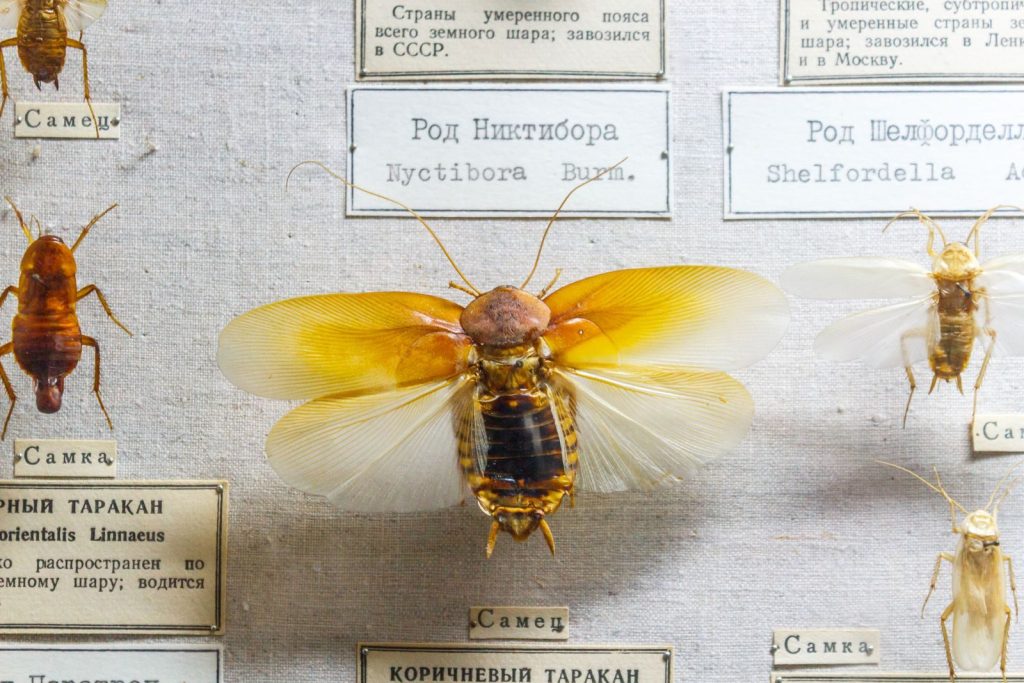
Close-up of Nyctibora specimen with intricate wing details and labels.
Photo by Tamula Aura on Pexels

The Schmidt index was created from entomologist Justin Schmidt’s experiences with ants, bees, and wasps. It ranks pain from one to four but does not measure tissue damage, fatal risk, or bites from reptiles, fish, mammals, and marine invertebrates.

Bullet Ant

Detailed macro photograph of a Paraponera clavata ant, highlighting its features.
Photo by Steven Paton on Pexels

The bullet ant received a level-four rating on the Schmidt index. Its sting can produce intense, throbbing pain lasting for hours. The ant uses venom to defend itself and its colony, but the experience is not automatically fatal to a healthy adult.

Tarantula Hawk Wasp
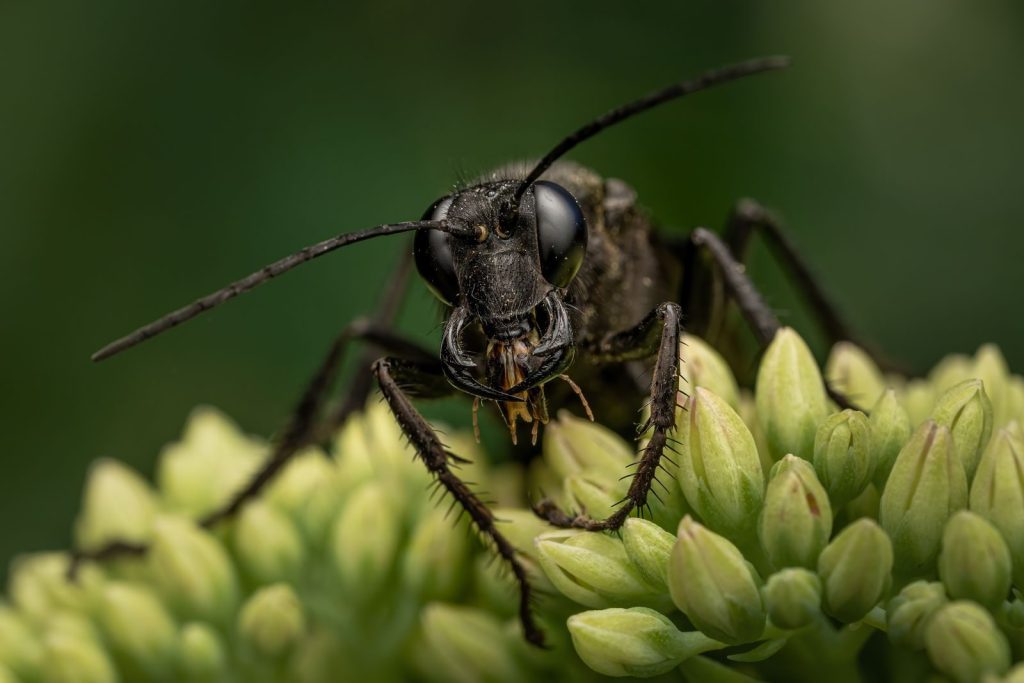
Close-up macro photograph of a black wasp perched on green flower buds.
Photo by Skyler Ewing on Pexels

A tarantula hawk sting also reaches the highest Schmidt category. Females normally use their venom to paralyse tarantulas for their larvae. Human stings are generally defensive and produce overwhelming but relatively short-lived pain rather than the prolonged paralysis experienced by the spider.

Warrior Wasp

Detailed view of wasps building a nest in Brazil, showcasing natural insect behavior.
Photo by Lucia Barreiros Silva on Pexels

The warrior wasp is another level-four insect. Colonies defend large paper nests, and multiple workers may respond when the structure is disturbed. Schmidt described the sting as both piercing and burning, demonstrating why approaching an active tropical wasp nest can be extremely dangerous.

Platypus Spur
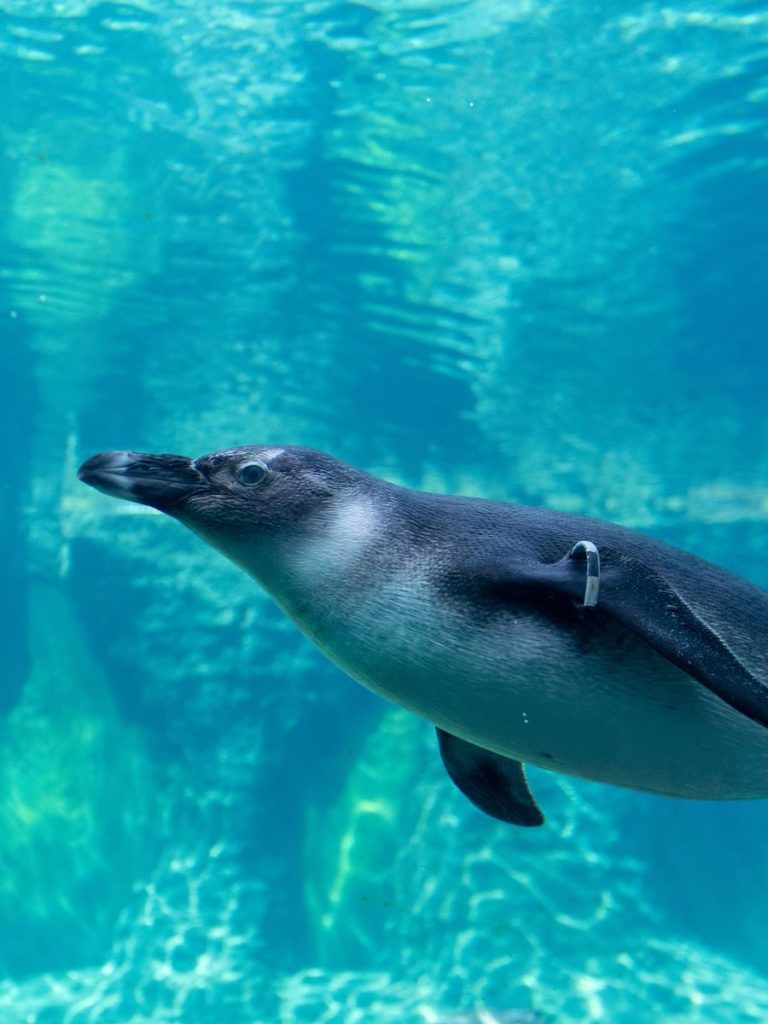
A penguin gracefully swims through clear blue water, showcasing aquatic elegance.
Photo by Jakub Pabis on Pexels

Adult male platypuses carry venomous spurs on their hind ankles. Human envenomation is rarely fatal, but reports describe excruciating pain that may persist for days, weeks, or longer and respond poorly to ordinary pain medication. Severe swelling can spread through the affected limb.

Stonefish Spine
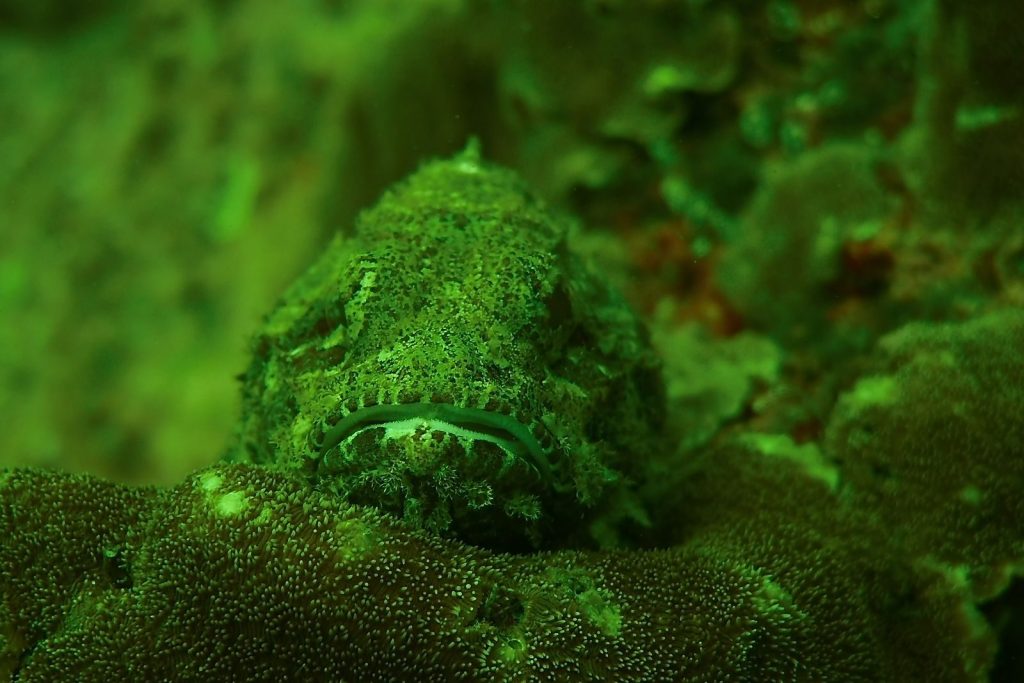
A camouflaged fish blending with green coral in an underwater scene.
Photo by Diego Sandoval on Pexels

Stonefish hide against rocks and seabeds, where a swimmer may step on their venomous dorsal spines. The sting can cause immediate, severe pain, swelling, tissue injury, weakness, and systemic illness. Victims require urgent medical assessment, and hot-water immersion may be recommended while professional help is arranged.

Irukandji Jellyfish
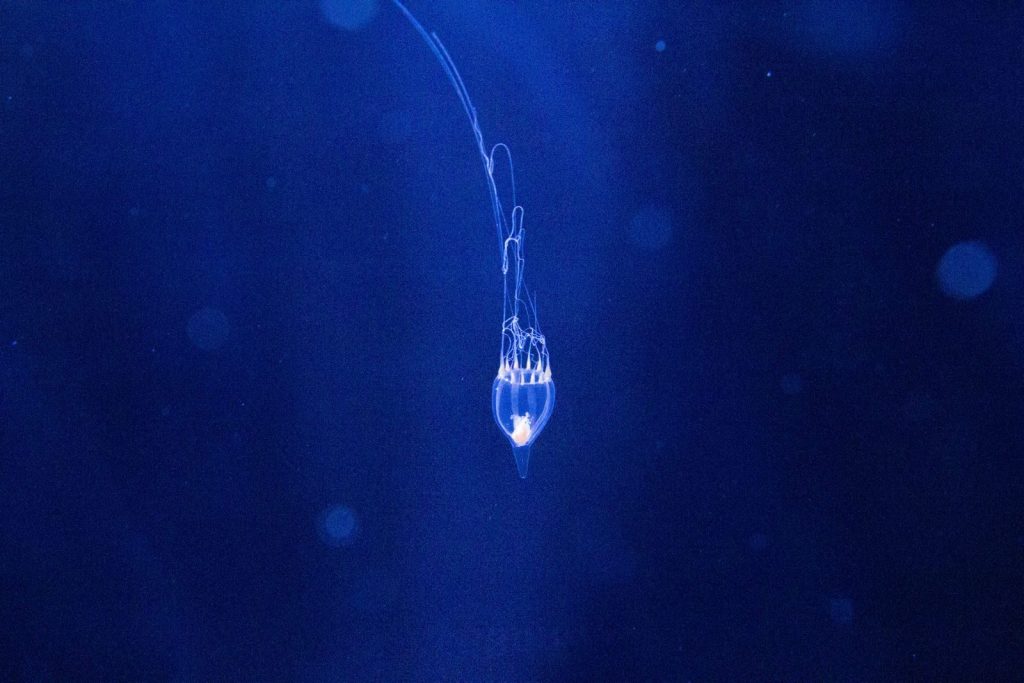
Captivating image of a jellyfish gracefully floating in deep blue water, highlighting its delicate tendrils.
Photo by Nina Simková on Pexels

An Irukandji sting may initially seem minor before a severe syndrome develops. Symptoms can include overwhelming back, abdominal, chest, and muscle pain, sweating, anxiety, vomiting, and dangerous increases in blood pressure. Immediate medical care is essential because the illness can become life-threatening.

Gila Monster Bite

A detailed close-up of a monitor lizard resting peacefully on sand, showcasing its unique scales.
Photo by Pawel Hordjewicz on Pexels

A Gila monster bites firmly and may hold on while venom enters through grooves in its teeth. Victims can experience intense pain, swelling, weakness, nausea, and low blood pressure. The lizard should never be pulled away carelessly because force may worsen the tissue injury.

Featured Image: Photo by SweeMing YOUNG on Pexels

Post navigation

Previous: Is Honey Healthier Than Table Sugar?

Related Posts

Detailed shot of a scorpion with raised stinger on sandy ground, showcasing its natural habitat.

8 Poisonous Animals With Powerful Natural Defenses

August 7, 2026August 6, 2026 Jake
Nine-banded armadillo walking through a grassy field with warm evening light.

Why Pangolins Face a Global Trafficking Crisis

August 7, 2026August 6, 2026 Jake
Detailed shot of a crocodile with open mouth showcasing its natural habitat and textured skin.

8 Jungle Animals That Can Seriously Harm People

August 6, 2026August 6, 2026 Jake

Leave a Reply Cancel reply

Your email address will not be published. Required fields are marked *

Recent Posts

  • 8 Bites and Stings Known for Extreme Pain
  • Is Honey Healthier Than Table Sugar?
  • How a Hyena Mother Protects Her Cubs
  • Beachgoers Spend Two Hours Freeing a Stranded Shark
  • Orphaned Baby Skunk Receives Care Before Release
Copyright All Rights Reserved | Theme: BlockWP by Candid Themes.