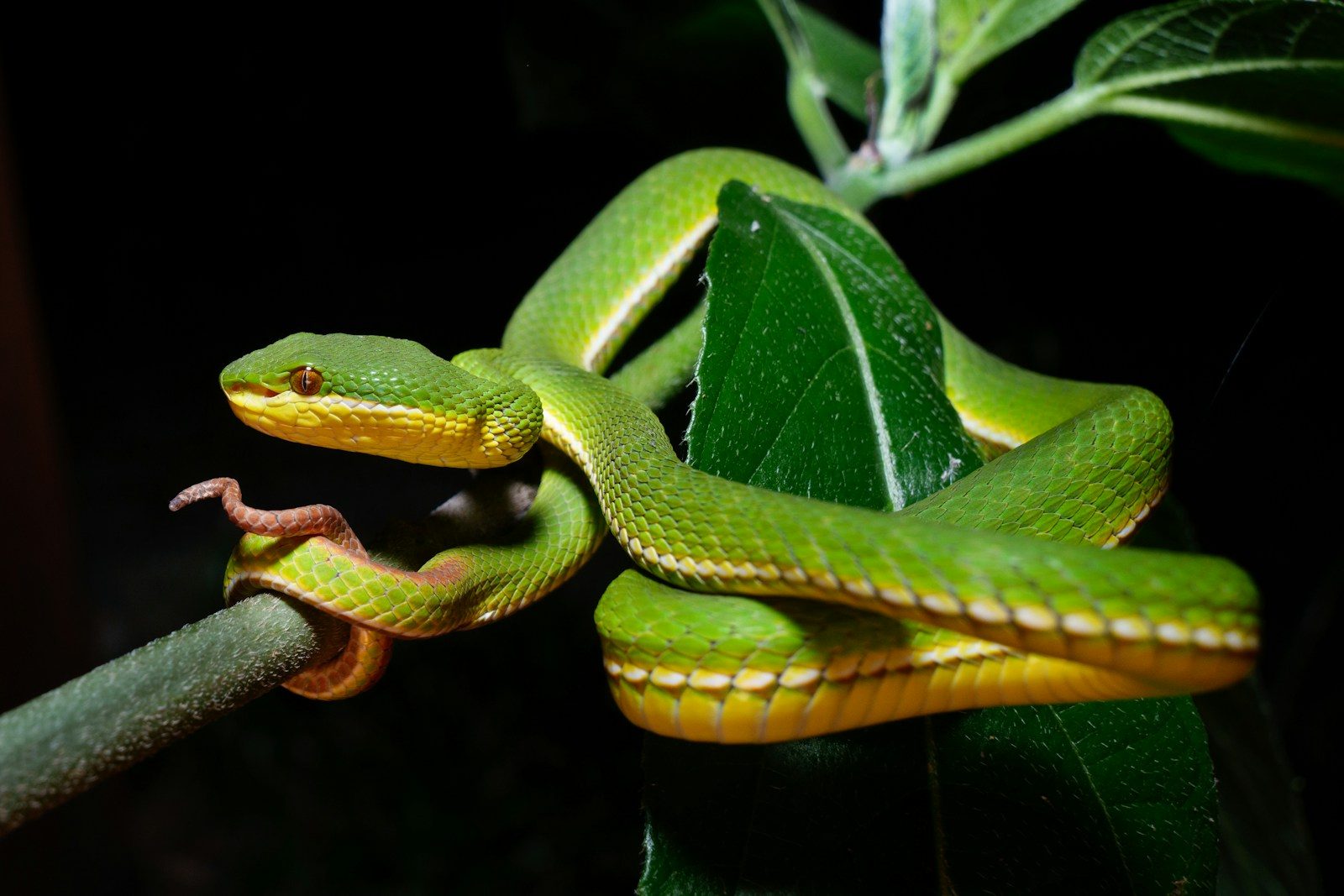
Vipers are some of the most dangerous and fascinating snakes on Earth. Known for their venom, camouflage, and powerful strikes, these reptiles can be found across forests, deserts, and mountains in many parts of the world.
Gaboon Viper
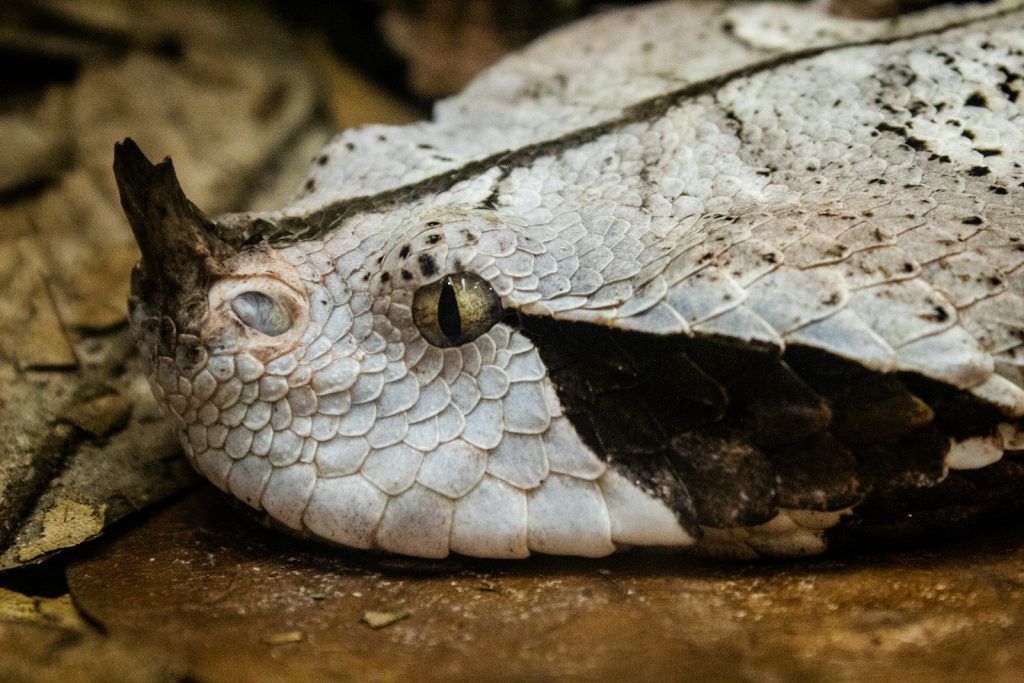
The Gaboon viper is often considered the heaviest viper in the world. Native to African rainforests, it has enormous fangs and excellent camouflage that allows it to ambush prey with remarkable precision.
The species can grow over 6 feet long and weigh more than 20 pounds. Despite its intimidating appearance, the Gaboon viper usually relies on remaining hidden rather than actively chasing prey.
Bushmaster
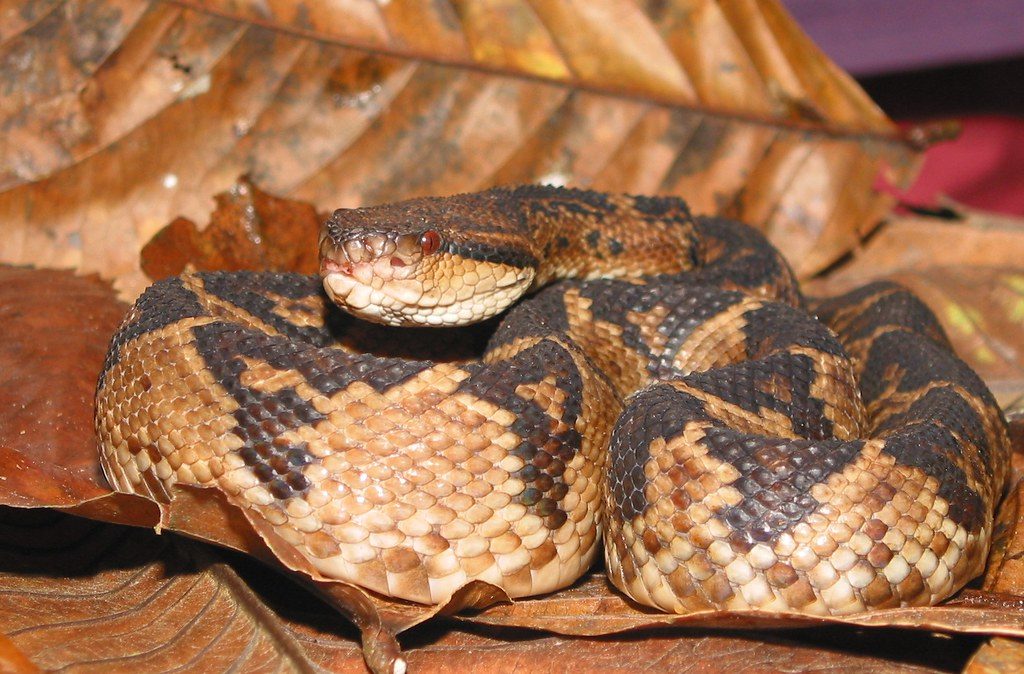
The bushmaster is the largest venomous snake in the Americas and one of the biggest vipers overall. These snakes live in tropical forests and are known for their impressive size and secretive behavior.
Some bushmasters can exceed 10 feet in length under ideal conditions. They mainly hunt at night and feed on rodents, birds, and other small animals.
Eastern Diamondback Rattlesnake
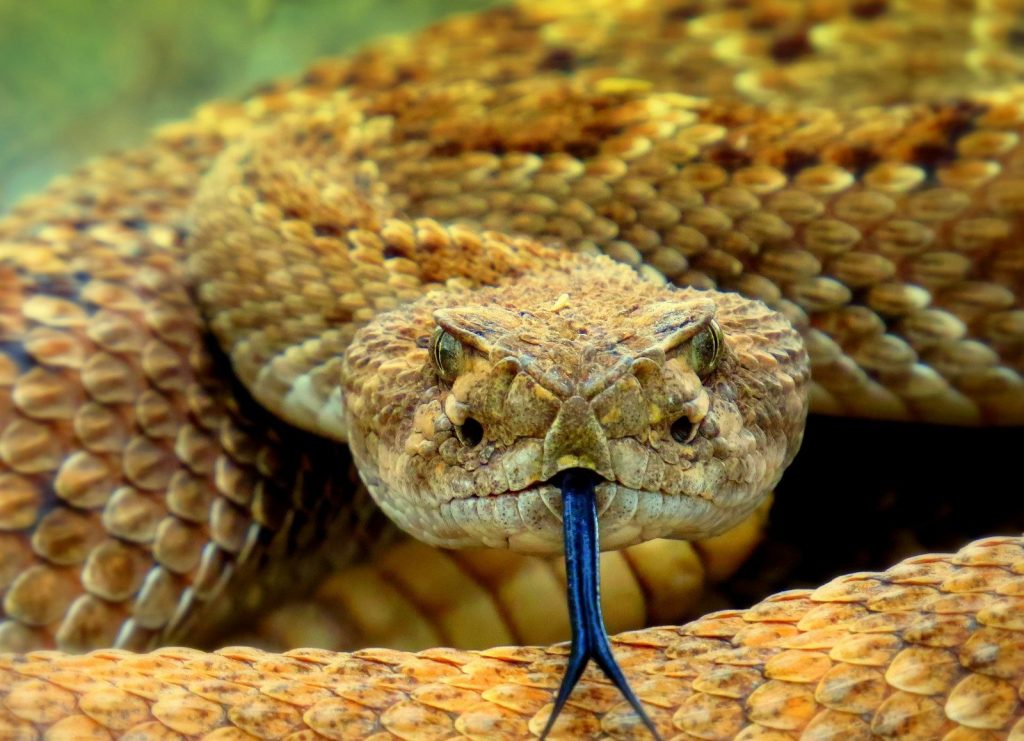
The eastern diamondback rattlesnake is the largest rattlesnake species in the world. It is famous for its distinctive diamond-shaped markings and warning rattle.
These snakes are powerful ambush predators capable of taking down surprisingly large prey. They are primarily found in the southeastern United States, especially in dry forests and coastal regions.
Russell’s Viper
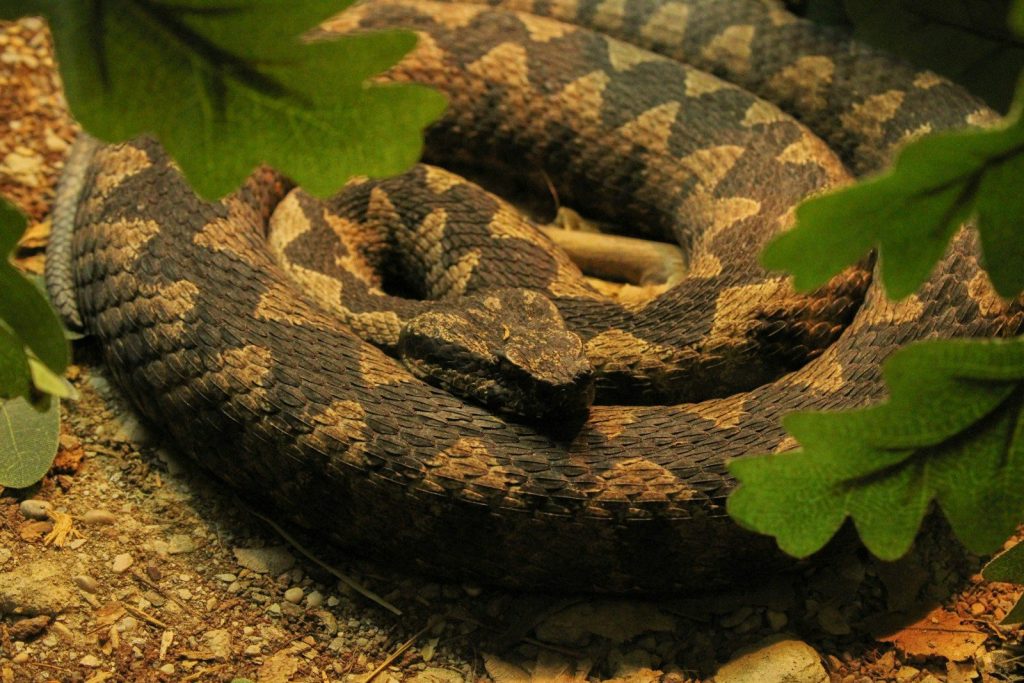
Russell’s viper is one of the most well-known vipers in Asia due to its size and potent venom. It commonly inhabits grasslands, farmland, and open countryside.
The species can grow over 5 feet long and is responsible for many snakebite incidents in parts of South Asia. Its loud defensive hiss and quick strike make it especially feared in rural areas.
Puff Adder
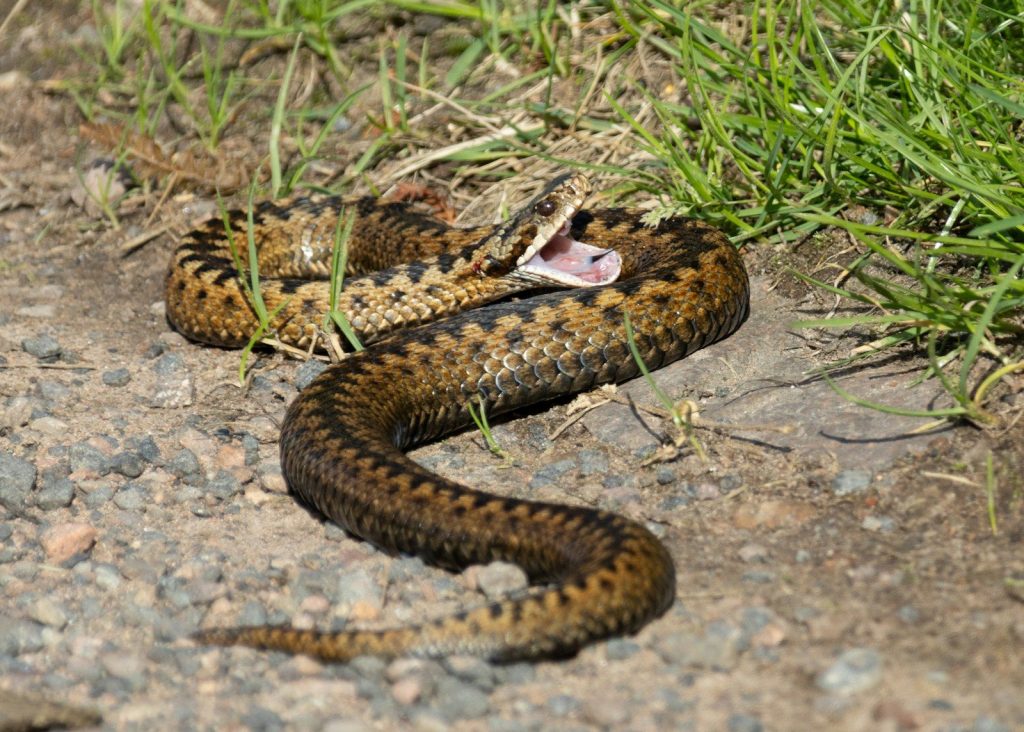
The puff adder is among Africa’s most widespread and dangerous snakes. It has a thick body, excellent camouflage, and a reputation for remaining motionless until disturbed.
Puff adders are responsible for many snakebite injuries because they often rely on camouflage instead of fleeing. They feed on rodents, birds, and other small animals that wander too close.
Fer-de-Lance
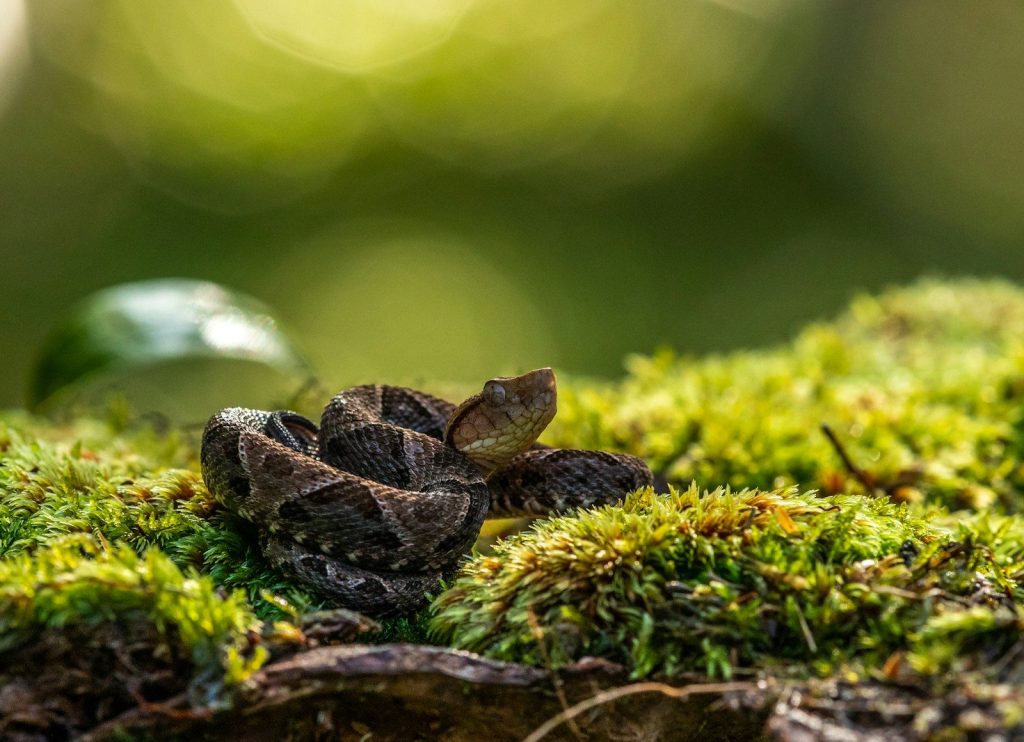
The fer-de-lance is a large pit viper found in Central and South America. It is highly adaptable and can survive in forests, farmland, and areas close to human settlements.
These snakes are fast-moving and possess extremely potent venom. Their ability to thrive near populated areas has made them one of the region’s most feared snakes.
Common European Adder
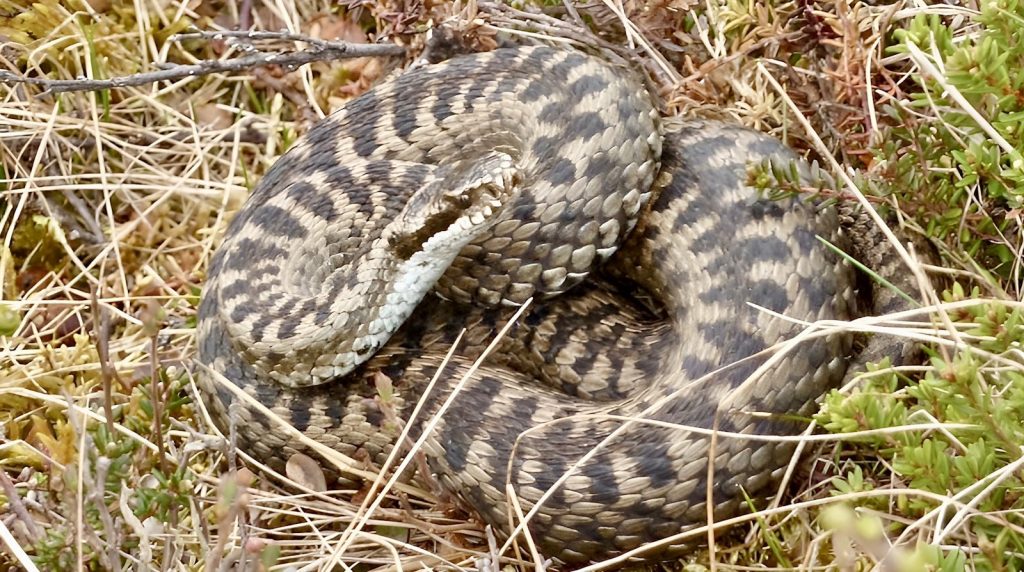
Although smaller than many tropical vipers, the common European adder is still one of Europe’s best-known venomous snakes. It can survive in a wide range of habitats, including forests, grasslands, and colder northern regions.
Most adders grow around 2 to 3 feet long and mainly feed on rodents, amphibians, and small birds. Their venom is rarely fatal to humans, but the species remains an effective predator in its ecosystem.