
In recent years, a growing number of encounters between orcas and boats have been reported near the coast of Europe. Some incidents have involved damaged rudders, disabled yachts, and confused sailors wondering why these intelligent marine predators are targeting vessels in the first place.
A Strange Pattern Began Emerging
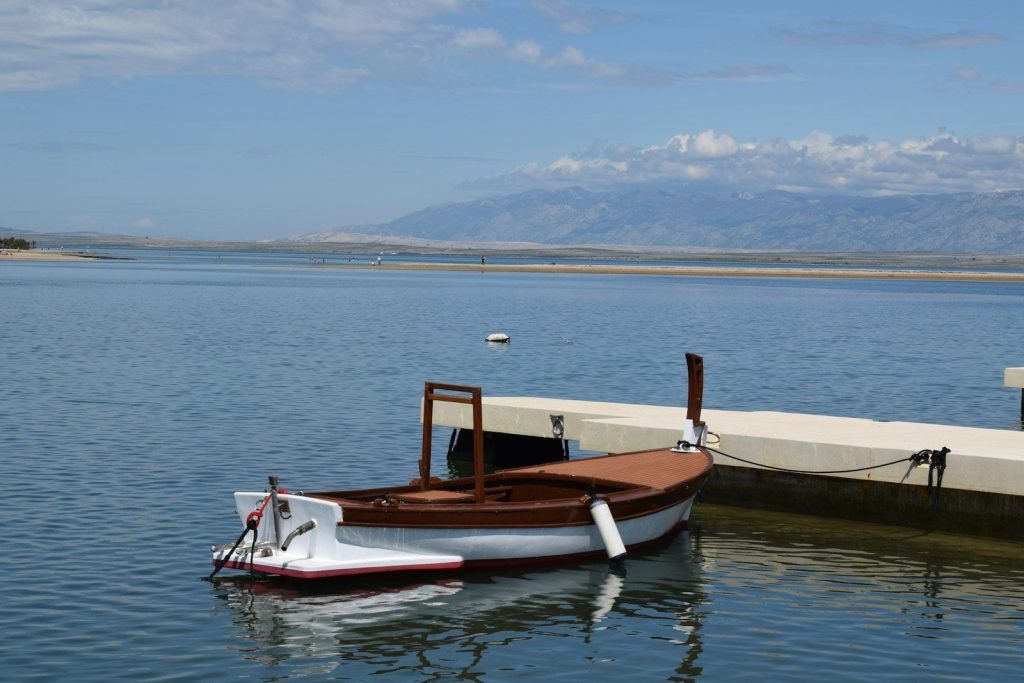
Reports of unusual orca behavior increased dramatically near the Iberian Peninsula starting around 2020. Groups of orcas were seen approaching boats, bumping hulls, and repeatedly targeting rudders.
Marine researchers say the behavior appears concentrated among a specific population of Iberian orcas. Most interactions involve sailing vessels rather than large commercial ships.
Orcas Are Highly Intelligent Animals
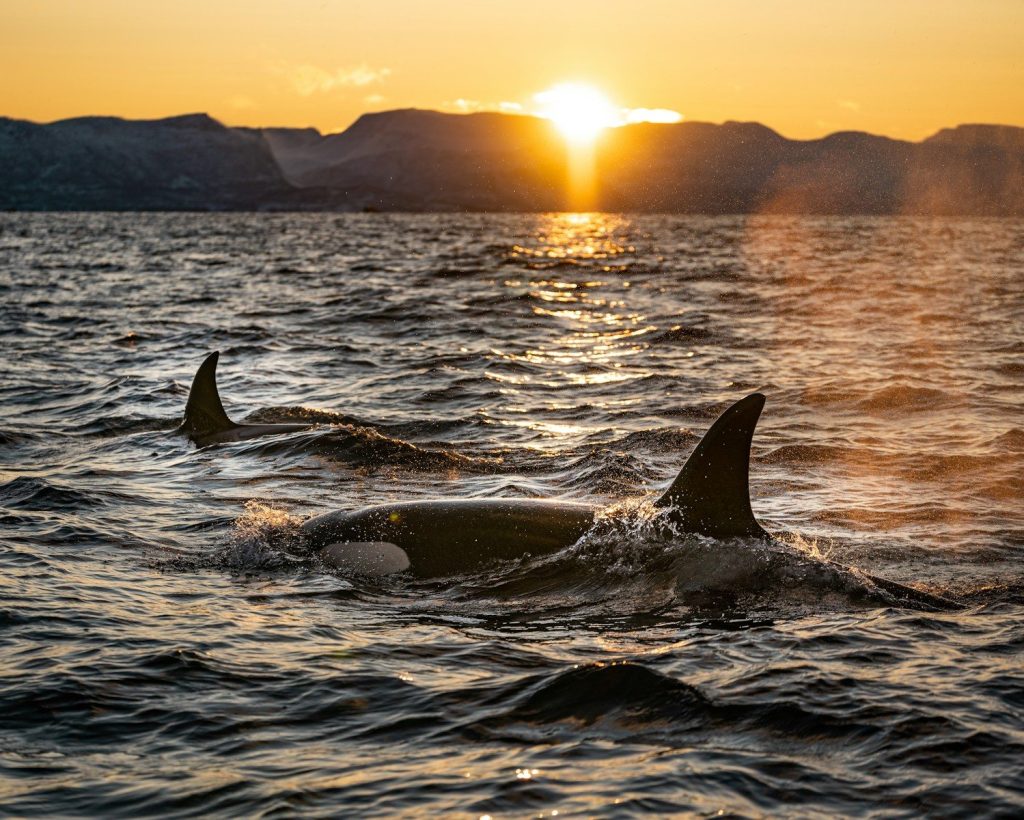
Orcas are among the smartest animals in the ocean and live in complex social groups. They communicate with one another, teach hunting strategies to younger members, and display behaviors that researchers are still working to fully understand.
Scientists believe social learning may help explain why the boat interactions spread between pods. Once one group adopts a behavior, others may imitate it over time.
Why Are They Targeting Rudders?
One of the biggest mysteries is why orcas focus so heavily on rudders. Researchers think the movement and resistance of rudders may attract the whales’ attention or stimulate playful behavior.
Some experts suggest the interactions could be linked to curiosity or temporary behavioral trends within specific pods. Others believe previous negative encounters with boats may have influenced the animals’ responses.
Most Experts Do Not Believe Orcas Are “Attacking” Humans
Although headlines often describe the events dramatically, scientists say there is little evidence that orcas are intentionally trying to harm people. In most cases, the whales lose interest after damaging part of the vessel.
There have been very few reports of direct aggression toward humans during these encounters. Experts continue to emphasize that wild animal behavior is often complex and difficult to interpret.
Boat Encounters Can Still Become Dangerous
Even without direct attacks on humans, damaged boats can create serious risks at sea. Several vessels have required rescue assistance after losing steering control during orca encounters.
Sailors traveling through affected areas are now being advised to follow updated safety guidance. Some recommendations include slowing down, avoiding sudden movements, and reporting sightings to local authorities.
Scientists Continue Monitoring Orca Behavior
Marine biologists are still collecting data to better understand why these interactions began and whether the trend will continue. Because orcas are highly social and adaptable, even temporary behavioral shifts can spread quickly within populations.
Researchers hope ongoing observation will help reduce risks for both sailors and whales. For now, the unusual encounters remain one of the ocean’s most fascinating wildlife mysteries.