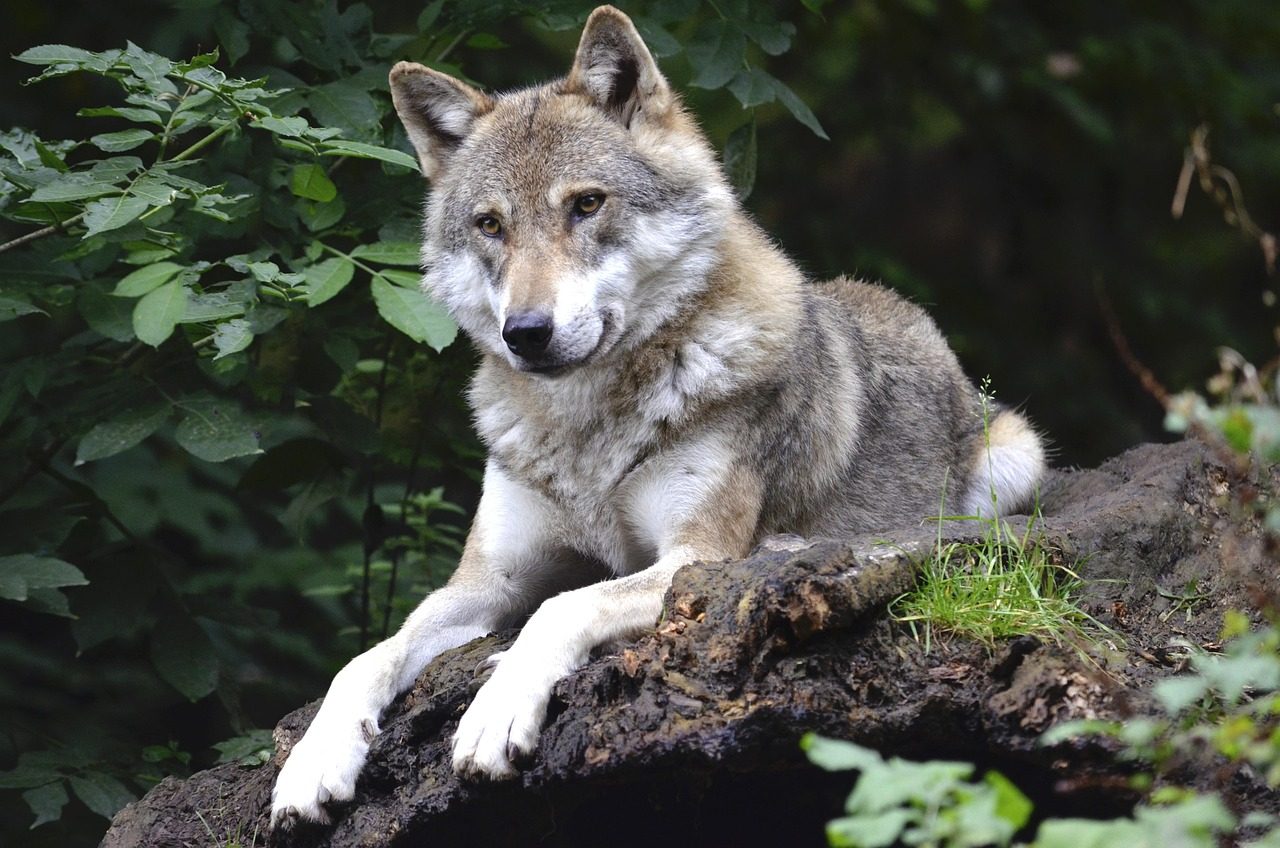
Many wild animals living near homes and neighborhoods are protected by local, state, or federal laws. Even when these animals create damage or become a nuisance, homeowners are often limited in what they can legally do without permits or wildlife authorities.
Bats
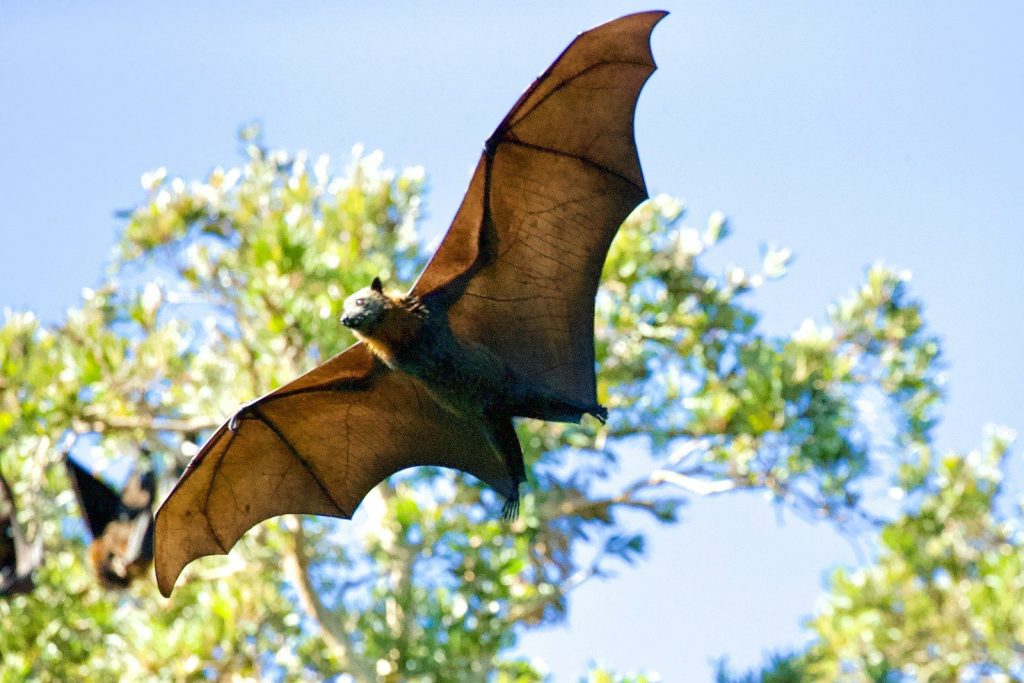
Bats are protected in many regions because they play an important role in controlling insect populations. Some species are also considered endangered, making it illegal to harm or disturb them, especially during breeding seasons.
Homeowners often discover bats living in attics, barns, or sheds. Wildlife experts usually recommend humane removal methods rather than trapping or extermination.
Owls
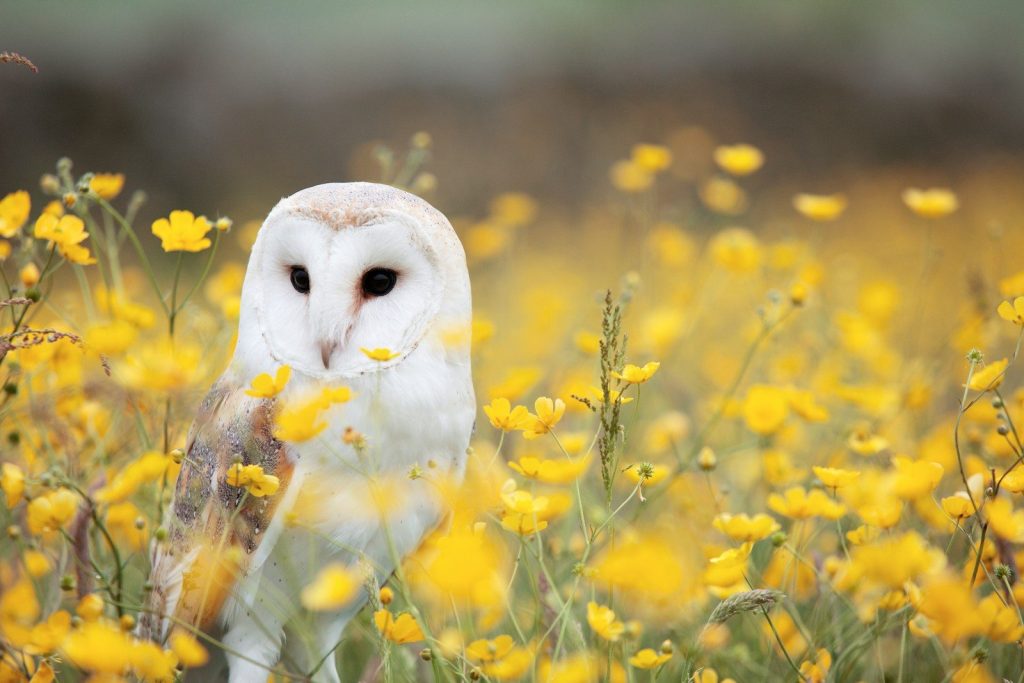
Owls are protected under various wildlife laws in many countries, including the United States. Their nests, eggs, and feathers are often protected as well.
Even if owls settle near homes or farms, disturbing them can lead to legal penalties. Conservation laws exist because many owl populations face habitat loss and environmental pressures.
Hawks
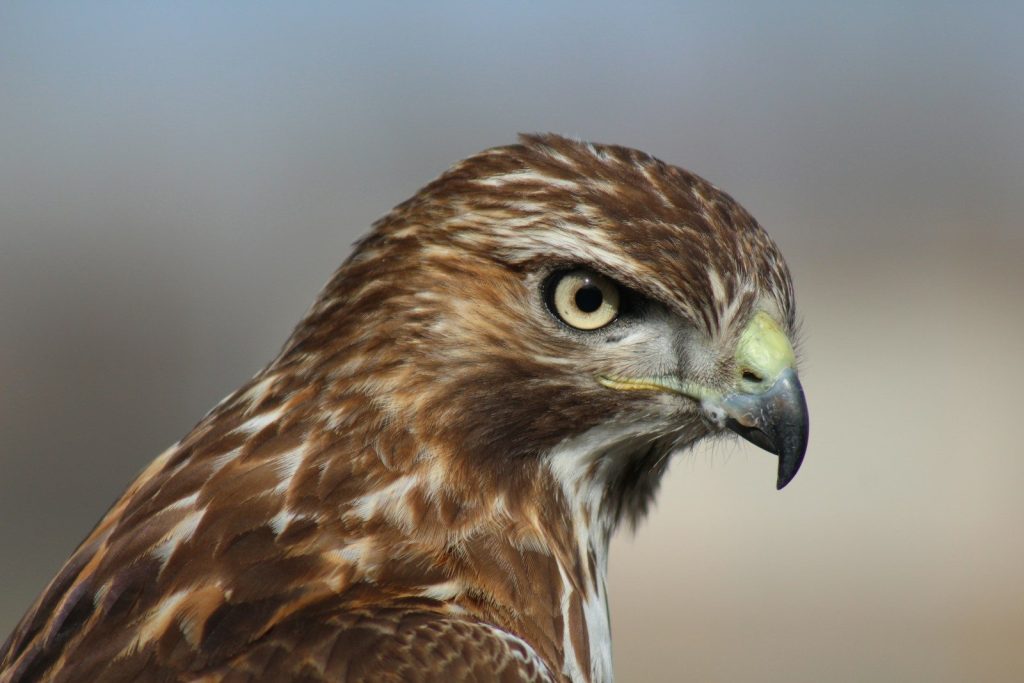
Hawks are protected birds of prey that cannot legally be hunted or captured without authorization. These birds help control rodent populations and are considered important parts of local ecosystems.
Some homeowners become frustrated when hawks target backyard chickens or small pets. However, wildlife regulations usually require non-lethal deterrents rather than direct harm.
Foxes
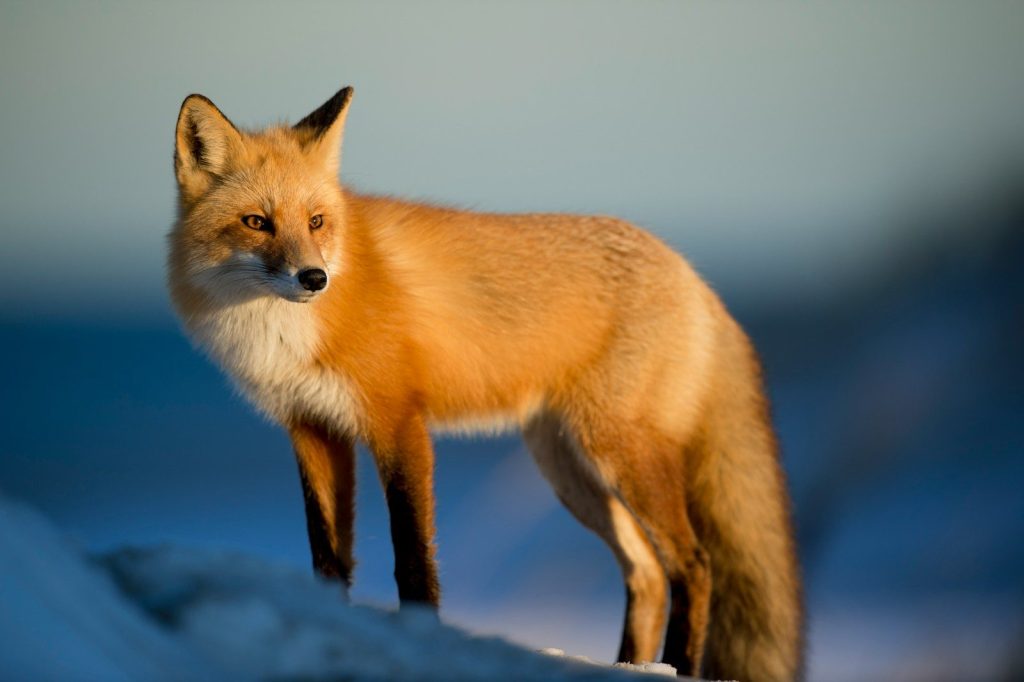
Foxes are protected differently depending on the region and species involved. In some places, relocation, trapping, or removal requires special permits or must follow strict seasonal rules.
Foxes commonly adapt to suburban environments because of easy food sources and shelter opportunities. Wildlife agencies often encourage prevention methods instead of aggressive removal.
Turtles
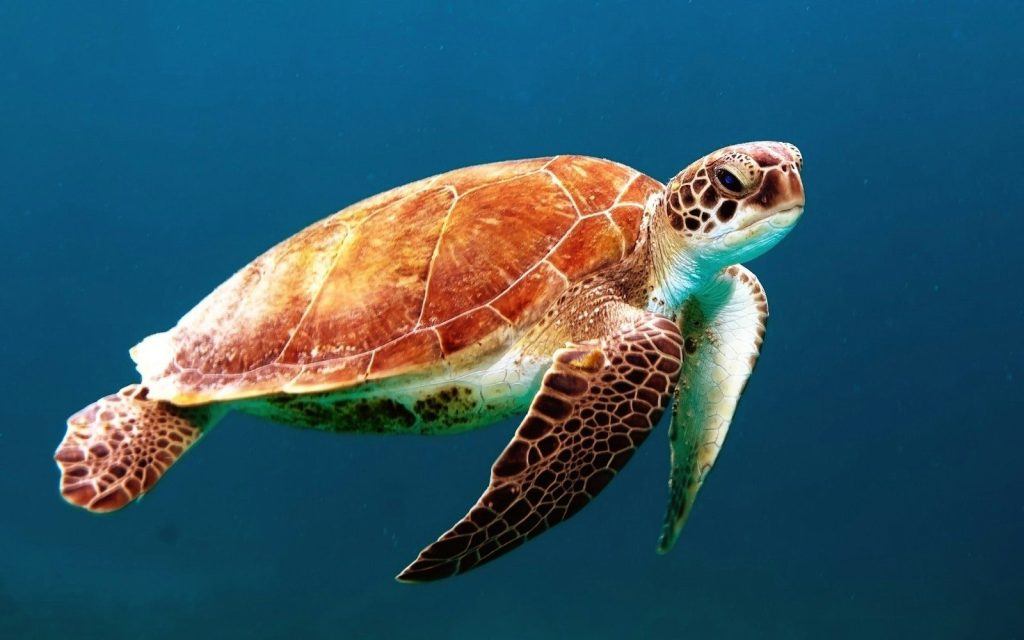
Many turtle species are protected because their populations reproduce slowly and are vulnerable to habitat destruction. Removing turtles from wetlands, ponds, or nesting areas may violate wildlife laws.
Road construction and urban expansion have contributed to declining turtle populations in many areas. Conservation efforts now focus heavily on protecting nesting sites and migration routes.
Snakes
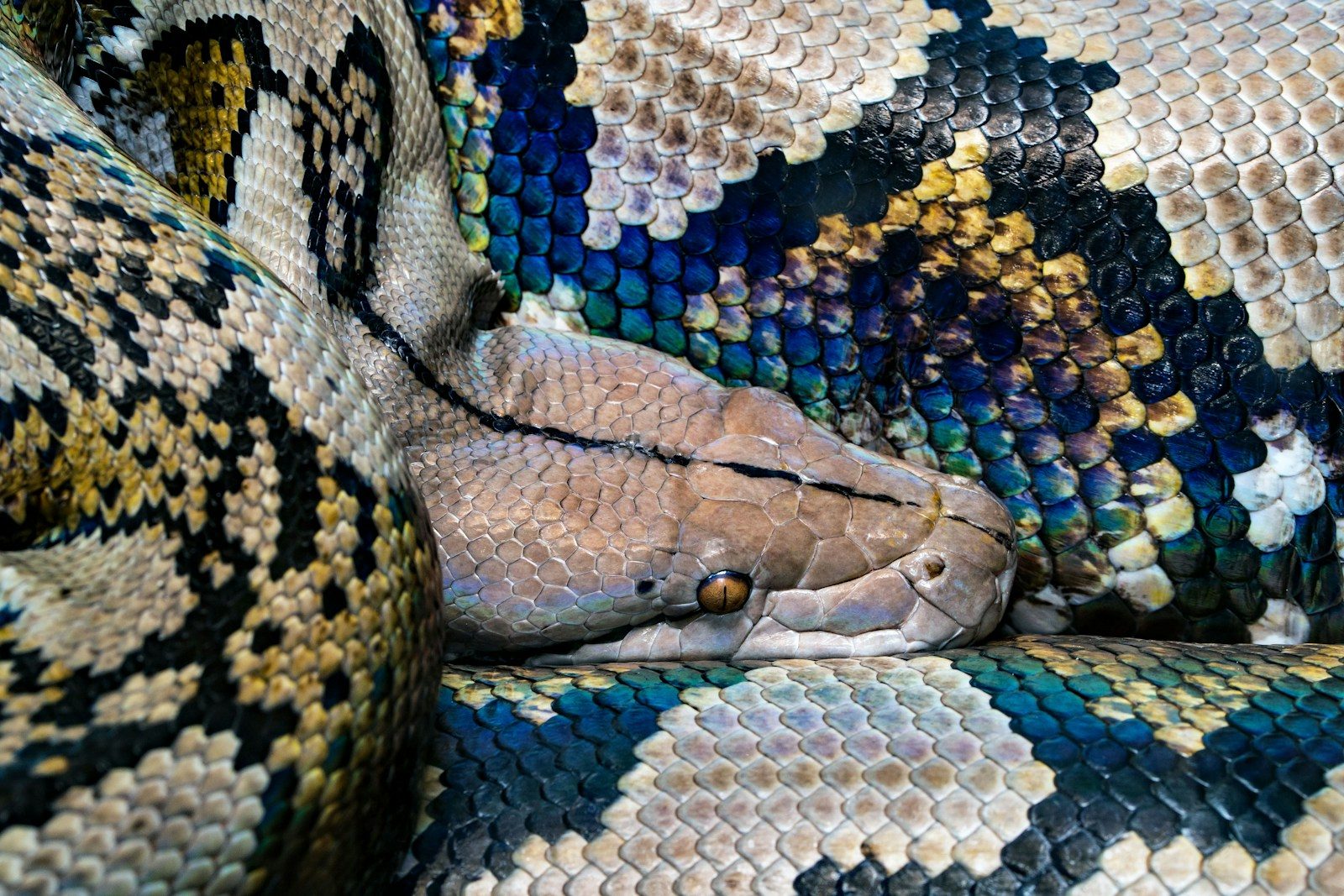
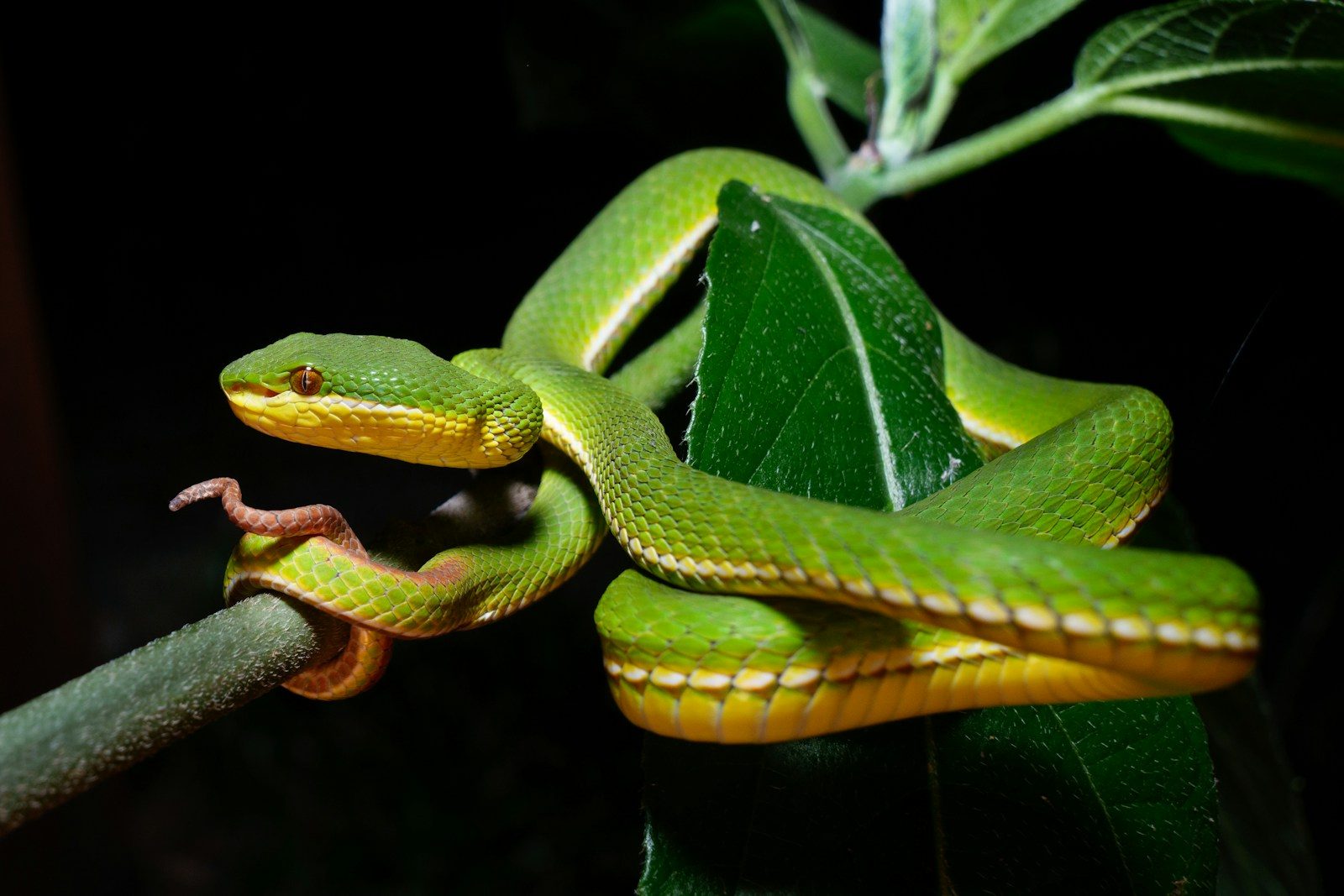
Not all snakes are protected equally, but many nonvenomous and endangered species receive legal protection. Killing certain snake species can result in fines or legal consequences in some regions.
Wildlife experts say snakes help control rodents and maintain ecological balance. Most snakes near homes are harmless and avoid human interaction whenever possible.
Migratory Birds

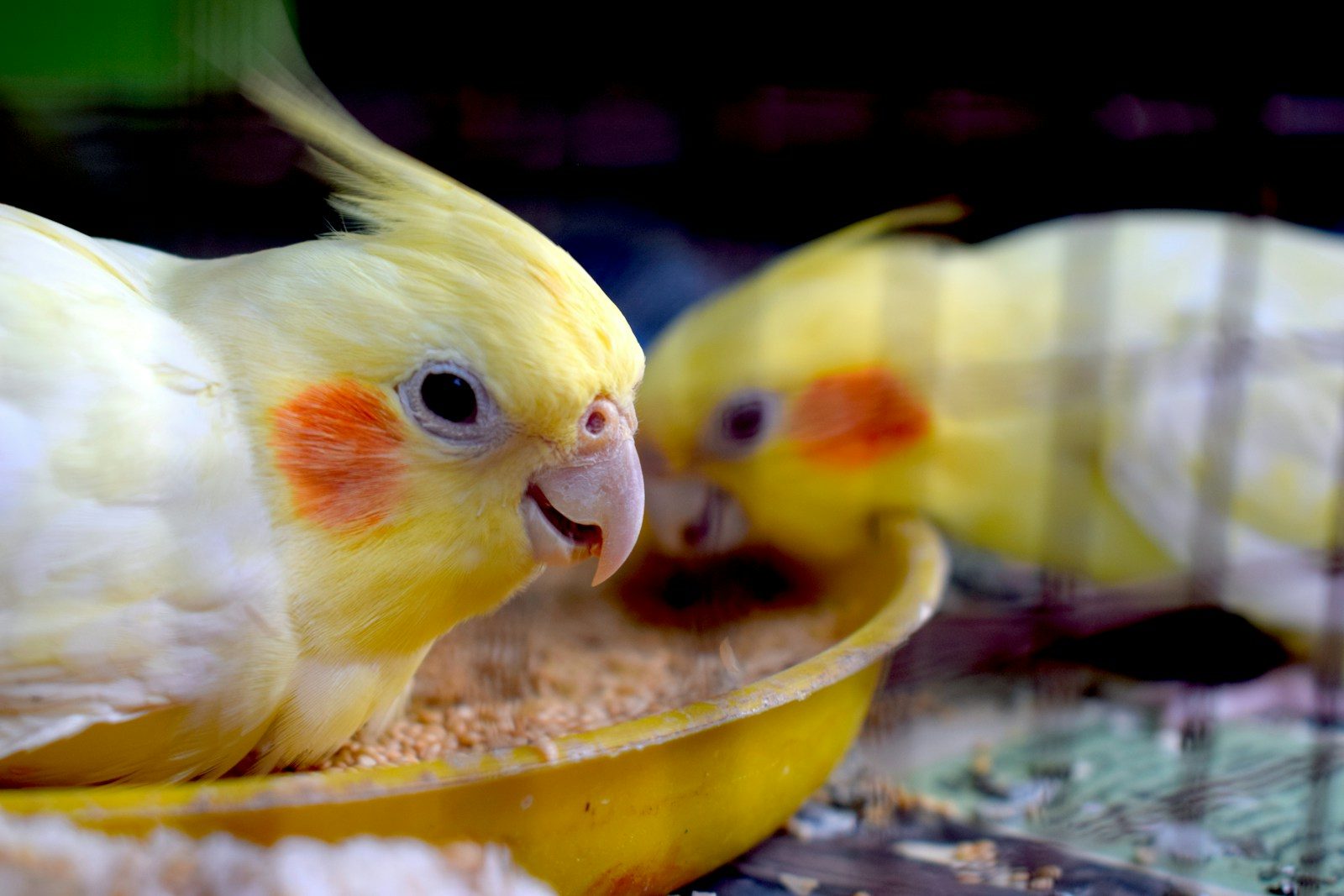
Many common birds around homes are protected under migratory bird laws. This protection often extends to nests, eggs, and even abandoned feathers.
Homeowners sometimes run into legal restrictions when removing nests from roofs, trees, or vents during nesting season. Wildlife officials usually recommend waiting until birds naturally leave before making changes to nesting areas.