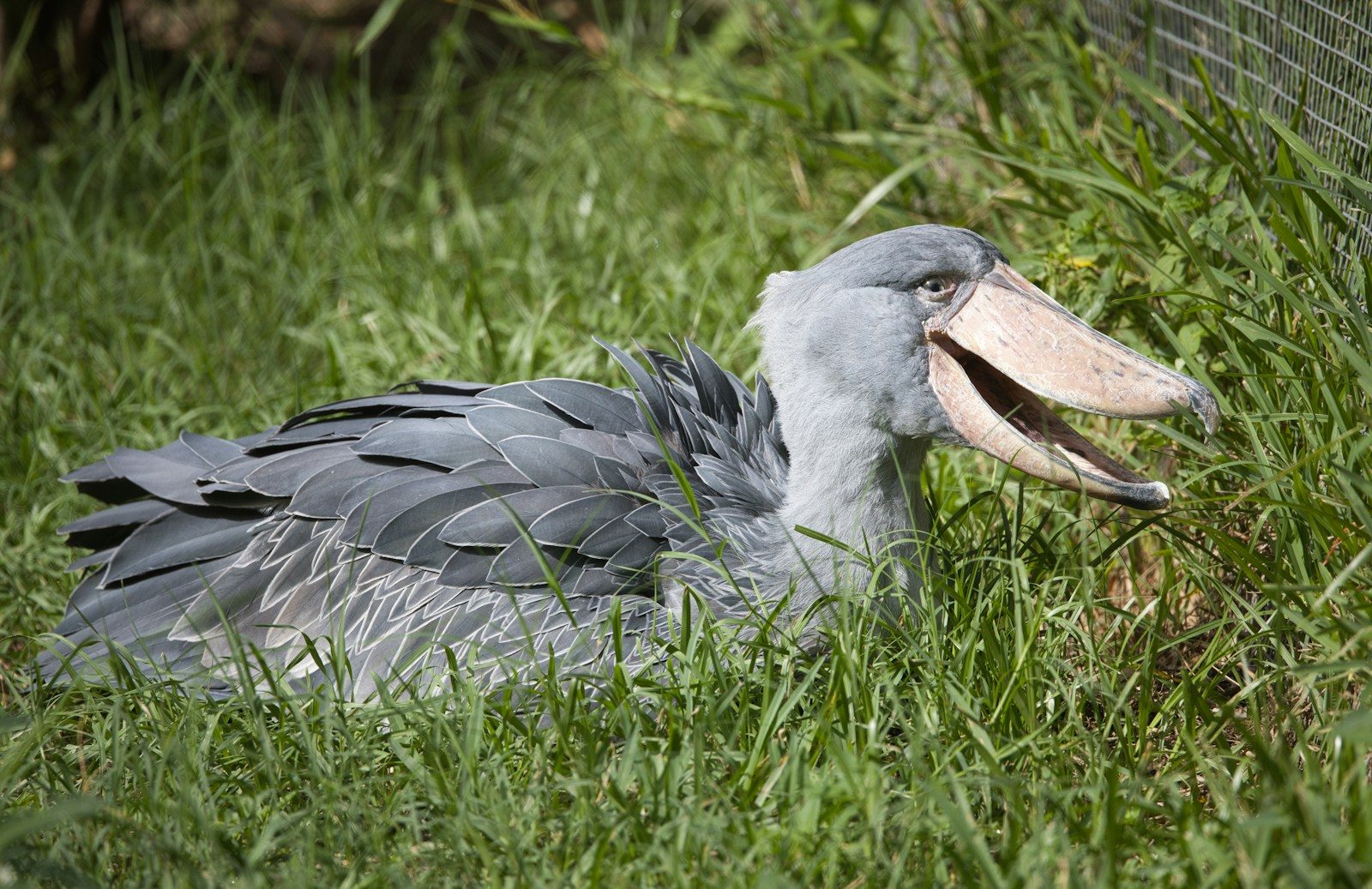
Deep in the swamps of Africa lives one of the most unusual birds on Earth. At first glance, it looks like something out of prehistoric times, a creature more at home among dinosaurs than modern wildlife. Known as the shoebill, this towering bird has earned a reputation for its strange appearance, eerie behavior, and surprisingly brutal hunting style.
Despite being a bird, the shoebill behaves in ways that feel closer to a reptile, and its presence in the wetlands is both fascinating and unsettling.
A Living Relic of the Swamps
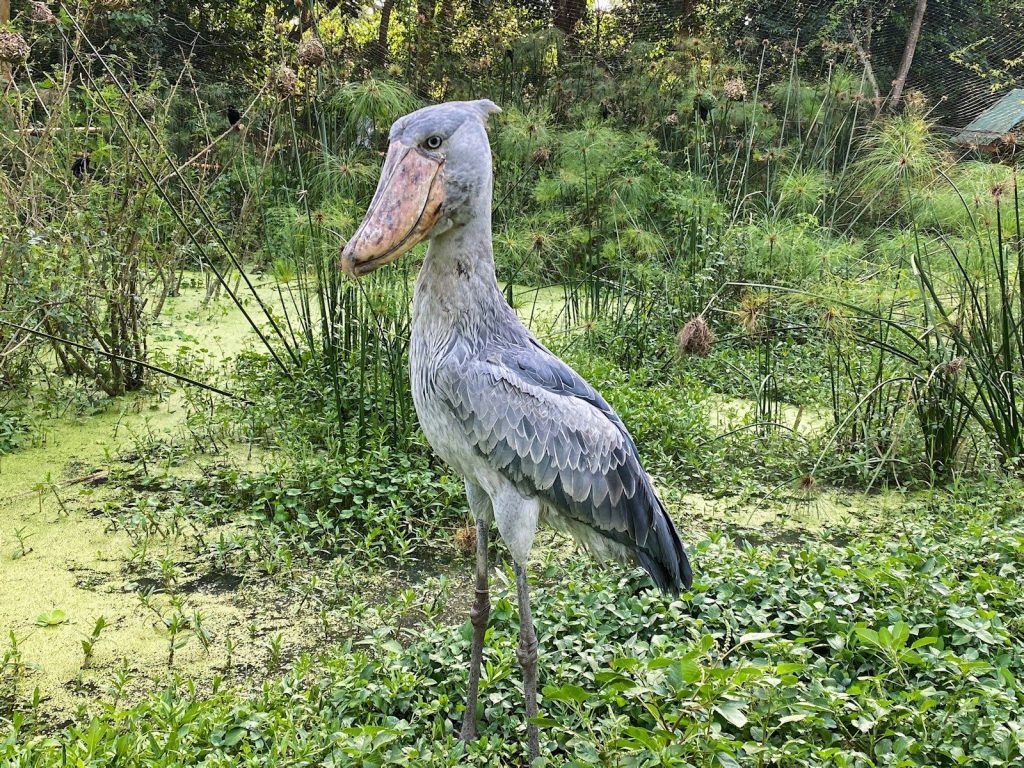
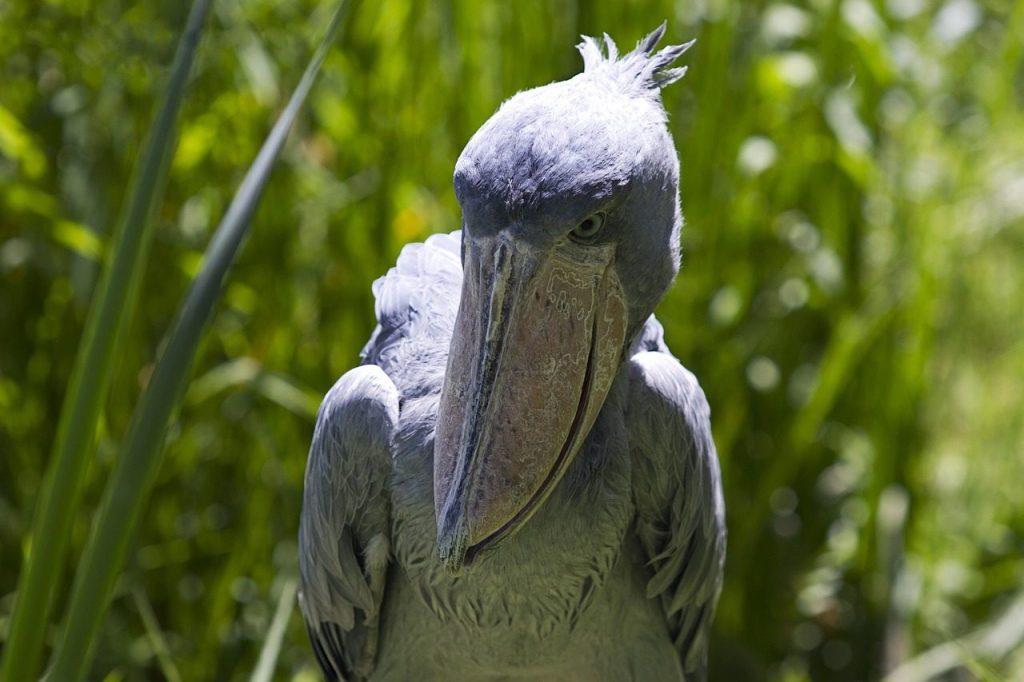
Shoebills stand over five feet tall, making them one of the largest bird species in the world. Their wingspan is massive, their posture is rigid, and their stare is famously intense.
The most striking feature is their enormous bill, shaped like a wooden clog. It is sharp, heavy, and powerful enough to grip and crush struggling prey with precision.
Everything about the shoebill’s appearance gives it an ancient, almost prehistoric feel, as if it has survived unchanged from a distant era.
Stillness Is Its Greatest Weapon
Unlike many active hunters, shoebills rely on patience rather than speed. They often remain completely motionless for long periods, standing in shallow water while waiting for prey to come within striking distance.
This hunting strategy makes them incredibly efficient ambush predators. When the moment comes, the strike is sudden and decisive.
Their stillness is not laziness but strategy, allowing them to conserve energy while maximizing hunting success in slow-moving wetlands.
A Strike Built for Survival
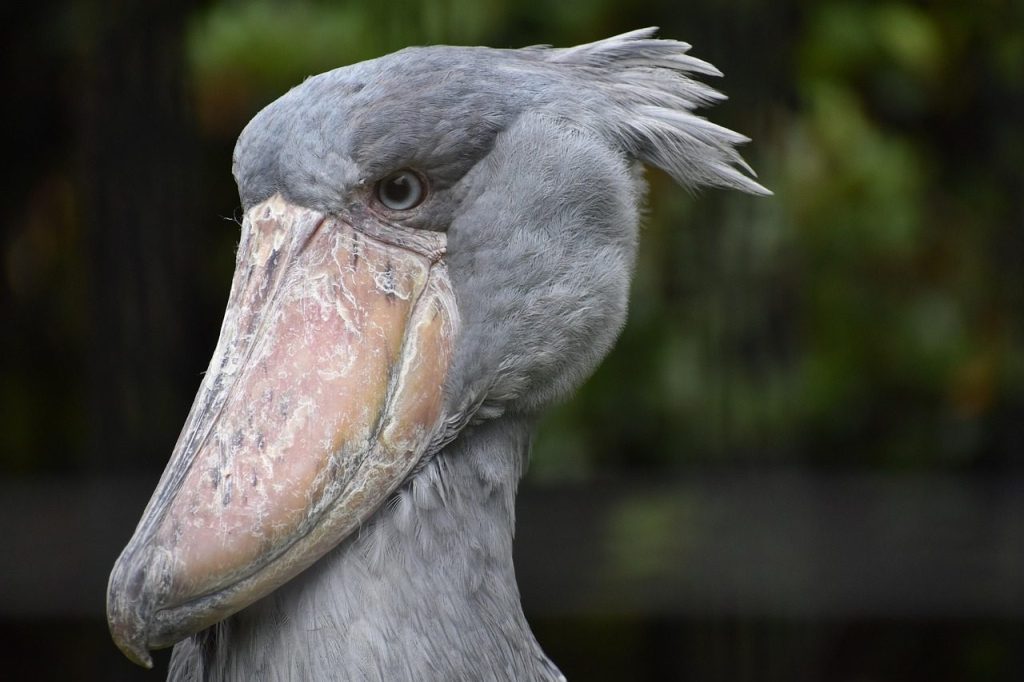
When a shoebill attacks, it does so with incredible force. Its massive bill snaps shut like a trap, capable of catching fish, amphibians, and even small reptiles.
Their preferred prey includes lungfish and bichirs, ancient fish that can survive in low-oxygen water and even breathe air. These species are difficult to catch, but shoebills are well adapted to hunting them.
In rare cases, shoebills have been observed taking on surprisingly large or dangerous prey, including baby crocodiles.
This powerful feeding behavior has helped them survive in harsh, competitive wetland environments.
The Machine Gun Sound of the Swamp
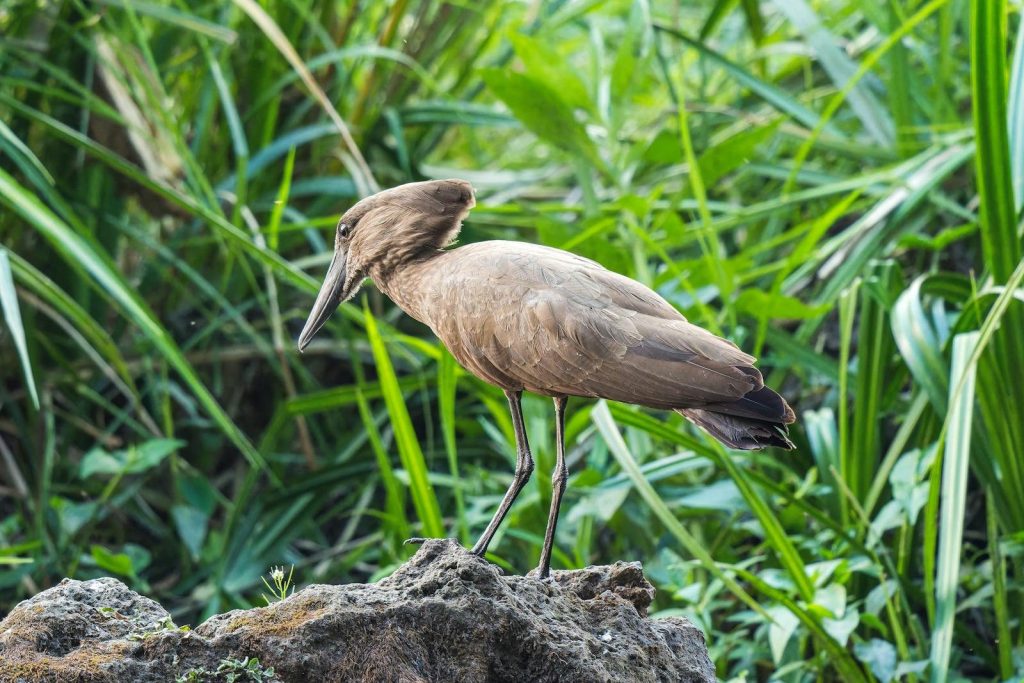
One of the shoebill’s most unusual traits is its vocal behavior. Instead of typical bird calls, it produces a rapid clattering sound by snapping its bill together at high speed.
This noise has been compared to a machine gun firing across the swamp. It can echo through the wetlands, startling both prey and observers alike.
Scientists believe this bill clattering is used for communication, including greetings between individuals or signals during social interactions.
While it may sound alarming, it plays an important role in shoebill behavior.
A Predator That Feels Out of Time
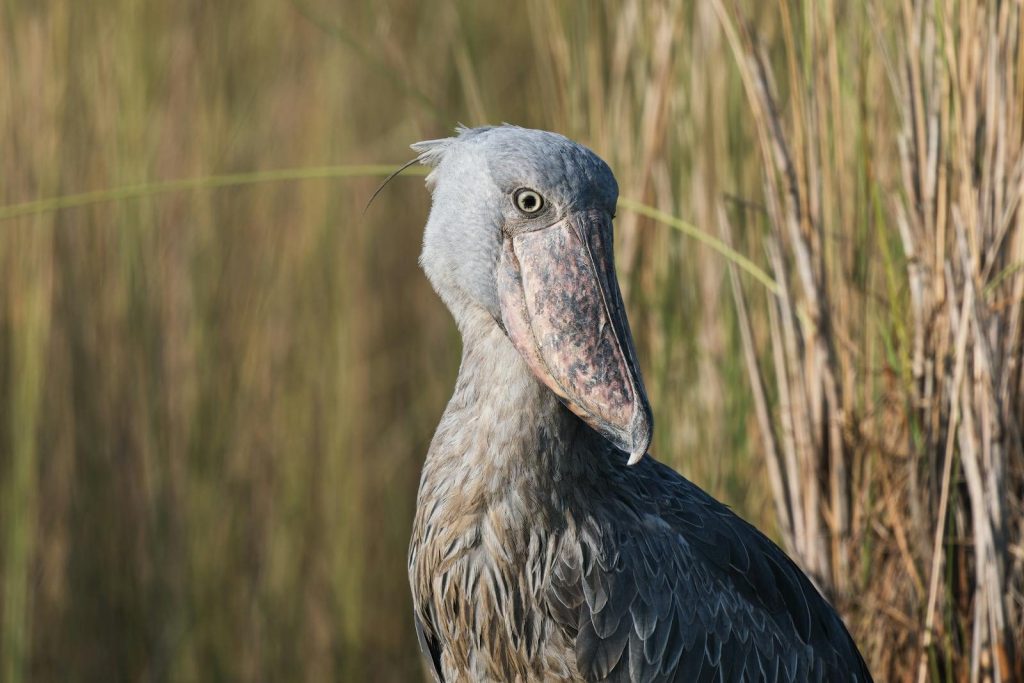
The shoebill’s combination of size, hunting style, and behavior has led many to describe it as a “living dinosaur.” While it is very much a modern bird, its features reflect adaptations that feel ancient and primal.
Its slow movements, sudden strikes, and intense stillness all contribute to its reputation as one of the most intimidating birds in the world.
In the quiet swamps where it lives, the shoebill stands as a reminder of how strange and powerful evolution can be.