Europe’s wolves are a conservation success story and a source of serious local conflict at the same time. Their populations have expanded substantially after decades of legal protection and habitat recovery.
That recovery has increased encounters with livestock farmers. Human attacks remain extremely rare, but predation on sheep and other domestic animals creates real economic and emotional costs.
Europe Has About 23,000 Wolves

European Commission data estimate roughly 23,000 wolves across Europe in 2023, about 35 percent more than in 2016. Wolf presence covered around 2.2 million square kilometres, although changes in monitoring methods account for part of the apparent increase.
Human Attacks Are Very Rare

The European Commission describes wolf aggression toward humans as very rare and reports no fatal wolf attack recorded in twenty-first-century Europe. That does not mean people should approach wolves, especially animals behaving unusually or adults with young.
Livestock Losses Are Real

EU member-state information indicates wolves kill at least about 65,500 livestock animals annually, with sheep and goats making up most reported losses. Damage is highly uneven, meaning some farming communities experience substantial local pressure even though losses represent a tiny percentage of Europe’s total livestock.
Protection Helped Them Return
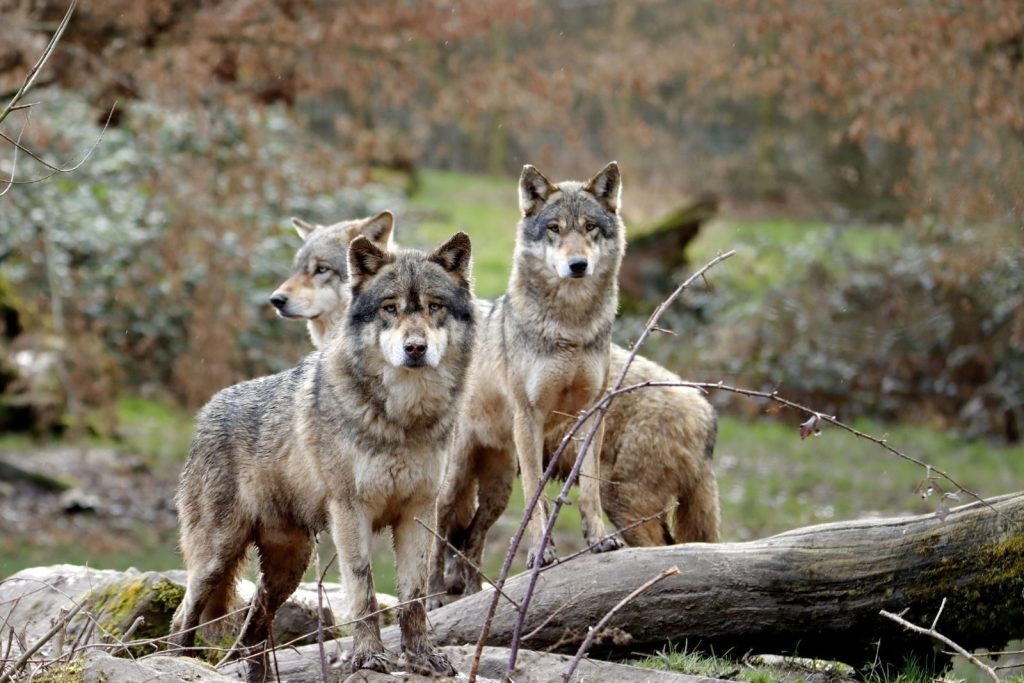
Wolf recovery followed decades of stronger wildlife laws, improving habitat, changing public attitudes, and the return of prey in many landscapes. Their expansion across mainland Europe shows that large predators can persist close to densely populated human regions when persecution falls.
Legal Protection Changed in 2025

EU legislation changed in July 2025 to give member states more flexibility in wolf management. Wolves moved from “strictly protected” to “protected” status under the relevant Habitats Directive provisions, but countries must still maintain favourable conservation status and may keep stronger national protection.
Protection Does Not Mean No Control
The legal change allows more adaptable regional management, potentially including regulated removal where justified. It does not turn wolves into unprotected animals that can be killed freely. National rules and conservation requirements still govern what management actions are lawful.
Farmers Have Practical Options

Electric fencing, livestock guardian dogs, shepherding, secure night enclosures, carcass management, compensation, and rapid-response programs can reduce conflict. No method is perfect, and solutions need to reflect terrain, herd type, cost, and the local size of wolf populations.
Threat and Threatened Can Coexist
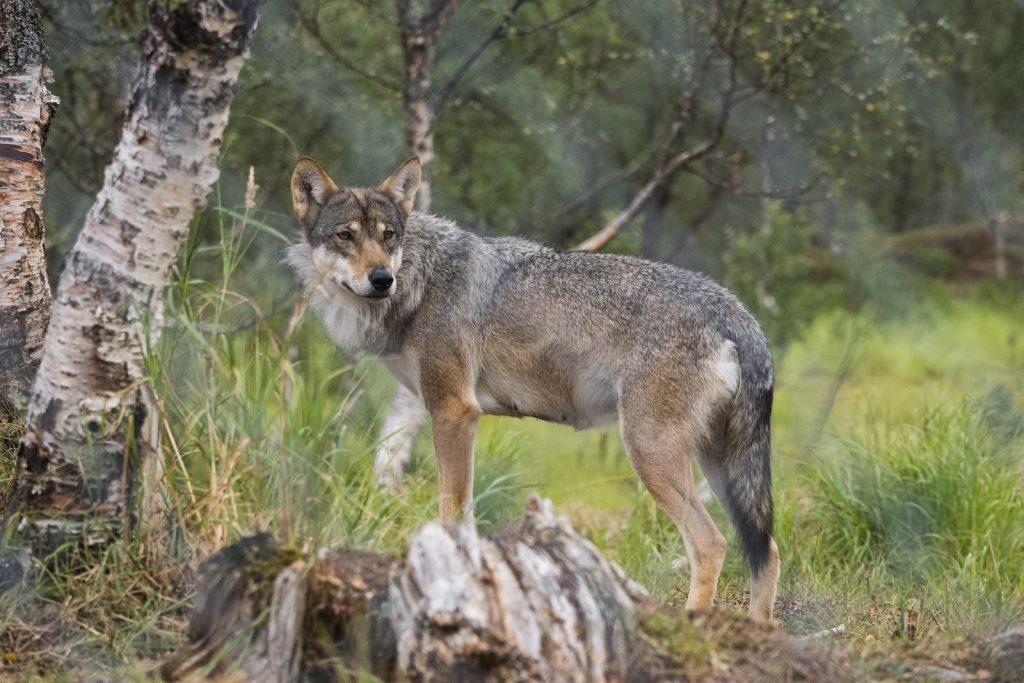
Wolves are not a major physical threat to ordinary Europeans, but they can threaten individual livestock businesses. At the same time, continued conservation remains necessary in some populations. Effective policy has to acknowledge both realities rather than describing wolves as either harmless icons or monsters.
Featured Image: Photo by Leon Aschemann on Pexels