Skip to content

Recent Posts

  • Measuring Intellect Nine of the Smartest Animals on Earth
  • How the First Wild Grizzly-Polar Bear Hybrid Started a New Lineage
  • The Secrets of the World’s Most Venomous Land Snake
  • The Sweet Story Behind the Smiling Quokka Caught Eating a Leaf
  • Nine Remarkable Animals That Can Go Days Without Normal Sleep

Most Used Categories

  • Nature & Wildlife (815)
  • Risk (105)
  • Human Interest (73)
  • Bees/Swarms fear (40)
  • Hunting (36)
  • Exotic Animals (36)
  • Survival (29)
  • Suspense (21)
  • Adventure (3)
  • Gears (2)
Skip to content
  • About Us
  • Contact Us
  • Disclaimer
  • Privacy Policy
  • Terms & Conditions

Hive Hunters Tales

  • Suspense
  • Nature & Wildlife
  • Human Interest
  • Hunting
  • Bees/Swarms fear
  • Exotic Animals
  • Risk
  • Survival
  • Adventure
  • Gears
  • Home
  • Nature & Wildlife
  • 8 Animals Called Useless That Actually Matter
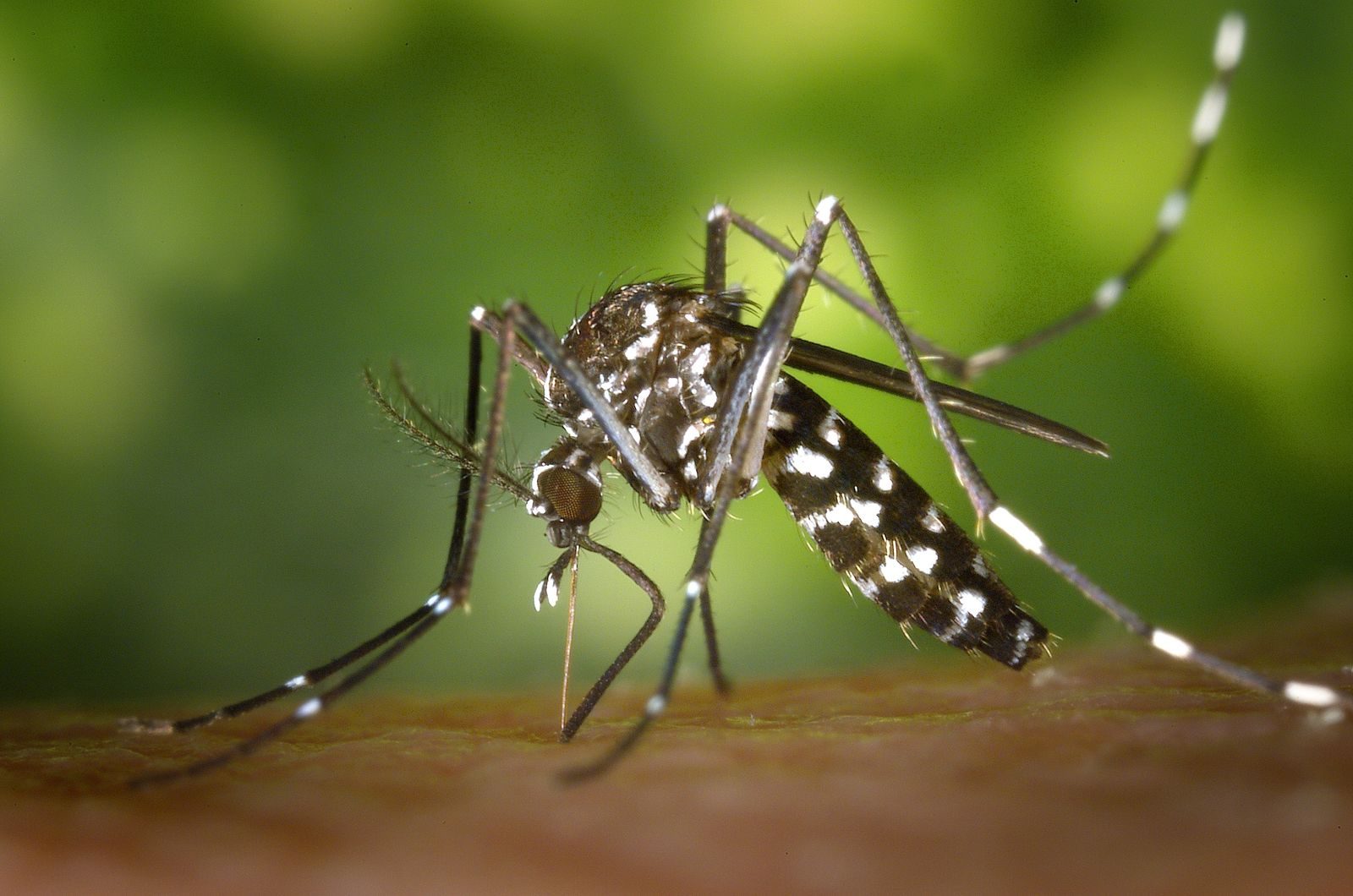
Detailed macro capture of Aedes albopictus mosquito on human skin.

8 Animals Called Useless That Actually Matter

JakeAugust 25, 2026August 25, 2026

Science does not recognise “useless animals.” A species does not need to benefit humans directly to justify its existence, and many animals mocked as lazy, ugly or annoying perform ecological jobs that are easy to overlook.

These examples show how apparently unimportant species can move nutrients, create habitat, control populations or support entire food webs.

Vultures Remove Carcasses
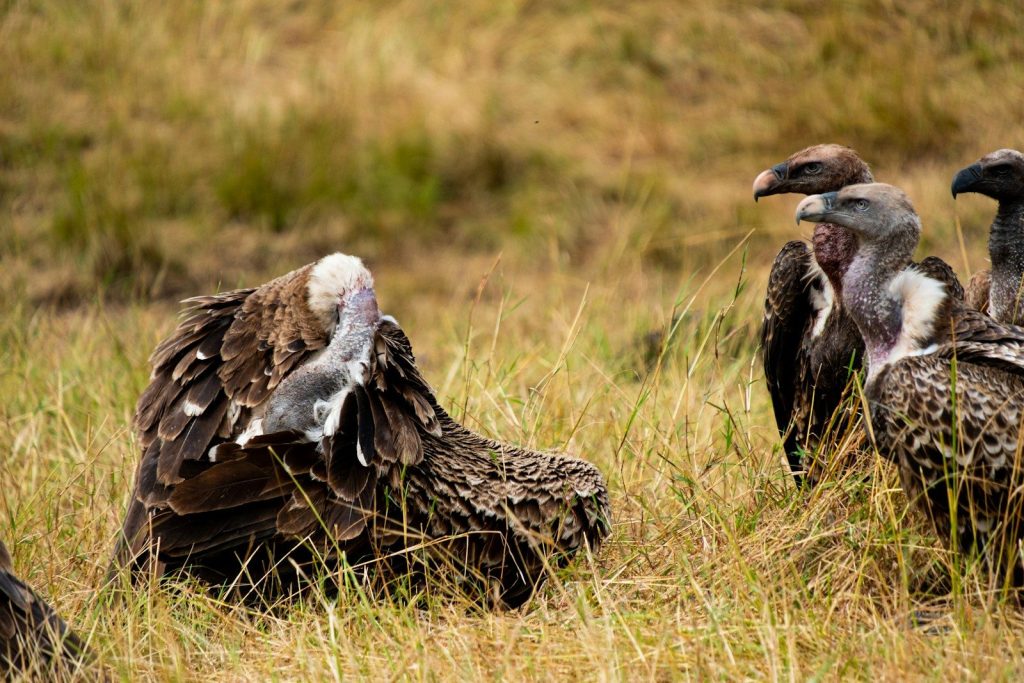
a group of birds in a grassy field
Photo by MASSIMO FRASCATI on Unsplash

Vultures consume dead animals rapidly, returning nutrients to ecosystems while reducing the time carcasses remain available to other scavengers. Their extremely acidic digestive systems can destroy many harmful microbes. Where vulture populations collapse, carcasses persist longer and other scavenging animals may increase.

Dung Beetles Recycle Waste

Close-up shot of dung beetles rolling a ball of dung on a sandy surface in a natural setting.
Photo by Tom Christensen on Pexels

Dung beetles bury or consume animal manure instead of allowing it to accumulate on the surface. Their activity returns nutrients to soil, reduces breeding habitat for some pest flies and can improve water infiltration. What looks like an animal living in waste is actually an important recycling system.

Beavers Build Habitat

A cute and curious North American beaver sitting by the water's edge in its natural habitat.
Photo by Andrew Patrick Photo on Pexels

Beavers cut trees and build dams that slow flowing water. Their engineering can create ponds and wetlands used by fish, amphibians, birds, insects and mammals. Beaver wetlands may also hold water during dry conditions, showing how one rodent can reshape an entire local ecosystem.

Prairie Dogs Change Grasslands

Gunnison's prairie dog standing alert in a Wyoming grassland, captured on a sunny day.
Photo by Vasilis Karkalas on Pexels

Prairie dogs dig extensive burrow systems that aerate soil and create underground shelter later used by other wildlife. Their colonies also provide prey for predators including black-footed ferrets, badgers and raptors. Removing prairie dogs can therefore affect many species beyond the rodents themselves.

Mosquitoes Feed Wildlife
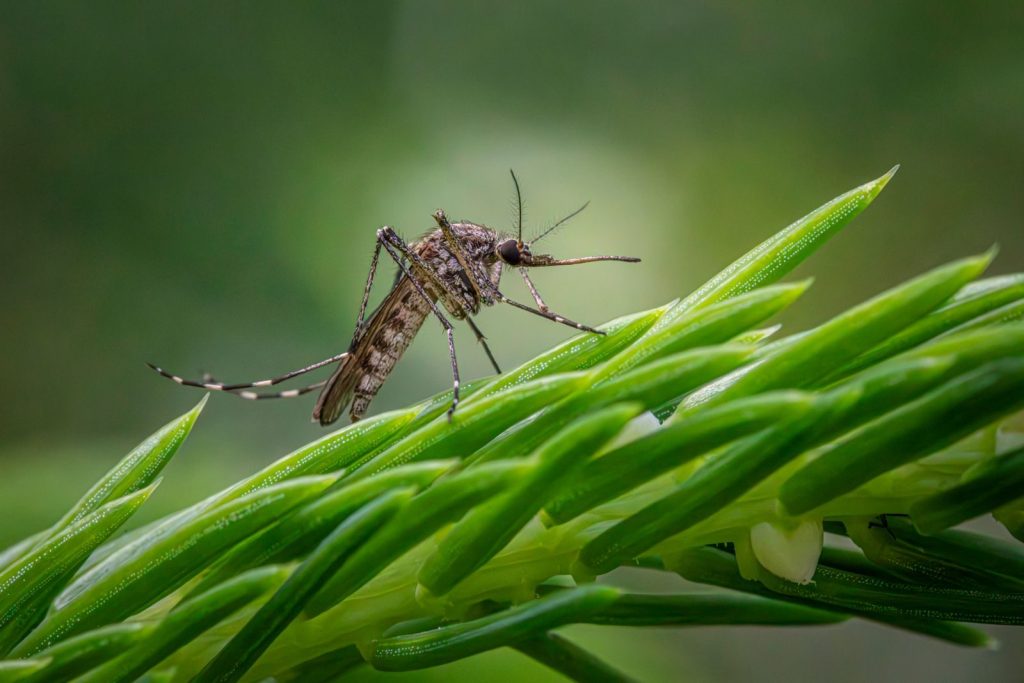
Detailed macro shot of a Southern Saltmarsh Mosquito perched on a green plant stem.
Photo by Erik Karits on Pexels

Mosquitoes can spread serious human diseases, but that does not make every species ecologically meaningless. Adults and larvae become food for fish, insects, spiders, birds and bats, while some adult mosquitoes also visit flowers and move pollen. Their ecological role does not reduce the need for disease control.

Sloths Support Tiny Ecosystems

A pair of sloths hanging upside down in dense jungle foliage, showcasing wildlife grace.
Photo by Jean Paul Montanaro on Pexels

Sloth fur can host algae, moths and other organisms, creating a small ecosystem on the animal’s body. Sloths also consume leaves and return nutrients through waste. Their slow movement is not failed evolution; it is an energy-saving strategy suited to a low-calorie diet.

Sharks Shape Food Webs

Stunning underwater shot of tiger sharks swimming among fish in the ocean depths.
Photo by adiprayogo liemena on Pexels

People once treated many sharks as pests, yet large sharks influence prey behavior and abundance. Removing top predators can change how other animals use habitat and may produce effects that spread through marine food webs. Their value extends far beyond whether humans directly use them.

Every Species Has a History

Baboons and antelopes at a waterhole in a natural habitat, showcasing African wildlife interaction.
Photo by Timon Cornelissen on Pexels

Some animals have obvious ecological roles, while others remain poorly studied. Calling a species useless simply because people have not discovered its function confuses human knowledge with biological value. Every surviving species represents an evolutionary lineage shaped by millions of years of natural selection.

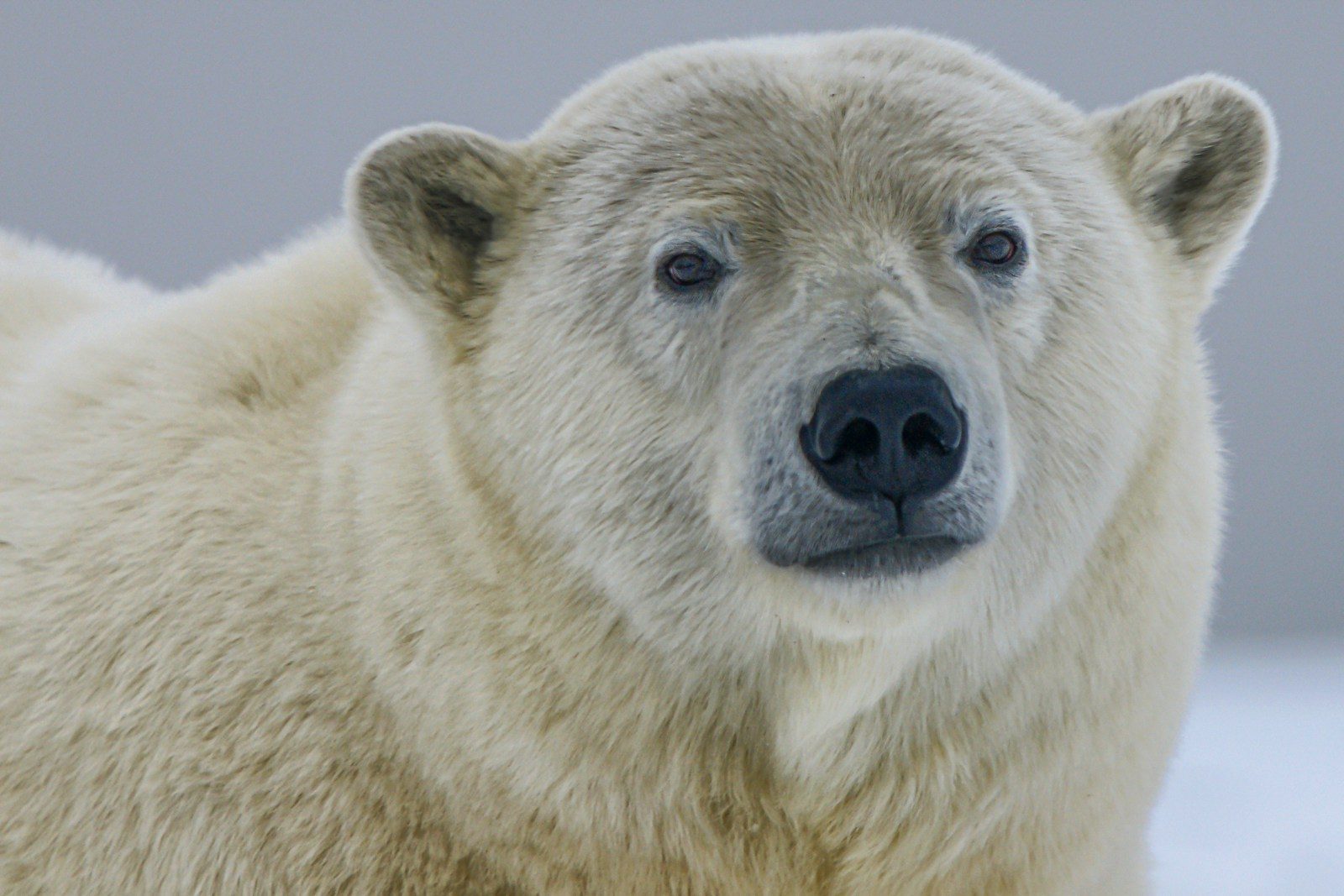
Featured Image: Photo by Pixabay on Pexels

Post navigation

Previous: Wolves Are Thriving in Europe, but Tensions Are Growing
Next: Animals With Some of Nature’s Biggest Appetites

Related Posts

A chimpanzee with its young, captured in a sunlit outdoor setting, displaying natural behavior.

Measuring Intellect Nine of the Smartest Animals on Earth

August 26, 2026August 25, 2026 Jake
white polar bear in close up photography

How the First Wild Grizzly-Polar Bear Hybrid Started a New Lineage

August 26, 2026August 25, 2026 Jake
a couple of dolphins swimming in a pool

Nine Remarkable Animals That Can Go Days Without Normal Sleep

August 26, 2026August 25, 2026 Jake

Leave a Reply Cancel reply

Your email address will not be published. Required fields are marked *

Recent Posts

  • Measuring Intellect Nine of the Smartest Animals on Earth
  • How the First Wild Grizzly-Polar Bear Hybrid Started a New Lineage
  • The Secrets of the World’s Most Venomous Land Snake
  • The Sweet Story Behind the Smiling Quokka Caught Eating a Leaf
  • Nine Remarkable Animals That Can Go Days Without Normal Sleep
Copyright All Rights Reserved | Theme: BlockWP by Candid Themes.