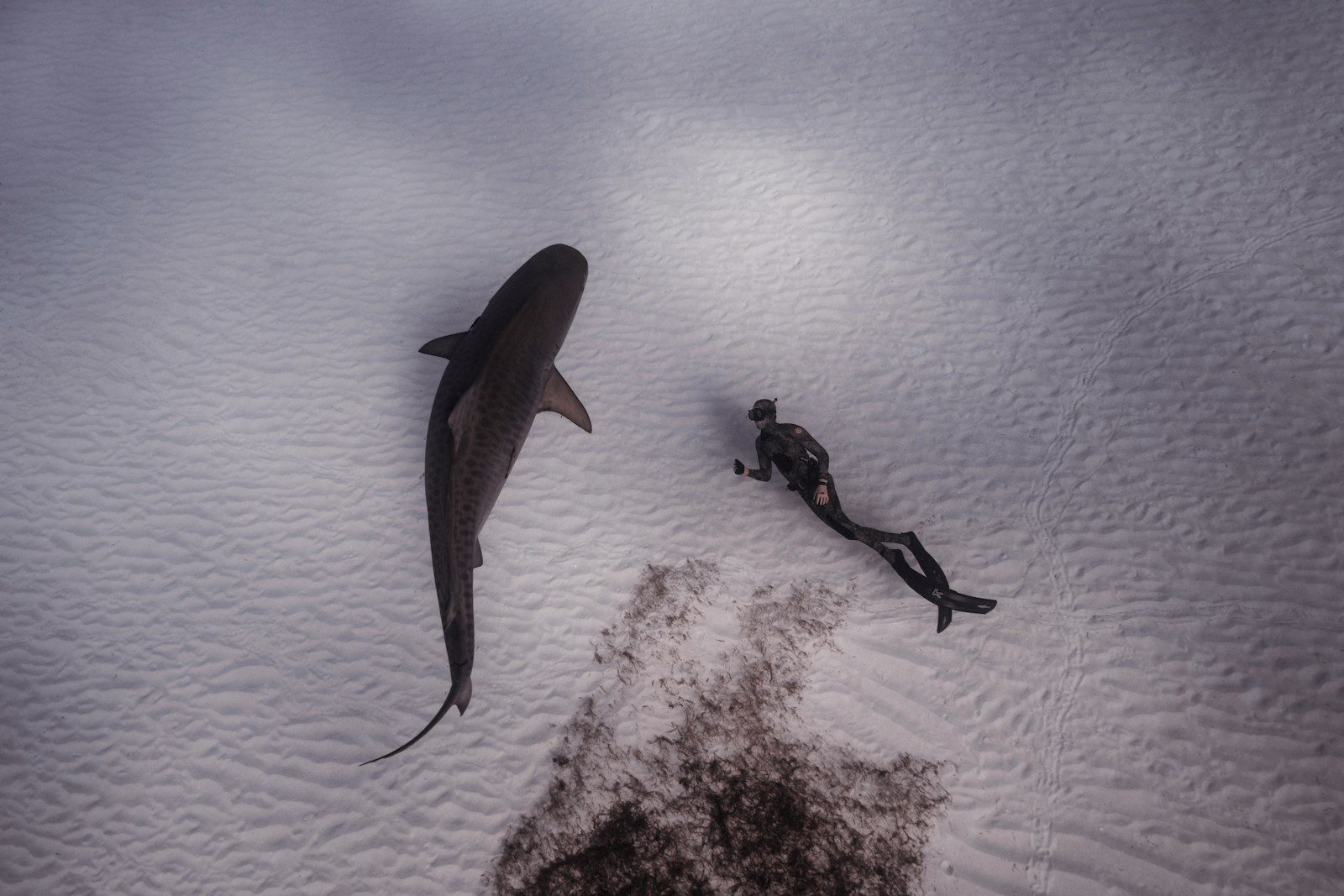
The phrase “killer shark” is misleading because sharks are wild predators, not animals defined by a desire to kill humans. I could not independently authenticate a specific viral clip matching every detail in the supplied headline. What can be verified is that shark-bite researchers classify incidents caused by people touching, harassing, feeding, unhooking, or otherwise initiating contact differently from genuinely unprovoked bites.
That distinction matters for divers. A shark swimming calmly nearby has not consented to being touched, and deliberately closing the distance removes part of the safety margin between a person and an unpredictable wild animal. Shark bites remain extremely rare worldwide, but the safest encounter is usually one in which the diver observes without reaching toward the animal, chasing it, feeding it, or blocking its movement.
Viral Claim

Videos showing divers close to sharks are frequently reposted with captions that add motives, species identifications, or outcomes not visible in the footage. Without the original recording, location, diver, and reliable reporting, it is unsafe to claim that one particular shark “turned killer” after somebody tried to pet it. The broader lesson does not require invented details. The International Shark Attack File explicitly treats bites following attempted touching or other deliberate human interaction as provoked incidents because the person initiated contact with the shark.
Wild Sharks

A shark encountered underwater is a wild animal making decisions based on its surroundings, previous experiences, feeding opportunities, and perceived threats. Even experienced divers cannot guarantee how an individual will respond to sudden contact. Some sharks may tolerate a close approach, while another may turn away, investigate, or defend itself. A calm approach is therefore not proof that touching is safe. Responsible wildlife viewing keeps human curiosity from becoming a disturbance and reduces unnecessary risk to both diver and animal.
Touching Risk
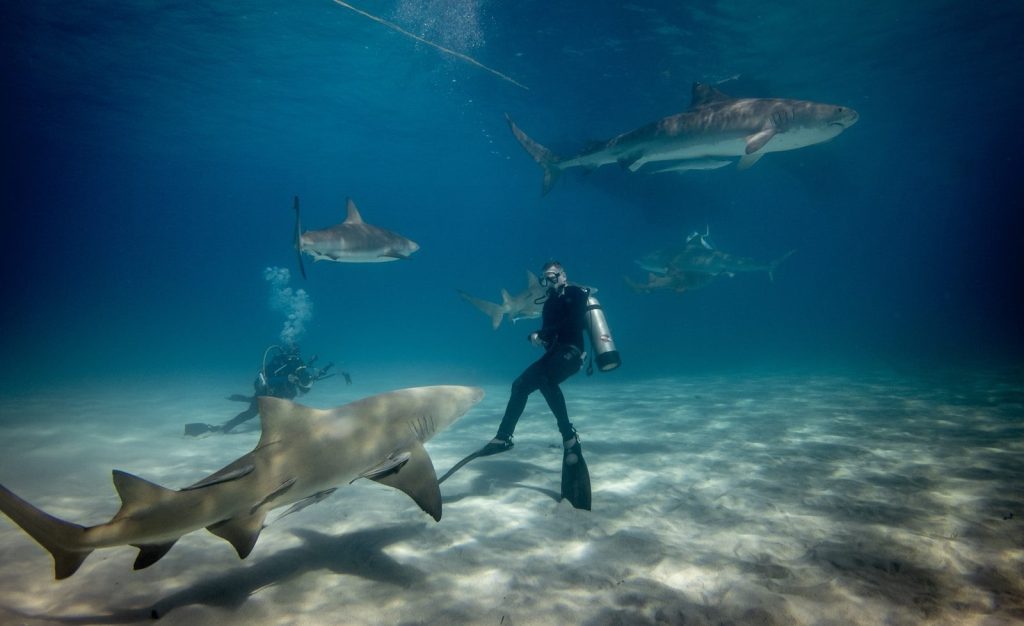
The International Shark Attack File specifically includes attempts to touch sharks among examples of provoked bite circumstances. From the shark’s perspective, a hand reaching toward its head, body, or tail can be an unfamiliar stimulus or physical threat. Even a defensive bite can produce severe injury because shark teeth are designed to grip or cut prey. The sensible rule is simple: being close enough to touch a wild shark does not mean touching it is necessary, useful, or safe.
Shark Bites

The overall chance of a shark bite remains very low. The International Shark Attack File recorded 65 unprovoked bites worldwide in 2025, close to the recent average, despite enormous numbers of people entering oceans each year. Nine of those incidents were fatal. Those figures deserve perspective rather than panic. Sharks are capable of serious injury, but attacks are uncommon. Avoiding unnecessary contact is therefore not about portraying sharks as monsters; it is straightforward risk reduction around a powerful wild predator.
Provoked Bites

Researchers separate provoked and unprovoked incidents because the circumstances matter. Handling a hooked shark, attempting to remove one from a net, feeding sharks, spearfishing around them, or deliberately touching an animal can change its behavior before a bite occurs. A defensive response in that situation should not be described the same way as a shark approaching and biting a person who had not interacted with it. Accurate classification prevents dramatic videos from exaggerating normal shark danger to swimmers and divers.
Spearfishing Risk
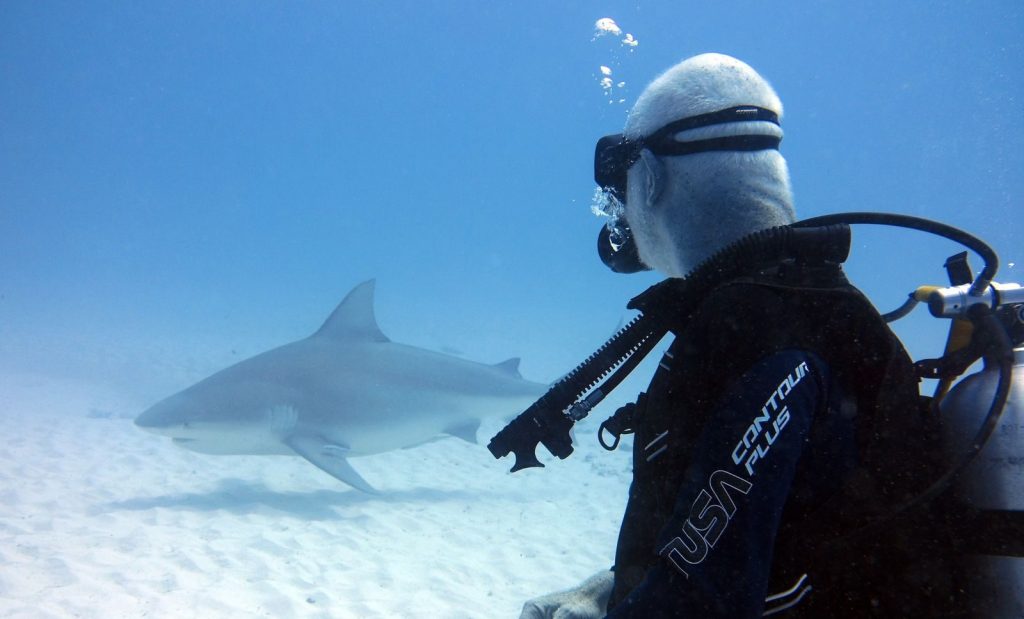
Divers carrying freshly speared fish face a different situation from recreational observers. The International Shark Attack File warns that blood, struggling fish, and vibrations can attract sharks, and many spearfishing incidents involve sharks investigating or attempting to take the catch. If a shark becomes interested in a speared fish, guidance recommends releasing the catch and leaving calmly rather than fighting to keep it. No fish is worth turning a feeding opportunity into close physical competition with a shark.
Safe Diving

Responsible diving means giving wildlife room to choose its own direction of travel. NOAA’s broader marine wildlife guidance emphasizes observing animals from a safe, respectful distance and keeping hands off wild creatures. Shark-specific advice likewise encourages divers to remain aware of their surroundings and avoid situations that increase feeding or defensive responses. A good underwater encounter does not require physical contact. Photographs, observation, and calm behavior can provide a memorable experience without placing hands close to teeth or interfering with the animal.
Respecting Sharks
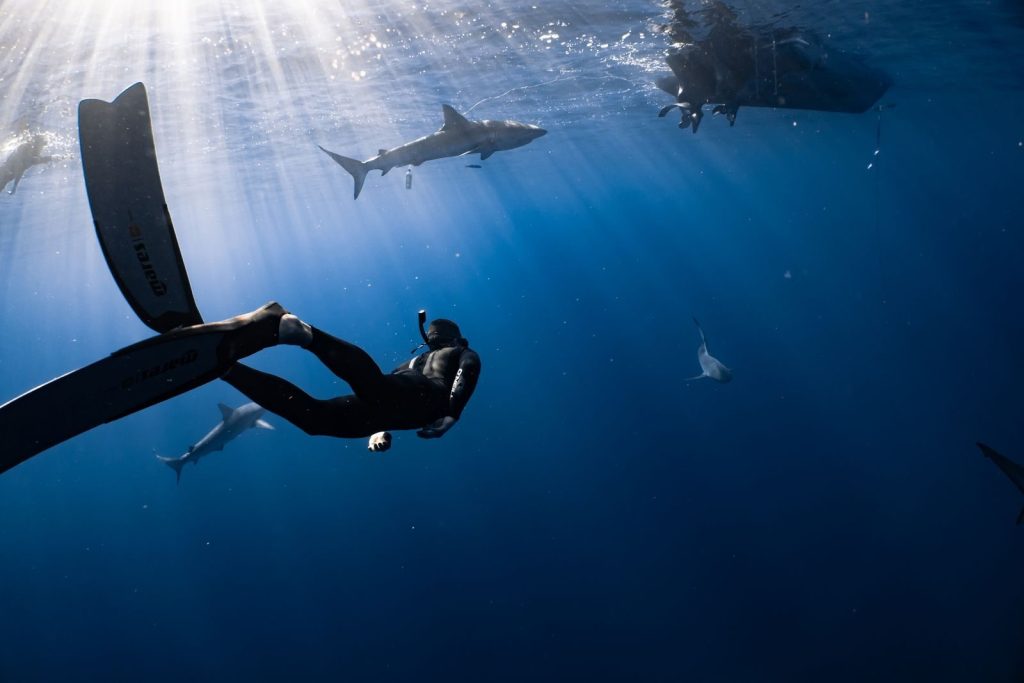
The strongest correction to the original headline is that a shark does not become a “killer” simply because a diver makes a poor decision around it. Sharks deserve the same basic respect given to other large wildlife. Keep distance, avoid feeding and touching, do not corner an animal, and let it leave freely. These precautions reduce bite risk while also avoiding the false message that dangerous encounters prove sharks routinely seek human prey. Most encounters end without a bite when people and sharks share water.
Featured Image: Photo by Michael Worden on Unsplash