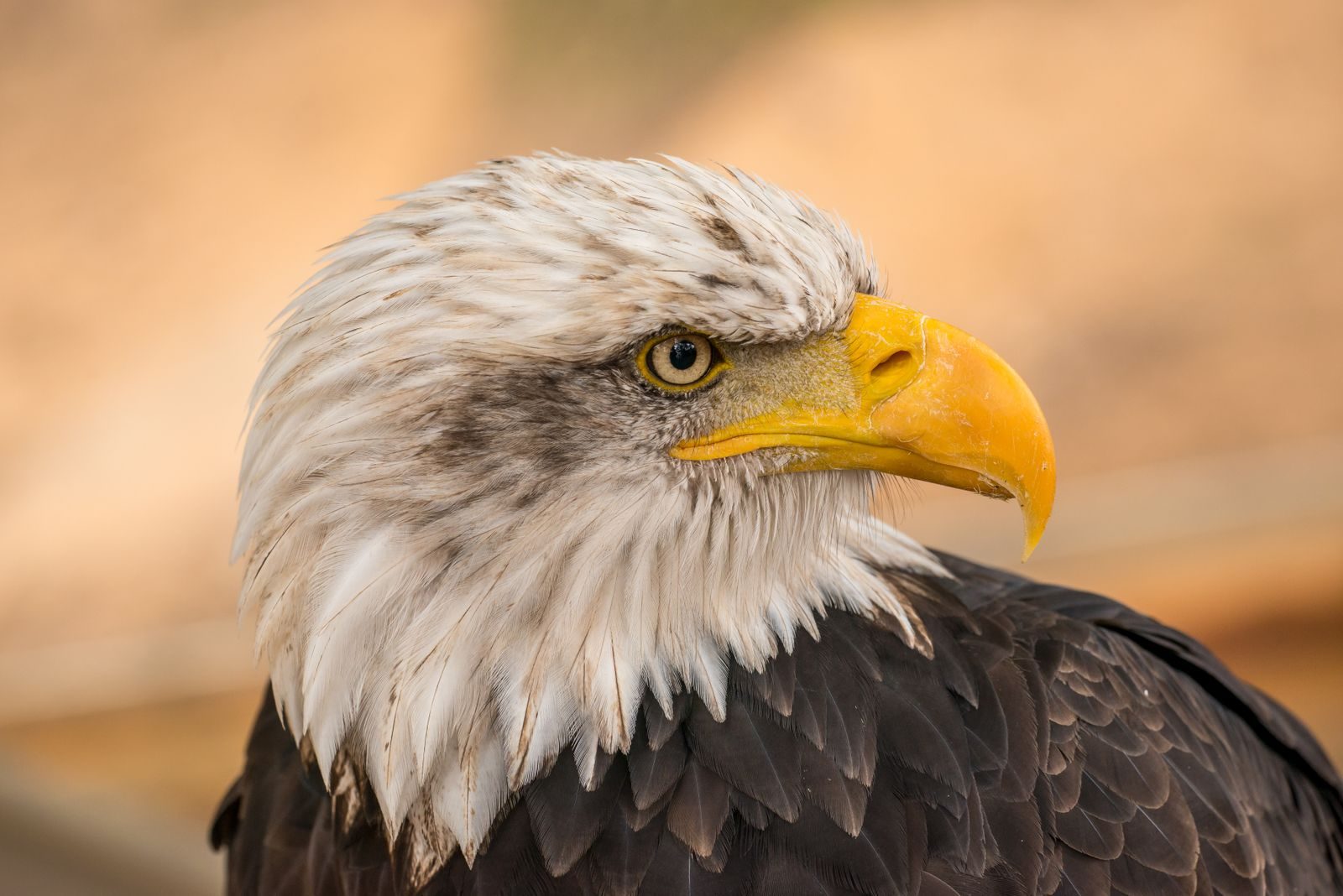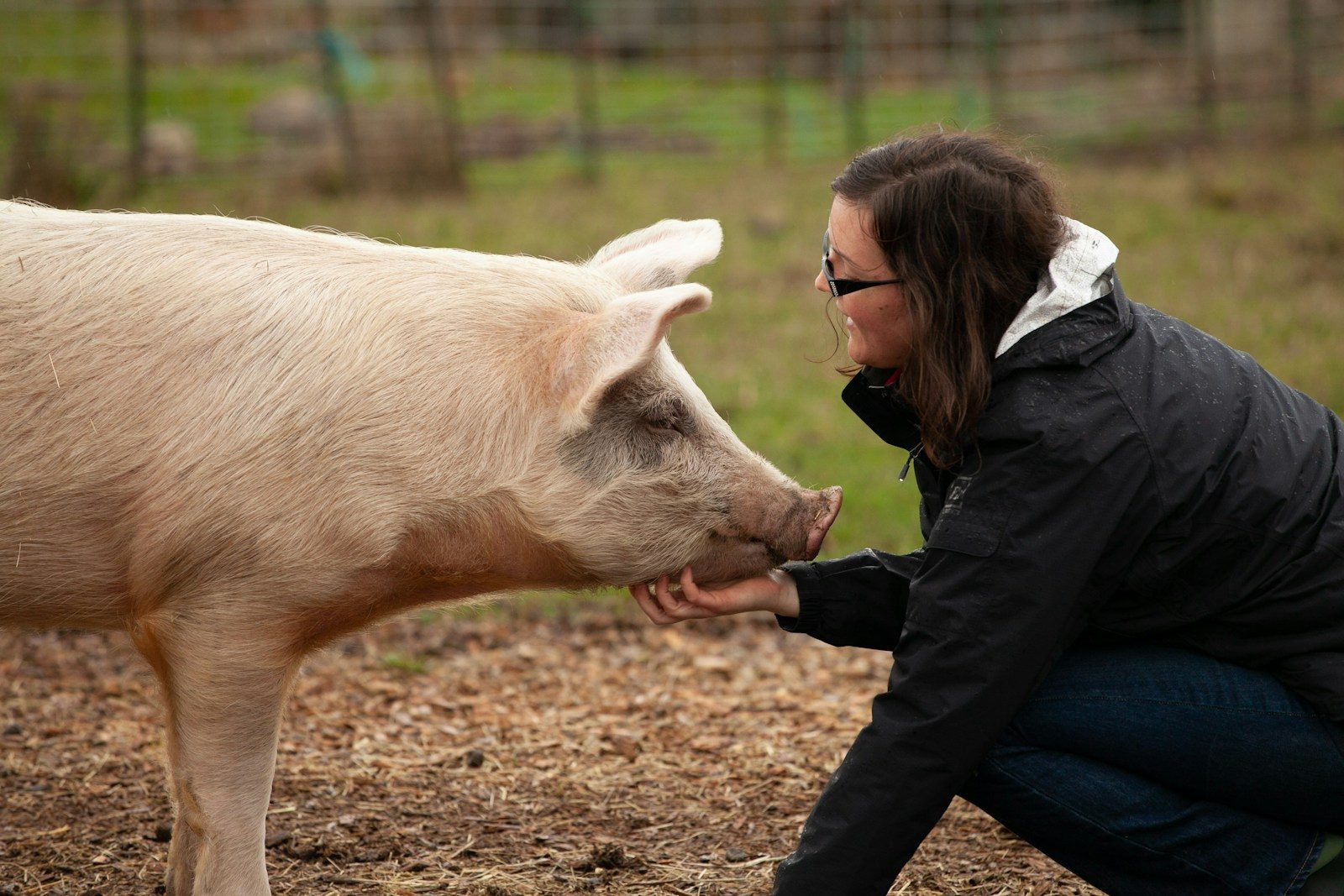
In Luther, Oklahoma, Oliver and Friends Farm Sanctuary gives rescued farm animals a permanent place to live when returning to ordinary agricultural settings is not appropriate. The nonprofit says it rescues, rehabilitates, and provides lifelong homes for many animals, while sometimes arranging carefully screened private adoptions. Its residents include familiar farm species as well as several companion animals needing ongoing care.
The sanctuary also uses public visits and educational programs to encourage more compassionate treatment of animals. Rather than presenting residents as attractions, its stated mission centers on rescue, rehabilitation, lifelong care, and helping visitors see individual animals differently. The result is a rural Oklahoma refuge where cows, pigs, goats, birds, and other rescued animals can receive ongoing support, shelter, and attention.
Oliver and Friends

Oliver and Friends is a registered nonprofit farm animal rescue and sanctuary in Luther, Oklahoma. Its official site says the organization provides rescue, rehabilitation, and lifelong sanctuary while occasionally placing suitable animals in approved private homes. That distinction matters because a sanctuary is not simply a petting farm or temporary holding area. Many residents may require long-term housing, individualized care, or protection from situations they cannot safely return to, making permanence a central part of the organization’s work over time.
Rescued Residents

The sanctuary’s resident list shows how varied farm-animal rescue can be. Oliver and Friends says it provides sanctuary to cows, pigs, sheep, goats, horses, donkeys, chickens, turkeys, ducks, llamas, and rabbits, along with dogs and cats. Caring for such a mixed population requires different housing, diets, enrichment, veterinary planning, and social arrangements. The range also gives visitors a broader view of the kinds of domestic animals that may need rescue, rehabilitation, or lifelong placement across changing seasons too.
Lifelong Homes
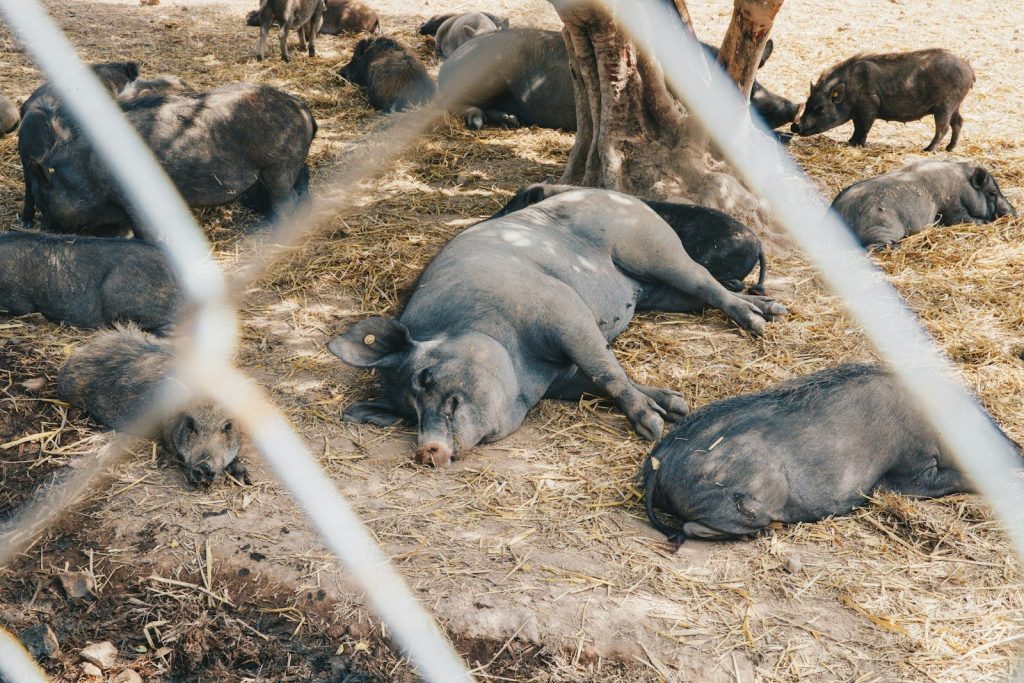
Oliver and Friends says some animals remain at the sanctuary for life, while others may eventually be adopted into approved homes. That approach reflects a basic reality of rescue work: not every animal has the same needs or the same safe destination. An individual may need permanent specialized care, while another may be suitable for a carefully screened placement. The organization presents lifelong sanctuary and selective adoption as complementary tools rather than treating every rescued animal as part of one identical pathway.
Rehabilitation Work

Rehabilitation is another part of the sanctuary’s stated mission. Animals arriving from difficult circumstances may need medical treatment, appropriate nutrition, safer housing, or time to adjust before any long-term plan is made. The sanctuary does not claim that every resident follows the same recovery story, and that is important. Responsible animal care is based on the condition and needs of the individual, not on forcing every rescue into a dramatic before-and-after narrative online for public attention.
Oklahoma Location

The sanctuary is located in central Oklahoma, roughly 40 minutes northeast of Oklahoma City, according to its own description. Its rural setting provides space for a collection of animals that would be difficult to house in an ordinary urban rescue. Location also shapes the organization’s identity: it operates in a state strongly associated with livestock agriculture while asking visitors to consider farm animals as individuals deserving care, safety, and long-term welfare rather than simply as agricultural units alone in the region.
Public Visits

Oliver and Friends opens its work to the public through fundraising events and visits. Its website currently advertises monthly public fundraising events, private tours, and group events by appointment. Those opportunities give people a way to see sanctuary residents while also learning about the organization’s mission. Because schedules and access rules can change, visitors should check the sanctuary’s current information before traveling rather than assuming that the property functions like a zoo with unrestricted daily admission hours and visitor requirements.
Animal Education
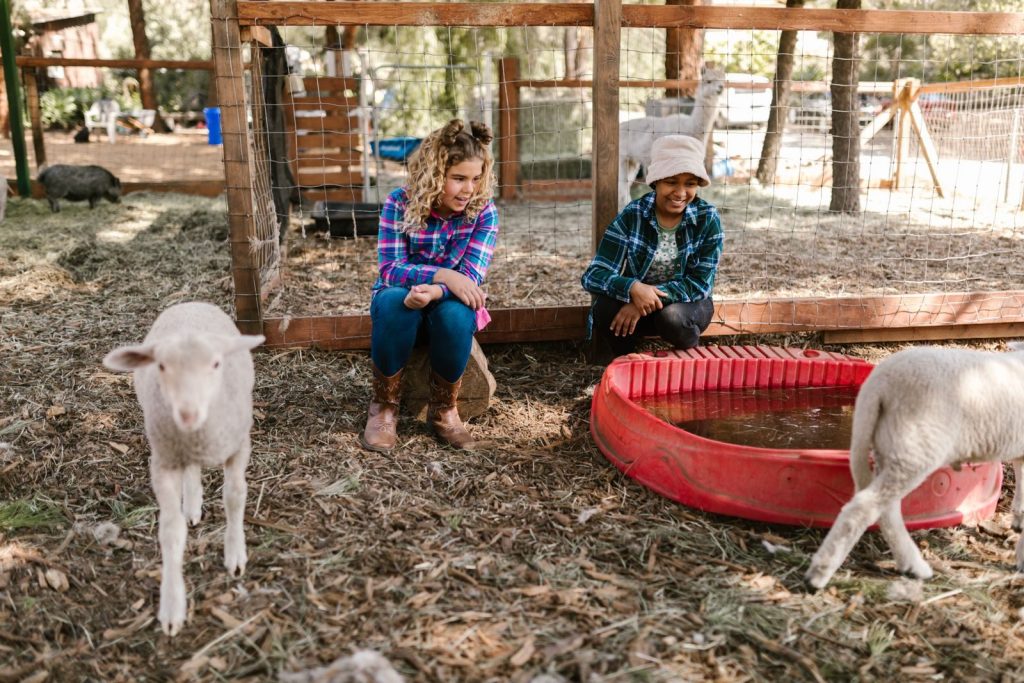
Education is built into the sanctuary’s public mission. Oliver and Friends says it advocates for animals and teaches about compassionate plant-based living, connecting day-to-day rescue work with a broader message about how society treats farm animals. Visitors do not need to adopt every part of that philosophy to understand the practical role of the sanctuary. Meeting rescued animals can create an opportunity to learn about welfare, rehabilitation, responsible ownership, and the long-term costs involved in caring for domestic animals responsibly.
Community Support

Sanctuaries depend on continuing support because rescued animals need food, bedding, housing maintenance, veterinary attention, and staff or volunteer time long after the dramatic moment of rescue has passed. Oliver and Friends actively seeks donations, sponsorships, volunteers, and other community support. That ongoing work is easy to overlook in feel-good rescue stories. Providing a safe haven is not a single event; it is a long-term commitment to meeting daily needs for every animal accepted into care there throughout their lives.