There is no universal scientific ranking of Earth’s most dangerous animals. Risk depends on what is being measured: deaths, venom, traumatic injury, allergic reactions, or disease transmission. A tiny disease vector can create far greater human harm worldwide than a powerful predator that only rarely encounters people in the wild.
This slideshow highlights nine animals with well-documented links to serious human harm, without pretending the order is scientifically definitive. Some transmit deadly infections, while others can inflict severe injuries during particular encounters. Exposure, location, behavior, prevention, and access to medical care all influence how dangerous any animal becomes in practice.
Mosquitoes
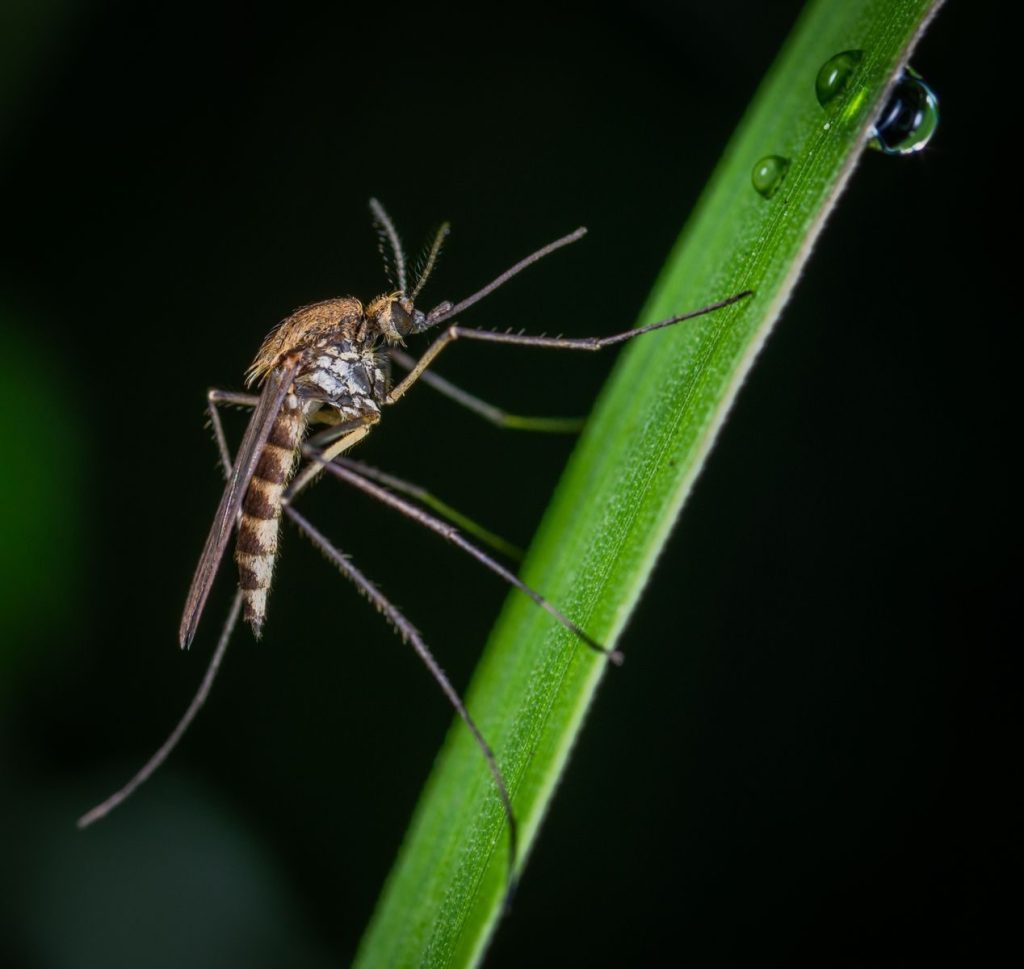
Mosquitoes cause enormous harm mainly by transmitting pathogens rather than through the bite itself. WHO estimated 282 million malaria cases and 610,000 malaria deaths in 2024. Mosquitoes also transmit dengue, yellow fever, lymphatic filariasis, and other diseases. Their impact shows why danger cannot be judged by body size or aggression alone. Prevention includes insecticide-treated nets, repellents, window screens, and other measures suited to local disease risk. Effective mosquito control saves lives.
Venomous Snakes

Venomous snakes create a major global health burden, although most snake species are not medically dangerous to people. WHO estimates about 5.4 million snakebites each year, producing 1.8 to 2.7 million envenomings and roughly 81,410 to 137,880 deaths. Survivors may experience amputations or other permanent disabilities. Risk is especially serious in rural communities where people work outdoors and rapid access to effective antivenom or hospital care may be limited.
Dogs

Most dogs are not dangerous to people, but dog-mediated rabies remains a major global health problem. CDC reported in 2025 that rabies kills about 70,000 people worldwide each year and that dogs cause 99 percent of human rabies deaths outside the United States. The risk comes mainly from infection after bites or scratches. Vaccinating dogs and providing prompt post-exposure treatment after a suspected rabies exposure can prevent many human deaths.
Freshwater Snails
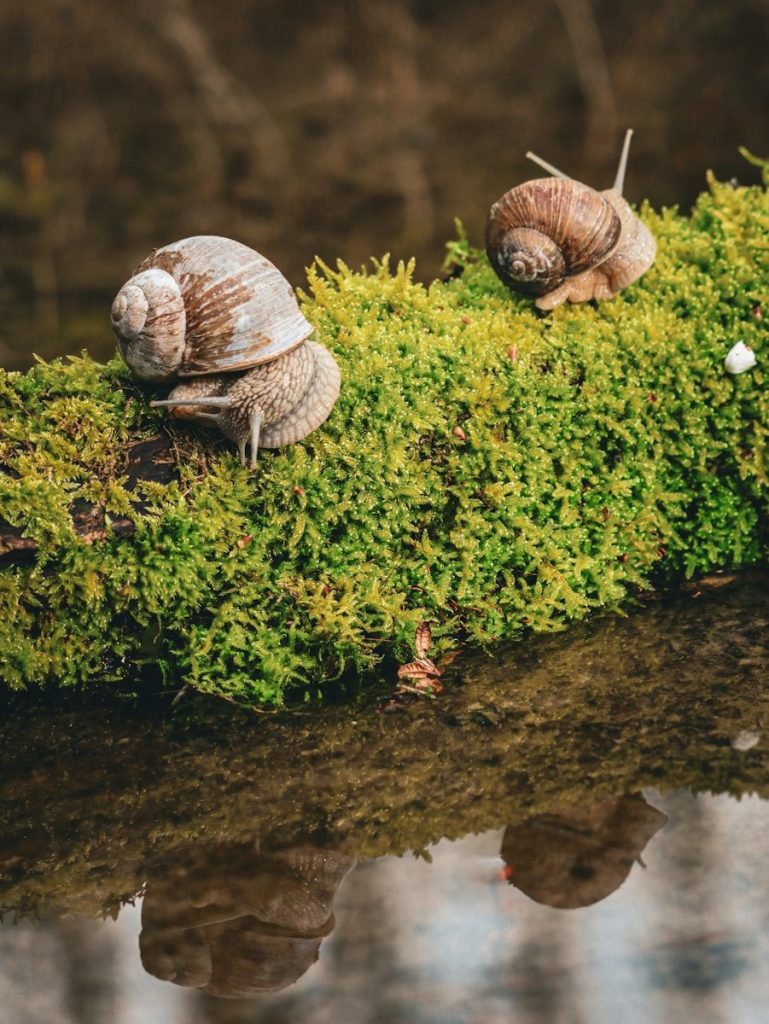
Freshwater snails do not attack people, yet some species play an essential role in transmitting schistosomiasis. Parasitic worms develop inside suitable snails, and infectious larvae later enter freshwater, where they can penetrate human skin during contact with contaminated water. WHO classifies schistosomiasis as a neglected tropical disease that can cause chronic organ damage. The danger therefore comes from the snail’s role in a parasite’s life cycle, not from biting, stinging, or aggressive behavior.
Tsetse Flies
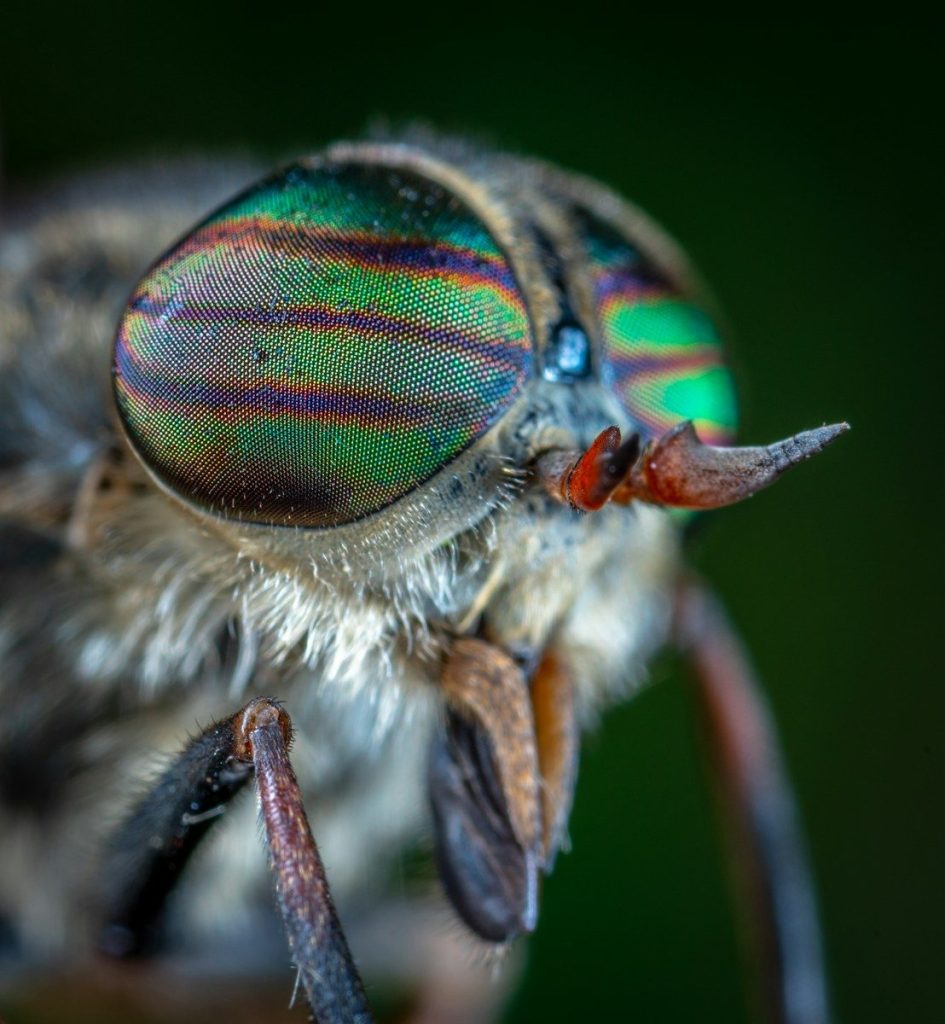
Tsetse flies can transmit the parasites that cause human African trypanosomiasis, commonly called sleeping sickness. WHO states that the disease occurs in sub-Saharan Africa and is generally fatal without treatment. Control efforts have sharply reduced reported cases over recent decades, so risk is not uniform across the continent. People in some rural areas involved in agriculture, fishing, animal husbandry, or hunting may face greater exposure where infected tsetse flies and disease transmission remain present.
Kissing Bugs
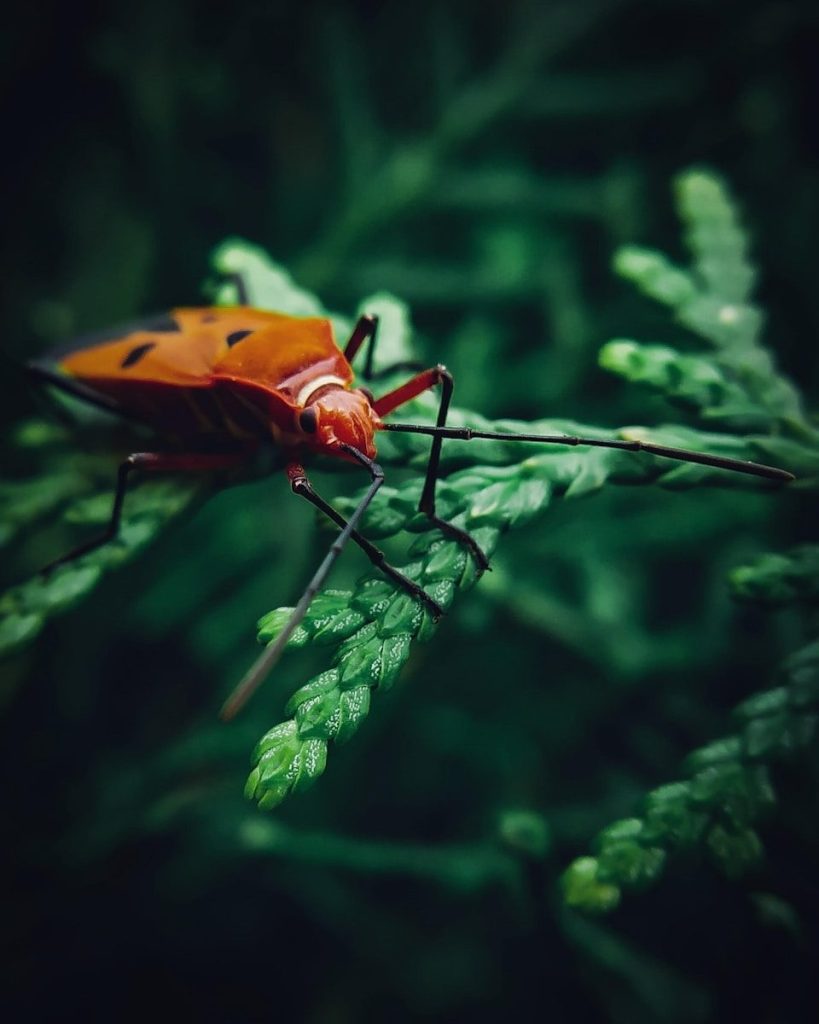
Triatomine insects, often called kissing bugs, can spread Trypanosoma cruzi, the parasite that causes Chagas disease. WHO estimated in 2026 that about eight million people worldwide are infected, mostly in Latin America. Transmission commonly occurs when infected bug feces or urine contaminate broken skin, the eyes, or the mouth after feeding. Untreated chronic infection can eventually damage the heart, digestive system, or nervous system in a significant proportion of affected people.
Crocodiles

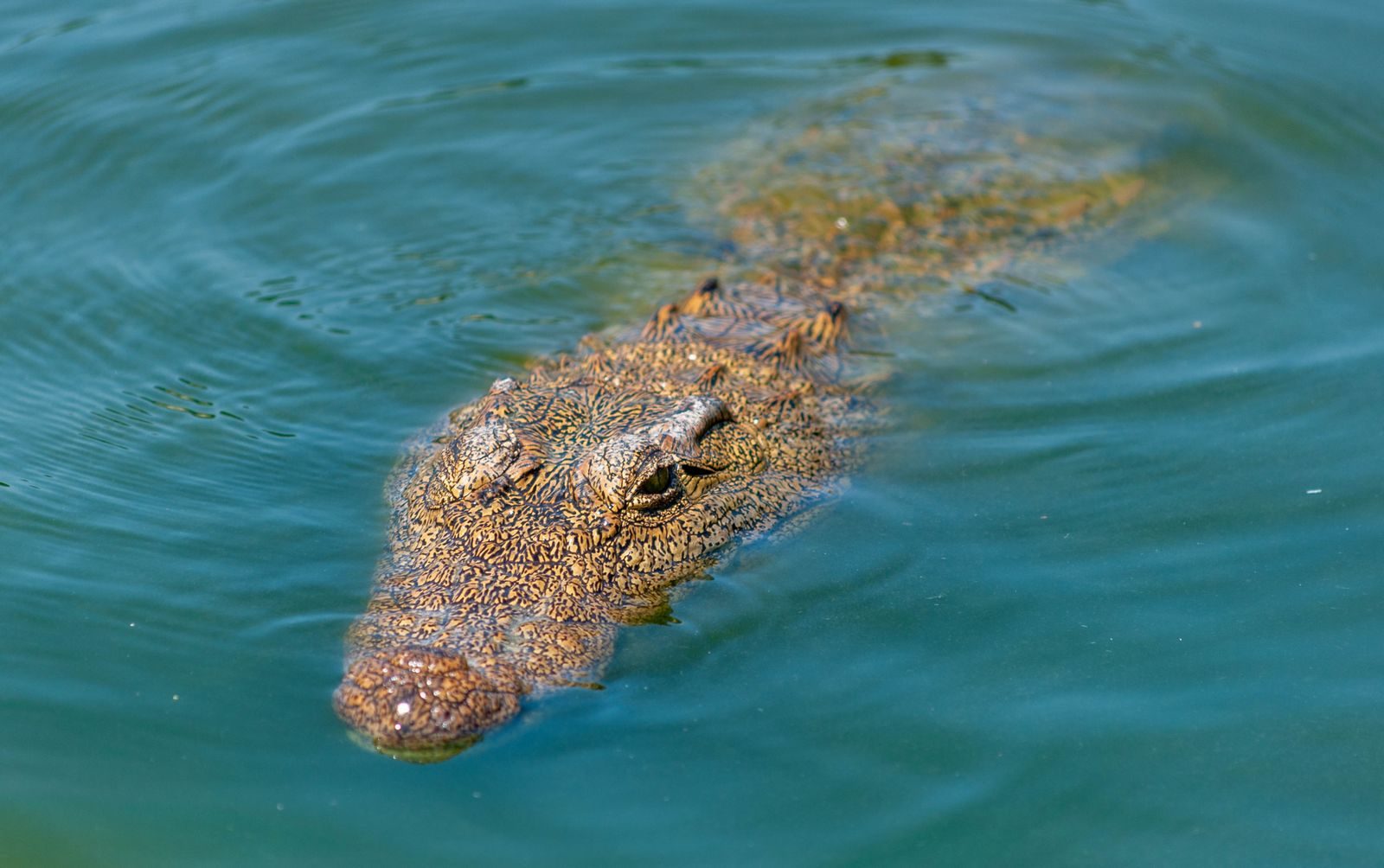
Large crocodilians are physically capable of causing fatal injuries, especially in waterways where people and crocodiles overlap. Risk varies strongly by species and location. The National Park Service notes that conflict with American crocodiles in the Everglades rarely occurs because the species is generally shy, illustrating why the entire group should not be described as constantly aggressive. Avoiding feeding, approaching, swimming near, or provoking crocodilians is important wherever local authorities warn that dangerous encounters can occur.
Elephants

Elephants can cause fatal injuries when human activity overlaps their movement routes, farms, or remaining habitat. WWF and IUCN describe human-elephant conflict as a serious conservation and safety problem that can kill both people and elephants. These incidents often arise where habitat loss, blocked corridors, crops, or settlements bring people and elephants into close contact. The risk should not be framed as predation: elephants do not routinely hunt humans, and conflict is shaped heavily by landscape pressure and proximity.
Box Jellyfish
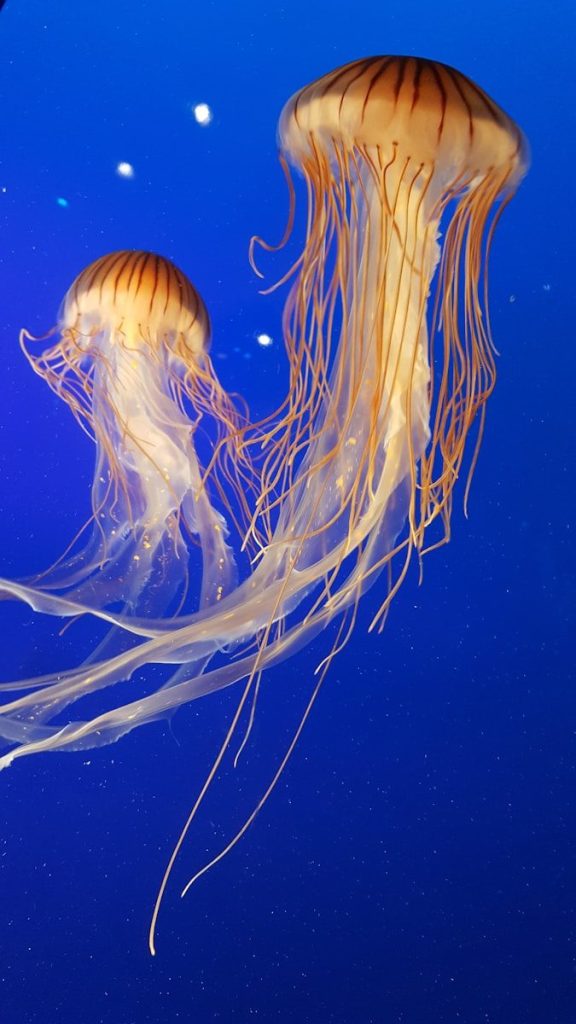
Some box jellyfish carry venom capable of causing life-threatening envenoming. Queensland health authorities warn that severe stings can cause intense pain, unconsciousness, seizures, cardiac problems, and death. Dangerous species occur mainly in particular warm coastal waters, so risk is highly regional rather than universal. Beach closures, local warnings, protective measures, and rapid first aid are therefore important. The jellyfish’s danger comes from potent venom and accidental contact, not from actively pursuing people.
Featured Image: Photo by Balazs Simon on Pexels