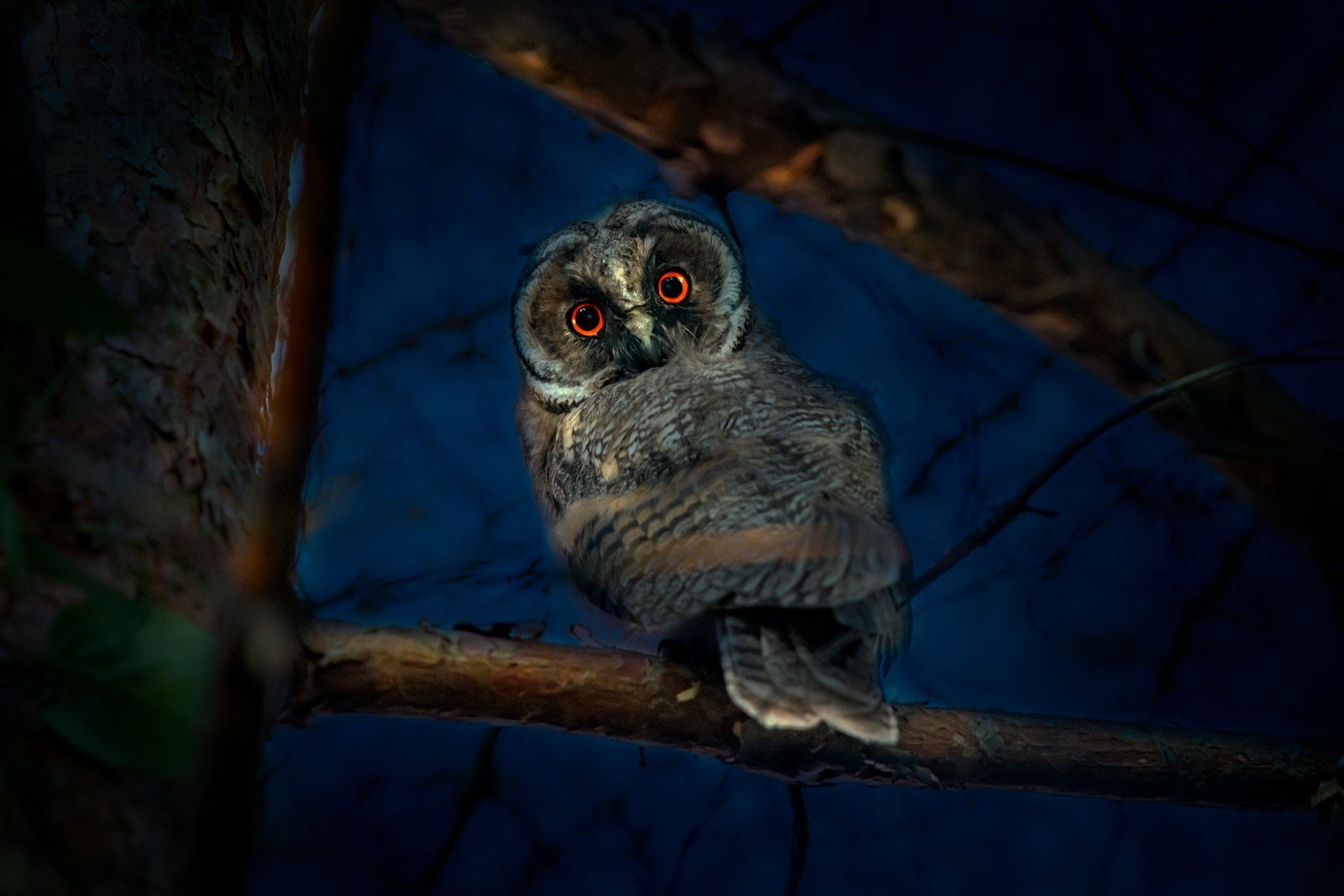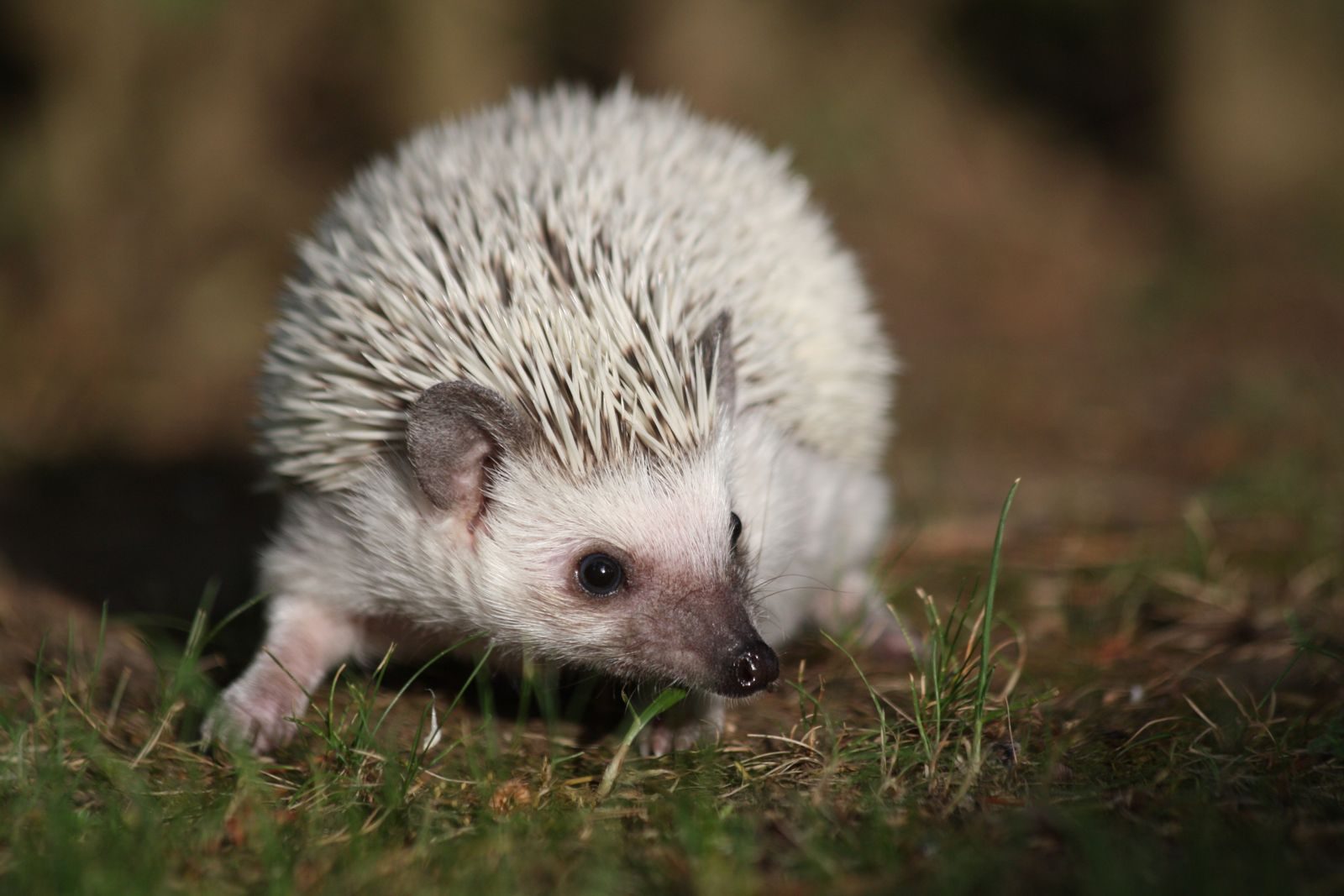
Some animals look harmless enough to inspire plush toys, viral videos, and close-up photos, yet appearances can hide defenses capable of causing real injury. Venom, powerful hooves, sharp teeth, territorial behavior, and protective instincts all occur in species that people may casually describe as cute. The danger usually appears only in particular circumstances. Understanding those defenses helps people enjoy wildlife without turning curiosity into an unnecessary emergency.
This is not a list of animals that routinely attack people. Most would rather avoid conflict, and serious encounters are uncommon when humans keep an appropriate distance. These eight examples show why wildlife should be respected for what it is, not judged by a friendly face, small body, soft fur, or seemingly calm behavior. Respectful distance is usually best for everyone.
Pygmy Slow Loris
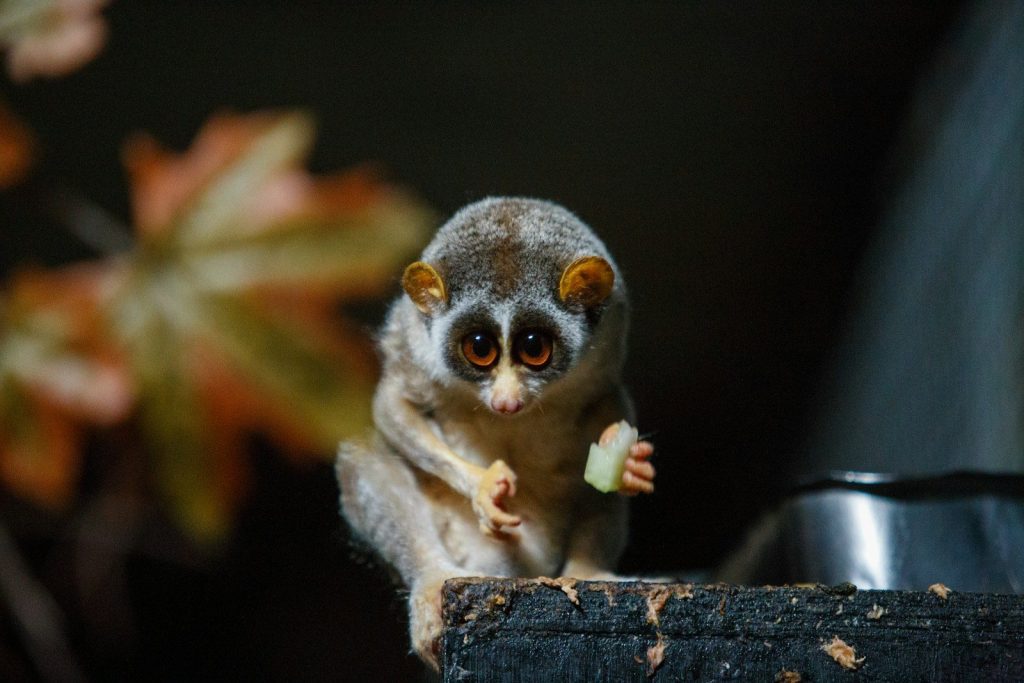
The pygmy slow loris has huge eyes and a small, rounded face, but it is one of the few venomous primates. Glands near its elbows produce an oily secretion that becomes dangerous when mixed with saliva. A bite can cause intense pain, swelling, slow-healing wounds, and potentially severe allergic reactions. Slow lorises use this chemical defense in conflicts with other lorises as well as against predators. Their appearance has fueled the exotic pet trade, which creates additional welfare and conservation problems.
Platypus
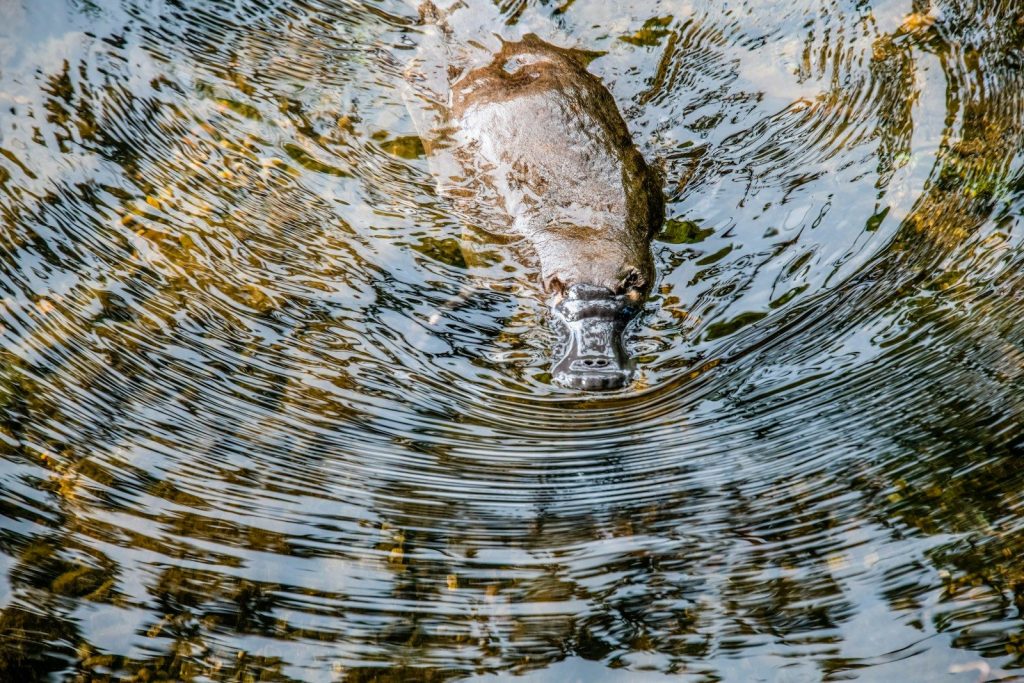
The platypus looks almost whimsical, with a ducklike bill, webbed feet, and a broad tail, but adult males carry a sharp spur on each hind ankle. Those spurs connect to venom glands that become especially active during the breeding season. The venom is not generally considered lethal to healthy humans, yet documented stings can cause severe, long-lasting pain and swelling. The spur is primarily a defensive and competitive weapon, so people should never try to handle a wild platypus in nature.
Moose
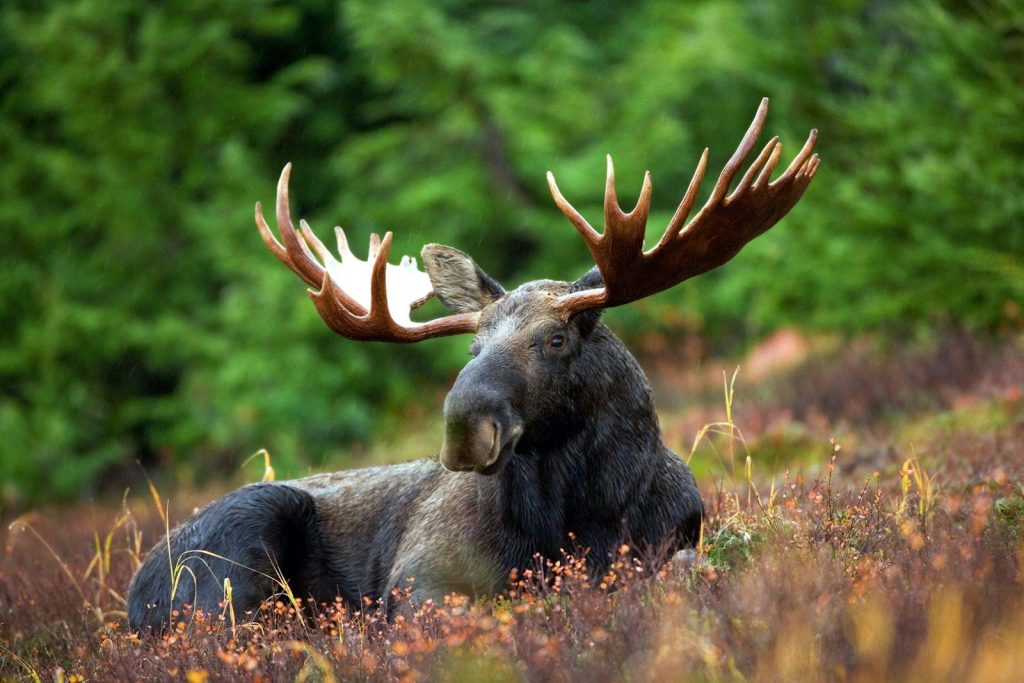
A moose can look calm while feeding beside a road or trail, but its size and powerful legs make a close encounter dangerous. Wildlife agencies warn that moose may charge when threatened, surprised, crowded, or accompanied by calves. Dogs can also trigger defensive behavior because moose may perceive them as predators. Warning signs include pinned ears, raised neck hair, or a lowered head. Giving the animal plenty of space is far safer than approaching for a photograph, especially during breeding season.
Mute Swan
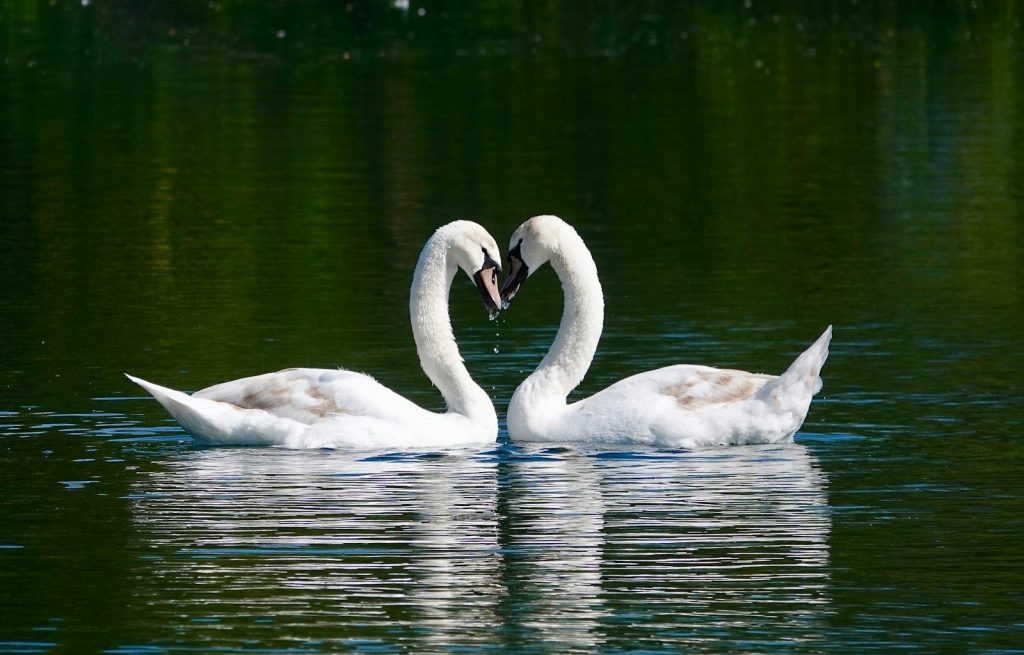
Mute swans are graceful on the water, but adults can become strongly territorial, particularly around nests and young. The National Park Service warns that these large birds may attack people, pets, and other wildlife that enter defended areas. A swan can strike with its bill and wings, and an encounter near the shoreline can become difficult if the bird blocks an escape route. Admiring swans from a distance avoids provoking defensive behavior and reduces stress on nesting birds during the spring nesting season.
Harbor Seals
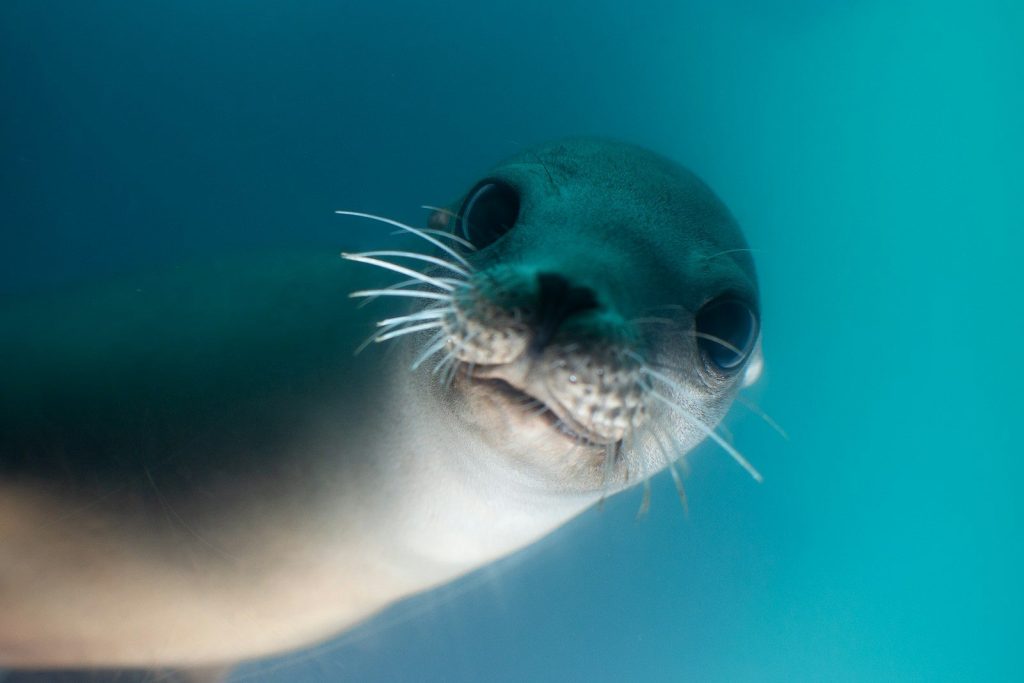
Harbor seals have round faces and large dark eyes, yet they remain strong wild predators with sharp teeth. NOAA advises people to stay well back from seals because animals that feel cornered, disturbed, or approached can bite. Close contact also creates disease risks for both people and wildlife. A seal resting on a beach is not necessarily stranded or asking for help. The safest response is usually to give it space and contact trained responders if it appears injured or entangled.
Kangaroos
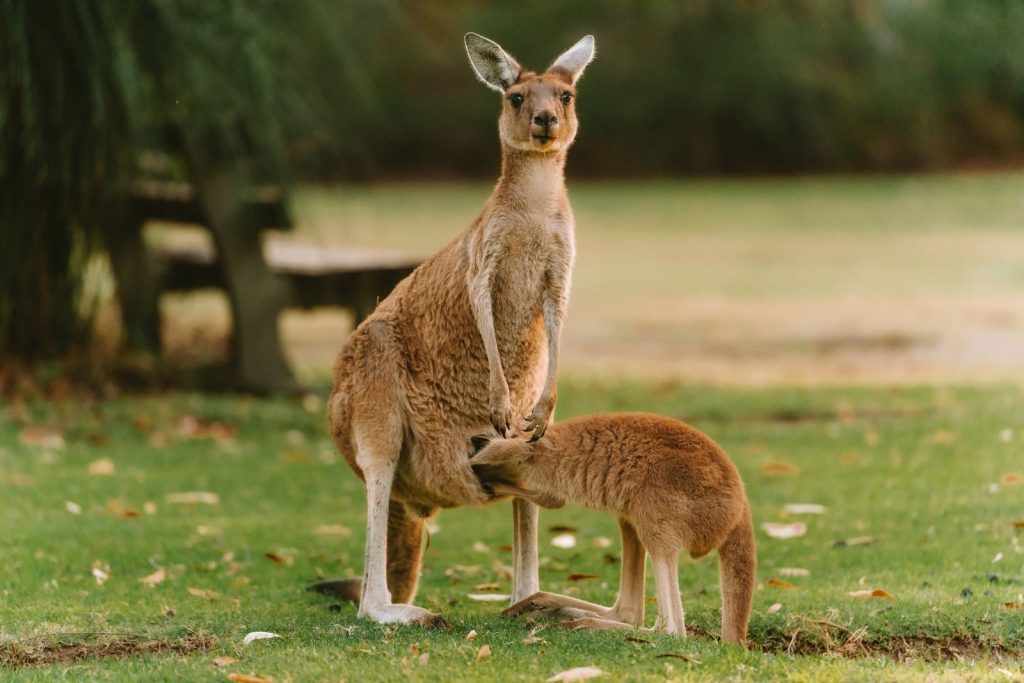
Kangaroos are widely treated as friendly Australian icons, but large individuals can cause serious injuries when they feel threatened. New South Wales National Parks warns that kangaroos may become aggressive, particularly when people feed them, crowd them, or bring dogs close. Their powerful hind legs, claws, and muscular bodies are built for far more than hopping. Visitors should avoid feeding wild kangaroos, keep dogs controlled, and allow the animals a clear route away instead of trying to approach or touch them.
Blue-Ringed Octopus
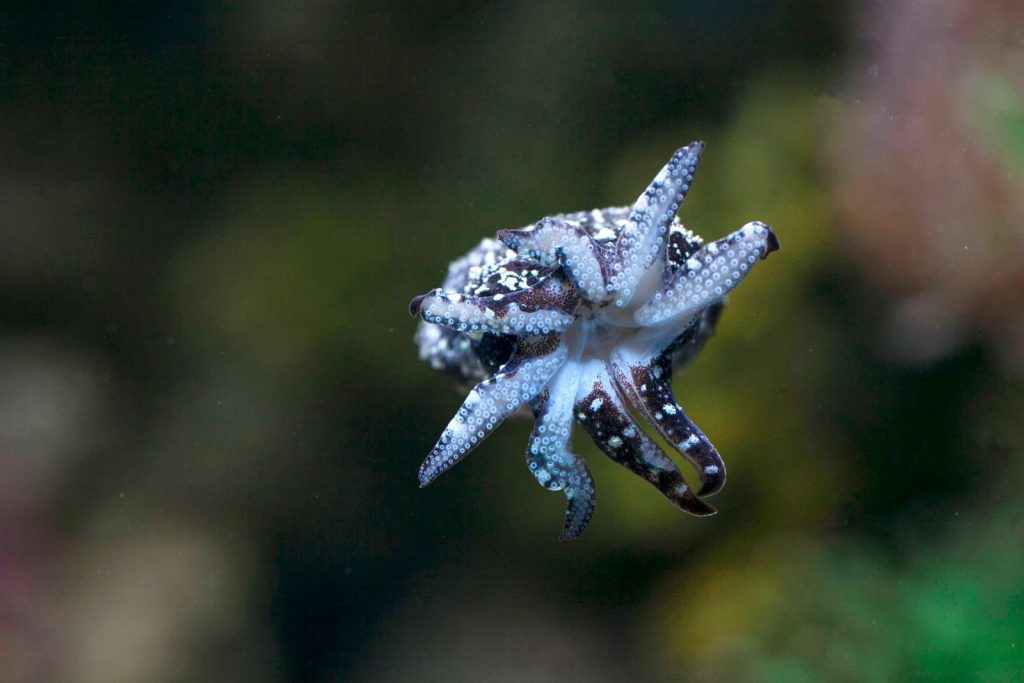
A blue-ringed octopus is tiny, colorful, and easy to underestimate. When threatened, its bright blue rings become more obvious, but the animal can bite if handled. CDC guidance warns that its saliva contains tetrodotoxin, a potent toxin capable of causing paralysis and death. There is no value in testing how calm one appears, because the bite may initially be small and painless. Beachgoers, divers, and snorkelers should never pick up small octopuses or place hands into unseen crevices in rocky pools.
Poison Frogs
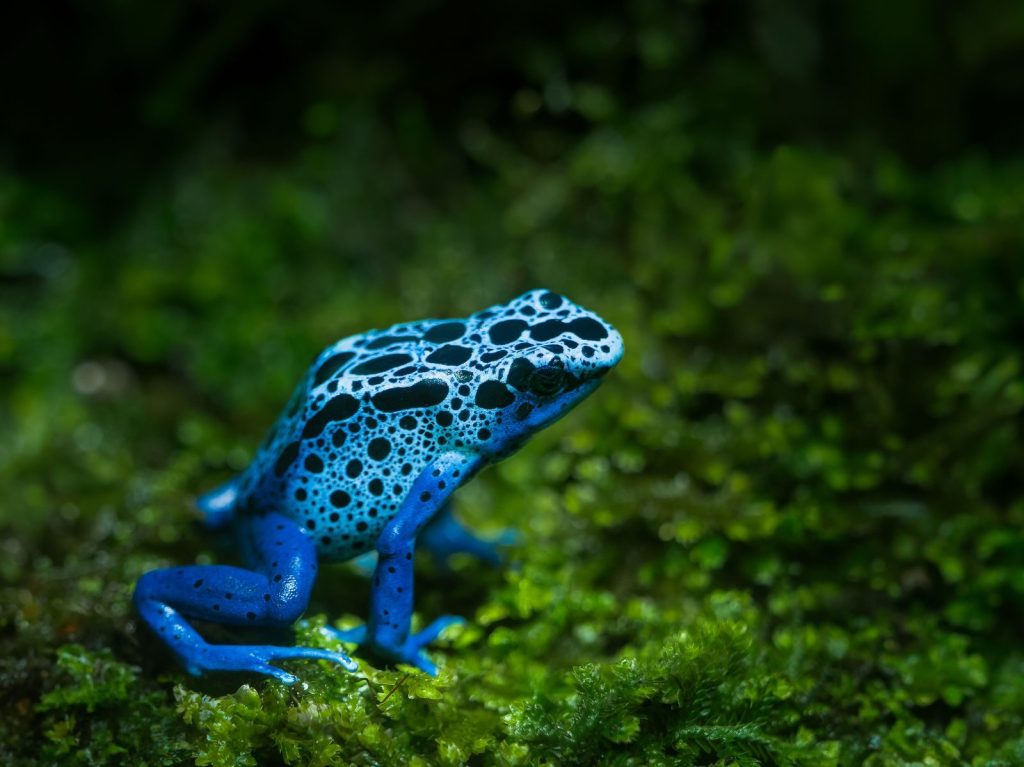
Many poison frogs are small, brightly colored, and visually striking, but their colors can serve as warning signals. Smithsonian explains that some wild species obtain toxic compounds from prey such as ants, termites, and mites, then store those chemicals in skin glands. Toxicity differs greatly among species and populations, and captive frogs raised on different diets may lack the same chemical defenses. Their danger should not be exaggerated, but wild poison frogs are a clear reminder that bright beauty can carry a defensive message.