
Bees matter because flowering plants often need pollen moved from one flower to another before they can produce seeds or fruit. That simple biological service ripples through farms, gardens, forests, and grasslands. Bees are not the only pollinators, but their diversity, abundance, and flower-visiting behavior make them especially important in many terrestrial ecosystems across the planet in many different regions.
Their value goes well beyond honey. Wild and managed bees contribute to crop production, native plant reproduction, seed formation, and food supplies for other wildlife. Thousands of species perform these jobs in different places and seasons. Understanding those roles helps explain why protecting bee habitat is not just about preserving insects, but about maintaining ecological relationships humans also depend upon.
Flower Pollination
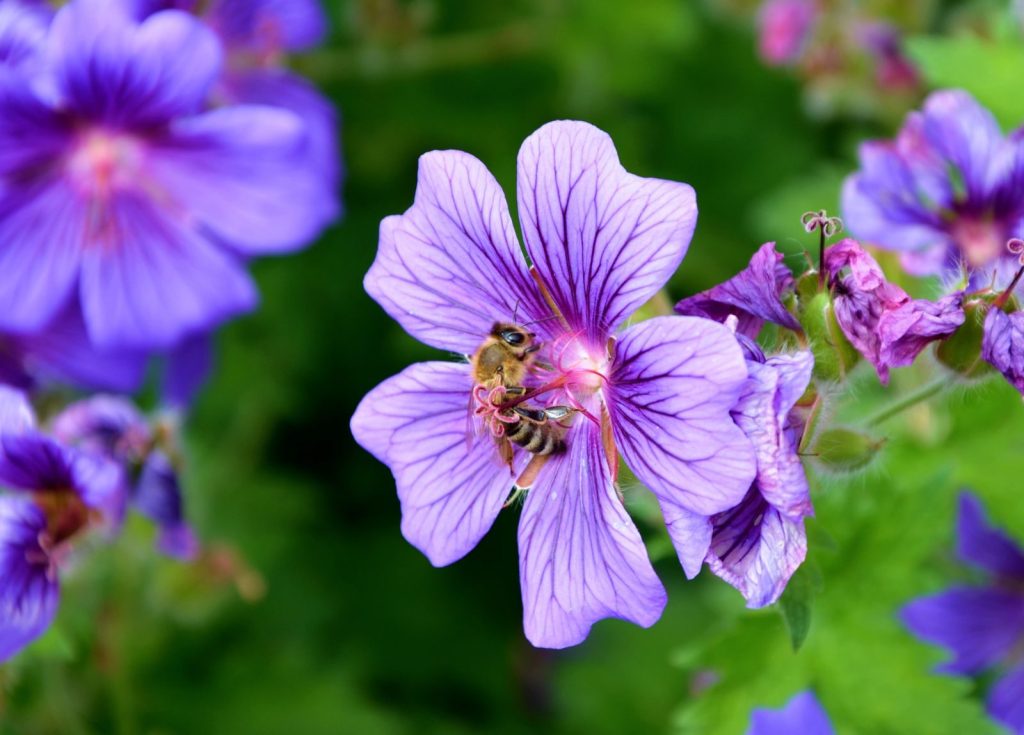
Pollination happens when pollen reaches the appropriate reproductive parts of a flower, allowing fertilization and seed development. Bees are especially effective because females deliberately collect pollen as food for their young, causing grains to stick to their bodies and move between flowers. USDA notes that roughly three-fourths of the world’s flowering plants depend to some degree on animal pollinators. Bees perform a large share of that work, connecting individual flower visits with the reproduction of plants across farms, gardens, and natural habitats.
Crop Production

About 35 percent of global food crop production depends on animal pollinators to some degree, according to USDA. Bees help crops such as many fruits, nuts, vegetables, and oilseeds produce marketable harvests. Dependence varies greatly: some crops need insect pollination strongly, while staple grains such as wheat, rice, and corn do not rely on bees in the same way. That distinction keeps the claim realistic. Bees are essential contributors to agricultural diversity and quality, not the sole reason human food production exists.
Wild Plants

The ecological importance of bees extends far beyond farms. Wild flowering plants also depend on pollination to reproduce, maintain genetic exchange, and establish future generations. USGS reports that a large proportion of North American plant species require insect pollinators, with bees performing much of that work. When a bee transfers pollen between compatible flowers, the effect may eventually appear as seeds, berries, or new seedlings. Those outcomes help maintain plant communities that provide shelter, soil protection, and food for countless other organisms.
Seed Production

A successful bee visit can lead to something gardeners may not notice until months later: viable seeds. Seeds allow annual plants to return, help perennial populations spread, and give plant communities a way to recover after disturbance. Pollination also supports genetic mixing when pollen moves between different individuals. The importance of seed production is easy to overlook because the bee has usually disappeared long before mature seeds form. Yet that brief visit can influence which plants occupy a meadow, woodland edge, or garden in future seasons.
Wildlife Food
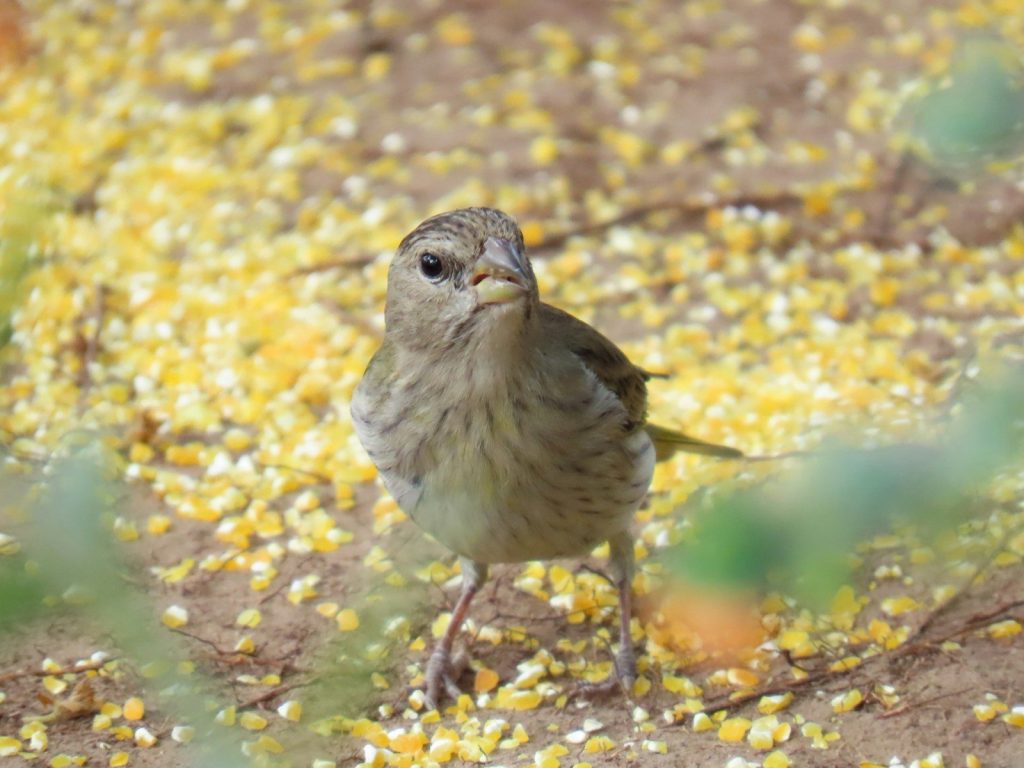
Pollinated plants often produce fruits, nuts, berries, and seeds eaten by birds, mammals, and other wildlife. That means bees can influence food webs indirectly even when another animal never interacts with a bee. U.S. Forest Service guidance emphasizes that wildlife depends on plants whose reproduction is supported by pollinators. A bee visiting spring blossoms may help create fruit in summer or seeds in autumn. The ecological value of pollination therefore continues long after flowering ends, connecting insects, plants, and consumers across the seasons.
Native Bee Diversity
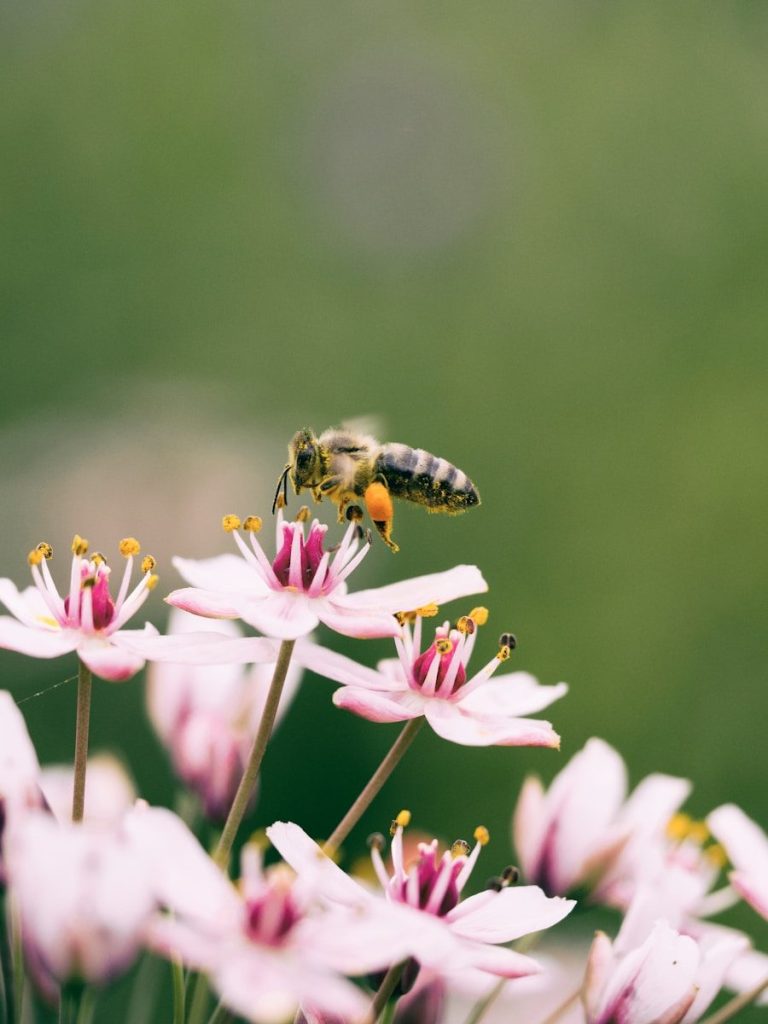
Bee diversity is much greater than the familiar honey bee suggests. USGS reports more than 20,000 bee species worldwide and about 4,000 species native to the United States. They include bumble bees, mining bees, mason bees, leafcutter bees, sweat bees, and many others with different nesting and feeding habits. Some are active only for short seasonal windows. This diversity creates resilience because different bees work under different temperatures, habitats, flower shapes, and weather conditions, spreading pollination across many ecological niches.
Specialist Bees

Not every bee gathers pollen from every flower. Many native species are specialists whose females collect pollen from particular plant families, genera, or even smaller groups. USGS estimates that roughly 20 to 45 percent of native bees in North America show some degree of pollen specialization, depending on how it is defined. These close relationships mean conserving a bee may require conserving its preferred host plants as well. Losing either partner can weaken a connection that has developed through long periods of ecological interaction.
Bee Conservation
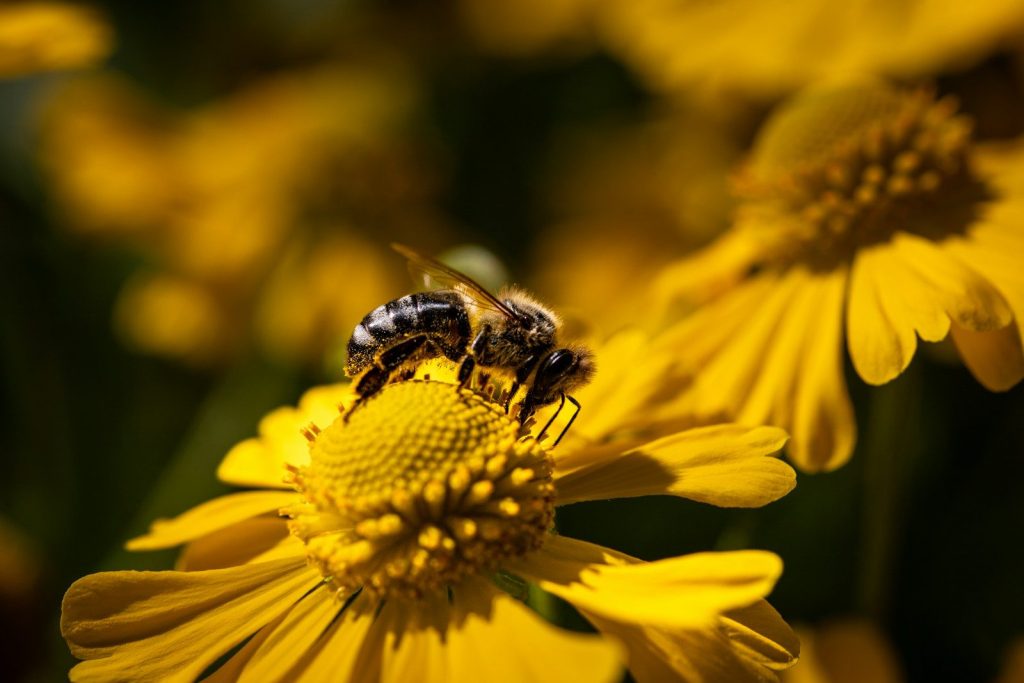
Supporting bees requires more than planting a single patch of flowers. Different species need nectar and pollen across the growing season, plus safe places to nest and overwinter. Some nest underground, others use hollow stems or cavities, and social species have additional requirements. Reducing unnecessary pesticide exposure and planting diverse native vegetation can improve habitat. Conservation also means recognizing that managed honey bees and wild bees face different challenges. Protecting the full community helps preserve the pollination relationships that farms and natural ecosystems rely upon.


