Orioles are among the most colorful birds to appear in backyards during spring and summer. Their bright orange, yellow, and black feathers make them easy to spot and even harder to ignore.
Many bird lovers attract them with orange slices, nectar, or grape jelly. But their love for sweet foods is only one part of a much more balanced and seasonal diet.
Sweet Foods Give Orioles Fast Energy
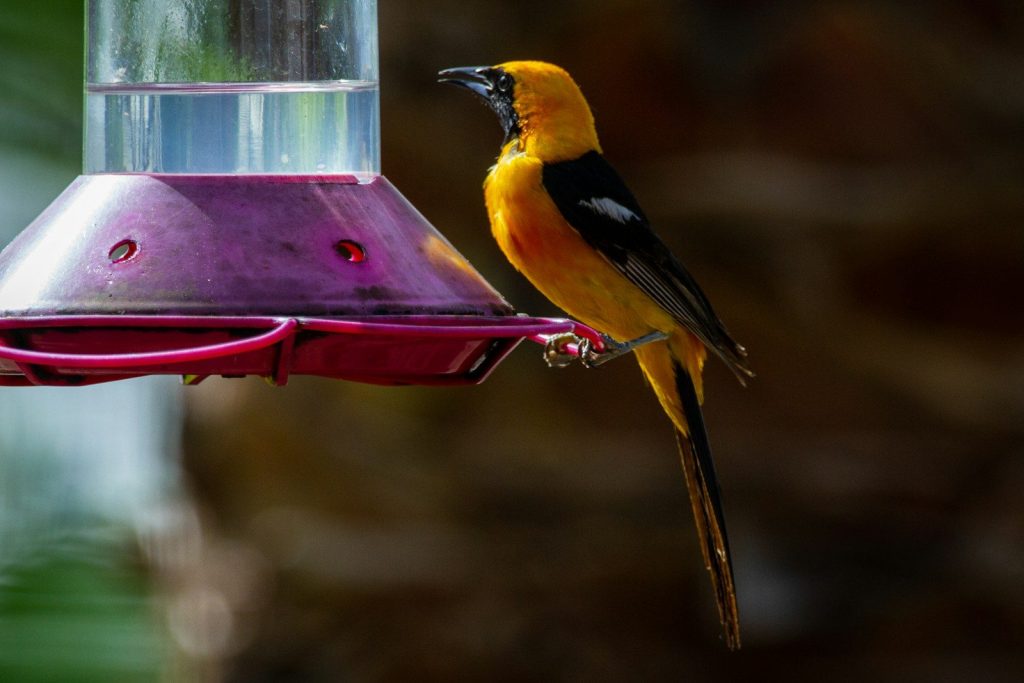
Orioles are naturally drawn to foods that are rich in sugar. In the wild, they often feed on flower nectar and ripe fruits whenever these foods are available.
These sweet foods provide quick energy, especially during migration. After long flights, orioles need calorie-rich meals to restore their strength and continue their journey.
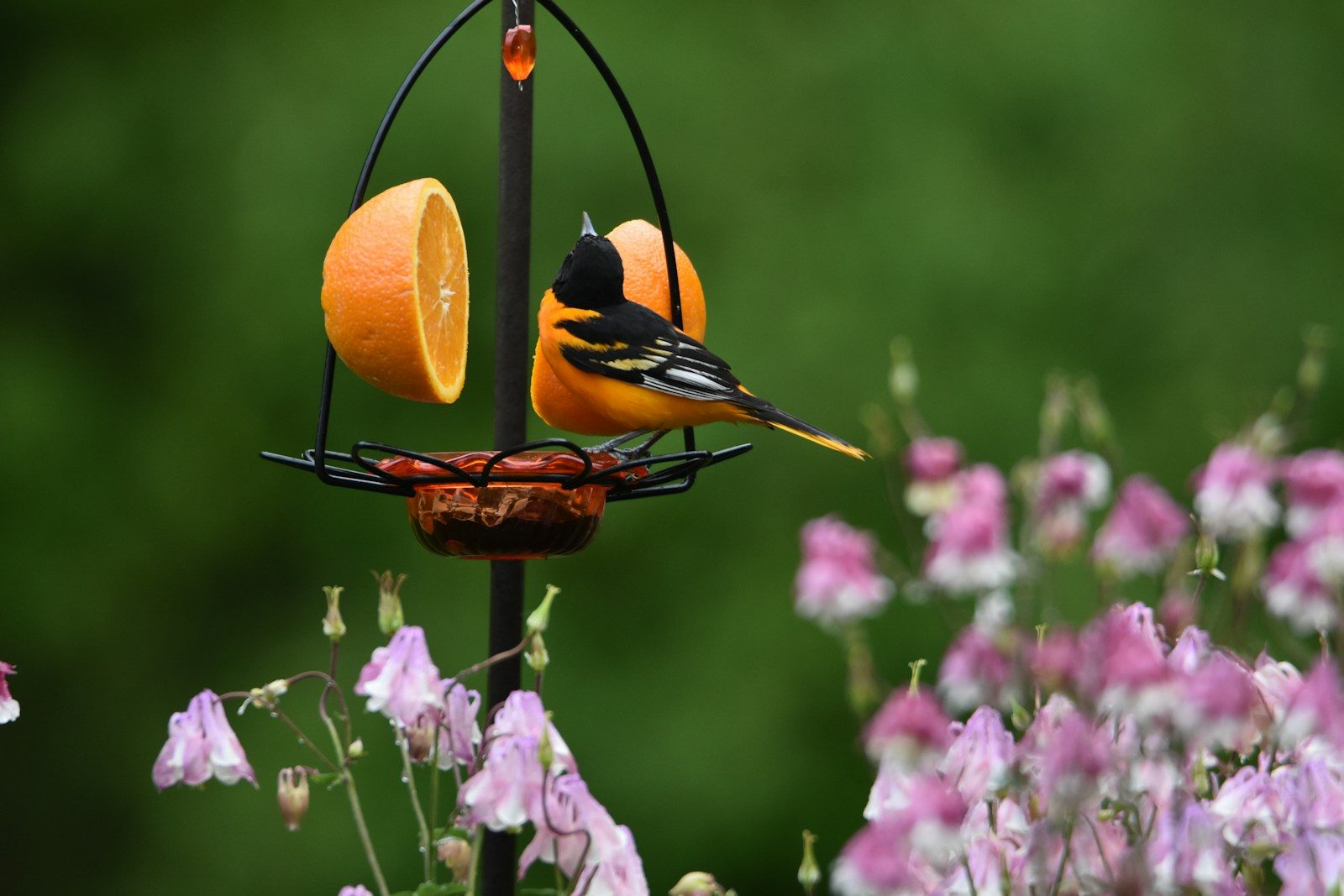
Backyard fruit feeders work for the same reason. Orange halves, nectar feeders, and small amounts of jelly can offer a helpful energy boost when orioles arrive in spring.
However, these treats should not be seen as their full diet. They are useful, but orioles also depend on other food sources to stay healthy.
Insects Are Crucial During Nesting Season
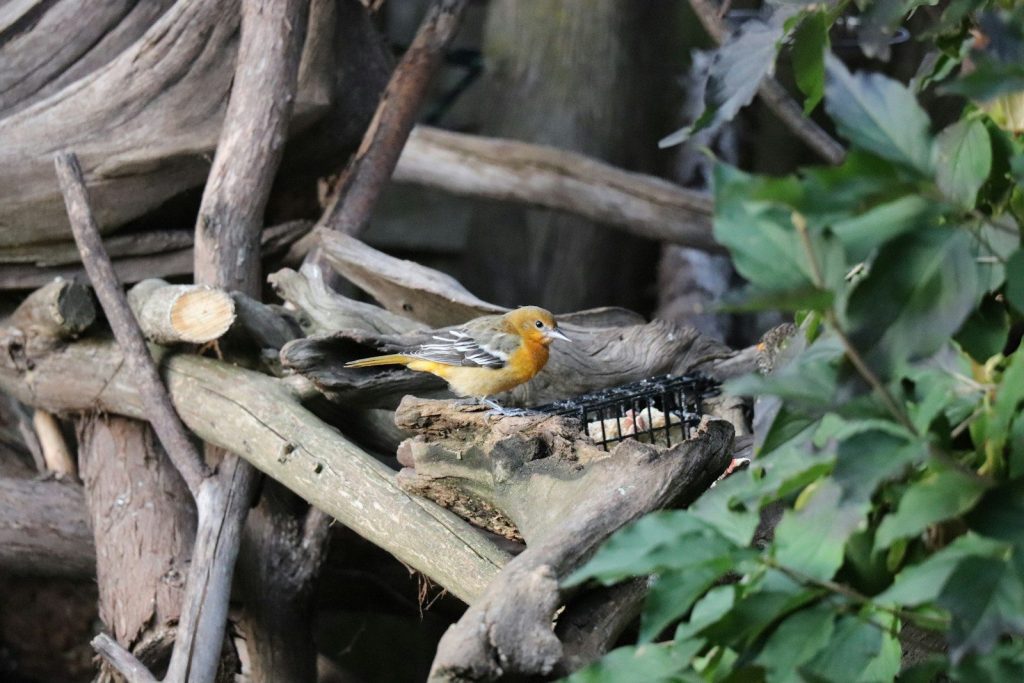
Although orioles are famous for visiting fruit feeders, insects play a major role in their diet. During spring and summer, they eat caterpillars, beetles, flies, wasps, grasshoppers, and other small invertebrates.
This becomes especially important during the breeding season. Adult orioles need protein-rich insects to feed their young as they grow quickly in the nest.
Sugary foods may attract orioles to a backyard, but insects support their survival and reproduction. Much of their feeding happens high in trees, where they search leaves and branches for prey.
This shows that orioles are not just fruit-loving birds. They are flexible feeders that shift their diet based on the needs of the season.
Orioles Help Keep Insect Populations in Check
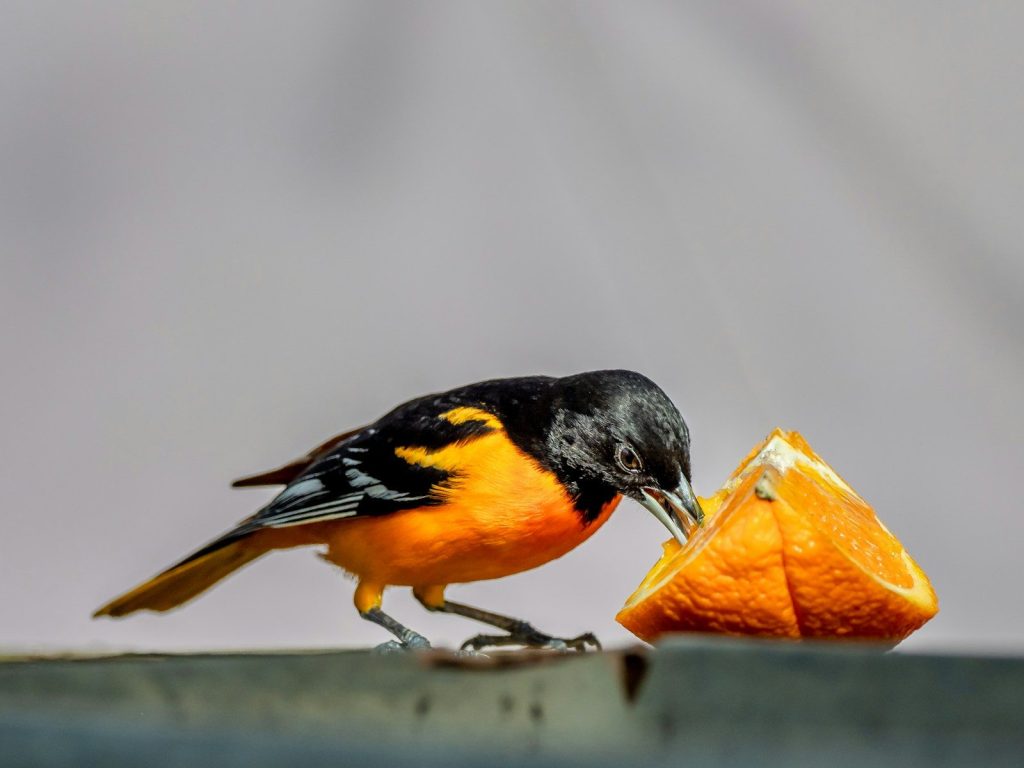
By eating insects, orioles also support the environment around them. Many of the insects they consume can damage plants, trees, and garden vegetation if their numbers grow too high.
Orioles help reduce these pest populations naturally. Their feeding behavior contributes to healthier forests, woodlands, parks, and suburban landscapes.
They may not be the first birds people think of when it comes to pest control. Still, their daily diet makes them valuable members of local ecosystems.
Every caterpillar or beetle they eat is part of a larger natural balance. This is one reason insect-eating birds are important for healthy outdoor spaces.
Different Orioles Share Similar Food Habits
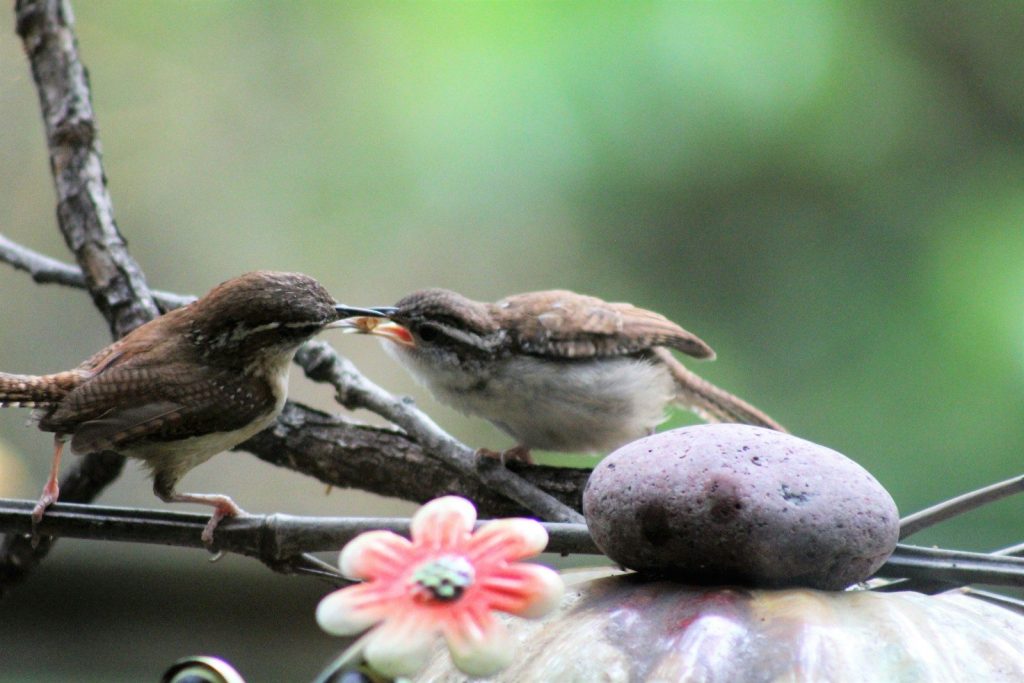
North America is home to several oriole species, including Baltimore Orioles, Bullock’s Orioles, and Orchard Orioles. While each species lives in slightly different habitats, their feeding habits are often similar.
Most orioles rely on a mix of fruit, nectar, and insects. Their food choices depend on the season, location, and what is available in the environment.
This flexibility helps them survive across many landscapes. Orioles can be found in woodlands, river corridors, parks, orchards, and even suburban neighborhoods.
Their ability to adapt is one reason they remain such successful migratory birds. They do not depend on one food source alone.
Migration Requires a Flexible Diet
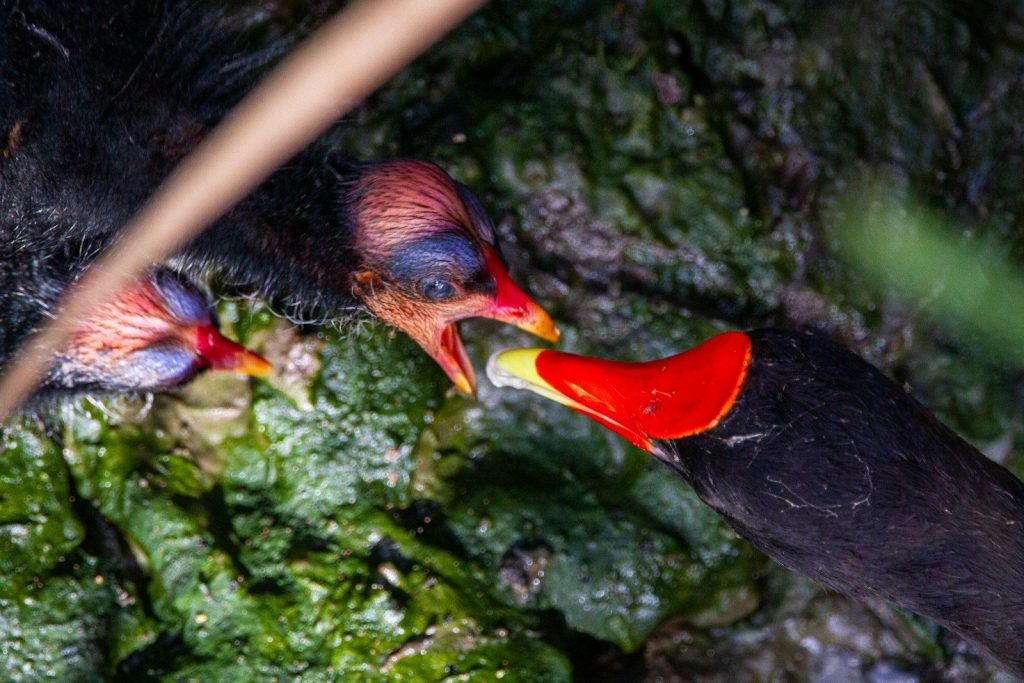
Many orioles travel long distances each year. Some spend winter in Mexico, Central America, the Caribbean, or northern South America before returning north to breed.
These migrations require a huge amount of energy. Along the way, food availability changes from place to place, so orioles must adjust quickly.
When insects are plentiful, they provide protein. When flowers bloom or fruits ripen, sweet foods provide fast fuel for travel and recovery.
This flexible feeding strategy helps orioles handle the challenges of migration. It allows them to survive in different regions throughout the year.
How to Feed Orioles Responsibly
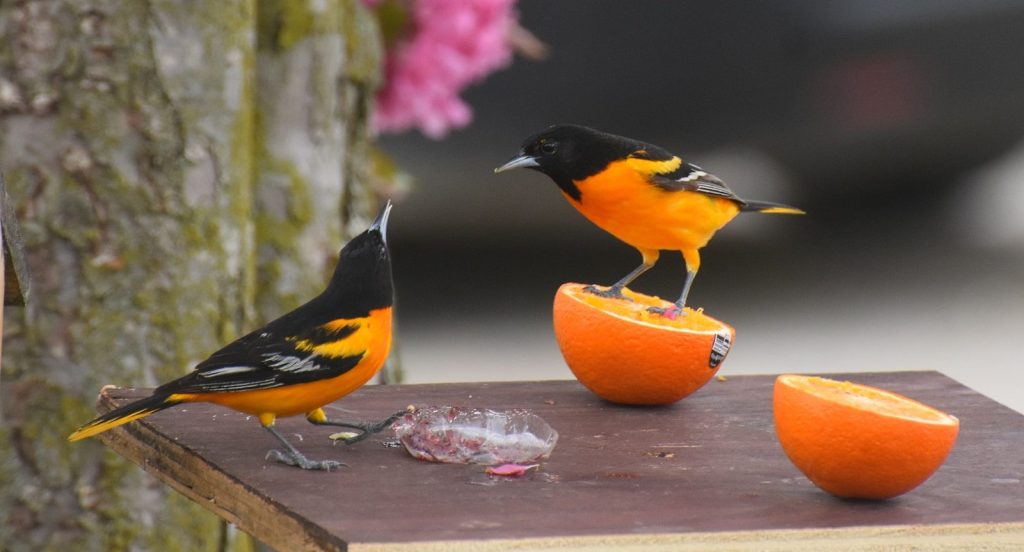
Bird lovers can attract orioles by offering fresh orange halves, nectar, and small servings of grape jelly. These foods can be especially helpful during migration and early spring.
Clean feeders are very important. Dirty feeders can spread disease, so they should be washed regularly and old food should be removed.
It is also best to avoid artificial dyes in nectar. Orioles do not need colored additives, and natural food sources are always a safer option.
Planting native flowers, shrubs, and trees can help even more than feeders alone. Native plants provide nectar, fruit, shelter, and insects that orioles need.
More Than Just a Sweet Tooth
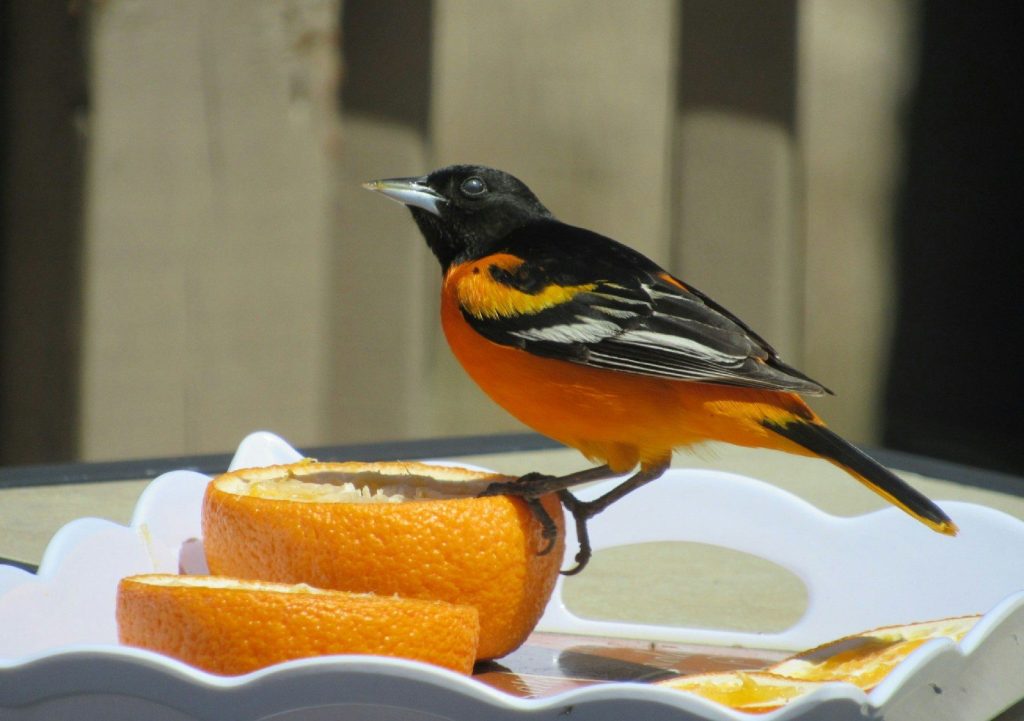
An oriole visiting an orange slice may look like a simple backyard moment. In reality, that visit reflects a smart survival strategy shaped by migration, breeding, and seasonal food needs.
Orioles enjoy sweet foods, but they also rely heavily on insects and natural habitats. Their diet reveals how adaptable and resourceful these birds truly are.
For birdwatchers, fruit feeders are a wonderful way to see these colorful birds up close. But the best support comes from offering clean feeders, natural plants, and a healthy habitat.
The next time an oriole lands near a fruit feeder, remember that its success depends on much more than a love for oranges.