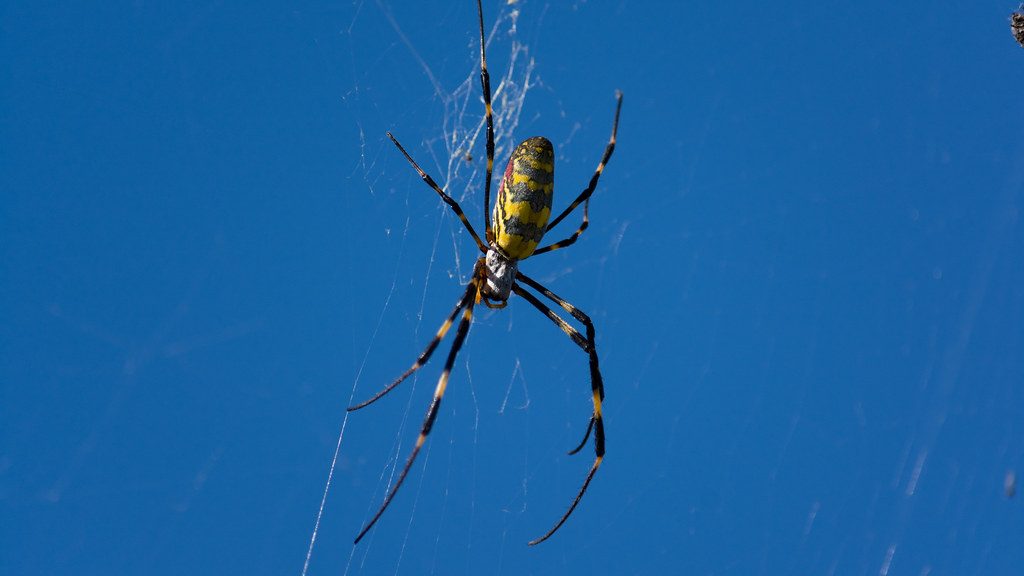
The Joro spider has quickly become one of the most discussed invasive spiders in North America. Its large body, bright yellow-and-black markings, and golden webs make it hard to ignore.
But scientists are discovering that its most impressive abilities may not be visible at all. The spider’s web may work like a powerful sensory tool, helping it detect movement, sound, and danger with surprising accuracy.
A Spider That Keeps Drawing Attention
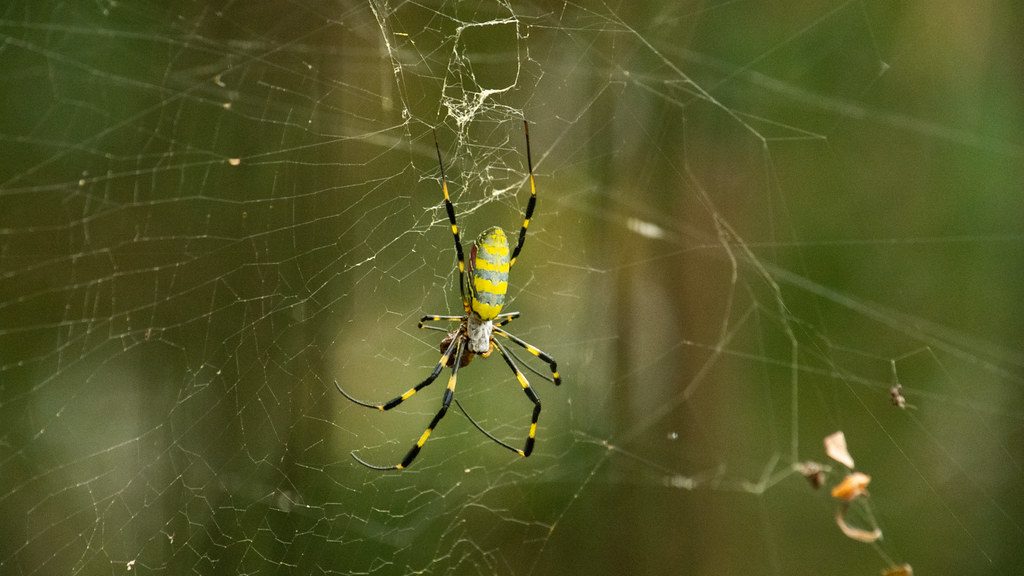
The Joro spider is originally native to East Asia, but it has spread into parts of the southeastern United States. Its dramatic appearance and large webs have made it a frequent topic among homeowners and researchers.
While many people notice its size first, scientists are more interested in how it senses the world. The spider appears to use its web to collect information from its surroundings.
This ability may help explain why the species has adapted so well to new environments. Its web is not just a trap for insects, but a tool for survival.
By reading tiny movements across the silk, the spider can respond to prey, threats, and changing conditions. That makes its web far more advanced than it may appear.
The Web Works Like a Sensory Network

To humans, a spider web often looks like a simple sticky structure. For spiders, it can function as a detailed communication system.
Every strand can carry vibrations caused by insects, wind, predators, or nearby movement. These signals help the spider understand what is happening without needing to see everything directly.
The Joro spider seems especially skilled at using this system. Vibrations moving through the web can tell it whether something is food, danger, or background movement.
In that sense, the web acts almost like an extension of the spider’s body. It expands the area the spider can monitor far beyond its own size.
It Can Detect More Than Trapped Prey
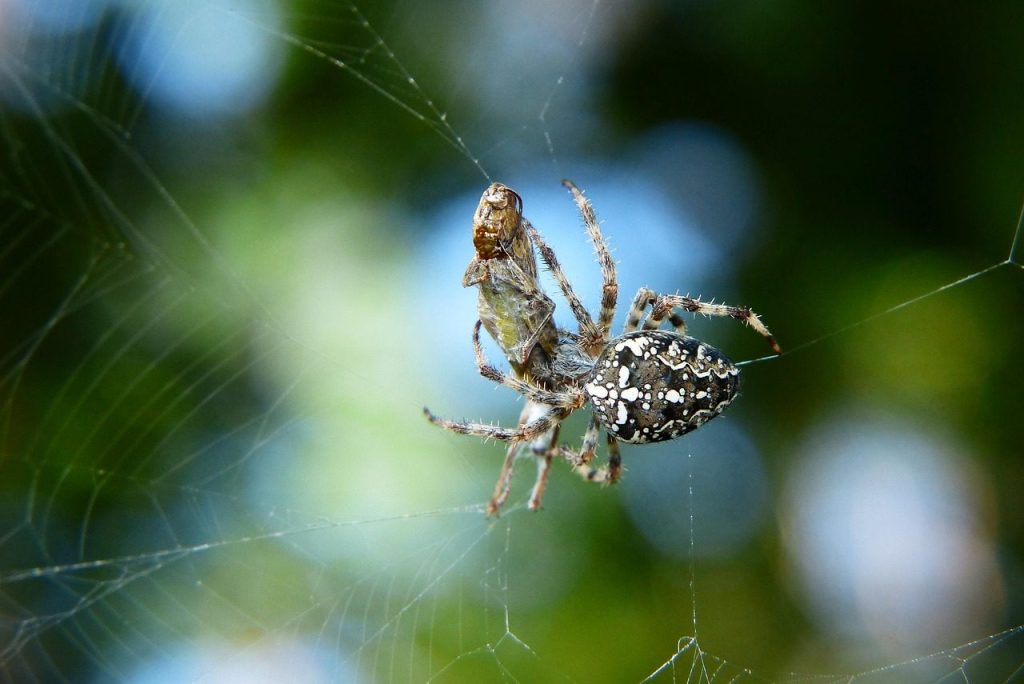
A trapped insect creates one kind of vibration, while a falling leaf creates another. Wind, predators, and nearby disturbances also produce different patterns.
Spiders can interpret these signals and decide what to do next. They may attack, hide, repair the web, or remain still, depending on what the vibrations reveal.
Some research suggests spiders can also detect airborne sounds indirectly. Sound waves can make web strands move, allowing the web to act like a large external hearing surface.
This means a spider may sense activity from a much wider area than people might expect. Its web becomes both a hunting device and an early-warning system.
Sensory Skills May Help It Spread
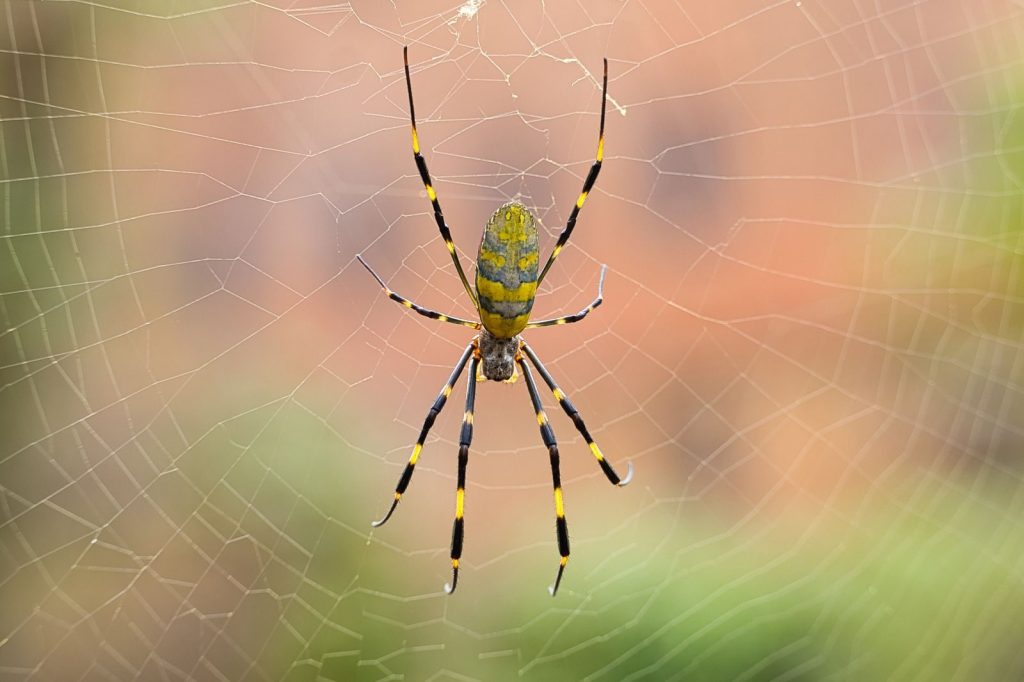
Researchers are studying Joro spiders because of how quickly they have expanded in the United States. Their ability to survive in new places has raised questions about what makes them so adaptable.
A strong sensory system may be one reason for their success. Animals that can quickly detect prey and threats often have an advantage in unfamiliar environments.
The Joro spider’s ability to gather information through web vibrations could help it adjust to different habitats. It may allow the spider to react efficiently in backyards, forests, fields, and urban spaces.
Combined with its tolerance for a range of climates, this adaptability may support its continued spread. Its success is likely linked to more than just reproduction or movement.
They Look Scarier Than They Are
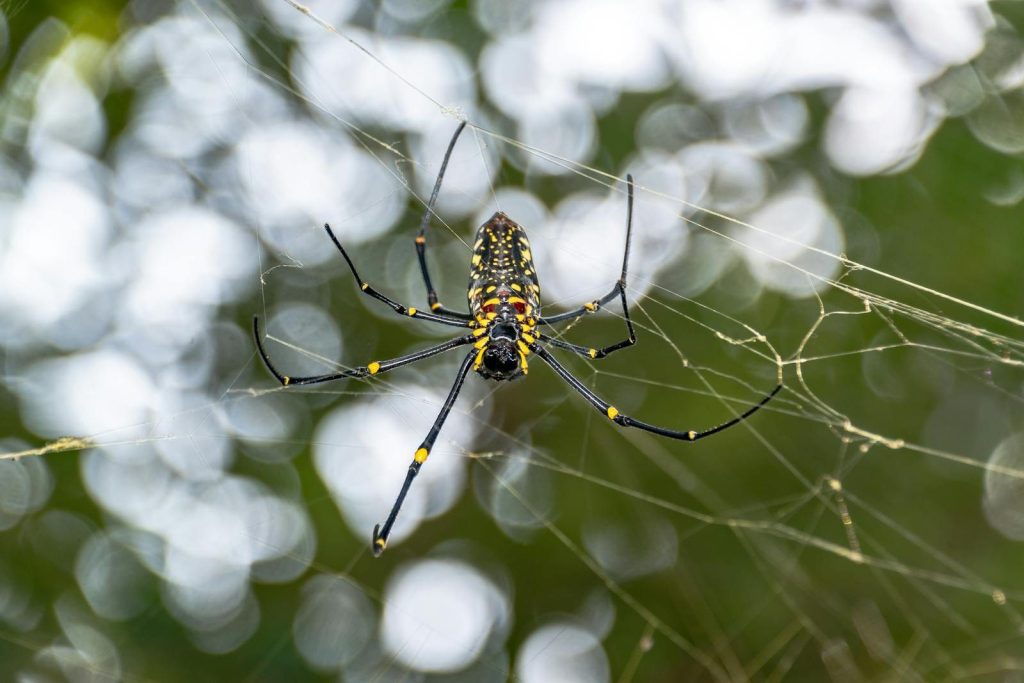
Because Joro spiders are large and build noticeable webs, they can seem alarming. Their appearance often creates more fear than the actual risk they pose.
Experts generally do not consider them dangerous to humans. Like many spiders, they have venom for catching prey, but bites are uncommon and usually not considered medically serious for most people.
In most cases, the spiders avoid direct contact with people. They are more interested in their webs and insect prey than in human interaction.
Their size may make them look intimidating, but they are better understood as a scientific curiosity. Their behavior reveals much more than their appearance suggests.
Spider Webs Are More Advanced Than They Seem
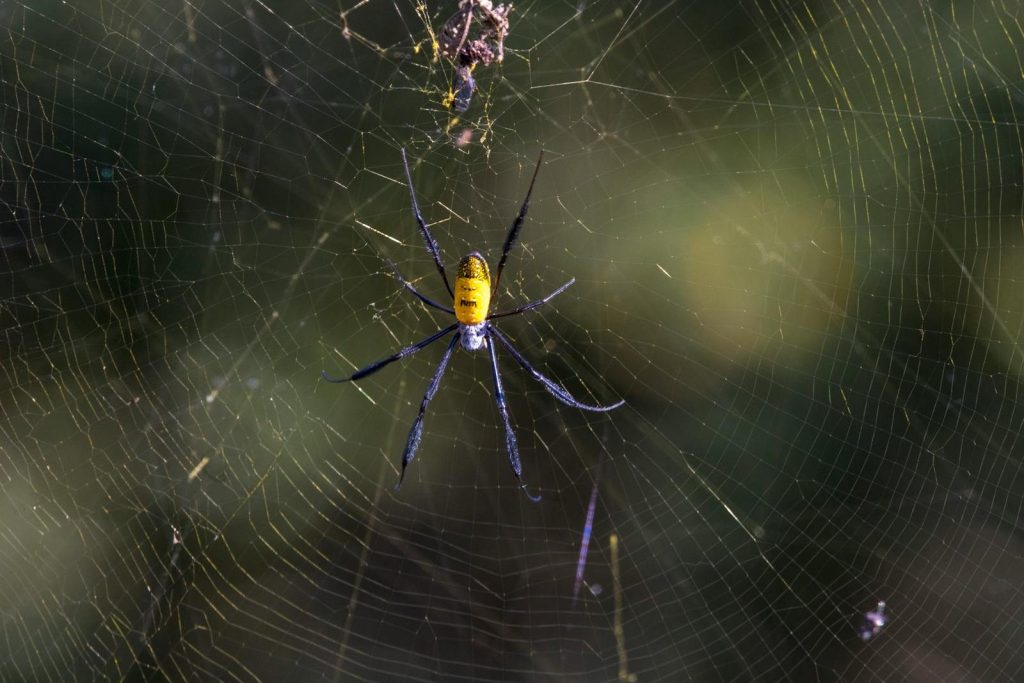
Spider webs are often described as traps, but they are also highly complex structures. They help spiders hunt, communicate, and sense changes in the environment.
Even with small nervous systems, spiders can show impressive behavior. They build precise webs, respond to different signals, and make quick survival decisions.
The Joro spider is a strong example of this hidden complexity. Its web allows it to detect vibrations and movements that humans would never notice.
What looks like a simple sheet of silk is actually a finely tuned detection system. It shows how evolution can create remarkable solutions using very small materials.