India contains the majority of the world’s remaining wild tigers, and its national monitoring program produces one of the largest wildlife-estimation exercises anywhere. The latest published nationwide reserve-level comparison remains the 2022 All India Tiger Estimation, whose detailed results identified five reserves with especially high tiger abundance.
Those numbers can help identify major tiger strongholds, but they should never be interpreted as a guarantee of seeing one. Tigers are wild, territorial, mobile, and often remarkably secretive. Even in a reserve containing many cats, a safari can end without a sighting. What the rankings really reveal is where some of India’s most important breeding populations are concentrated.
2022 Tiger Estimate

India’s fifth nationwide tiger assessment was completed in 2022. The National Tiger Conservation Authority reports a national estimate of 3,652 tigers, with an estimated range of 3,167 to 3,925. The detailed reserve-level report identified Corbett as having the highest tiger abundance, followed by Bandipur, Nagarhole, Bandhavgarh, and Dudhwa. As of August 2026, NTCA’s public site still presents the 2022 assessment as the latest completed national tiger status report, so these rankings should be understood specifically as the official 2022 comparison.
Corbett: 260

Corbett Tiger Reserve in Uttarakhand ranked first, with an estimated abundance of 260 tigers within the reserve in the 2022 assessment. That figure highlights the importance of the wider Terai Arc landscape, where maintaining habitat connections is crucial for allowing tigers to move between protected areas. A high count does not mean every section of Corbett is packed with visible cats. Individual tigers still occupy territories, move through dense habitat, and can remain hidden even when visitors are relatively close.
Bandipur: 150
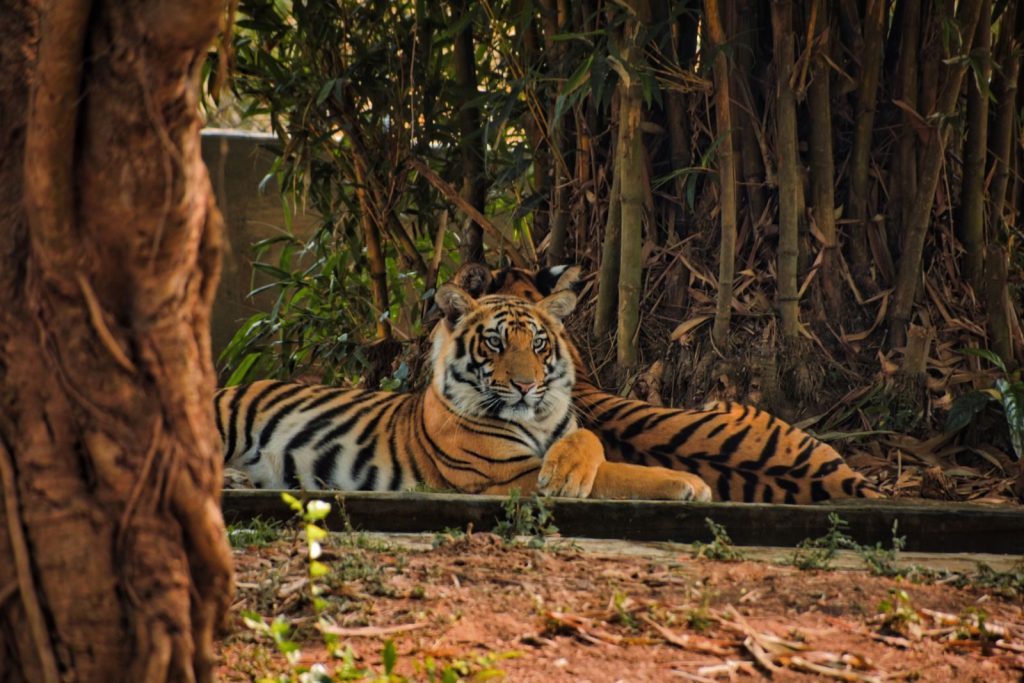
Bandipur Tiger Reserve in Karnataka ranked second in the nationwide reserve comparison, with an estimated abundance of 150 tigers. Bandipur forms part of a broader southern Indian conservation landscape containing several major protected areas and important wildlife populations. It also scored highly in India’s 2022 management-effectiveness evaluation. Numbers inside one administrative reserve tell only part of the ecological story, because tigers do not recognize human-drawn boundaries. Maintaining links with neighboring forests helps animals disperse, find mates, and preserve functioning populations across the larger landscape.
Nagarhole: 141
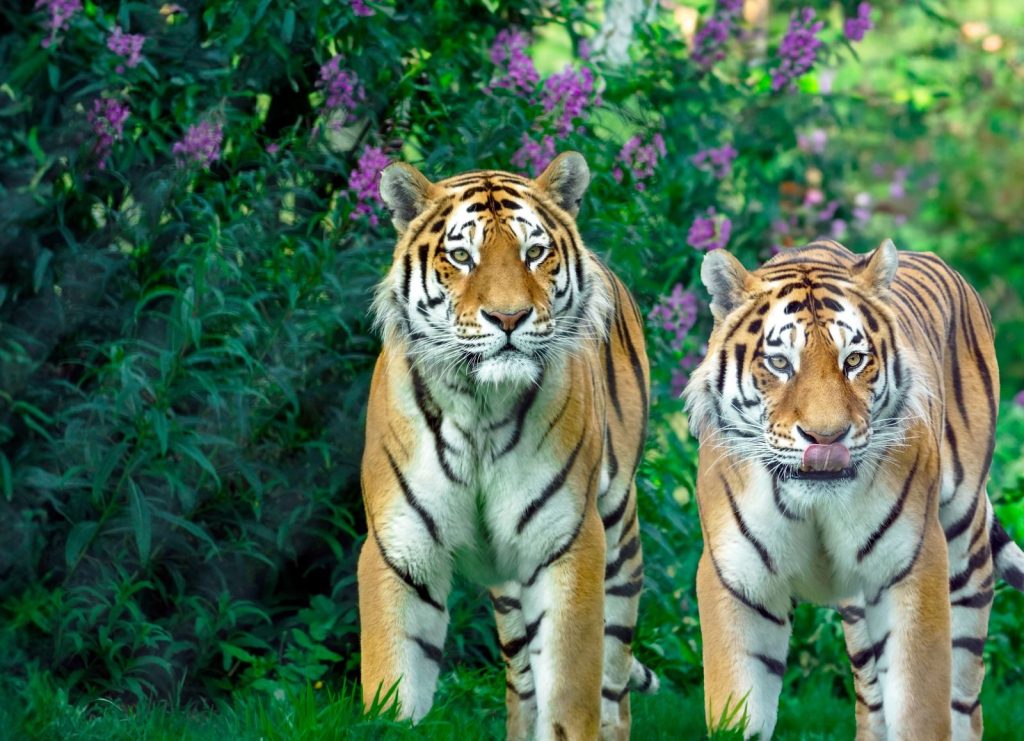
Nagarhole Tiger Reserve, also in Karnataka, followed closely with an estimated 141 tigers in the official 2022 reserve comparison. Like Bandipur, it forms part of the exceptionally important tiger landscapes of southern India. Nagarhole also ranked among the highest-scoring reserves in the 2022 management-effectiveness evaluation. For visitors, dense tiger populations can improve the possibility of encountering signs such as tracks, alarm calls, or occasionally the cats themselves. Still, no ethical wildlife operator can promise that a particular tiger will appear during a safari.
Bandhavgarh: 135
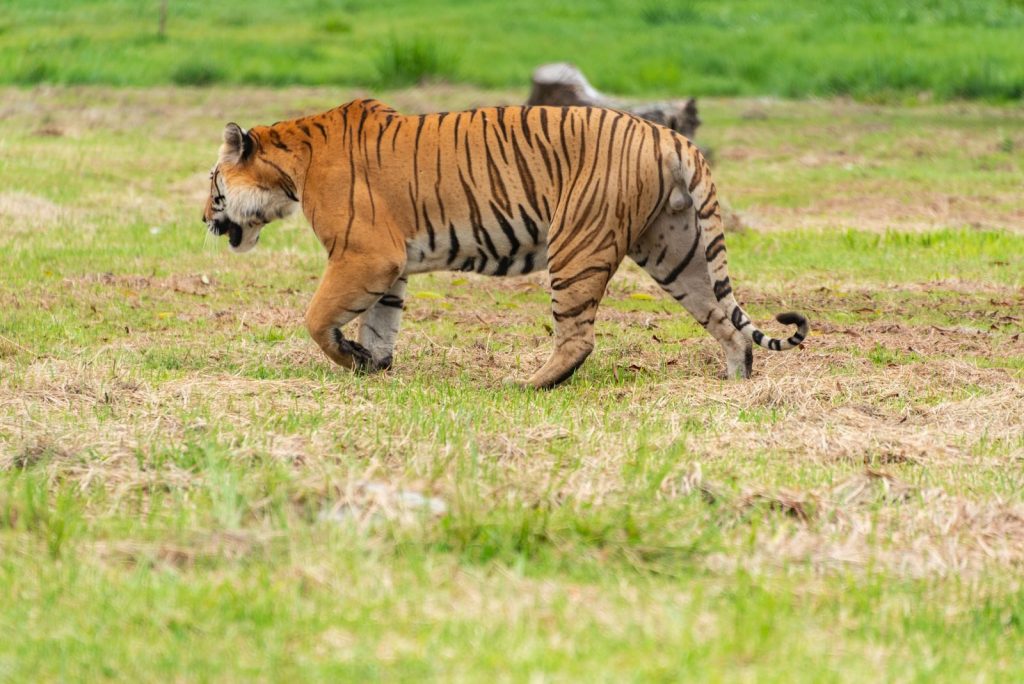
Bandhavgarh Tiger Reserve in Madhya Pradesh recorded an estimated abundance of 135 tigers, placing it jointly near the top of the official 2022 ranking. Madhya Pradesh itself held India’s largest state-level tiger population in that assessment, with an estimated 785 animals. Bandhavgarh’s prominence therefore sits within a much larger central Indian conservation story. Strong reserve populations depend on prey, habitat quality, protection, and links to other forests. As tiger numbers grow, protecting movement corridors outside famous tourism zones becomes increasingly important for long-term population stability.
Dudhwa: 135

Dudhwa Tiger Reserve in Uttar Pradesh also recorded an estimated abundance of 135 tigers, tying Bandhavgarh in the 2022 reserve figures. Dudhwa lies within the Terai landscape along India’s northern plains, an ecologically important region shared by numerous large mammals. Its ranking shows that high-value tiger landscapes are not confined to the better-known reserves of central and southern India. Protecting forests, prey, and connectivity in the Terai is particularly important because wildlife moves through landscapes that extend beyond individual parks and, in some cases, across international boundaries.
Sightings Aren’t Guaranteed
The phrase “highest tiger population” can easily create unrealistic expectations for tourists. A reserve is not a zoo, and a population estimate does not translate directly into the likelihood of a tiger walking beside a safari vehicle. Weather, vegetation, water availability, tiger territories, visitor routes, time of day, and simple chance all influence sightings. Responsible wildlife tourism should therefore focus on experiencing the entire ecosystem rather than pressuring guides to chase a particular animal. A tiger seen naturally is far more meaningful than a sighting treated as guaranteed entertainment.
Numbers Guide Protection

Tiger estimates matter primarily because conservation managers need to know whether populations and habitats are functioning. India uses camera traps and other standardized monitoring techniques to estimate abundance and track changes through time. Reserve rankings can attract public attention, but conservation success also depends on places between reserves. Dispersing tigers need connected habitat, and isolated populations can become vulnerable even when individual parks appear successful. The five highest 2022 reserve counts therefore represent strongholds within a much larger network that must remain connected if India’s tiger recovery is to continue.
Featured Image: Photo by Daiwik Shah on Pexels