Skip to content

Recent Posts

  • A Leopard Chased a Porcupine, but the Quills Stopped the Hunt
  • Fisherman Frees a Cygnet From Fishing Line and Reunites It With Its Parent
  • 8 Real Baby Animal Moments Cameras Make Impossible to Ignore
  • The World’s Most Dangerous Animals, Ranked by Verified Human Deaths
  • Fascinating Facts About Moose, Canada’s Iconic Giant

Most Used Categories

  • Nature & Wildlife (703)
  • Risk (59)
  • Human Interest (35)
  • Hunting (19)
  • Exotic Animals (18)
  • Survival (17)
  • Bees/Swarms fear (14)
  • Suspense (9)
  • Adventure (3)
  • Gears (2)
Skip to content
  • About Us
  • Contact Us
  • Disclaimer
  • Privacy Policy
  • Terms & Conditions

Hive Hunters Tales

  • Suspense
  • Nature & Wildlife
  • Human Interest
  • Hunting
  • Bees/Swarms fear
  • Exotic Animals
  • Risk
  • Survival
  • Adventure
  • Gears
  • Home
  • Nature & Wildlife
  • Why Elephants May Be Eating Banana Plants Instead of the Fruit
two grey elephants on grass plains during sunset

Why Elephants May Be Eating Banana Plants Instead of the Fruit

JakeJuly 25, 2026July 25, 2026

When wild elephants raid farms, they often leave behind a puzzling scene. Instead of feasting on ripe bananas or papayas, they frequently strip the plants of their stems and leaves, leaving much of the fruit untouched. New research suggests this surprising behavior may be less about hunger and more about health.

A Curious Crop-Raiding Habit
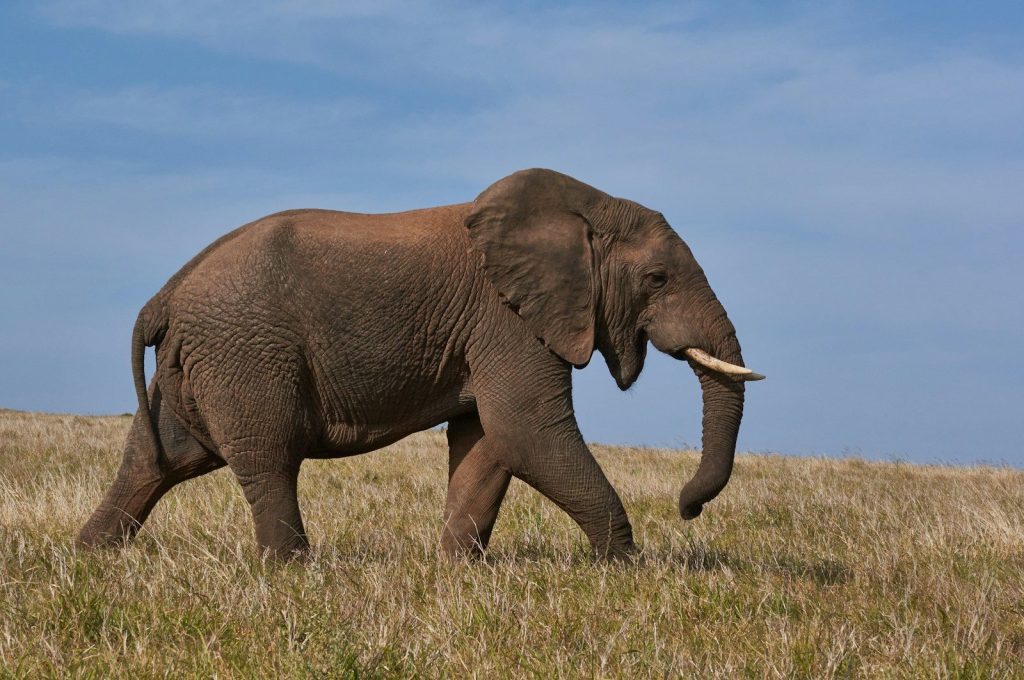
brown elephant on green grass field during daytime
Photo by Wolfgang Hasselmann on Unsplash

Farmers have long noticed that elephants often damage banana and papaya crops without eating the fruit itself. The animals consume the fibrous stems and leafy parts of the plants, leaving behind what many would consider the most desirable food.

This unusual feeding pattern has puzzled researchers for years.

Scientists Suspect Self-Medication
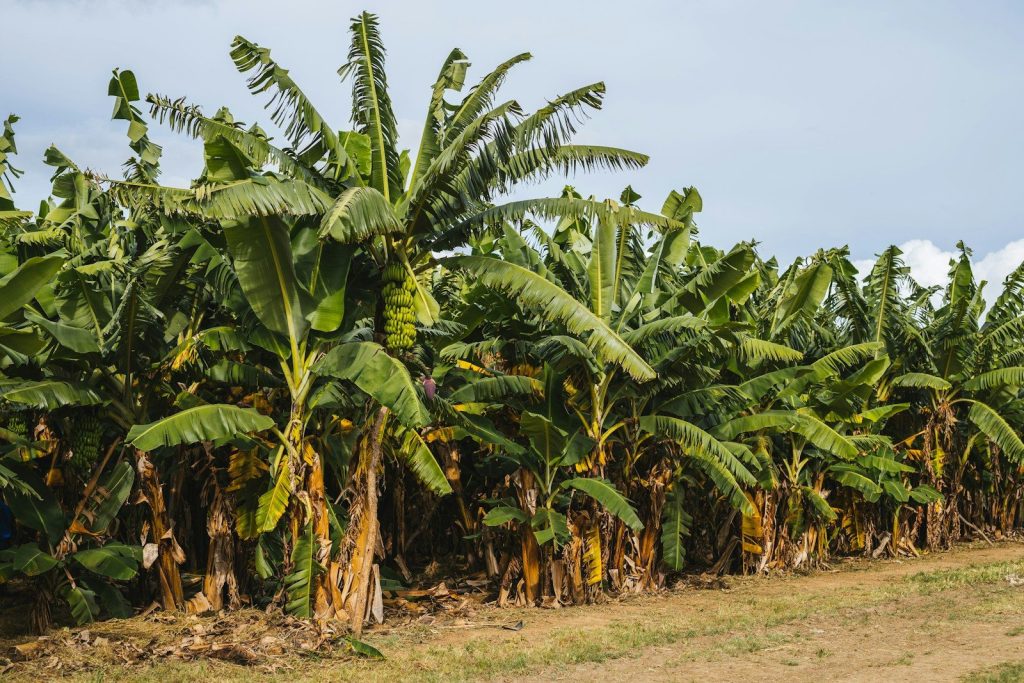
green palm tree on brown field during daytime
Photo by Vije Vijendranath on Unsplash

A recent study published in Ecological Solutions and Evidence suggests elephants may be using certain crop plants as natural medicine.

Researchers studying forest elephants found that crop-raiding became more common when the animals were suffering from gastrointestinal parasite infections. The stems and leaves they consumed may contain compounds that help relieve digestive problems or reduce parasite loads.

Could Alternative Treatments Reduce Conflict?
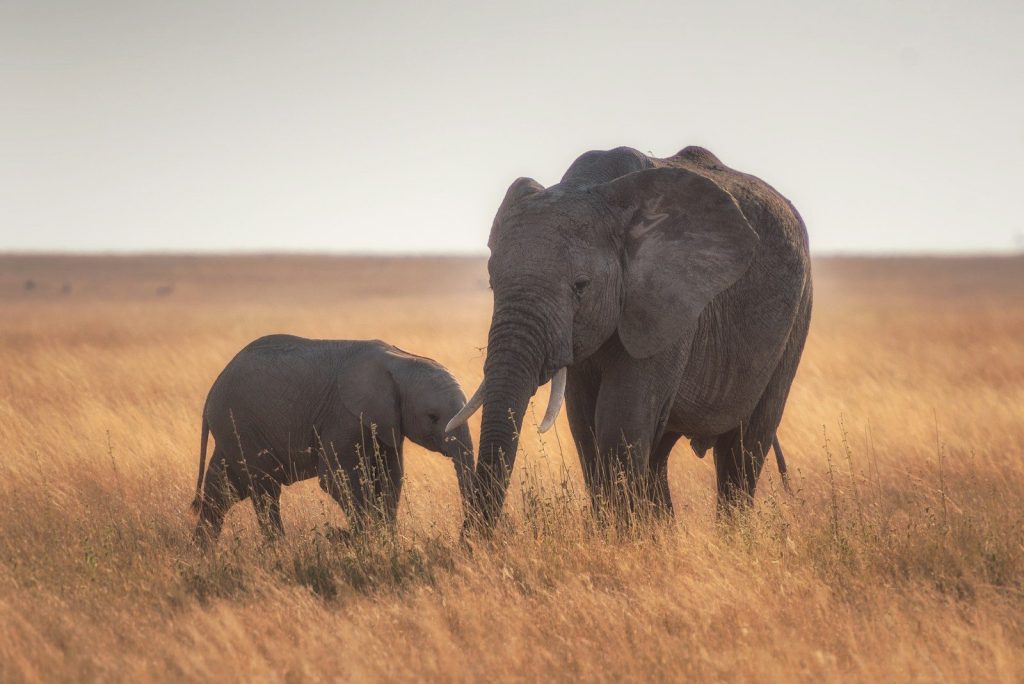
elephants standing on dried grass
Photo by Hu Chen on Unsplash

In regions such as Gabon, crop-raiding often leads to dangerous conflicts between elephants and farmers. In some cases, elephants are injured or killed to protect farmland.

Researchers believe providing elephants with alternative sources of beneficial minerals or natural antiparasitic supplements away from farms could reduce the need for crop raids while helping protect both wildlife and local livelihoods.

Animal Medicine Could Inspire Human Treatments

a monkey eating leaves off of a tree
Photo by Srinivasan Venkataraman on Unsplash

The idea that animals self-medicate is not new. Scientists have documented chimpanzees, birds, and other wildlife intentionally consuming specific plants when ill.

In fact, previous observations of self-medicating chimpanzees in Uganda have contributed to research that informed new approaches to treating malaria. Understanding how elephants naturally manage illness could one day provide valuable insights for both wildlife conservation and human medicine.

A Reminder That Animal Behavior Has a Purpose
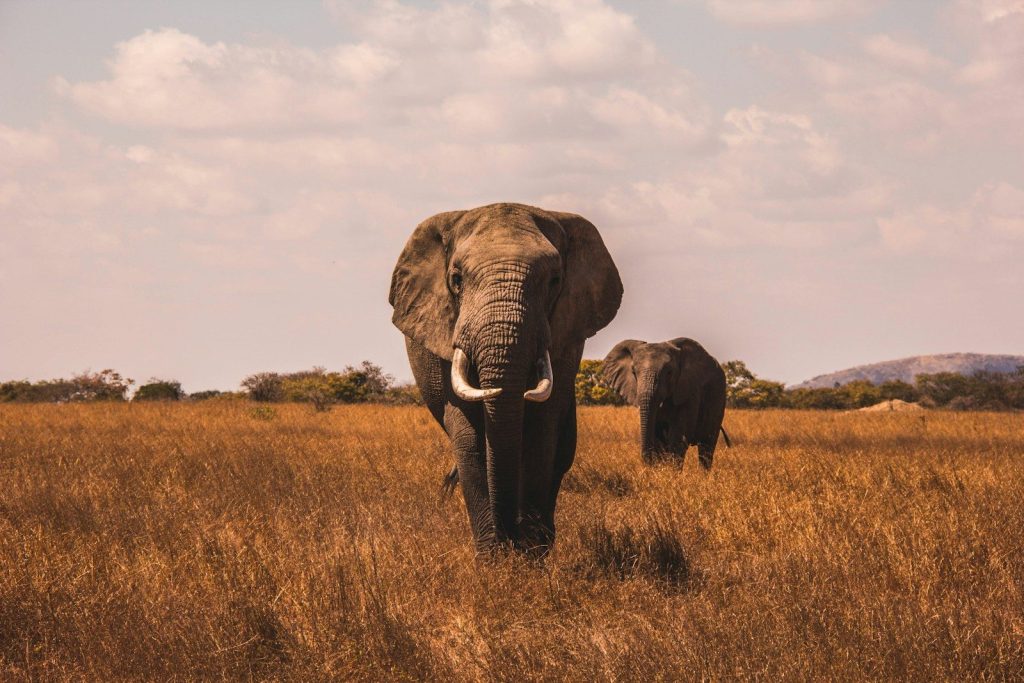
two elephants walking on grass covered ground
Photo by AJ Robsin on Unsplash

What appears to be destructive behavior may actually be a sophisticated survival strategy. Rather than wasting food, elephants could be selecting exactly what their bodies need to stay healthy.

As researchers continue studying these remarkable animals, their discoveries reveal just how much there is still to learn about the intelligence and adaptability of wildlife.

Disclaimer: Images are for illustrative purposes only.

Featured Image: Photo by Mylon Ollila on Unsplash
Post navigation

Previous: Alaska Woman Seriously Injured After Bear Attacks While She Protects Her Dog
Next: Alabama HOA Sparks Debate After Ordering the Culling of 550 Canada Geese

Related Posts

brown coated monkey on branch

8 Real Baby Animal Moments Cameras Make Impossible to Ignore

August 4, 2026August 4, 2026 Jake
black moose on brown grass field during daytime

Fascinating Facts About Moose, Canada’s Iconic Giant

July 31, 2026July 31, 2026 Jake
a large reptile walking on a road

6 of the Most Protective Parents in the Animal Kingdom

July 31, 2026July 31, 2026 Jake

Leave a Reply Cancel reply

Your email address will not be published. Required fields are marked *

Recent Posts

  • A Leopard Chased a Porcupine, but the Quills Stopped the Hunt
  • Fisherman Frees a Cygnet From Fishing Line and Reunites It With Its Parent
  • 8 Real Baby Animal Moments Cameras Make Impossible to Ignore
  • The World’s Most Dangerous Animals, Ranked by Verified Human Deaths
  • Fascinating Facts About Moose, Canada’s Iconic Giant
Copyright All Rights Reserved | Theme: BlockWP by Candid Themes.