Moose are among the most recognizable animals in Canada, roaming forests, wetlands, lakes, and remote wilderness areas across the country. Their enormous size, distinctive antlers, and unusual appearance make them one of North America’s most fascinating mammals. Despite their slow, lumbering appearance, moose are surprisingly capable animals with excellent swimming skills, impressive speed, and remarkable adaptations for surviving harsh winters. From their unusual diets to their powerful antlers, these six facts reveal why moose remain one of Canada’s most iconic wild animals.
Moose Are the Largest Members of the Deer Family
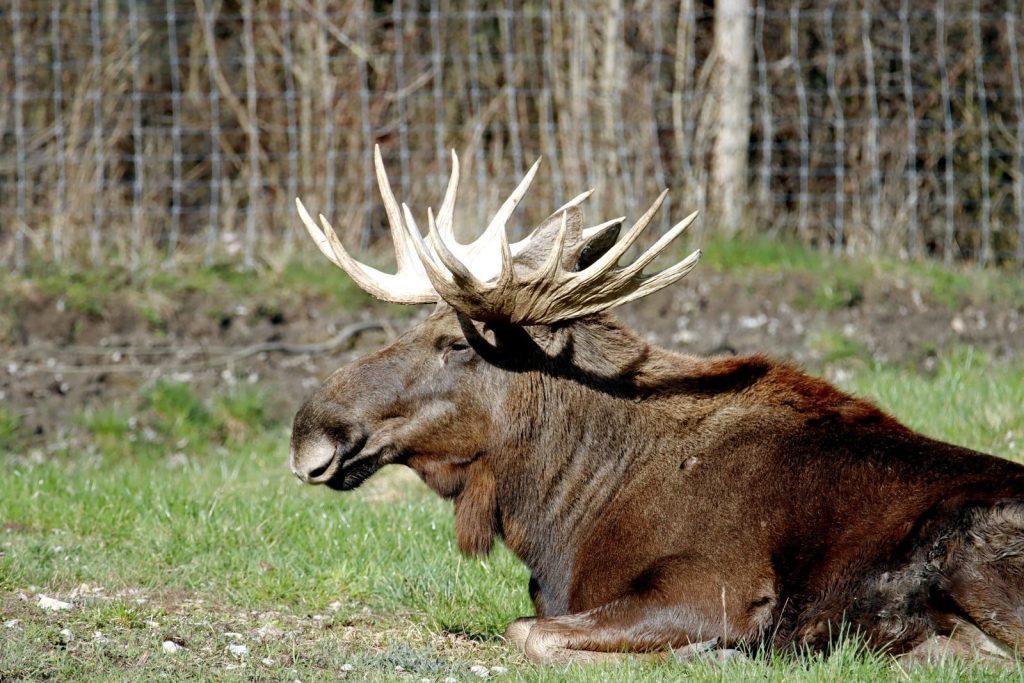
The moose is the largest living member of the deer family. Adult males can weigh well over 1,000 pounds, while females are generally smaller but still remarkably large.
Their long legs allow them to move through deep snow and wetlands more easily than many other animals. Their size also helps them reach vegetation that smaller herbivores cannot access.
Their Antlers Can Grow at Incredible Speed
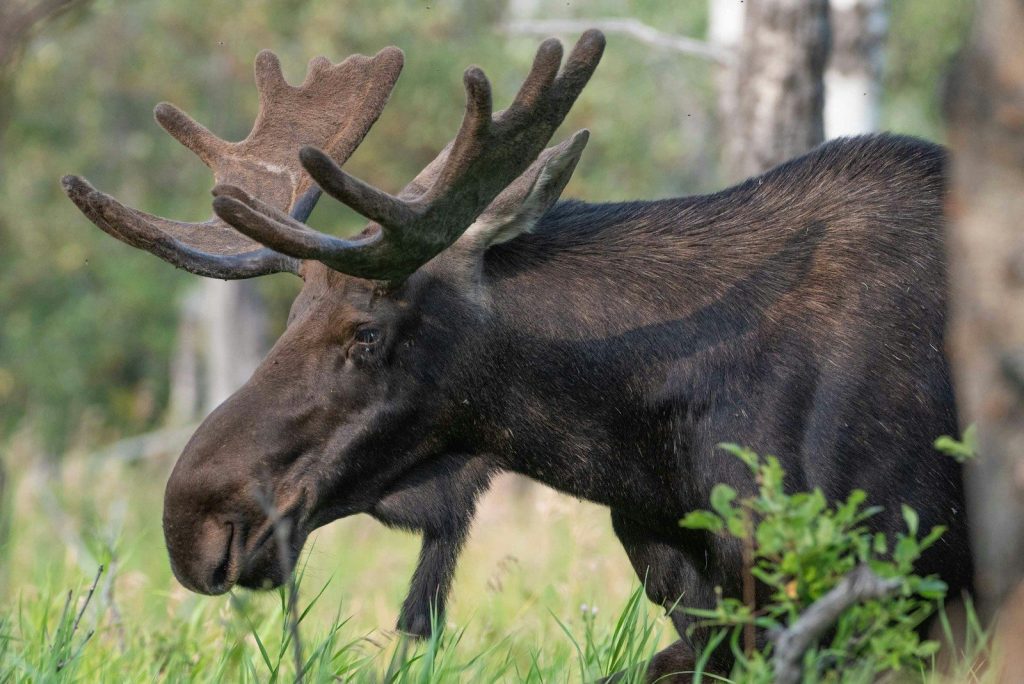
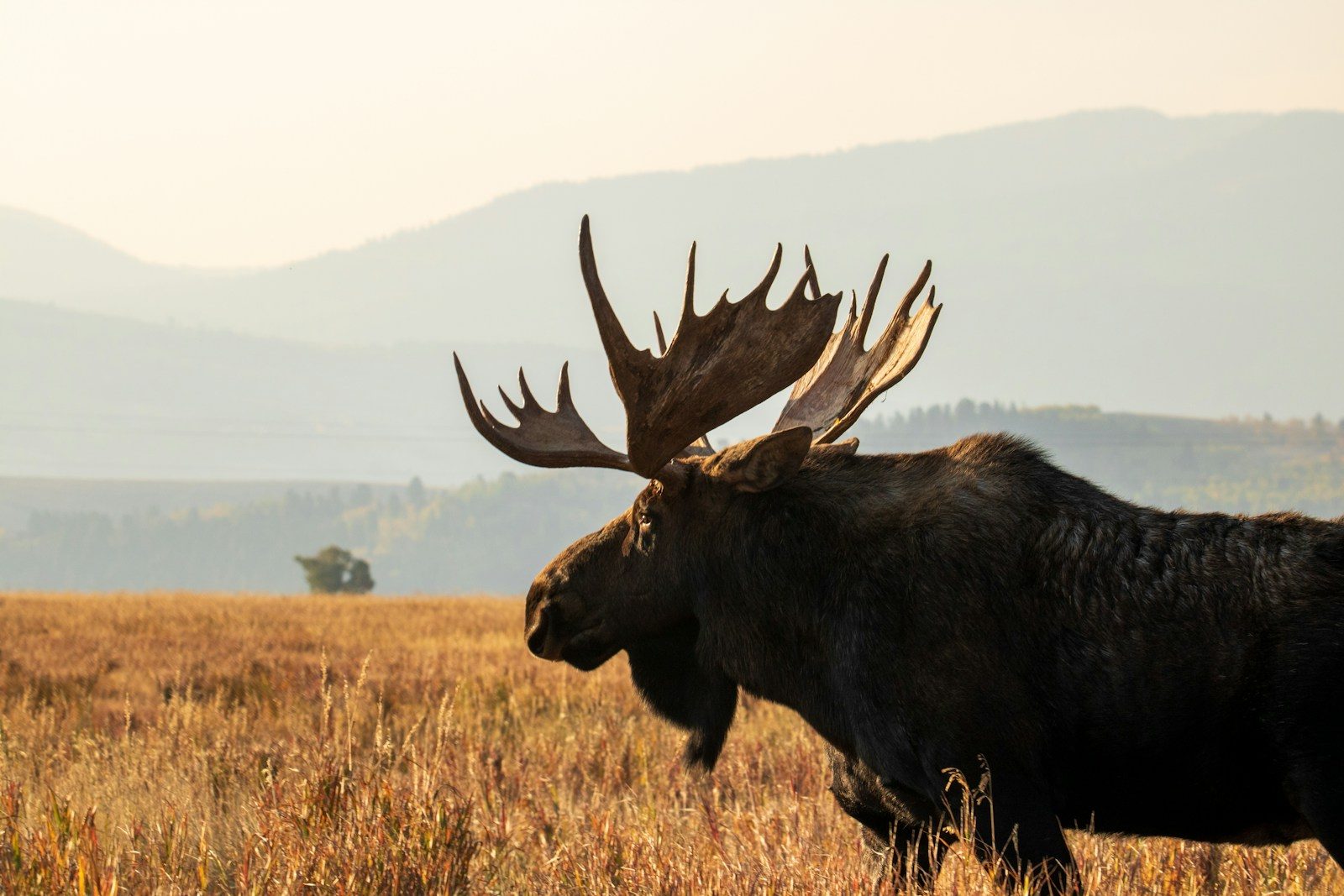
Male moose grow a new set of antlers every year. During the growing season, antlers can develop at an astonishing rate, making them among the fastest-growing bones in the animal kingdom.
The antlers are covered in a soft layer called velvet while they grow. Once fully developed, the velvet dries and is rubbed away, leaving behind the hard antlers used during competition with other males.
Moose Are Excellent Swimmers
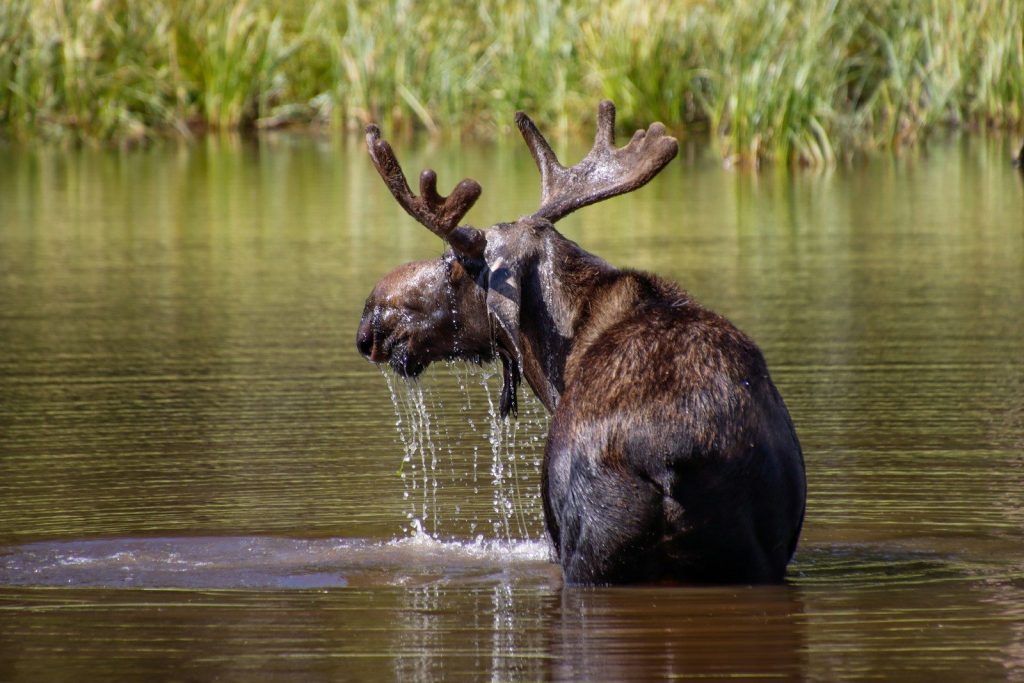
Despite their massive bodies, moose are surprisingly strong swimmers. They can cross wide lakes and rivers and may remain underwater for significant periods while searching for aquatic plants.
Their long legs and powerful bodies help them move efficiently through water. Moose may also dive to reach vegetation growing beneath the surface.
They Can Run Faster Than They Look
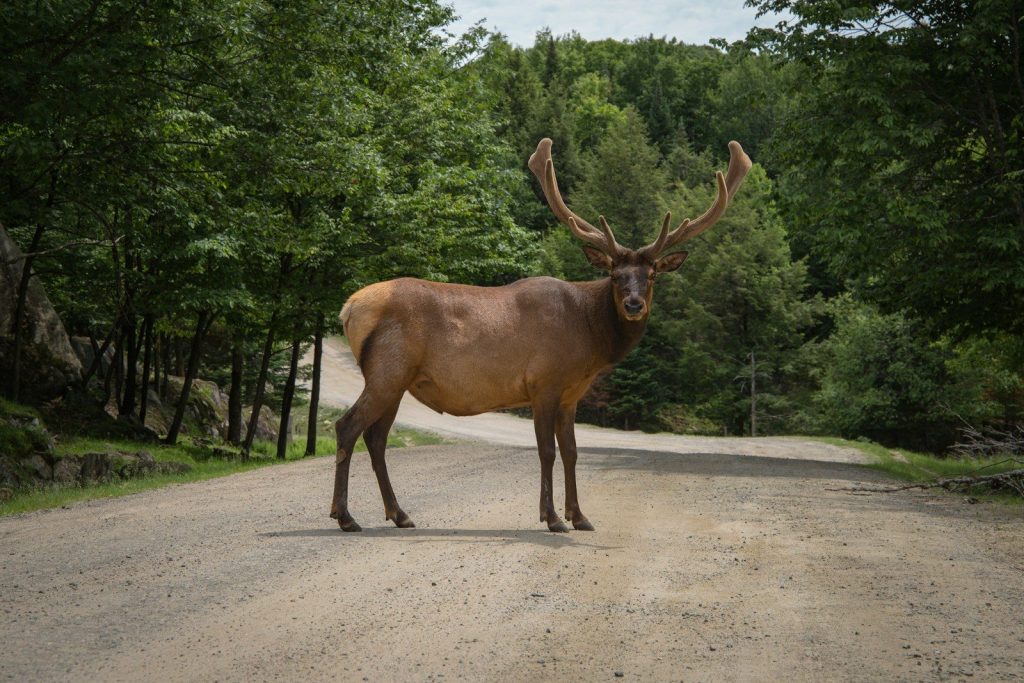
A moose may appear slow and awkward, but it can run at impressive speeds when threatened. Its long legs allow it to cover rough terrain quickly, even through forests and uneven ground.
Moose can also kick with tremendous force, making it dangerous to approach them too closely, particularly during mating season or when a mother is protecting a calf.
Moose Have Adapted to Harsh Winters
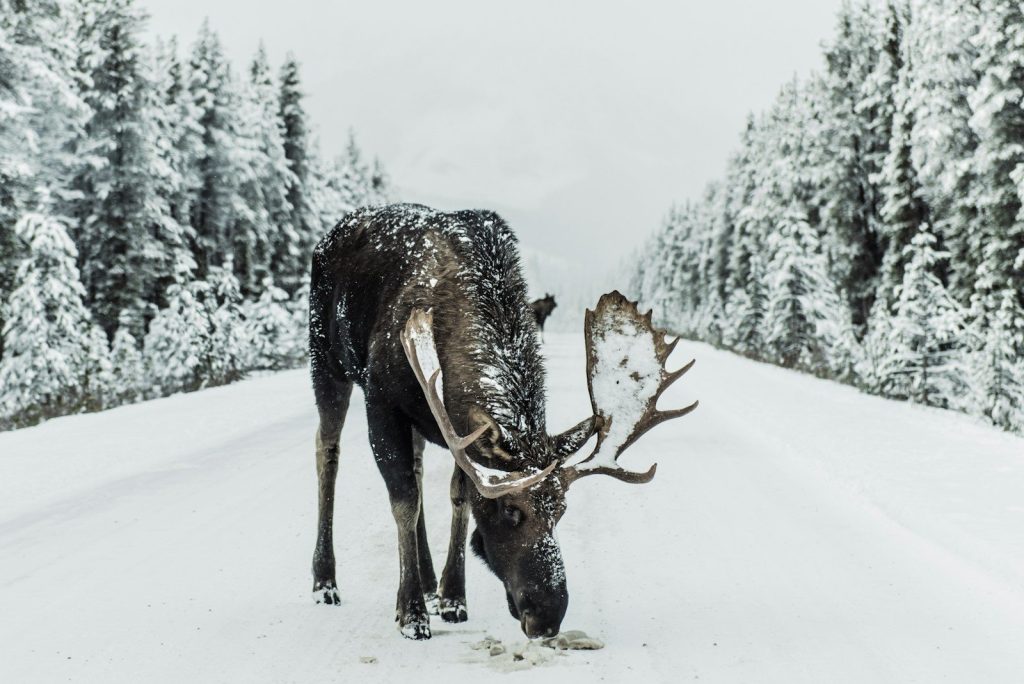
Canada’s cold winters can be extremely challenging, but moose possess several adaptations that help them survive. Their thick coats provide excellent insulation, while their large bodies help conserve heat.
Their long legs also allow them to move through snow in search of food. During winter, moose primarily browse on twigs, bark, and other woody vegetation when fresh plants are unavailable.
They Depend on Aquatic Plants and Wetlands
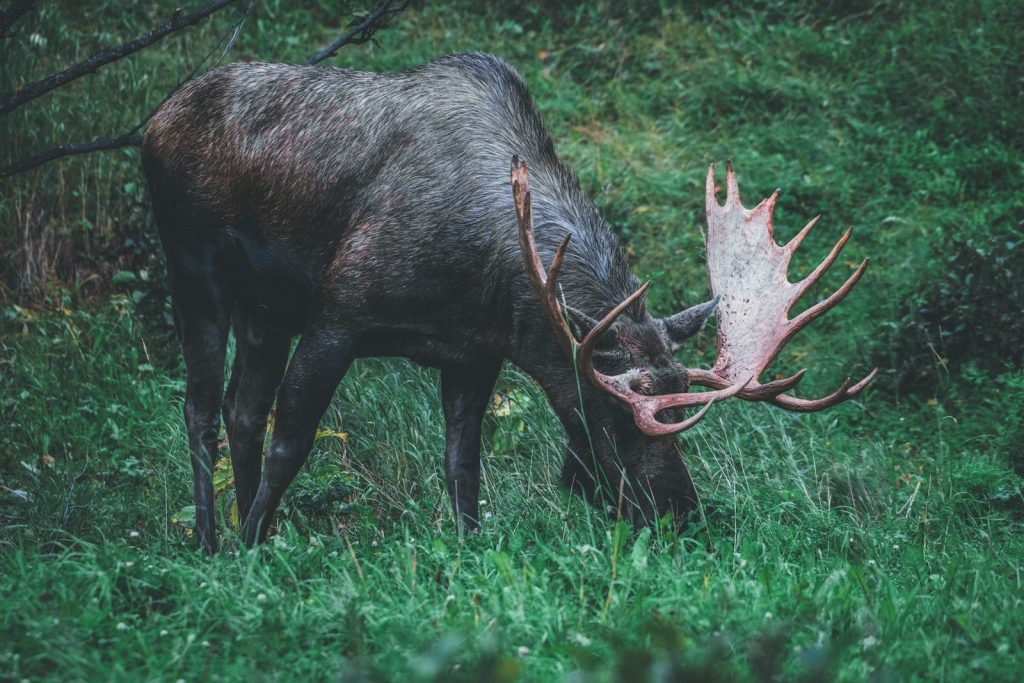
Moose are often found near lakes, rivers, ponds, and marshes because these habitats provide important sources of food. They feed on aquatic plants, shrubs, leaves, and other vegetation.
Wetlands also offer protection from some predators and provide cool water during warmer months. Their close relationship with these habitats makes healthy wetlands essential to moose populations across Canada.
Featured Image: Photo by Cora Leach on Unsplash