Protective parenting is found throughout the animal kingdom, but some species take caring for their young to extraordinary levels. From mammals that risk their lives defending their offspring to birds that carefully protect their eggs and chicks, animal parents use remarkable strategies to give their young the best chance of survival. These behaviors may include guarding, carrying, feeding, teaching, and even sacrificing their own safety. Here are six animals known for displaying some of the strongest protective instincts in nature.
Elephants

Elephant mothers and other members of the herd work together to protect young calves. When danger appears, adults often form a defensive circle around the smallest members of the group.
Older females also help care for and supervise calves, creating a strong family network. Young elephants learn important survival skills by observing experienced members of the herd.
Orangutans
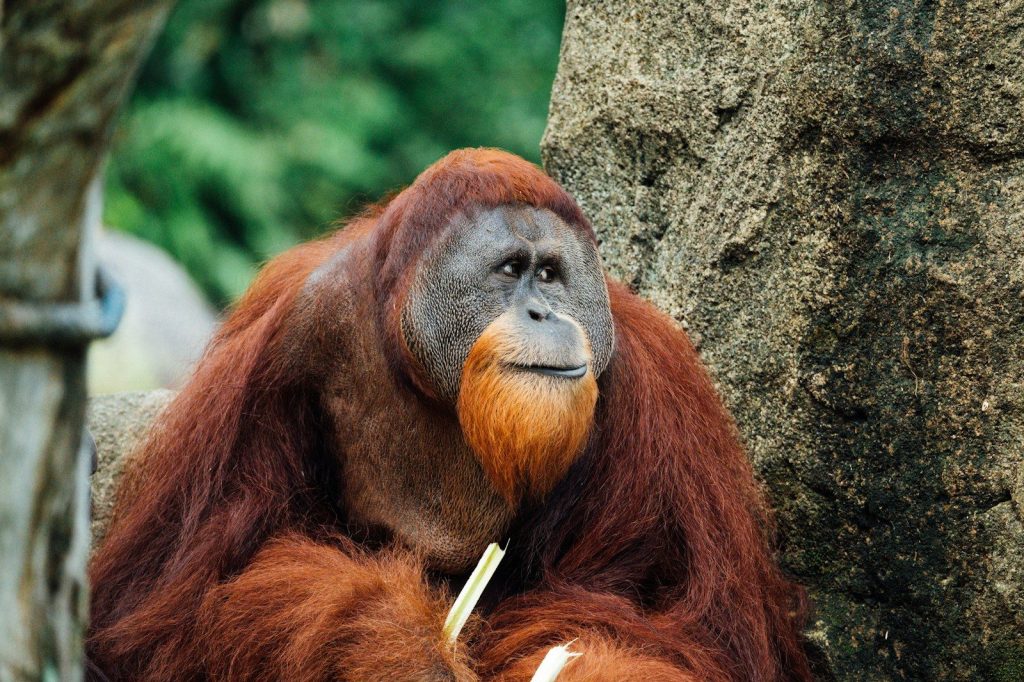
Orangutan mothers form exceptionally close bonds with their babies. A young orangutan may remain dependent on its mother for many years while learning how to find food, build sleeping nests, and move safely through the forest.
This long period of care allows the young animal to develop the skills it needs to survive independently in the complex rainforest environment.
Crocodiles

Crocodiles may appear fierce and intimidating, but they can be remarkably attentive parents. Mothers often guard their nests from predators and may help hatchlings emerge from their eggs.
After hatching, young crocodiles can remain near their mother for an extended period. She may even carry them gently in her powerful jaws to help move them safely to water.
Emperor Penguins
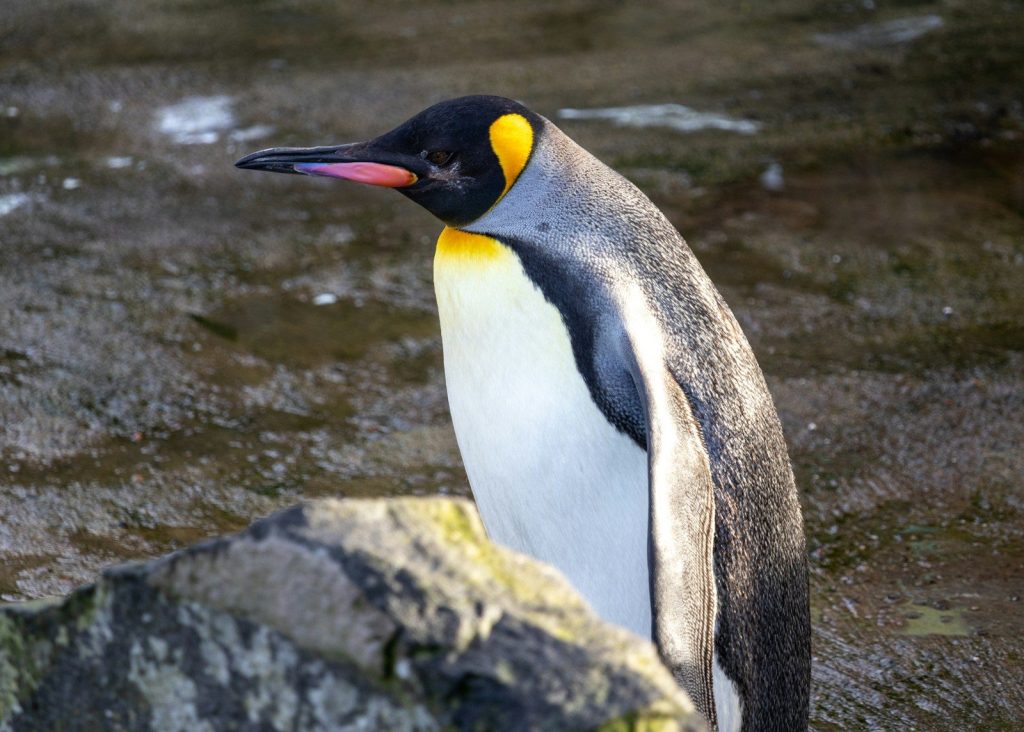
Emperor penguin parents face some of the harshest conditions on Earth while raising their young. After the female lays a single egg, the male carefully balances it on his feet and protects it beneath a fold of skin.
He may endure freezing temperatures and powerful winds for weeks while the female travels to the ocean to feed. The parents later take turns caring for the chick and searching for food.
Wolves
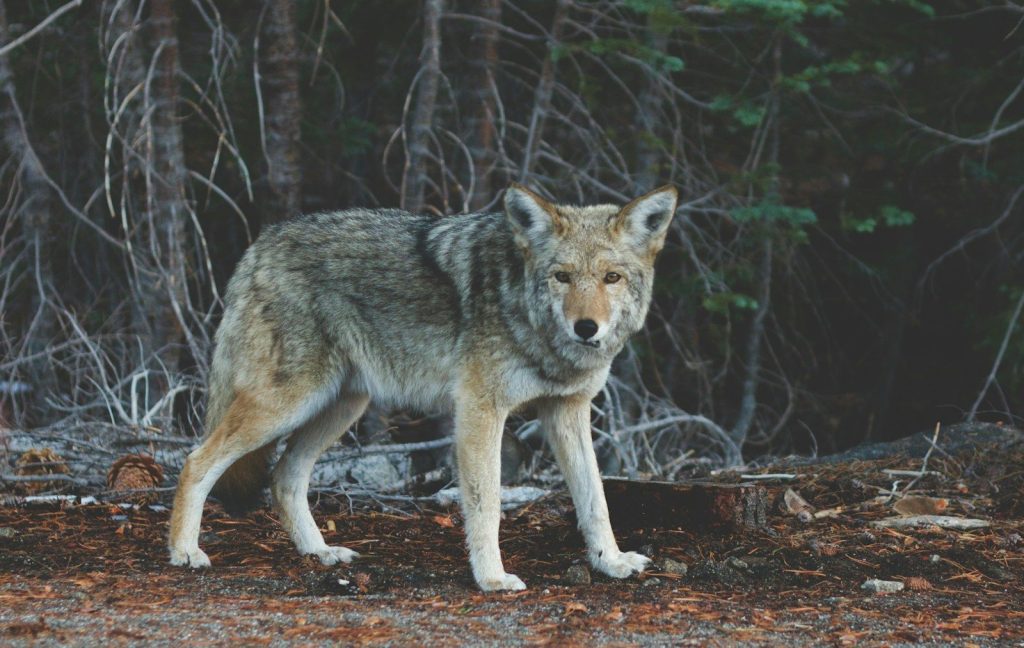
Wolf parents rely on the entire pack to help raise their pups. Adults protect the den, provide food, and teach young wolves important skills as they grow.
Older siblings and other pack members may also help care for the pups. This cooperative system gives young wolves greater protection and improves their chances of surviving in the wild.
Alligators

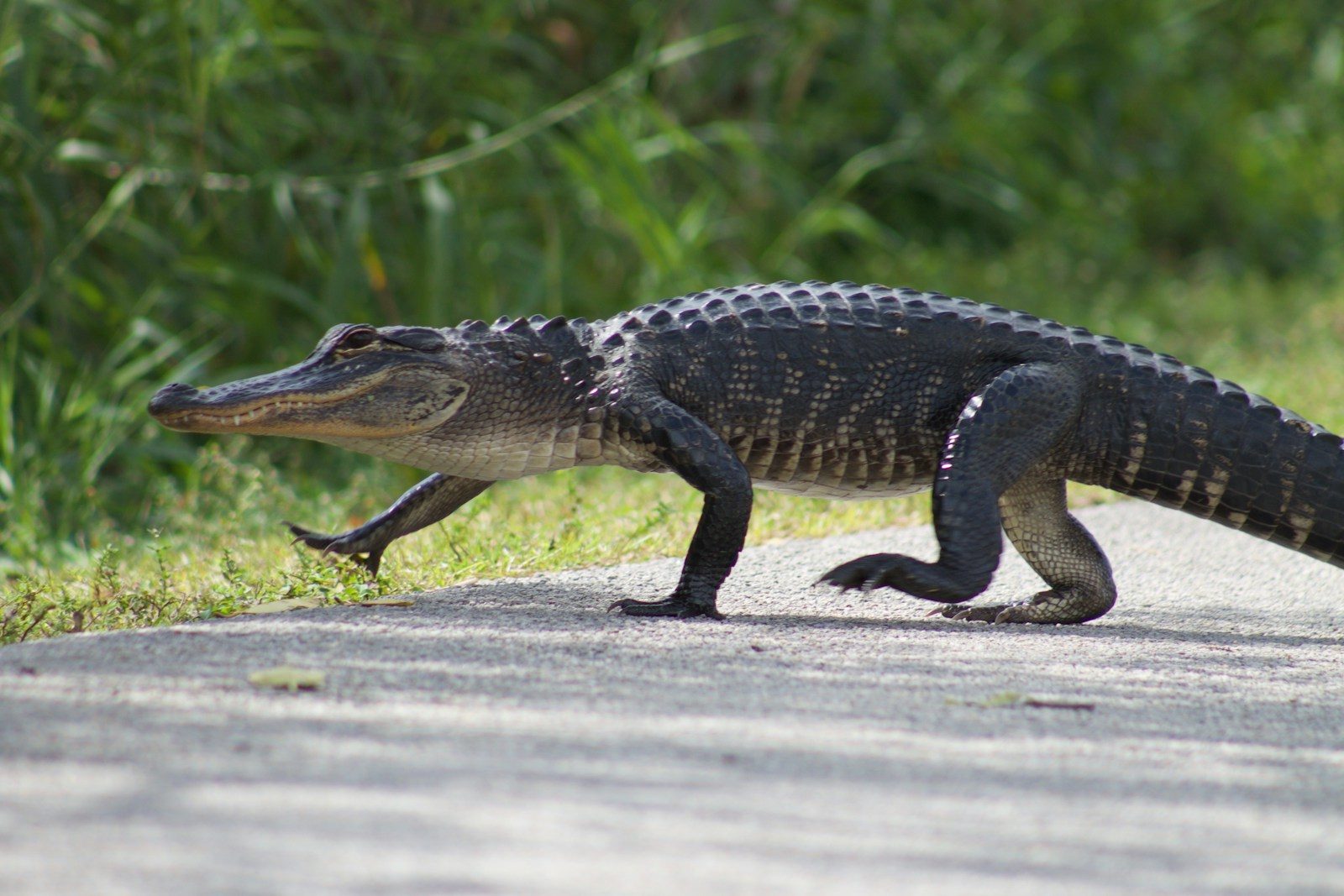
Female alligators are highly protective of their nests and young. They may remain nearby to defend eggs from predators and respond to the calls of hatchlings after they emerge.
A mother alligator can also carry her young in her mouth without harming them, transporting them safely to suitable water. She may continue protecting the hatchlings for months after they leave the nest.
Featured Image: Photo by Michael Prewitt on Unsplash