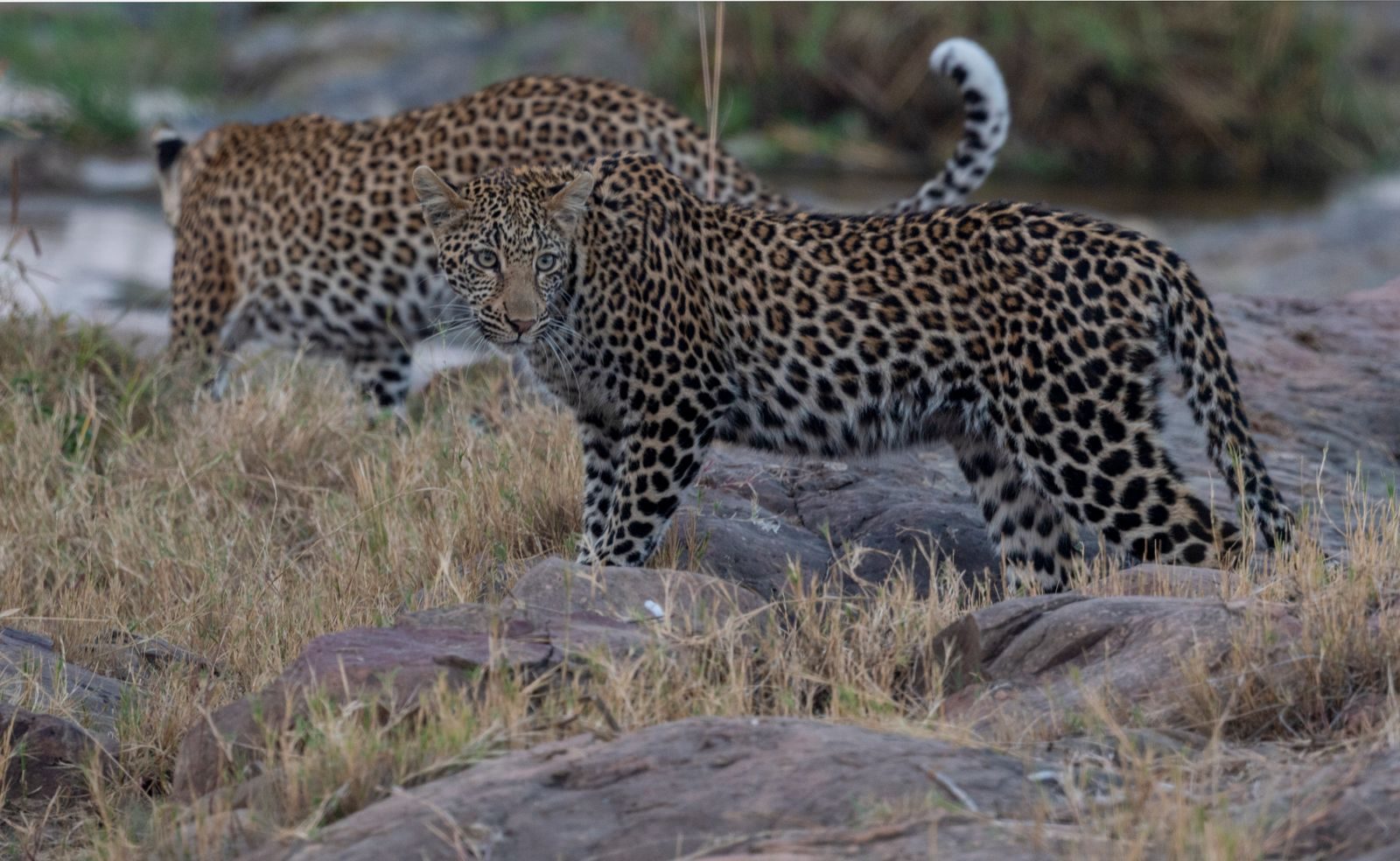
A dramatic wildlife encounter filmed in South Africa’s Kruger National Park showed a leopard pursuing two porcupines. One of the porcupines eventually turned its defended hindquarters toward the cat.
The footage documented a tense hunt and retreat, but it cannot prove that the leopard “regretted” its decision. What it clearly showed was a predator recognizing that its intended prey carried serious defenses.
The Encounter Began in Kruger
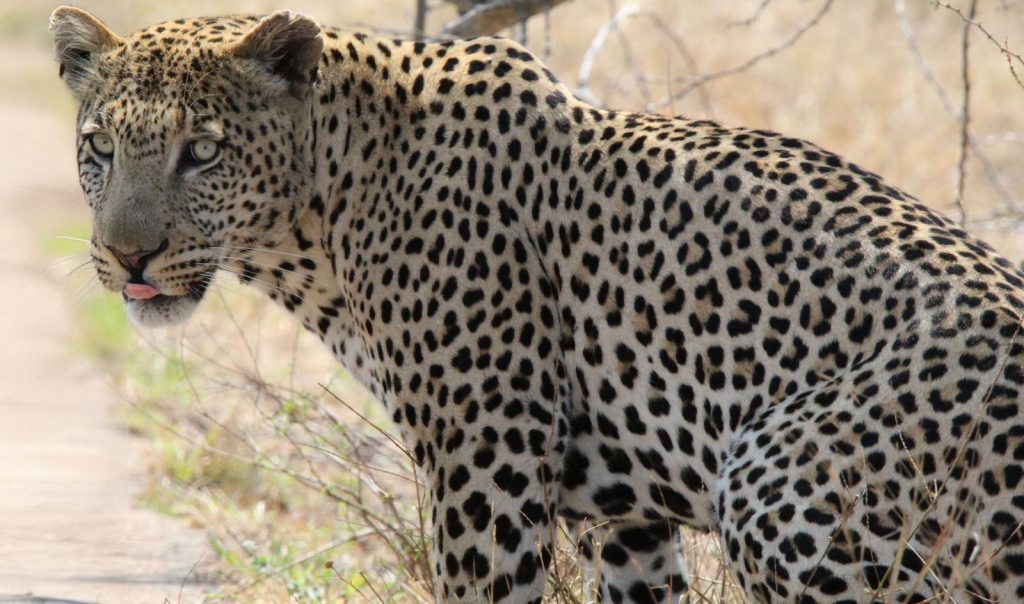
The footage was recorded in Kruger National Park in December 2016. A leopard encountered two porcupines and began following them. Leopards are adaptable hunters, but approaching an adult porcupine creates a risk that is very different from pursuing prey without long defensive quills.
The Leopard Gave Chase
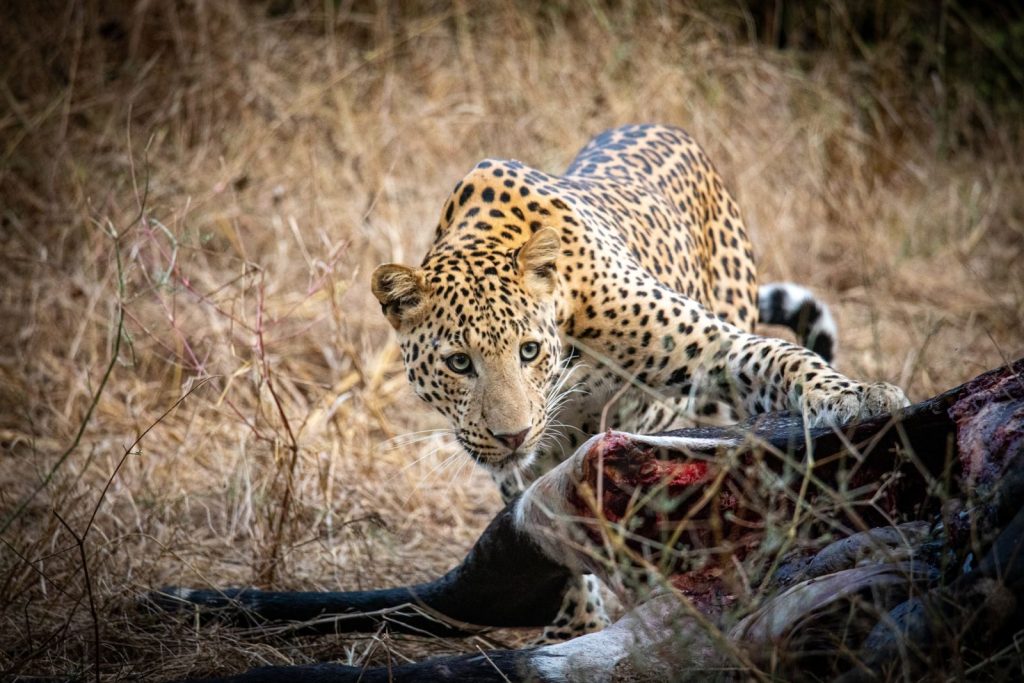
The porcupines initially moved away while the leopard followed. Running can expose the back and hindquarters, but those are also the most heavily defended parts of a porcupine. The predator therefore had to approach the very area carrying the animal’s longest and most dangerous quills.
One Porcupine Turned
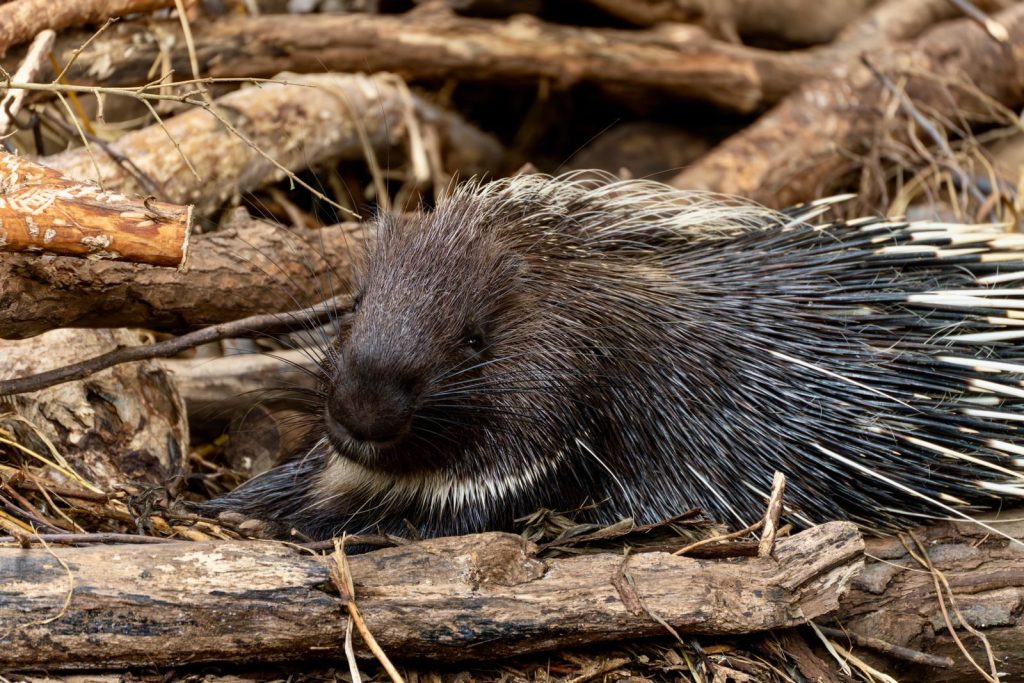
Rather than continuing to flee, one porcupine spun around and directed its quilled hindquarters toward the leopard. It then moved toward the cat, reversing the pressure of the encounter. The leopard was no longer simply chasing prey; it was facing an animal prepared to defend itself at close range.
The Quills Rose
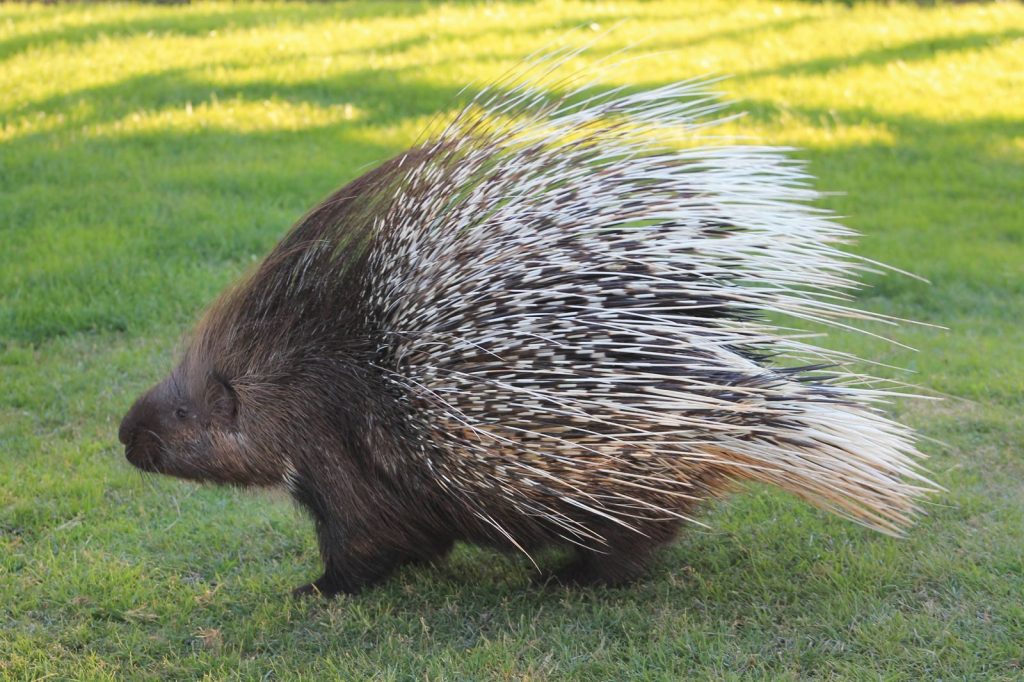
Porcupine quills normally lie flatter against the body but rise when the animal feels threatened. The display makes the porcupine appear larger and places a dense barrier of sharp structures between its vulnerable body and the attacker. The quills are modified hairs made from keratin.
Porcupines Do Not Shoot Quills
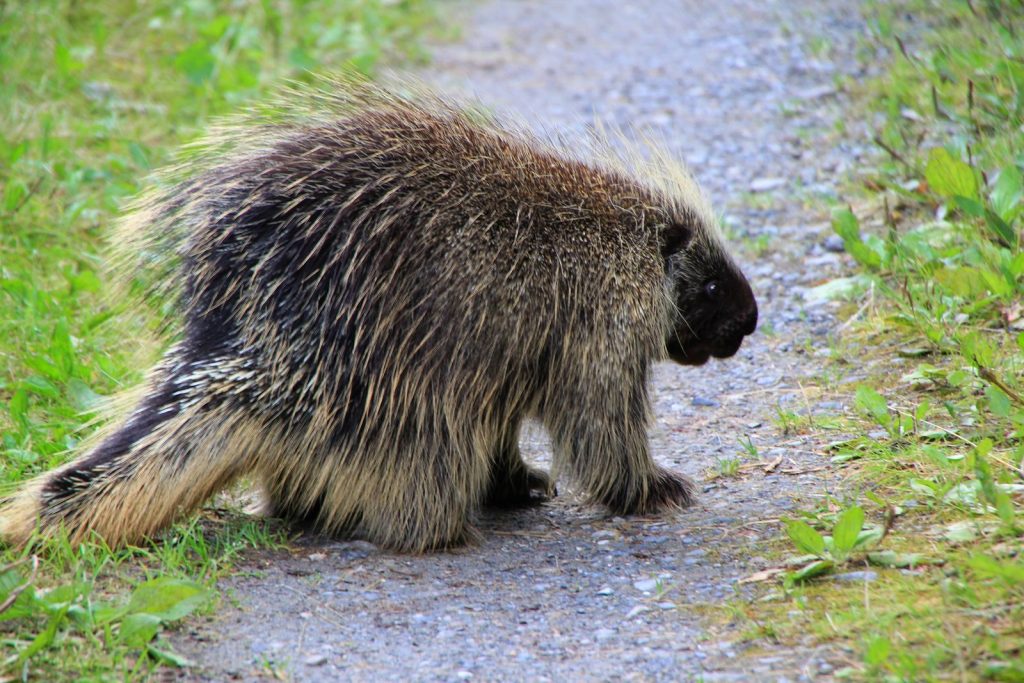
Despite a common myth, porcupines cannot fire their quills through the air. The quills can detach easily during physical contact, and some have sharp tips or backward-facing structures that make removal difficult. A predator must get close enough to touch the animal before becoming embedded.
The Standoff Continued
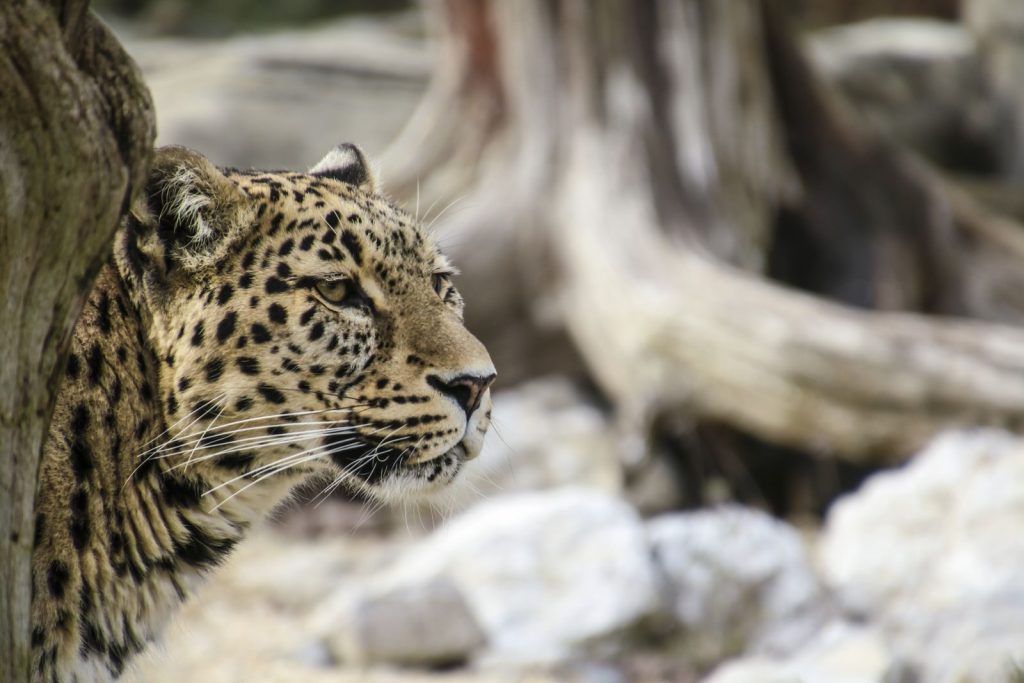
The leopard continued testing the porcupine rather than immediately abandoning the hunt. The footage showed a tense exchange as the cat searched for an opening and the porcupine kept its defenses directed toward the threat. A successful attack would have required reaching past the quills without suffering a serious injury.
The Porcupine Escaped
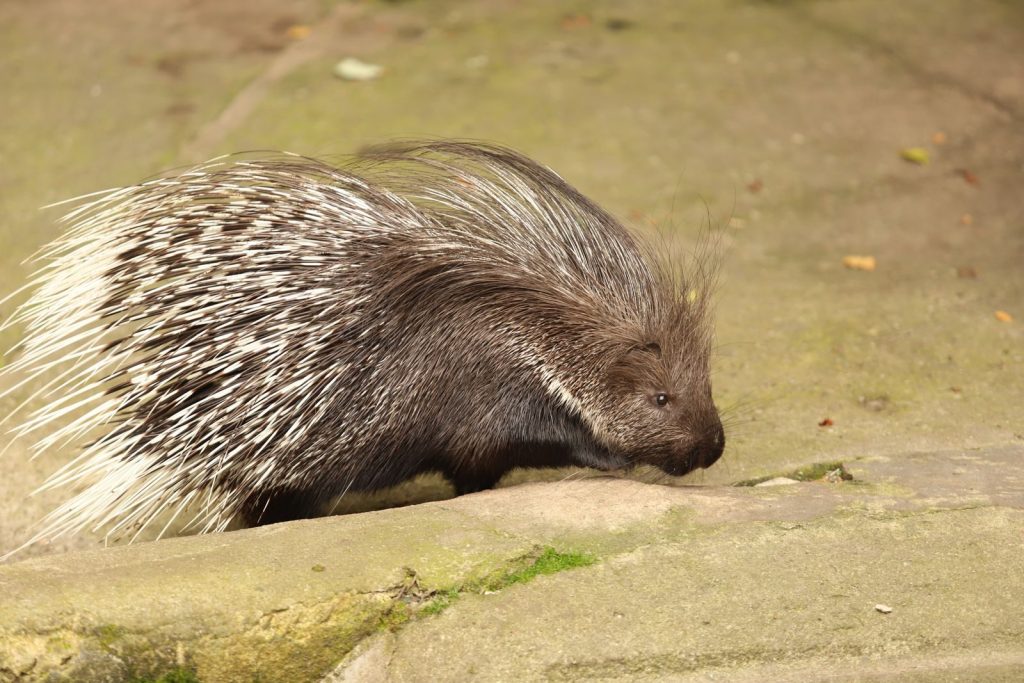
The porcupine eventually reached a man-made hole and escaped. The leopard sustained a gash on its leg and moved on to seek less dangerous prey. That outcome supports a factual headline about a failed or abandoned hunt without assigning human emotions such as embarrassment or instant regret to the cat.
Both Animals Face Wild Pressures
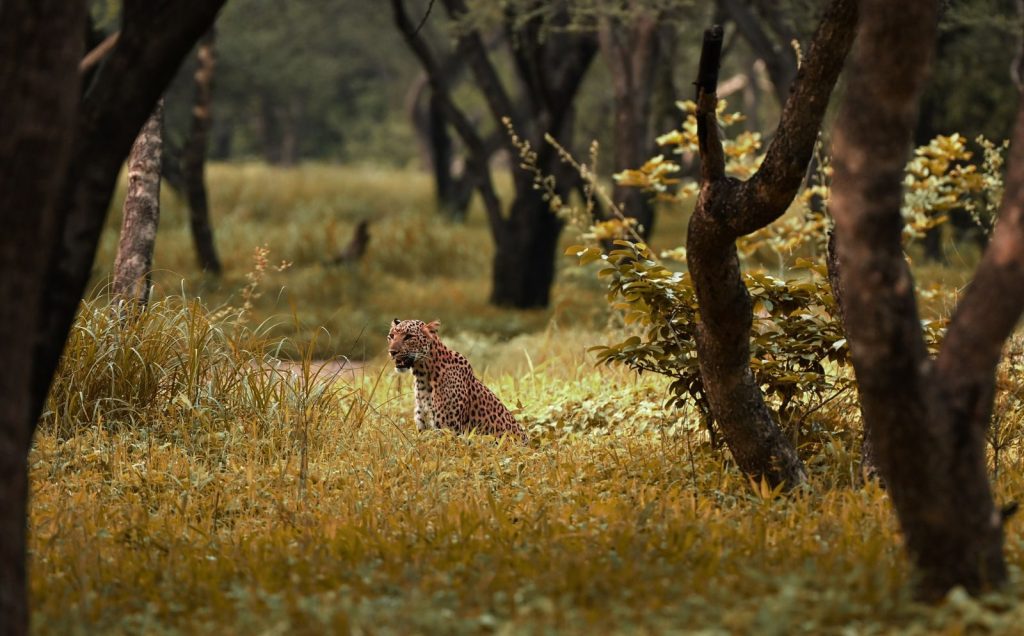
The encounter was a normal contest between a predator seeking food and prey trying to survive. Leopards remain classified as Vulnerable, facing habitat loss, declining prey, conflict with people, and exploitation. Protecting connected habitats allows predators and defended prey to continue playing their natural ecological roles.
Featured Image: Photo by Frans van Heerden on Pexels