Baby animals attract attention because their proportions and movements activate powerful human responses connected with care and protection. Large eyes, rounded faces, and small bodies are especially effective at holding our attention.
These slides focus on documented newborn traits and behaviors rather than an unverified viral compilation. Each moment reveals something important about how young animals develop and receive care.
A Mother Cradles a Panda Cub

Giant panda cubs are born pink, blind, nearly hairless, and remarkably small compared with their mothers. A newborn cannot regulate its own body temperature, so the mother keeps it close, regularly cradling and repositioning it. That enormous difference in size makes early panda footage especially memorable.
A Giraffe Tries to Stand
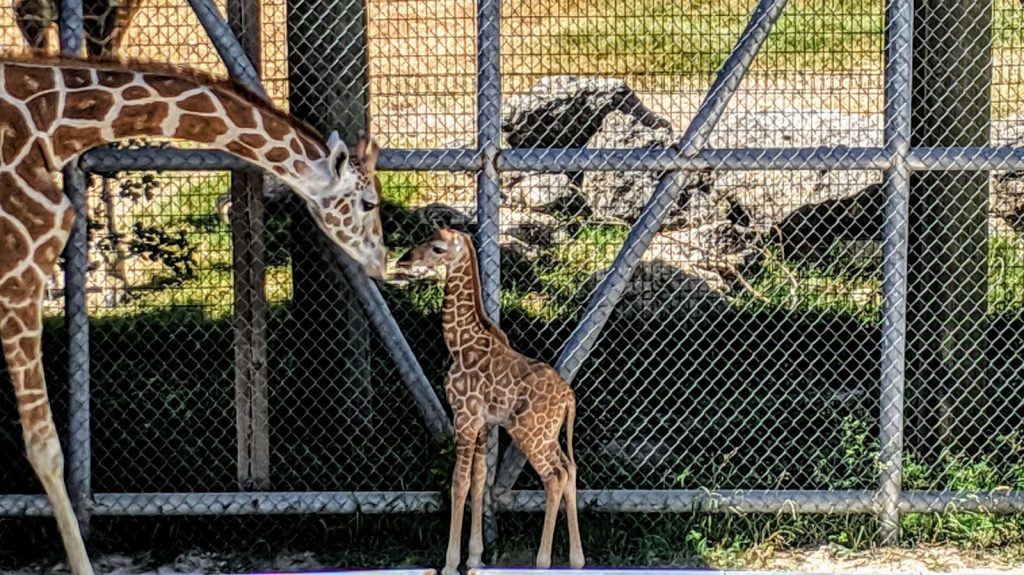
A giraffe calf enters the world in dramatic fashion. It is normally born front feet first and drops to the ground because the mother gives birth while standing. The calf must then begin coordinating exceptionally long legs. Cameras often capture the early attempts as it rises, slips, and tries again.
A Three-Foot-Tall Elephant Newborn

An elephant calf may stand about three feet tall at birth, yet it still looks tiny beside the adults surrounding it. The difference in scale gives photographs and videos an instantly recognizable sense of protection, with the newborn almost disappearing among the legs and bodies of its much larger family members.
A Red Panda Starts Exploring

Newborn red pandas develop some of their famous markings gradually. Their feet are bare at birth, and the rings on the tail become more visible as the cub grows. Early camera footage documents the transformation from a small, dependent newborn into the fluffy, climbing animal most people recognize.
Ducklings Learn a Visual Rule

Ducklings can begin processing surprisingly complex visual information shortly after hatching. In experiments, newly hatched ducklings learned to recognize whether objects were the same or different, then applied that rule to unfamiliar shapes. Their rapid learning helps explain why even simple footage of ducklings following and inspecting objects can be fascinating.
Baby Sloths Recover in Care

Wildlife rehabilitation footage may show young sloths receiving food, shelter, veterinary attention, and opportunities to develop before release. The goal is not to turn them into pets but to prepare healthy animals for life in the wild. Responsible centers limit unnecessary human contact and return suitable animals when they are ready.
An Orphaned Monkey Finds Comfort
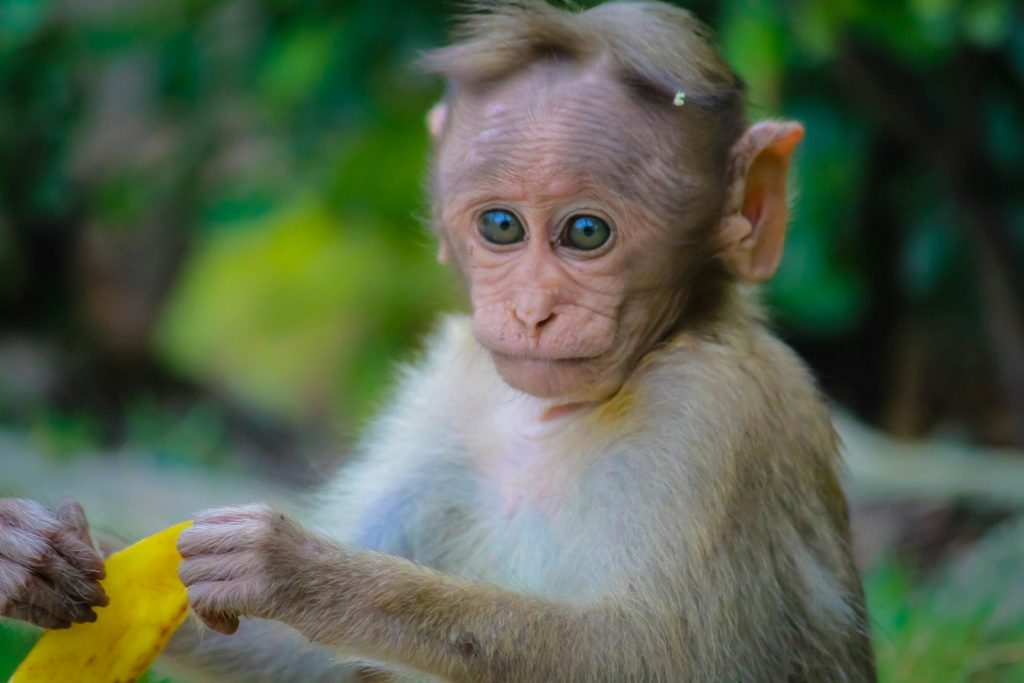
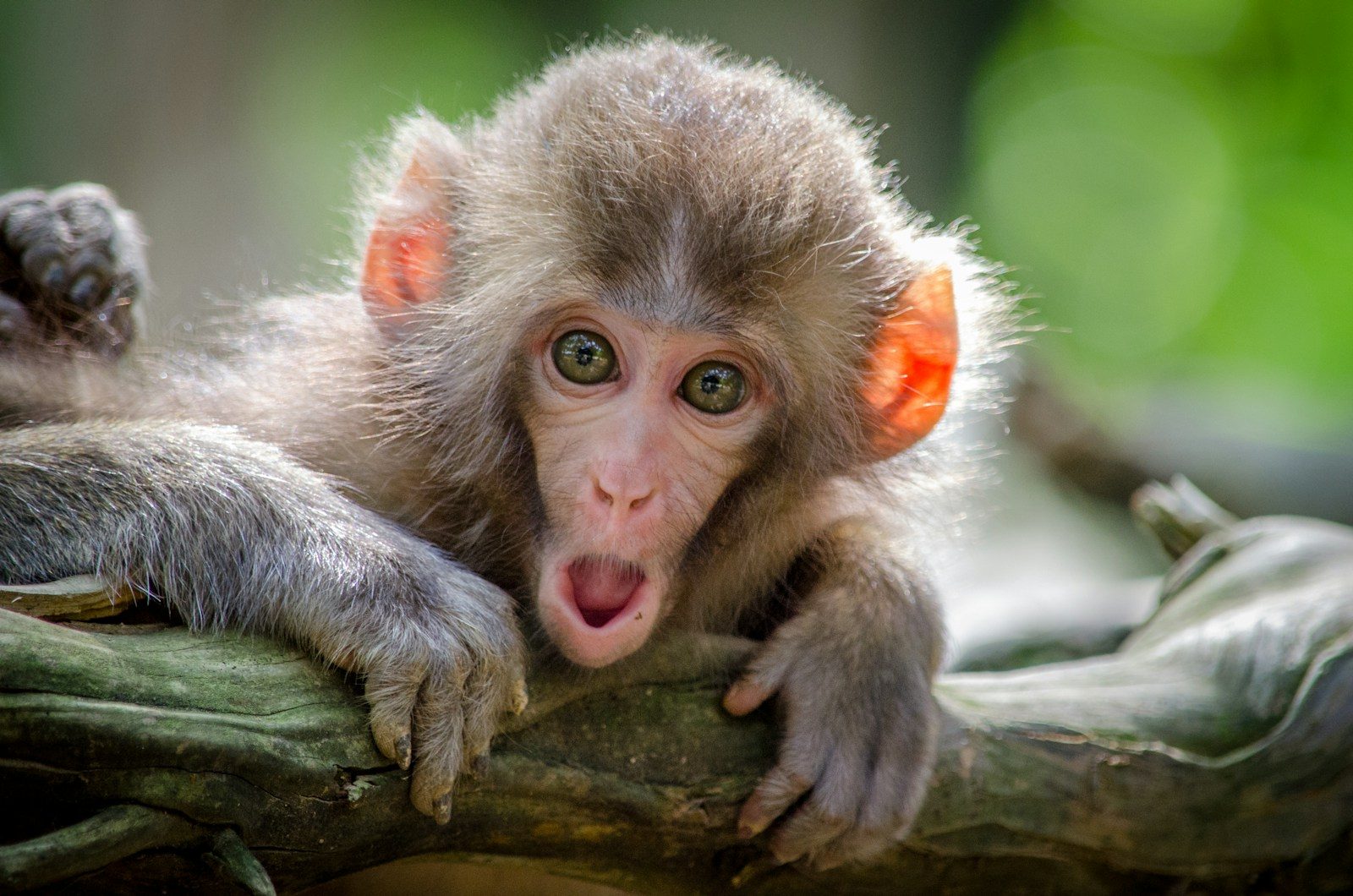
A young Japanese macaque named Punch received a soft toy surrogate after being rejected by his mother at a zoo. Keepers used the substitute as part of his care while working to support his development. The footage was touching because it showed an infant displaying a strong need for warmth, contact, and security.
Why Baby Faces Affect Us
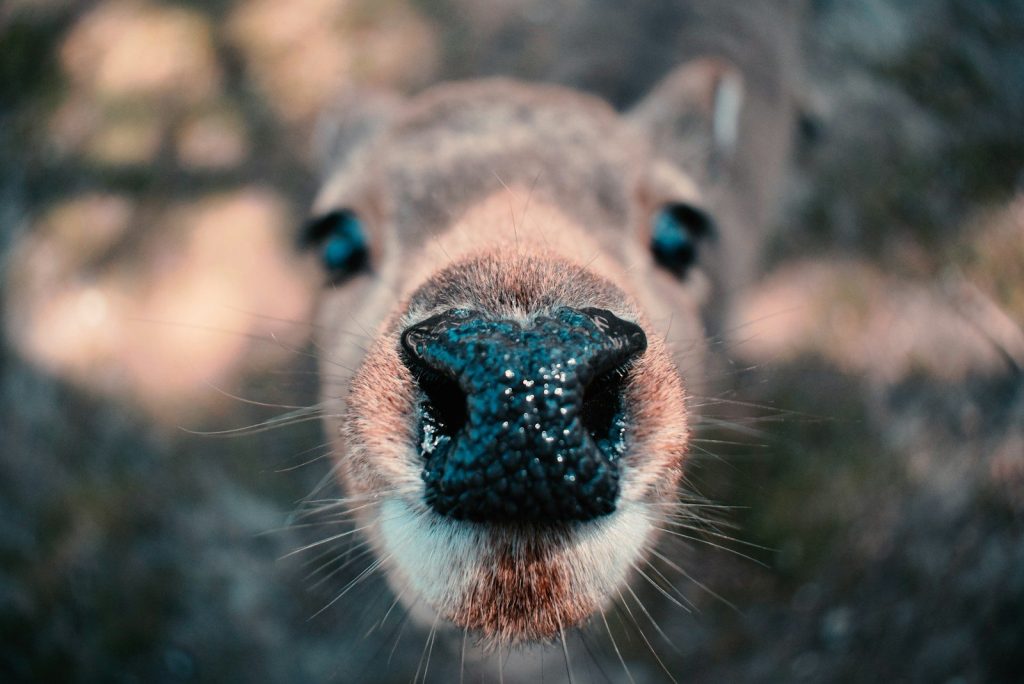
Researchers call the combination of large eyes, a rounded face, and a proportionally large head the “baby schema.” These features can increase attention and caregiving motivation in adults. Studies of cute aggression also suggest that intense positive feelings may be accompanied by playful expressions such as wanting to squeeze something adorable.
Featured Image: Photo by Jamie Haughton on Unsplash