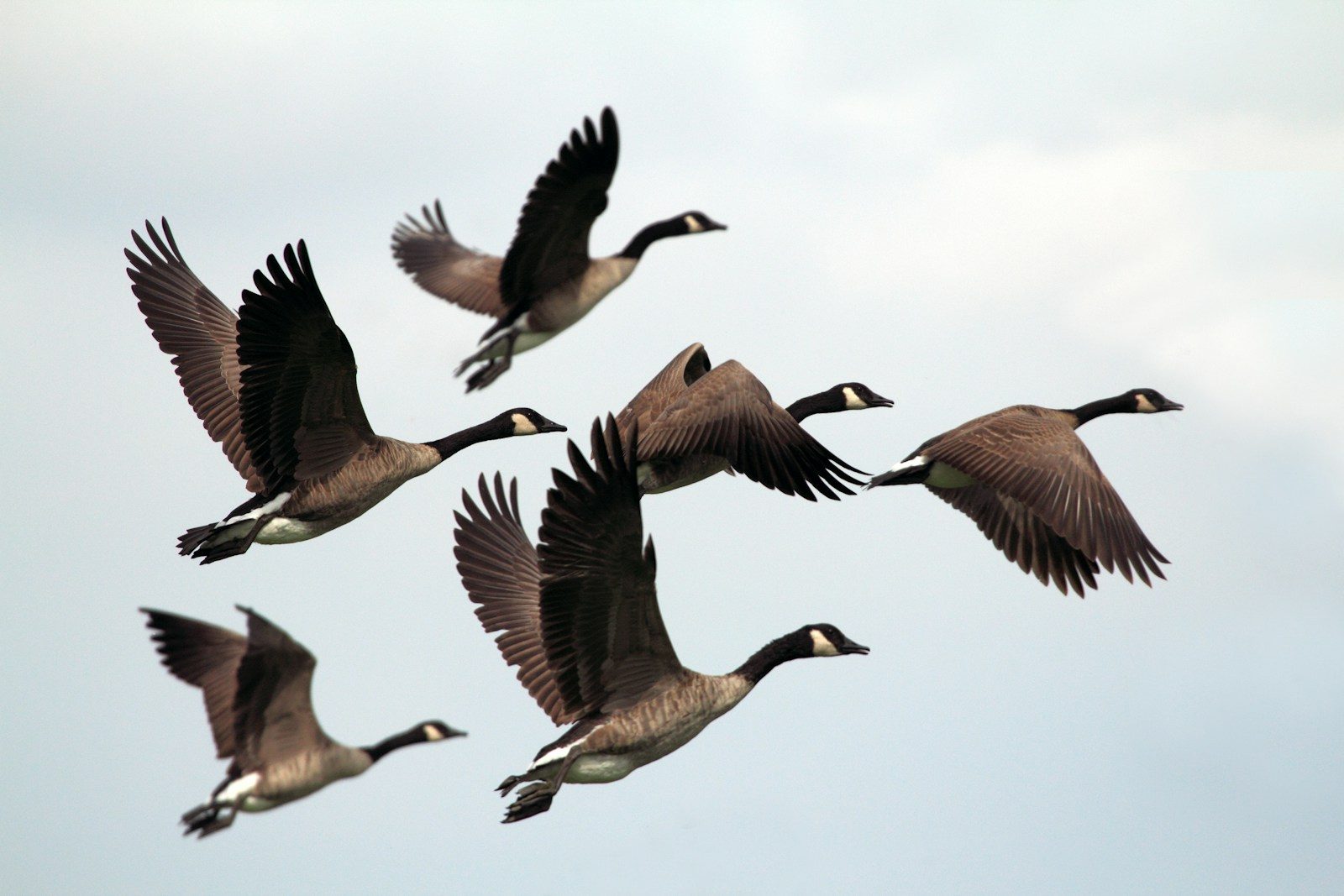
An Alabama homeowners association has drawn widespread attention after authorizing the removal of hundreds of Canada geese from a neighborhood lake. Supporters argued the growing flock posed health and environmental concerns, while critics questioned whether more non-lethal solutions should have been tried first.
Why the HOA Approved the Culling
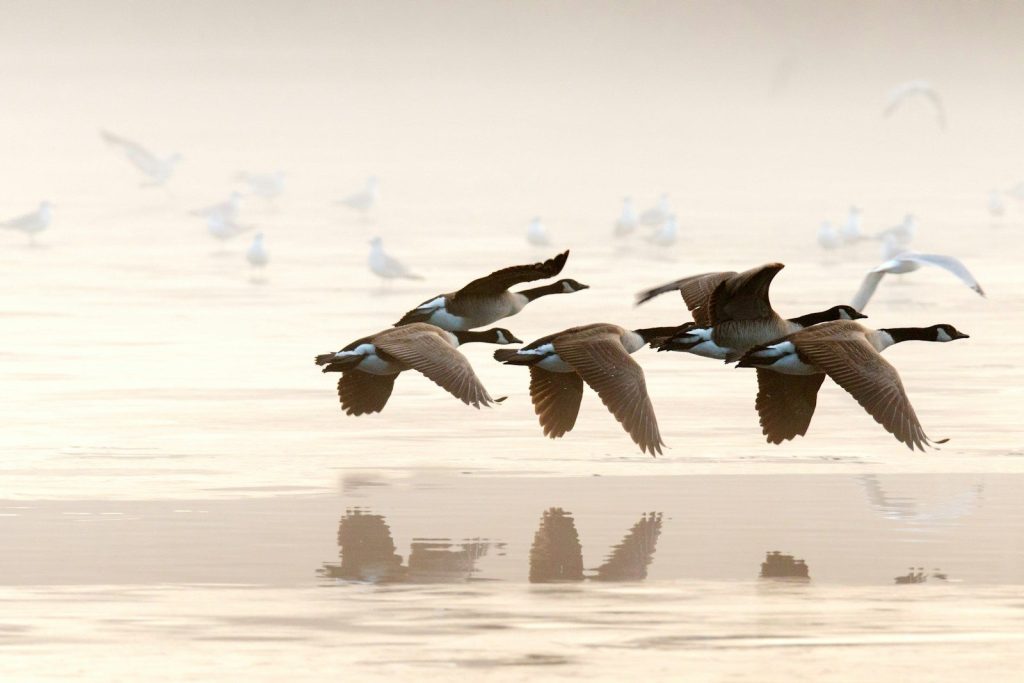
The Heritage Plantation HOA in Madison, Alabama, voted to remove approximately 550 Canada geese living around Lady Ann Lake.
According to the board, the goose population had grown to roughly five times the level considered appropriate for the available habitat. Officials cited concerns about disease transmission, including avian influenza, as one of the reasons for taking action.
The Operation Was Carried Out Quietly

The culling was authorized by the U.S. Department of Agriculture (USDA) and completed by a contracted wildlife management team before July 1.
Residents were told the operation would occur before that date but were not informed of the exact time. HOA officials said the schedule was withheld after board members reportedly received threats following the decision.
Residents and Conservationists Objected
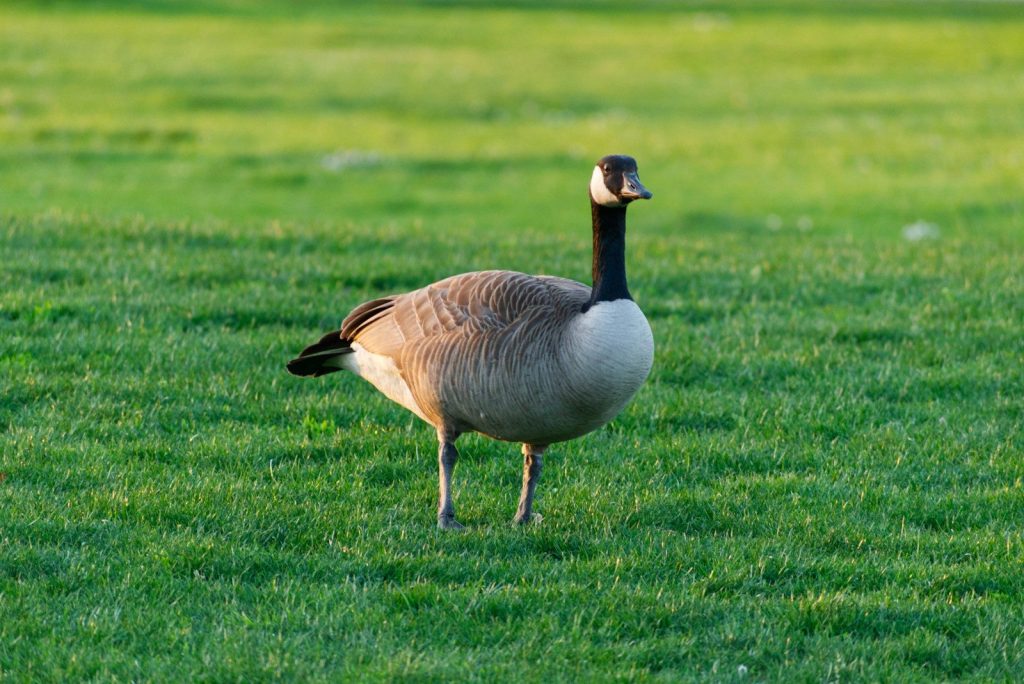
The decision divided the community. Some residents and wildlife advocates urged the HOA to pursue additional non-lethal management strategies before resorting to euthanasia.
Despite those objections, the board proceeded with the approved plan.
Experts Warn of the “Vacuum Effect”
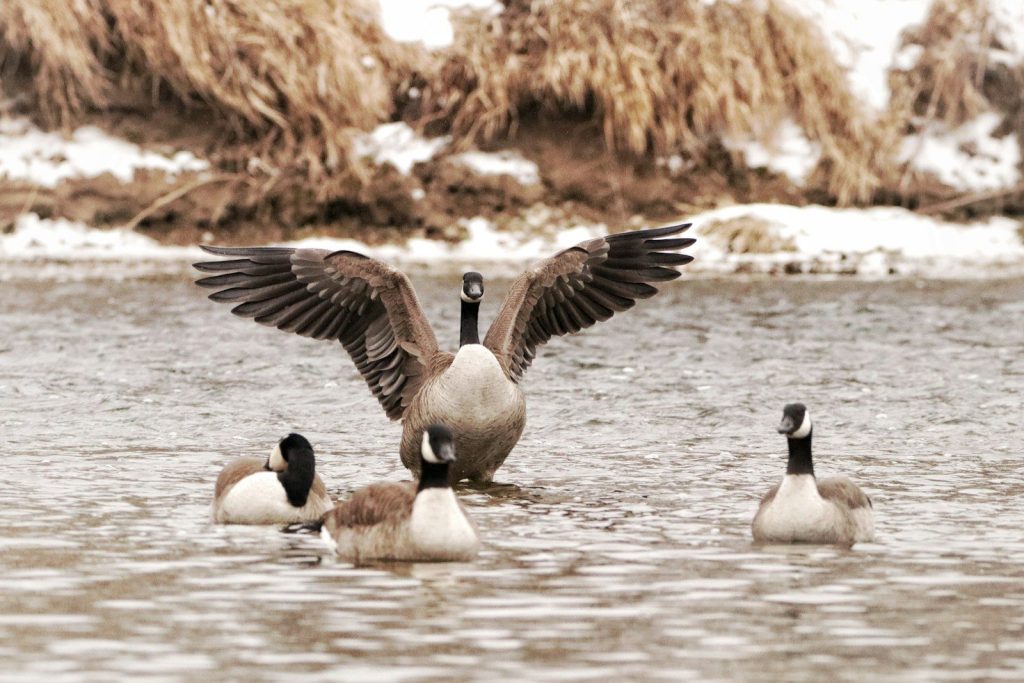
Wildlife experts note that removing large numbers of geese does not always solve long-term overpopulation.
A similar culling in the same area in 2020 was followed by the arrival of another group of resident Canada geese within weeks. Researchers describe this as the “vacuum effect,” where suitable habitat quickly attracts new animals after an existing population is removed.
Preventing Future Overpopulation
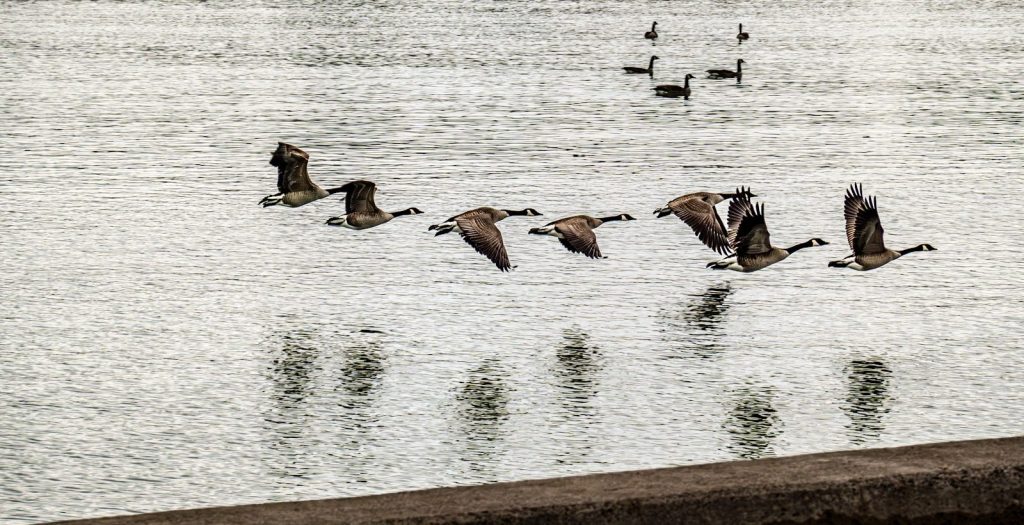
Following the cull, the USDA and HOA outlined several measures intended to discourage geese from returning, including:
- Prohibiting residents from feeding geese.
- Encouraging people to safely discourage geese from gathering in common areas.
- Oiling eggs found during nesting season to prevent them from hatching.
Whether these measures will reduce future goose populations remains uncertain. As communities across North America continue to manage growing numbers of resident Canada geese, debates over lethal and non-lethal wildlife management are likely to continue.
Disclaimer: Images are for illustrative purposes only.
Featured Image: Photo by Gary Bendig on Unsplash