Rural land can attract a surprisingly wide range of predators. Coyotes, foxes, raccoons, bears, mountain lions, bobcats and several birds of prey can all come into conflict with livestock, poultry or pets under the right circumstances. USDA wildlife experts emphasize that these animals also play important ecological roles, so the issue is usually about managing conflict rather than treating predators as pests.
The exact risk depends heavily on the animals being raised and the local wildlife community. A predator that rarely affects cattle may be a serious threat to chickens, while an animal that normally avoids farms may become interested when food is left exposed. Secure housing, fencing and better husbandry can reduce many conflicts.
Coyotes
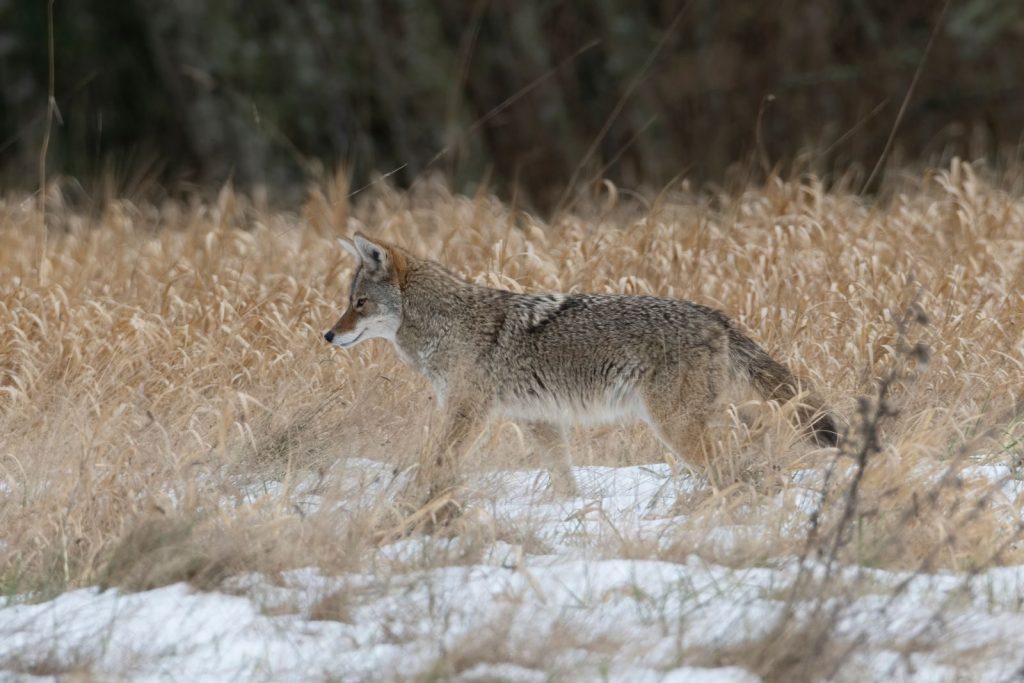
Coyotes are among the most important predators involved in livestock conflicts in the United States. USDA data and wildlife-management literature consistently identify them as major causes of livestock losses, particularly among sheep and other vulnerable animals. They are also highly adaptable and can live near agricultural areas and residential properties. Coyotes eat a wide range of food, including small mammals, birds, poultry and livestock when opportunities arise. Their presence does not automatically mean an attack is coming, but exposed animals, unsecured garbage and other easy food sources can encourage them to spend more time around human properties.
Mountain Lions

Mountain lions can cause serious problems when they encounter vulnerable livestock, particularly sheep, goats and other smaller animals. USDA identifies mountain lions among the predators responsible for livestock losses, although their overall contribution is generally lower than that of coyotes. Because mountain lions are solitary and wide-ranging, an individual animal can sometimes kill several prey animals during an unusual event. This does not mean mountain lions routinely target farms. They are wild predators that normally hunt natural prey, but livestock can become an opportunity when it is accessible within their range.
Black Bears

Black bears are not primarily predators, but their size and ability to exploit many food sources can make them troublesome around rural properties. They may raid livestock feed, garbage, poultry areas or other accessible food. USDA includes black bears among species involved in livestock conflicts, while recent Massachusetts guidance specifically lists bears among predators that can take unprotected poultry. Bear-resistant storage and secure fencing can therefore be important for rural properties. The goal is not simply to keep a bear away from animals but also to prevent it from learning that human properties provide easy meals.
Wolves

Wolves can prey on livestock, particularly where domestic animals overlap with established wolf habitat. USDA lists wolves among predators involved in livestock conflicts, although the frequency and severity vary substantially by region. Wolves are also important native predators that influence ecosystems, so their presence on the landscape should not automatically be interpreted as a problem. Conflict is most likely when livestock are vulnerable and wild prey or suitable habitat overlap with agricultural operations. Management programs therefore focus on prevention, monitoring and location-specific responses rather than assuming every wolf encounter will result in livestock losses.
Foxes

Red and gray foxes are smaller than wolves or mountain lions, but they can still create problems for poultry owners. Foxes are capable predators of chickens and other small domestic animals, particularly when birds are left outside or housing has gaps. USDA records foxes among predators that can affect poultry and livestock. Their smaller size also allows them to exploit openings that larger predators cannot use. A properly secured coop can therefore make a major difference. Rural landowners should not assume that a small predator is harmless simply because it cannot threaten larger livestock.
Bobcats
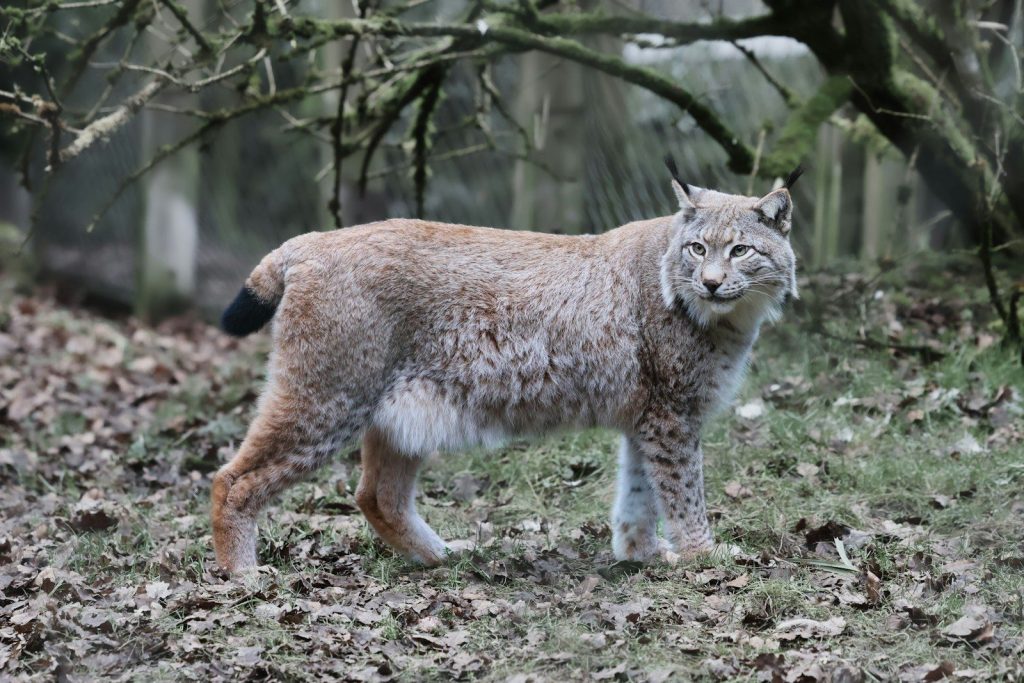
Bobcats generally prefer natural prey such as rabbits and rodents, but they can occasionally take poultry and other small domestic animals. USDA records bobcats among predators involved in damage to livestock and poultry, although such losses can be localized and sporadic. Bobcats are also common enough in parts of the United States that seeing one does not necessarily mean livestock are in immediate danger. The risk rises when chickens, ducks or other small animals are poorly protected. Secure enclosures are usually more useful than attempting to remove wildlife simply because it lives nearby.
Raccoons
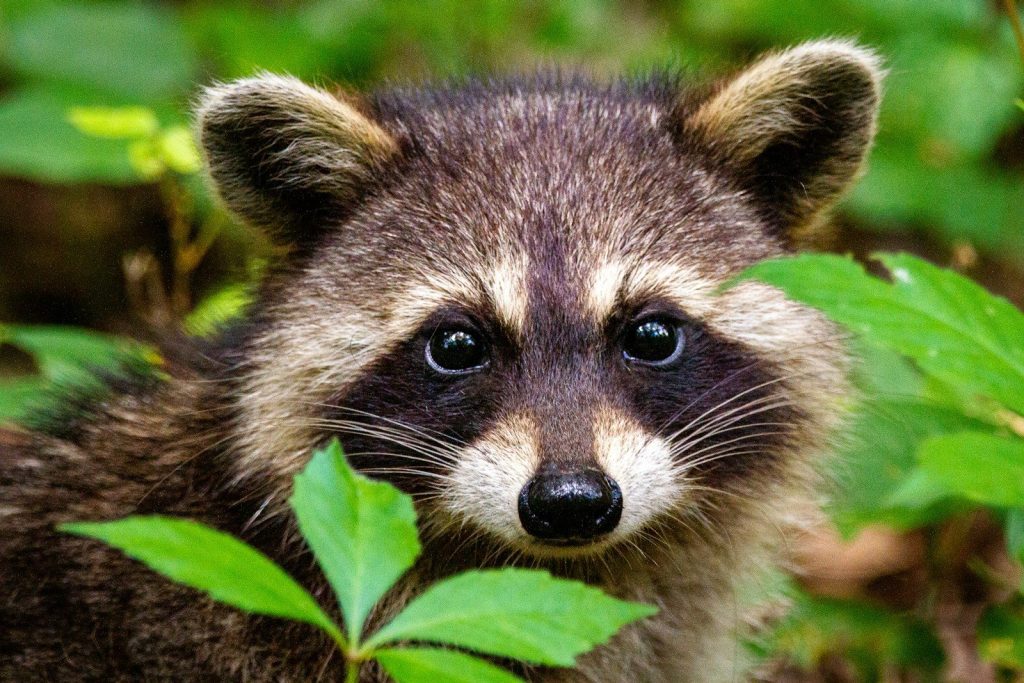
Raccoons are familiar around farms and rural homes because they are adaptable and willing to exploit many food sources. They can prey on poultry, eggs and young animals and are recognized by wildlife agencies as a common poultry predator. Their ability to climb and squeeze through relatively small openings can make poorly designed chicken coops vulnerable. Raccoons are not livestock predators on the same scale as coyotes, but a small flock can still suffer significant losses if a raccoon discovers an easy route inside. Secure doors, covered runs and eliminating access points can reduce these encounters.
Feral Dogs

Free-roaming or feral dogs can create a different kind of livestock problem because their behavior is not necessarily the same as that of wild predators. USDA identifies feral and free-ranging dogs as predators capable of killing livestock, including sheep and goats. Multiple animals may be injured or killed during a single incident, sometimes without the predators consuming much of what they attack. Dogs can also wander into areas where they normally would not be expected. For landowners, secure livestock fencing and responsible management of domestic dogs can help reduce the risk of these encounters.
Hawks
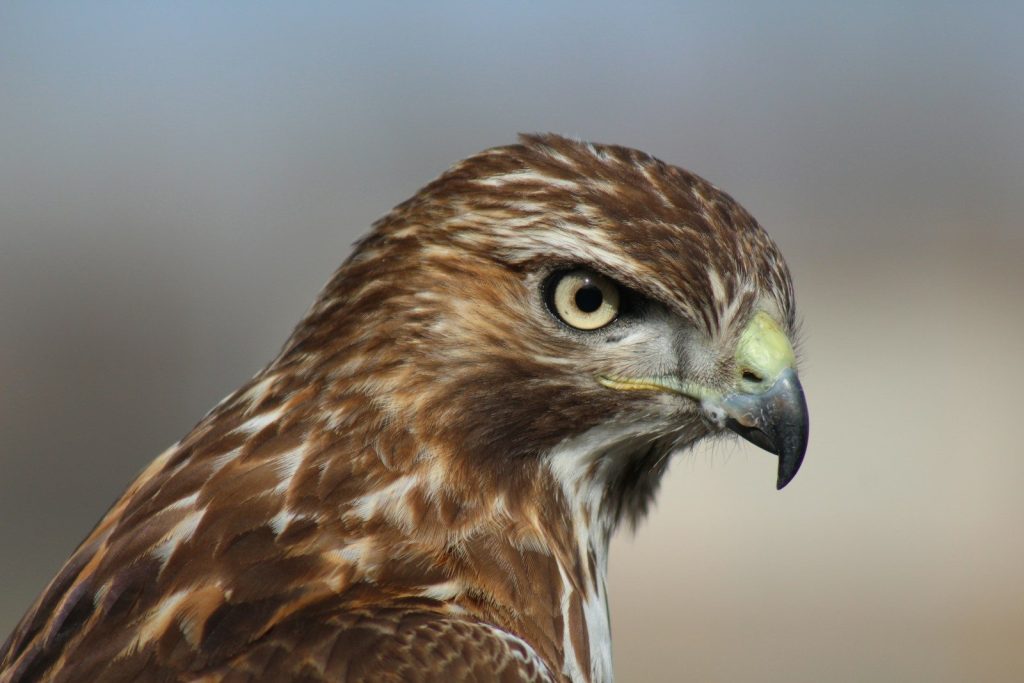
Hawks are natural predators that can become a concern for poultry keepers, particularly when young or small birds are allowed to remain in open areas. Wildlife agencies list hawks among predators that can kill poultry. Their hunting strategy gives them an advantage over chickens because they can approach from above, making ordinary side fencing less useful. Overhead protection can help reduce this particular risk. It is also worth remembering that hawks are native predators with important ecological roles. A hawk flying over a rural property is not automatically a problem; the concern arises when vulnerable domestic birds are accessible.
Prevention Matters Most
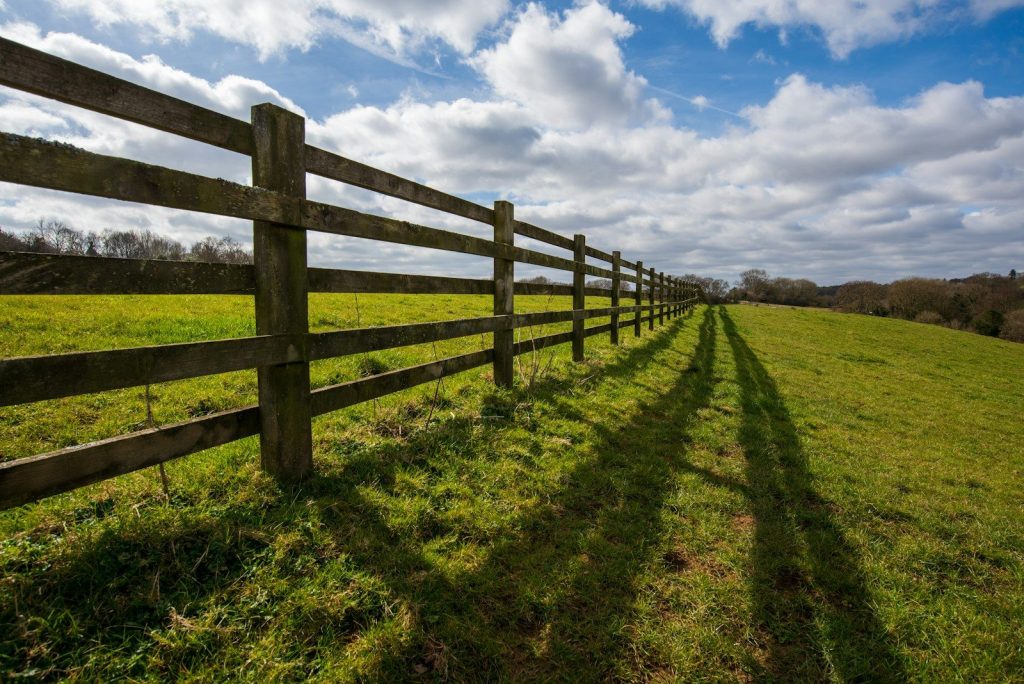
The most practical response to rural predator conflicts is usually prevention. USDA recommends approaches that can include changes to animal husbandry, habitat management and appropriate population-management measures. Secure fencing, enclosed nighttime housing, removal of attractants and protected poultry runs can all reduce opportunities for predators. The right solution depends on the species involved and the animals being protected. Predators are part of functioning ecosystems, so the aim should be to reduce avoidable conflict while keeping domestic animals secure. In many situations, better husbandry can prevent a problem before wildlife management becomes necessary.
Featured Image: Photo by Idean Azad on Pexels