A large male sperm whale can weigh about 45 tons, so the original “50-ton” description is a loose round-up rather than a precise figure. It is the largest toothed whale and a specialist hunter of deep-water prey.
No one has filmed a complete wild battle between a sperm whale and a giant squid. Scientists reconstruct these encounters from whale diets, squid beaks found in stomachs, and circular sucker scars left on surviving whales.
A 45-Ton Hunter

Male sperm whales can reach about 52 feet and 45 tons. Their enormous heads contain the spermaceti organ, which helps focus sound. That ability is vital in the deep ocean, where sunlight fades, and a hunter cannot depend on ordinary vision alone.
The Dive Begins

Sperm whales routinely dive to around 2,000 feet, and a feeding dive may last about 45 minutes. They return to the surface to breathe and recover before descending again. Some hunts go much deeper, but the exact depth of a squid encounter is rarely known.
Hunting With Sound
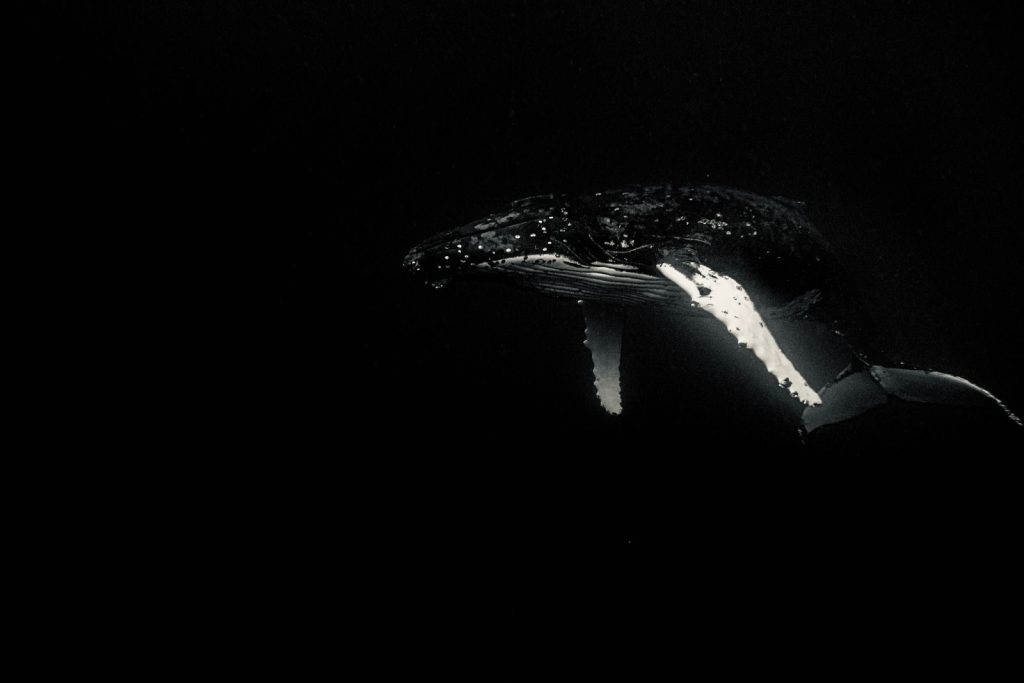
The whale produces powerful clicks and listens for returning echoes. This biological sonar helps it navigate and locate animals in darkness. Human-made ocean noise is a concern because sperm whales depend heavily on sound for feeding, movement, and communication.
A Squid in Darkness
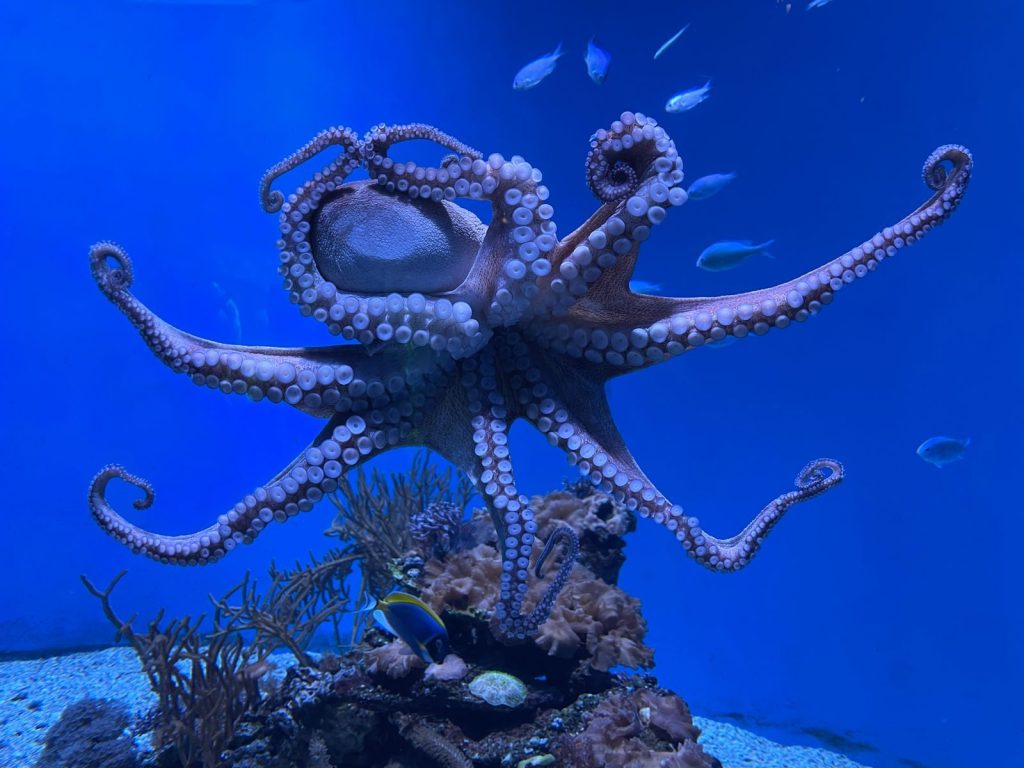
Giant squid live mainly about 1,650 to 3,300 feet below the surface. They have huge eyes, eight arms, and two long feeding tentacles armed with toothed suckers. The longest scientifically documented total length is about 43 feet, although most confirmed specimens are smaller.
The First Contact
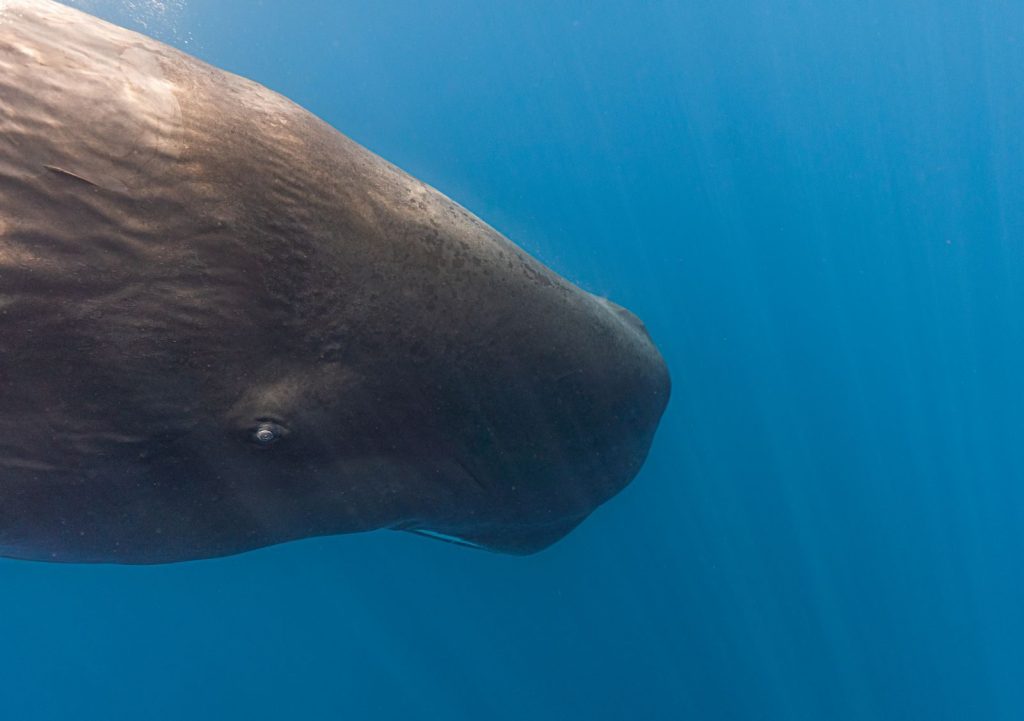
The exact approach has never been watched from beginning to end. A whale may detect the squid through echolocation, while the squid may notice movement with its large eyes. Any detailed claim about a filmed chase, ambush, or wrestling sequence would go beyond the available evidence.
The Squid Fights Back
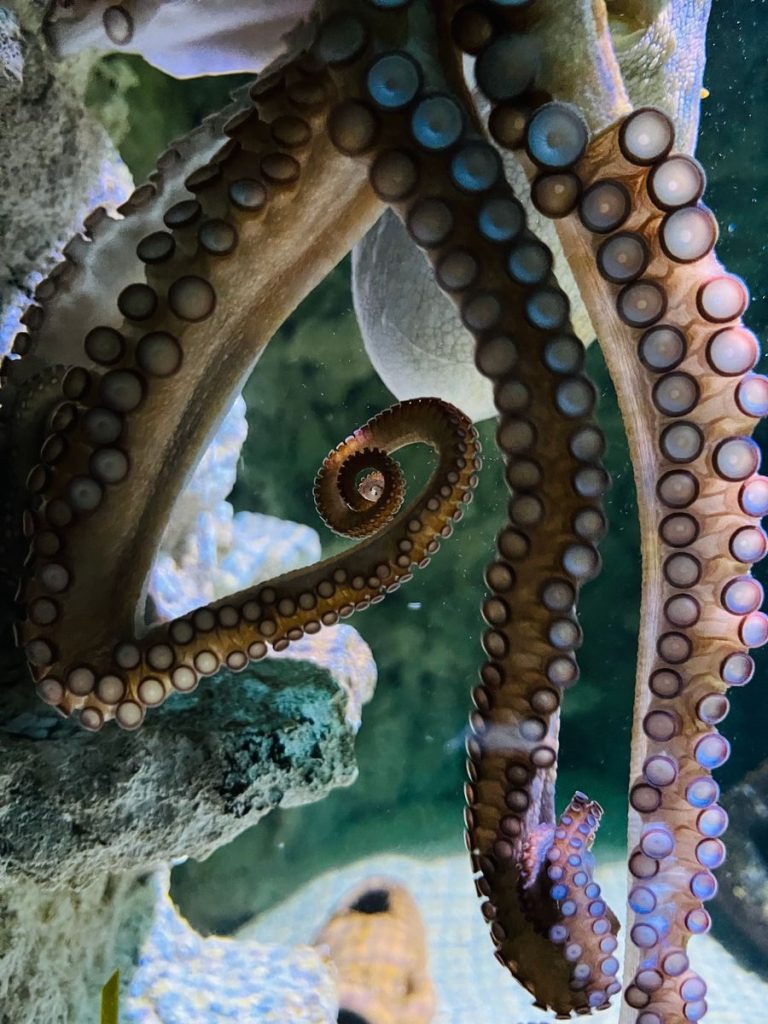
A giant squid’s suckers can grip and scrape a whale’s skin. Circular marks found on sperm whales show that some squid resist capture. The scars prove contact, but they do not reveal how long the struggle lasted or every movement made by either animal.
Evidence in the Stomach
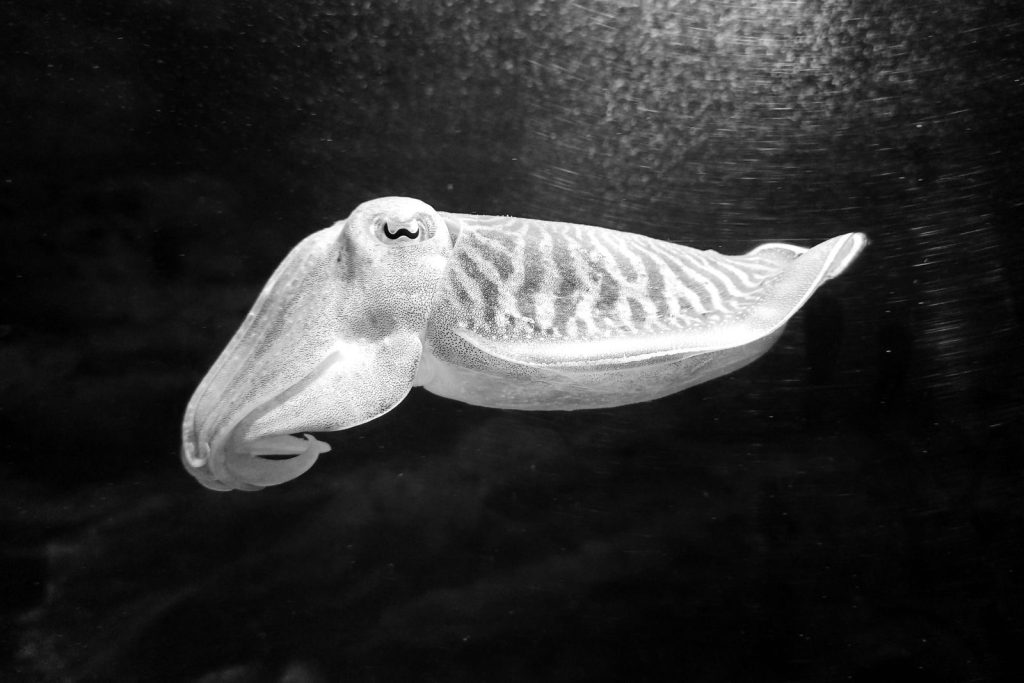
Scientists have found giant squid beaks and other hard remains inside sperm whales. Squid tissue is digested, but the tough beaks can remain and help researchers identify prey. This evidence confirms that sperm whales successfully hunt giant squid, even though the encounters happen beyond normal observation.
The Whale Usually Wins
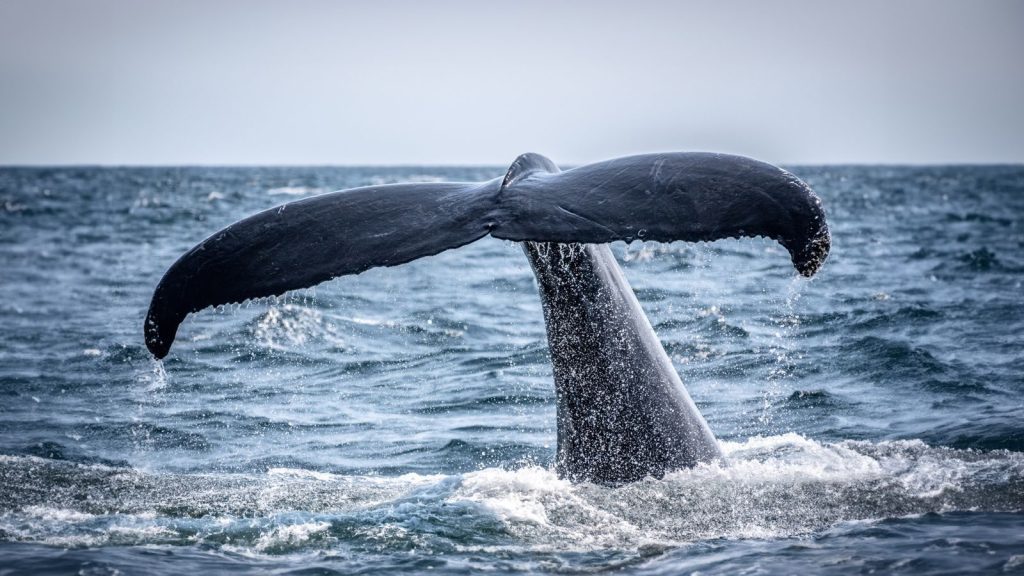
Researchers cannot declare a winner in every encounter. However, giant squid remains are common in sperm whale stomachs, while examined giant squid stomachs have not contained recognizable whale remains. The evidence therefore suggests the whale usually survives and secures the meal.
Featured Image: Photo by John Arellano Riera on Pexels