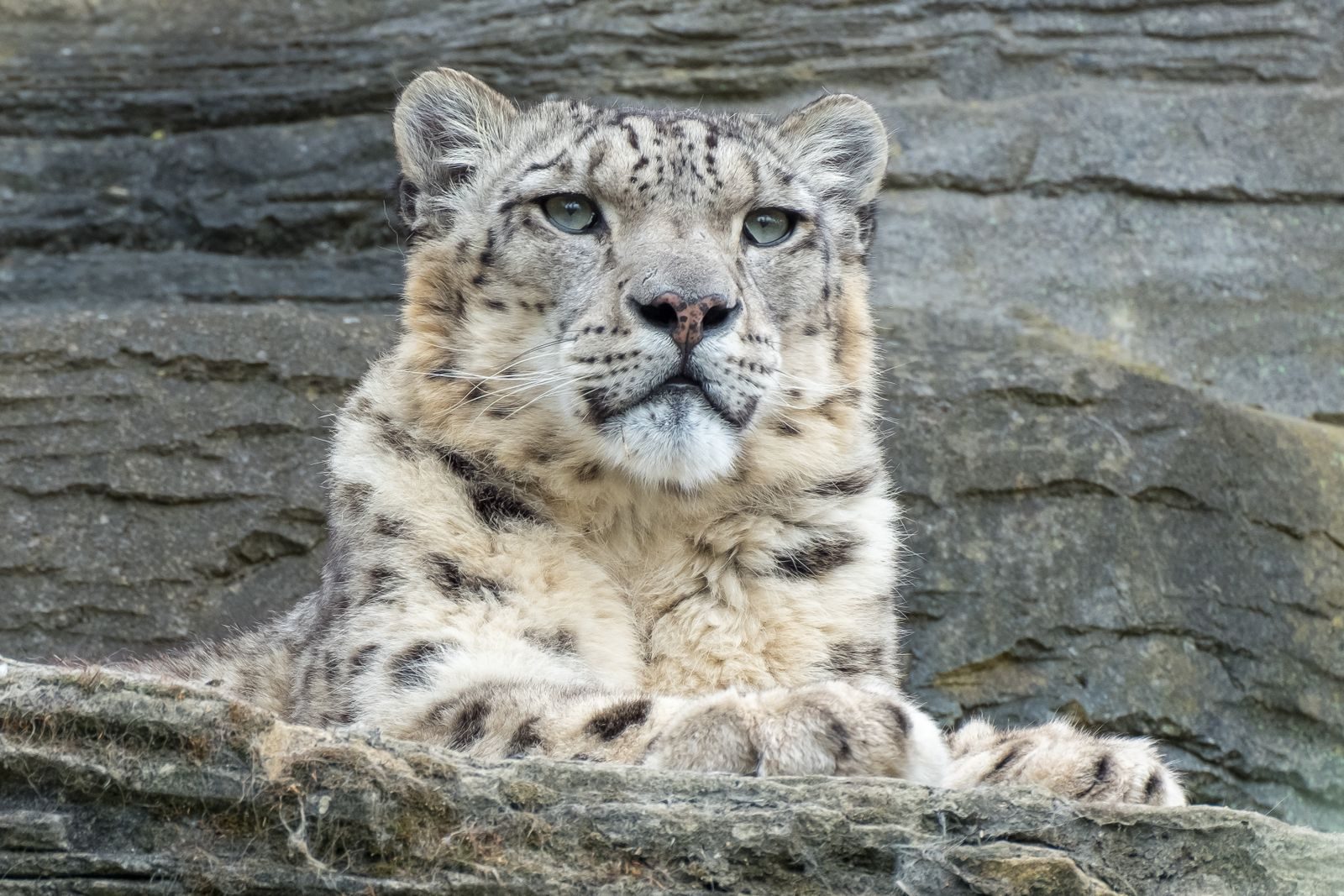
Kulbhushansingh “Kullu” Suryawanshi is a wildlife scientist and conservationist who has studied snow leopards for about 20 years. He directs the Snow Leopard Trust’s India program and works with the Nature Conservation Foundation.
Saying he “lived among” the cats is too literal. His work has involved long periods in their mountain habitat, following prey, placing cameras, studying conflict, and working with communities across several Asian countries.
A Mountaineer Finds Ecology
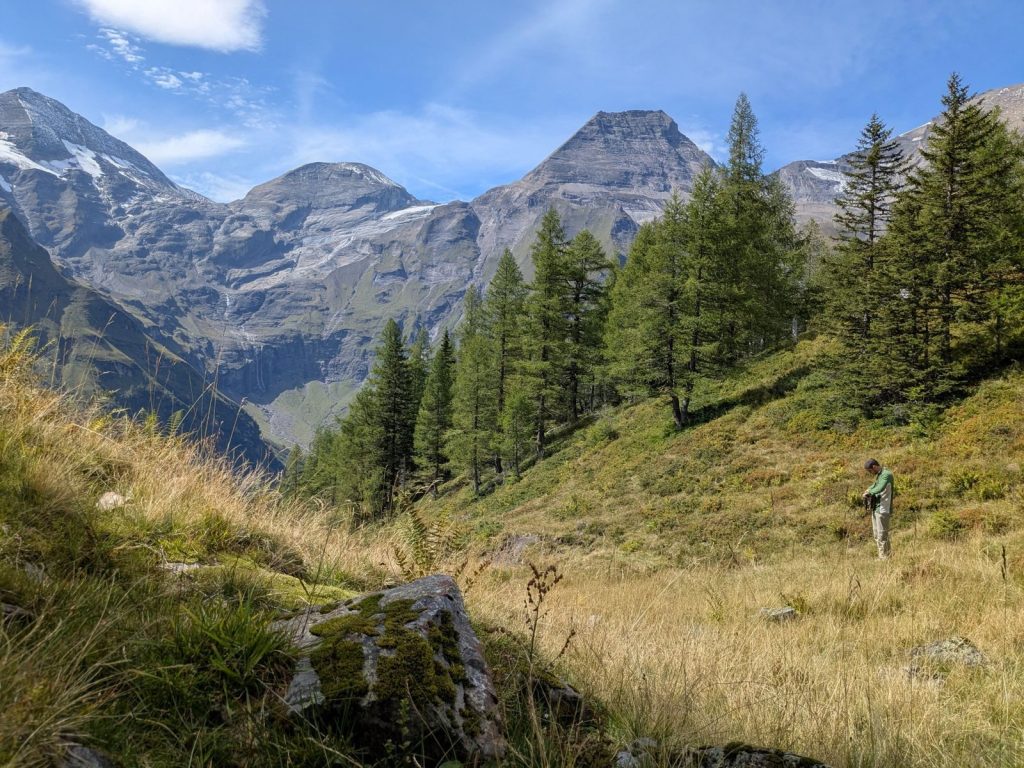
Suryawanshi first entered the Himalayas as a mountaineer. Time in the mountains shifted his attention toward wildlife and ecology. Formal training in wildlife biology later gave him the tools to turn that interest into long-term scientific research and practical conservation work.
A Winter With Bharal

During his master’s training, he spent a full winter following bharal, also called blue sheep, in the remote Spiti Valley. Bharal are important prey for snow leopards, so understanding their numbers, movements, and habitat helps researchers understand where the cats can survive.
Work Across Four Countries

His snow leopard research began in the Indian Himalayas and Mongolia’s Altai Mountains during his doctoral work. He later studied the species in India, Nepal, Kyrgyzstan, and Mongolia. These landscapes differ, but each combines difficult terrain, scarce prey, livestock, and human communities.
Cats Across Twelve Countries
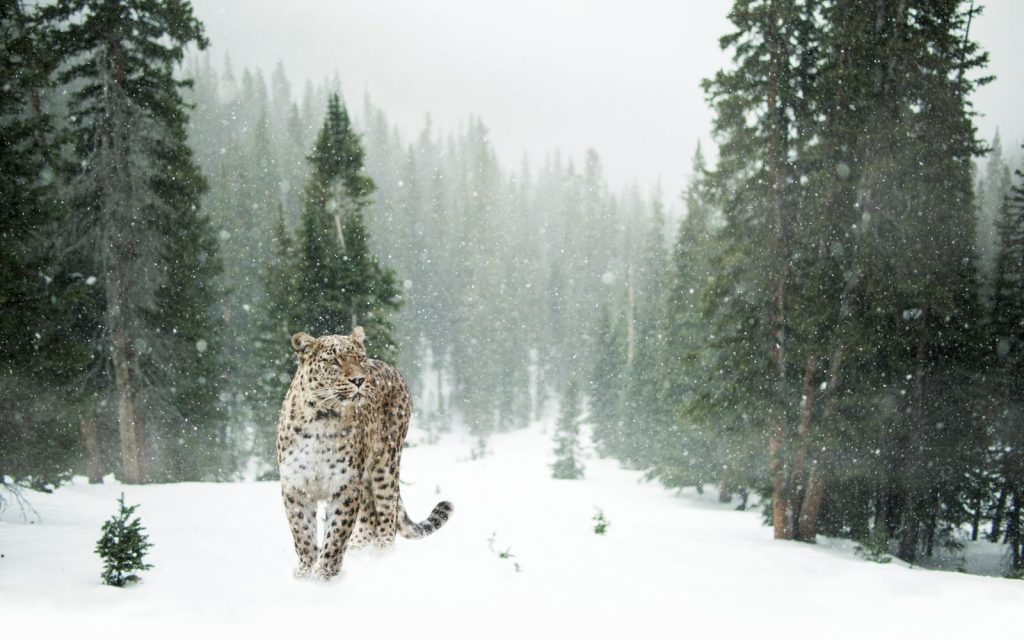
Snow leopards range through the high mountains of 12 Central Asian countries. The IUCN Cat Specialist Group lists them as Vulnerable and stresses that reliable global numbers remain difficult to obtain. Its latest estimate is 7,446–7,996 animals, including 2,710–3,386 mature individuals.
Cameras Count the Cats

Researchers place camera traps along ridges, cliffs, and travel routes where snow leopards are likely to pass. Individual cats can be recognized from their spot patterns. Careful sampling across good and poor habitat is essential because studies limited to the best locations can overestimate density.
Livestock Creates Conflict
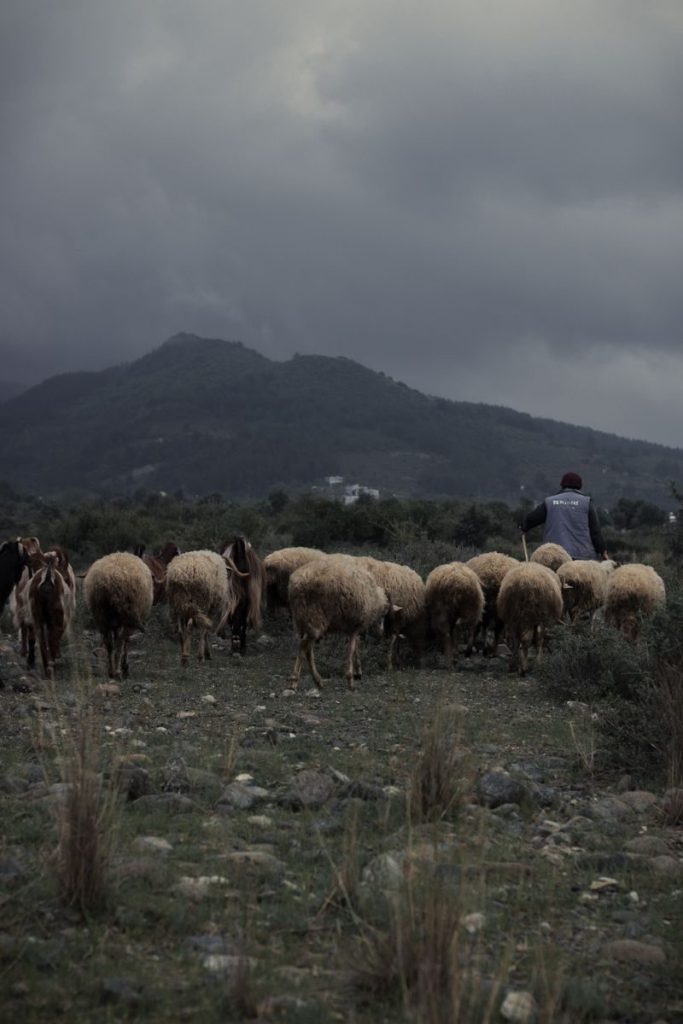
Snow leopards sometimes kill sheep, goats, or other livestock, creating serious losses for herding families. Suryawanshi’s doctoral research examined why attacks occur and how herders view predators. Conservation becomes more effective when it addresses local livelihoods instead of treating residents as part of the problem.
Communities Protect Cats
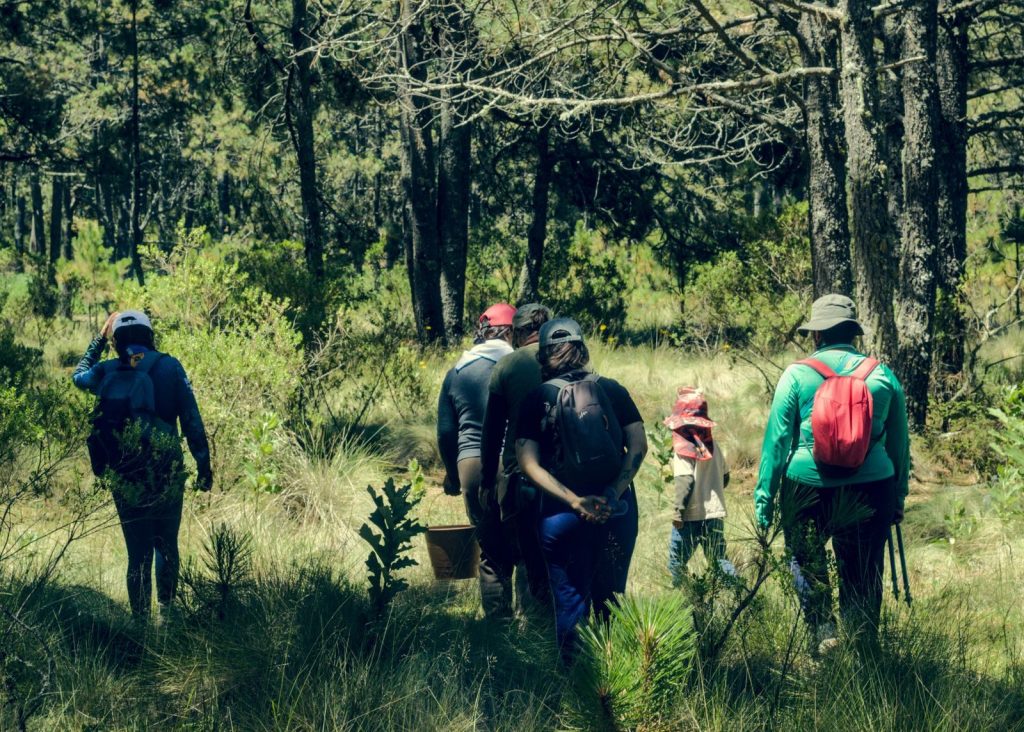
Programs in India include livestock insurance, stronger night corrals, grazing set-asides, conservation education, and research using cameras and genetics. These measures aim to reduce financial losses, protect wild prey, and make coexistence more practical for people living in snow leopard habitat.
The Mystery Remains
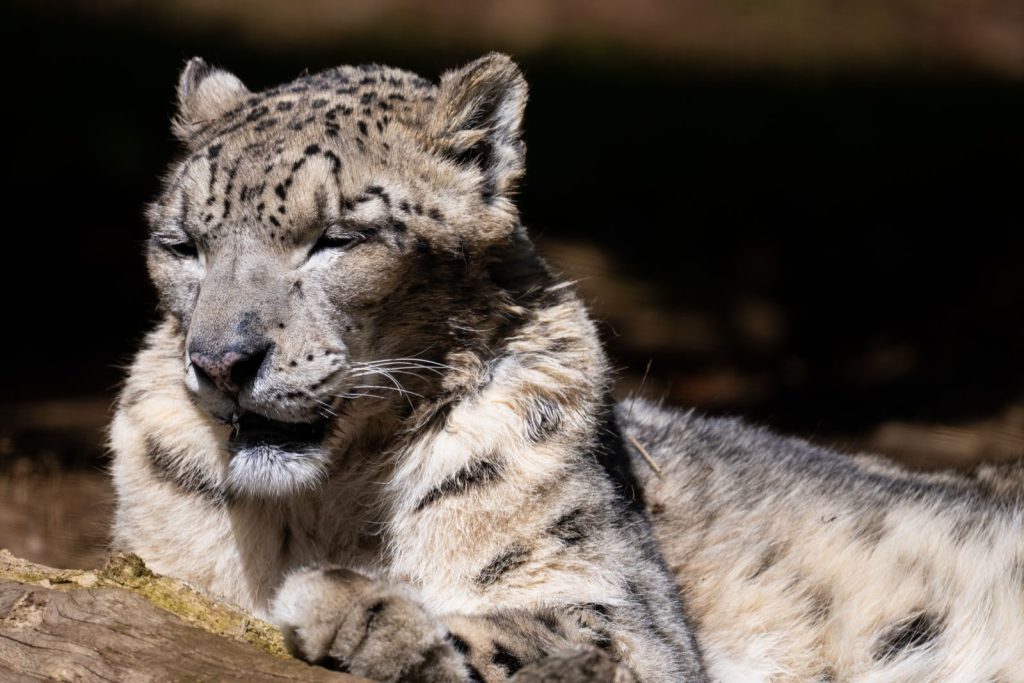
Two decades of work have revealed much, but snow leopards still occupy huge, rugged ranges at low densities. Their camouflage, solitary behavior, and dawn-and-dusk activity make direct observation rare. The mystery is not magic; it is the result of an animal superbly adapted to difficult terrain.
Featured Image: Photo by Charles Miller on Pexels