Skip to content

Recent Posts

  • 8 of the Oldest Animals Ever Documented
  • 8 Animals With Extraordinary Physical Power
  • 9 of the Loudest Animals Ever Measured
  • Why a Doe May Return to the Same Door With Her Fawn
  • One of the World’s Rarest Wild Cats Lives in the Andes

Most Used Categories

  • Nature & Wildlife (709)
  • Risk (60)
  • Human Interest (36)
  • Exotic Animals (21)
  • Hunting (19)
  • Survival (18)
  • Bees/Swarms fear (14)
  • Suspense (10)
  • Adventure (3)
  • Gears (2)
Skip to content
  • About Us
  • Contact Us
  • Disclaimer
  • Privacy Policy
  • Terms & Conditions

Hive Hunters Tales

  • Suspense
  • Nature & Wildlife
  • Human Interest
  • Hunting
  • Bees/Swarms fear
  • Exotic Animals
  • Risk
  • Survival
  • Adventure
  • Gears
  • Home
  • Exotic Animals
  • One of the World’s Rarest Wild Cats Lives in the Andes
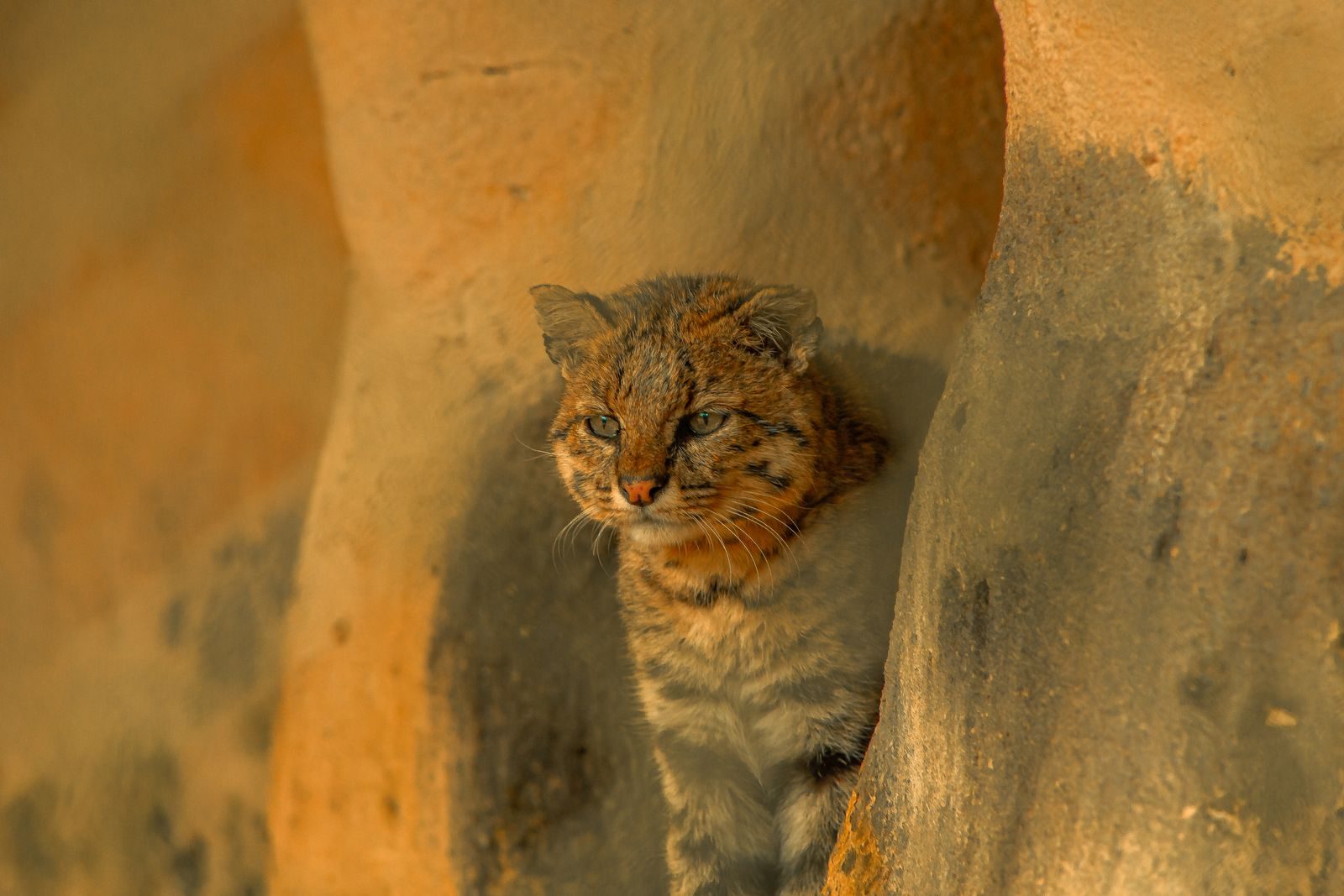
A wild cat with distinct markings rests on rocky terrain, blending into its environment.

One of the World’s Rarest Wild Cats Lives in the Andes

JakeAugust 6, 2026August 5, 2026

No reliable authority can identify one undisputed “world’s rarest wild cat.” The Andean cat is, however, among the least numerous and least studied. The IUCN Cat Specialist Group classifies it as Endangered.

The latest estimate is about 4,354 individuals, including roughly 2,177 mature cats. Its low density, fragmented habitat, and secretive behavior make every verified photograph or field record valuable to researchers.

A Four-Country Range
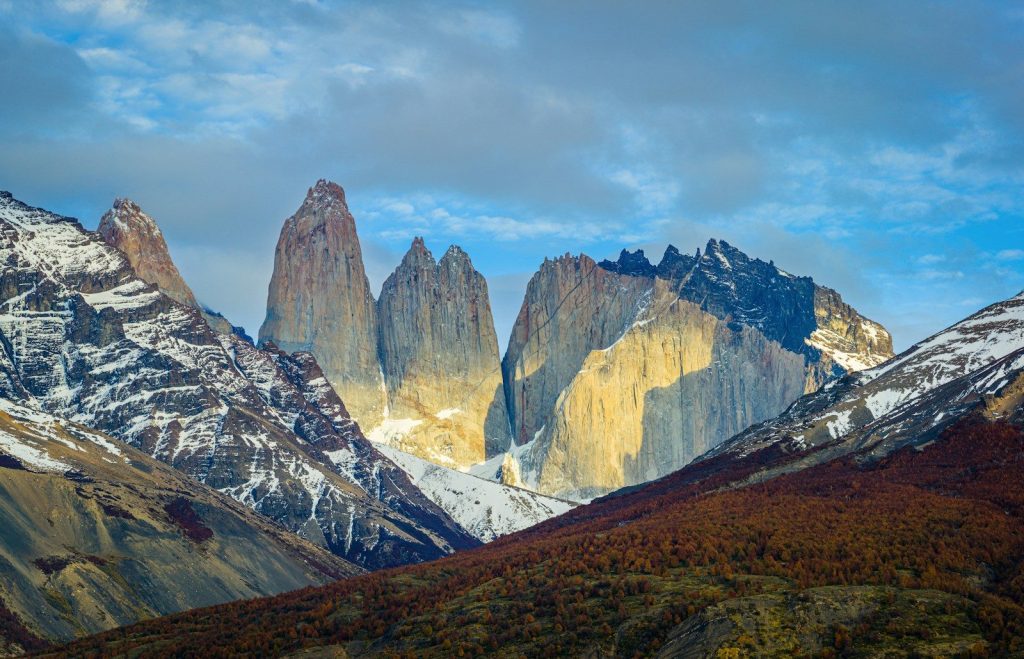
brown and white mountains under white clouds during daytime
Photo by Chris Stenger on Unsplash

The Andean cat occurs mainly in Peru, Bolivia, northern Chile, and northwestern Argentina. Its distribution is patchy because it depends on scattered rocky habitats. The species was long associated only with the high Andes, but records now also extend into lower Patagonian steppe and scrub.

Rocky Mountain Habitat

A serene view of the snow-covered Rocky Mountains shrouded in fog.
Photo by Jacob Moore on Pexels

Typical habitat is cold, dry, steep, and sparsely vegetated, with boulders and rock walls providing cover. Records reach about 5,180 meters in the Andes, although some southern populations occur much lower. Watercourses and rocky slopes often support both the cat and its main prey.

A Long Ringed Tail
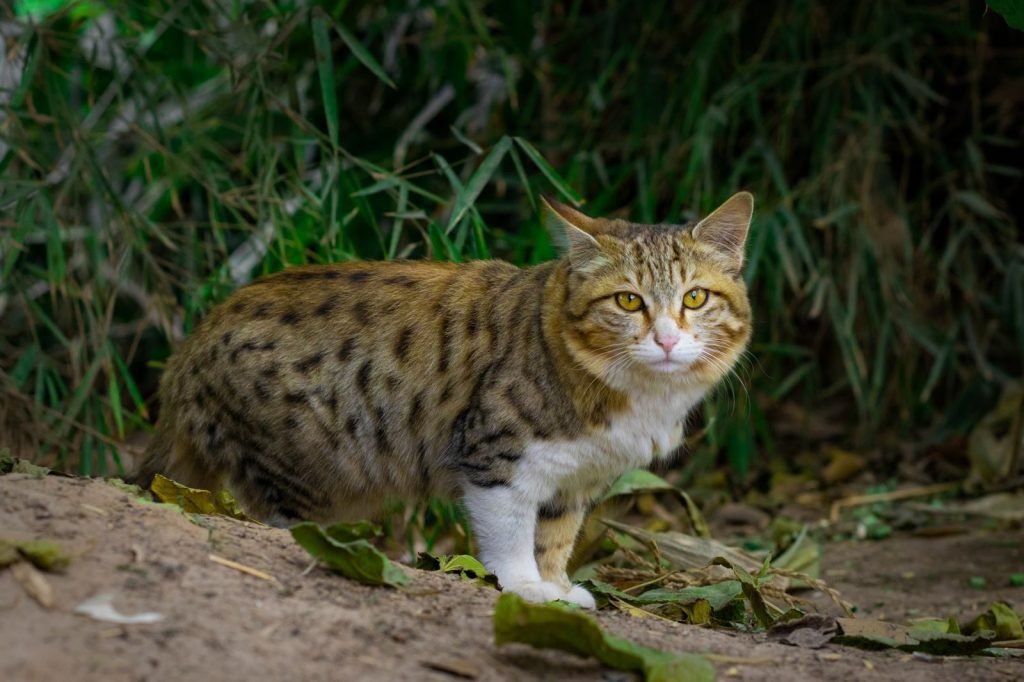
A curious tabby cat stands on dirt amidst lush green leaves, showcasing its natural habitat.
Photo by Asim Raza Khan on Pexels

An Andean cat is almost twice the size of a domestic cat and has thick silver-gray fur marked with dark blotches and stripes. Its exceptionally long, bushy tail carries six to nine broad rings and probably helps the animal balance while moving and hunting on broken rock.

A Cat Few People See
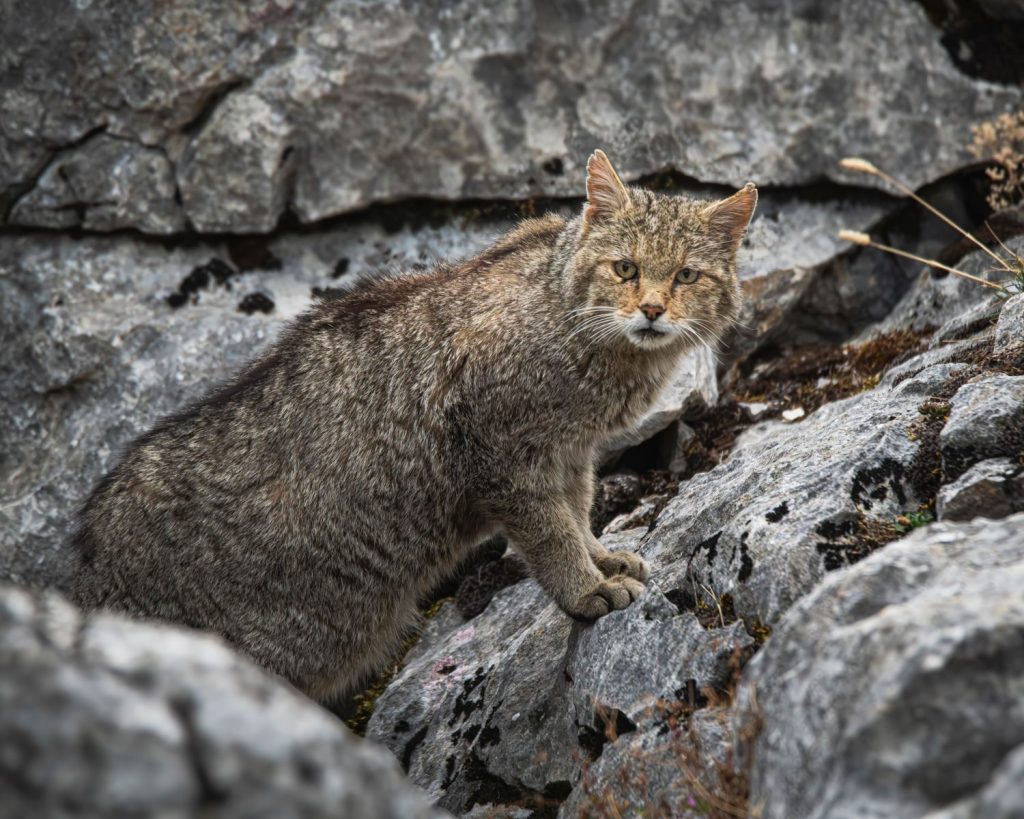
A wild cat exploring a rocky terrain, showcasing its natural habitat and alert gaze.
Photo by Jesús Esteban San José on Pexels

For many years, scientists knew the species mainly from skins and museum specimens. Camera traps, genetic sampling, and a small number of radio-tracking studies have expanded knowledge, but sightings remain uncommon. The cat’s low numbers and naturally fragmented habitat make direct field observation difficult.

Mountain Vizcachas
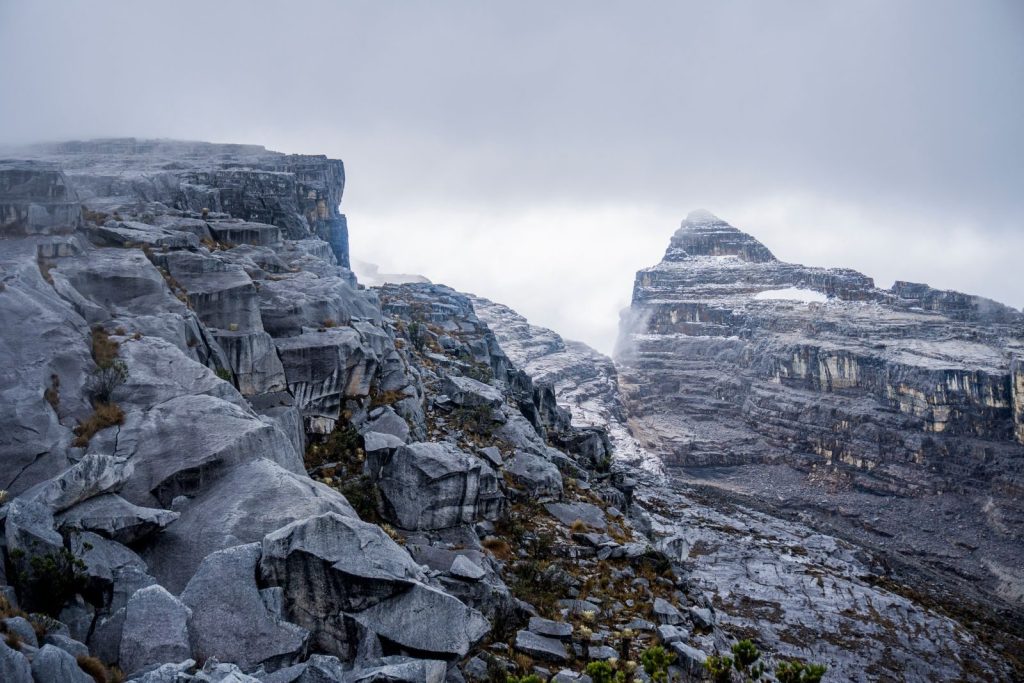
Explore the rugged rock formations of El Cocuy in this breathtaking overcast scene.
Photo by Juan Felipe Ramírez on Pexels

Mountain vizcachas are the Andean cat’s main modern prey. These rabbit-like rodents live in colonies among rocks, so their distribution helps determine where cats can feed. Andean cats also eat other small mammals, birds, lizards, and insects when available.

Cameras and DNA
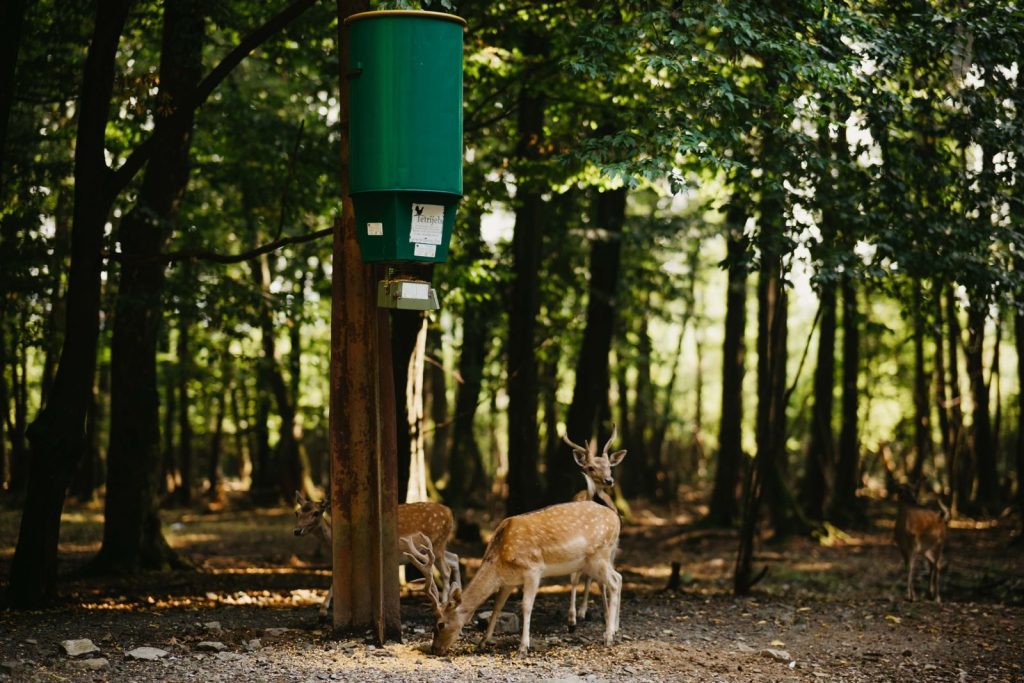
Spotted deer in a lush forest near a feeding station on a sunny day.
Photo by Mehmed Lukavackic on Pexels

Camera traps can confirm presence, identify individuals from coat patterns, and reveal activity times without requiring close contact. Researchers also analyze hair or scat for DNA. These tools help separate Andean cats from similar Pampas cats and improve estimates across remote landscapes.

Mining and Roads
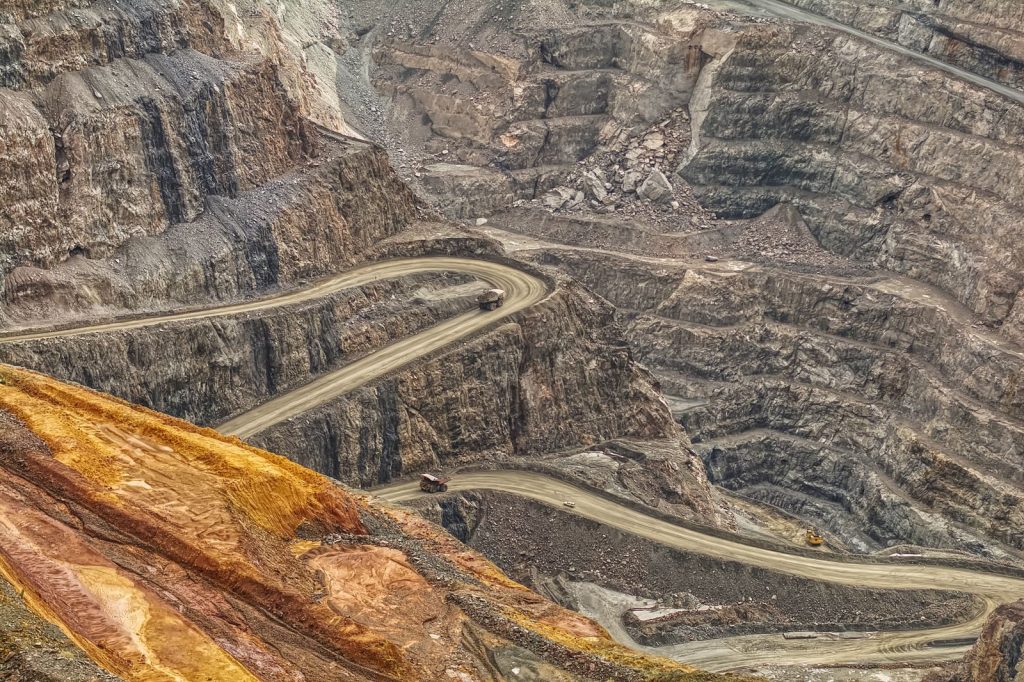
Dramatic aerial shot of winding roads in a massive open-pit mine, showcasing earth textures.
Photo by Mark Thomas on Pexels

Habitat loss and fragmentation are major threats. Mining, water extraction, road building, pollution, agriculture, dog attacks, hunting, and declining prey can isolate already small populations. Much suitable habitat overlaps the lithium-rich region of Argentina, Bolivia, and Chile, increasing pressure on scarce water and rocky landscapes.

Conservation Across Borders
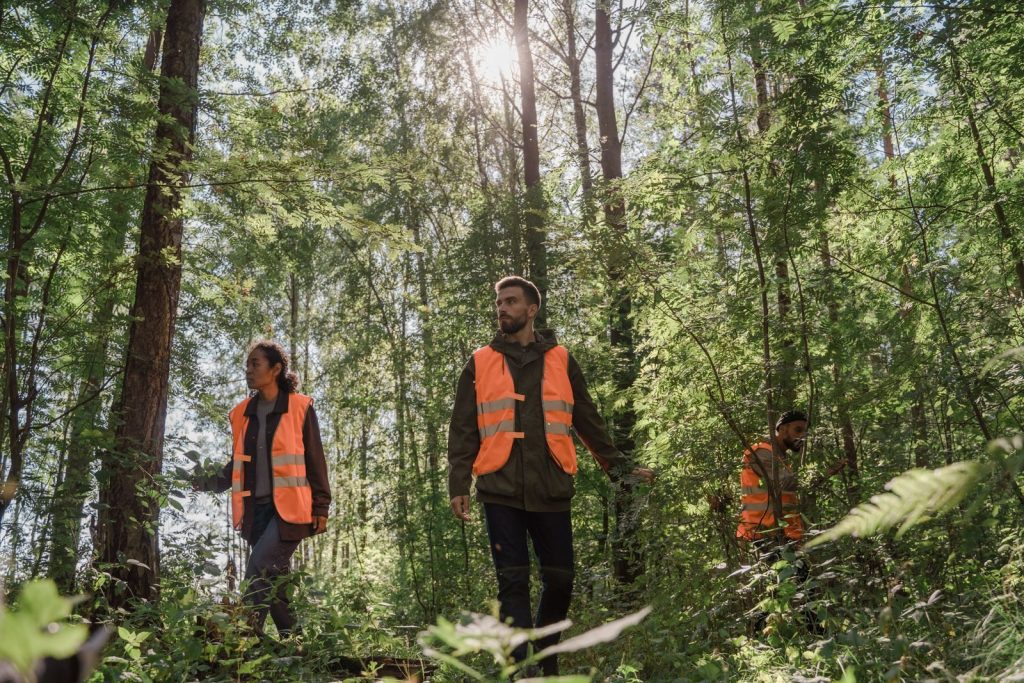
Three workers in safety vests conducting an environmental survey in a sunlit forest.
Photo by Ron Lach on Pexels

The Andean Cat Alliance has worked across all four range countries since 1999. Its programs combine research, school and community education, better coexistence with carnivores, reduced dog attacks, and alternative income projects. Cross-border cooperation is essential because cats and threats do not stop at national boundaries.

Featured Image: Photo by Lucas Pezeta on Pexels

Post navigation

Previous: Four Familiar Animals Settlers Released, and the Damage They Caused
Next: Why a Doe May Return to the Same Door With Her Fawn

Related Posts

a man looking at an octopus in an aquarium

How Scientists Filmed a Living Giant Squid in the Deep

August 5, 2026August 5, 2026 Jake
Stunning close-up of a vibrant squid glowing in dark ocean waters.

This Cuttlefish Changes Color in Seconds: Here’s How Its Living Screen Works

August 5, 2026August 5, 2026 Jake
two gazelle standing next to each other on a dry grass field

5 Strangest Animals Redefining What’s Normal in Nature

July 20, 2026July 20, 2026 Jake

Leave a Reply Cancel reply

Your email address will not be published. Required fields are marked *

Recent Posts

  • 8 of the Oldest Animals Ever Documented
  • 8 Animals With Extraordinary Physical Power
  • 9 of the Loudest Animals Ever Measured
  • Why a Doe May Return to the Same Door With Her Fawn
  • One of the World’s Rarest Wild Cats Lives in the Andes
Copyright All Rights Reserved | Theme: BlockWP by Candid Themes.