The exact viral account behind the original title could not be independently verified, so there is no reliable basis for claiming that a deer came nightly or revealed a hidden “secret.” A factual explanation is still possible.
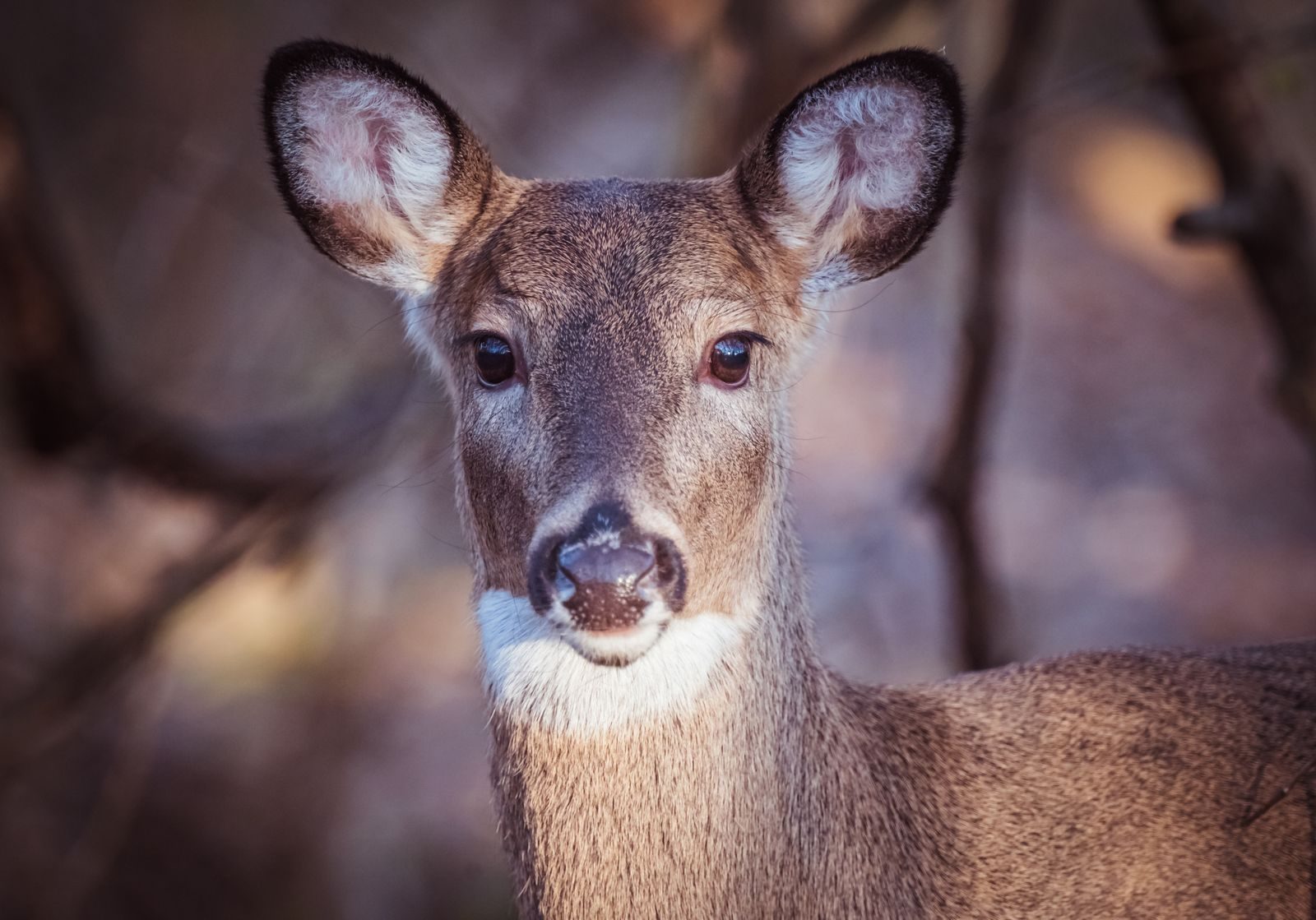
A doe may repeatedly use a quiet yard or doorway area while raising a fawn. That behavior usually reflects safety, cover, and nursing routines—not a human-style decision to introduce her baby to a trusted person.
The Door May Feel Safe
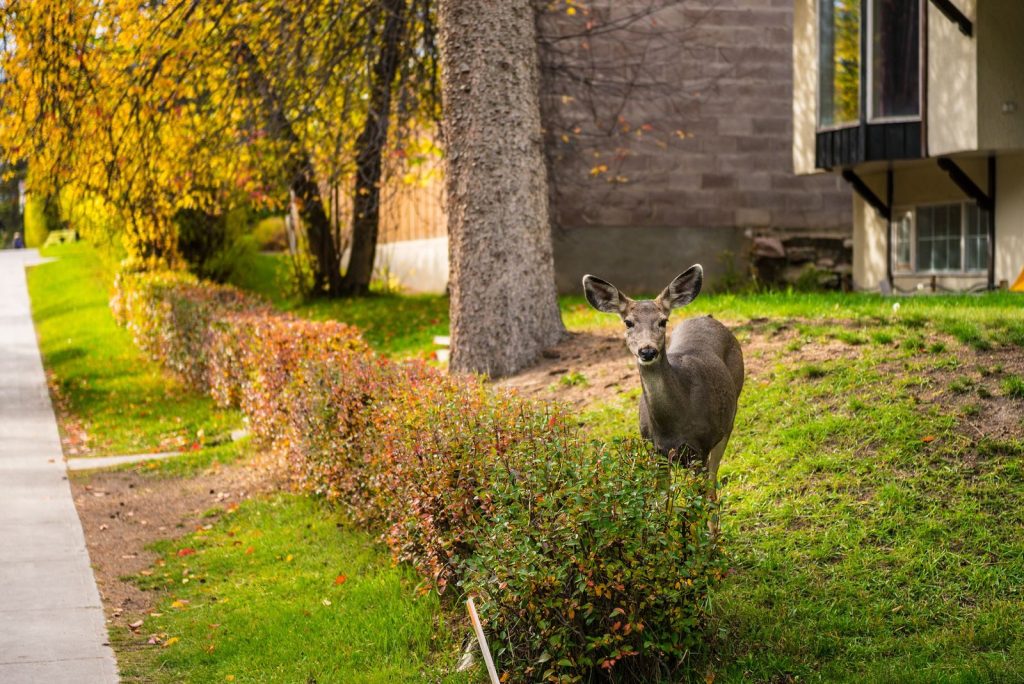
A sheltered doorway, porch edge, or quiet garden may offer temporary cover from traffic, dogs, and other disturbance. This is an inference, not proof of trust. Deer choose hiding places according to conditions, and a location can remain useful while it stays calm and accessible.
Fawns Hide Alone
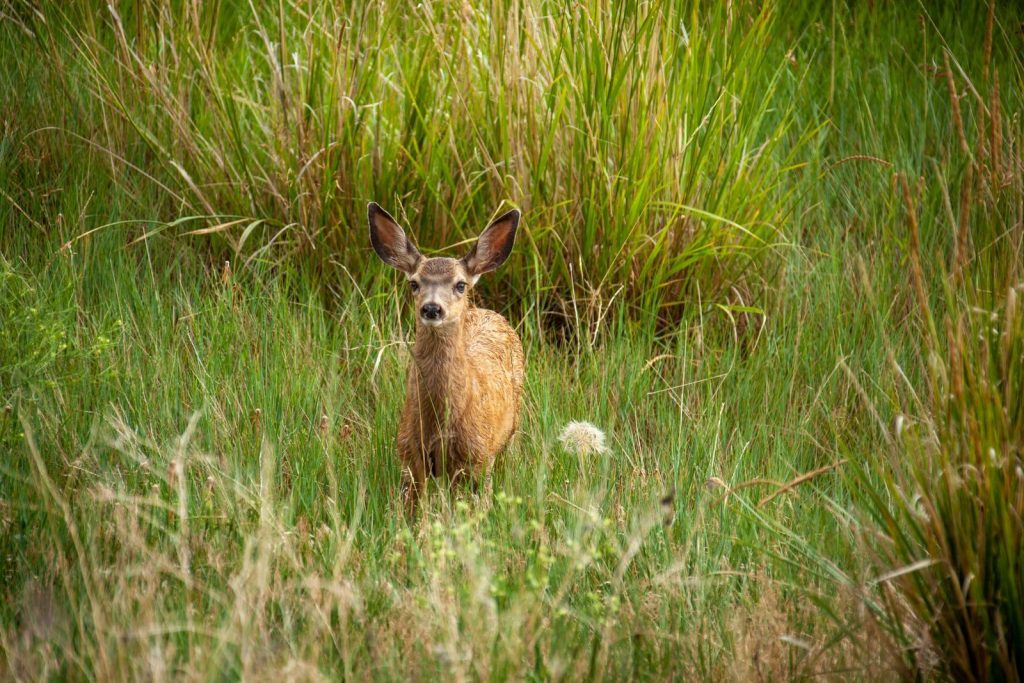
A young white-tailed deer lying by itself is usually not abandoned. Hiding is its main defense during the first part of life. The mother spends long periods away so her presence does not lead predators directly to the fawn.
Spots and Little Scent

White-tailed deer fawns have brown coats covered in white spots and produce very little scent. The pattern breaks up their outline, while stillness and low odor make them harder to detect. A frightened fawn may remain silent and motionless even when a person comes close.
Mothers Stay Away
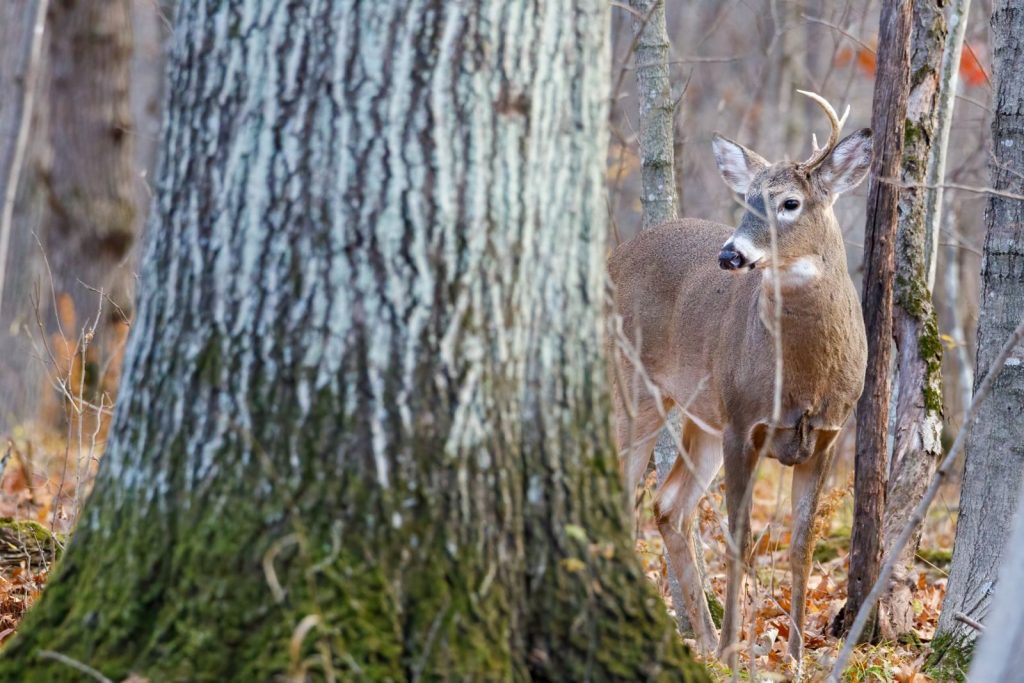
The doe normally feeds elsewhere while the fawn rests. Remaining beside the baby continuously would create movement and scent that could attract danger. Her absence is therefore protective behavior, not neglect, and she may wait until people or pets leave before approaching.
She Returns to Nurse
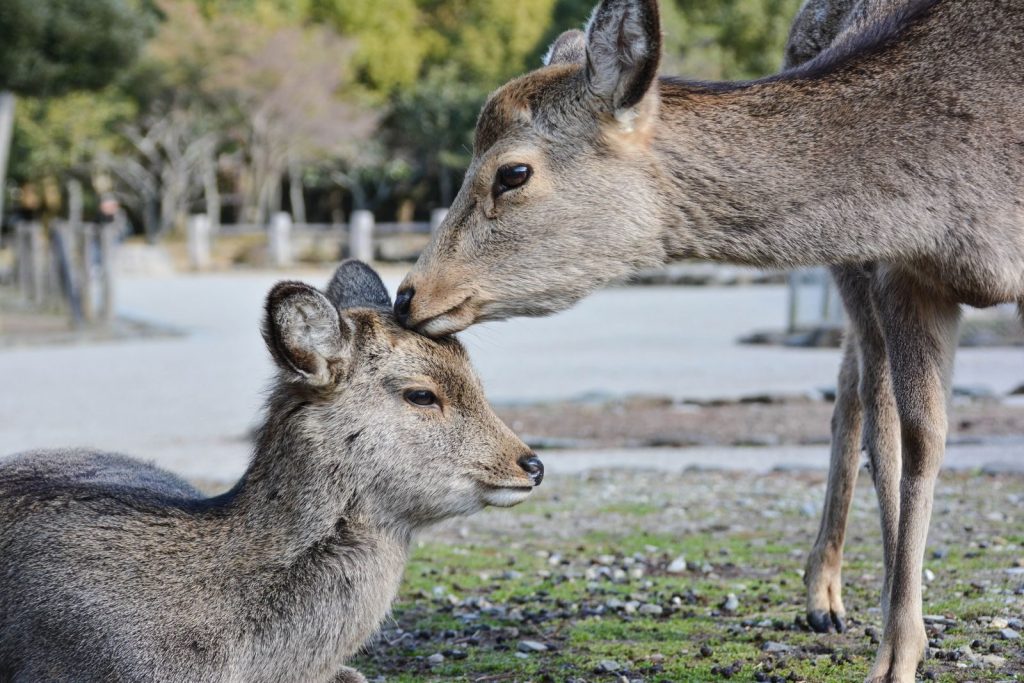
A mother deer returns several times each day to nurse her fawn. Repeated visits near a house may look like a nightly ritual if the area is quiet at similar times. The routine concerns feeding and survival; it does not prove that the deer is seeking human companionship.
Do Not Touch
People should leave a healthy resting fawn alone and move away. Touching, handling, or standing nearby can delay the mother’s return and add stress. Keep children and pets back, avoid surrounding the animal for photographs, and give the doe a clear route to reach it.
Signs Help Is Needed
A fawn may need professional help if it is visibly injured, weak, persistently crying, covered with flies, suffering from diarrhea, or beside a confirmed dead mother. Being alone is not enough. Uncertain observers should describe the situation to a licensed wildlife rehabilitator before acting.
Call a Rehabilitator
Never take a fawn home or try to raise it as a pet. Improper care can cause nutritional problems and dangerous habituation to people. A permitted rehabilitator can decide whether intervention is necessary and provide specialized treatment with release back to the wild as the goal.