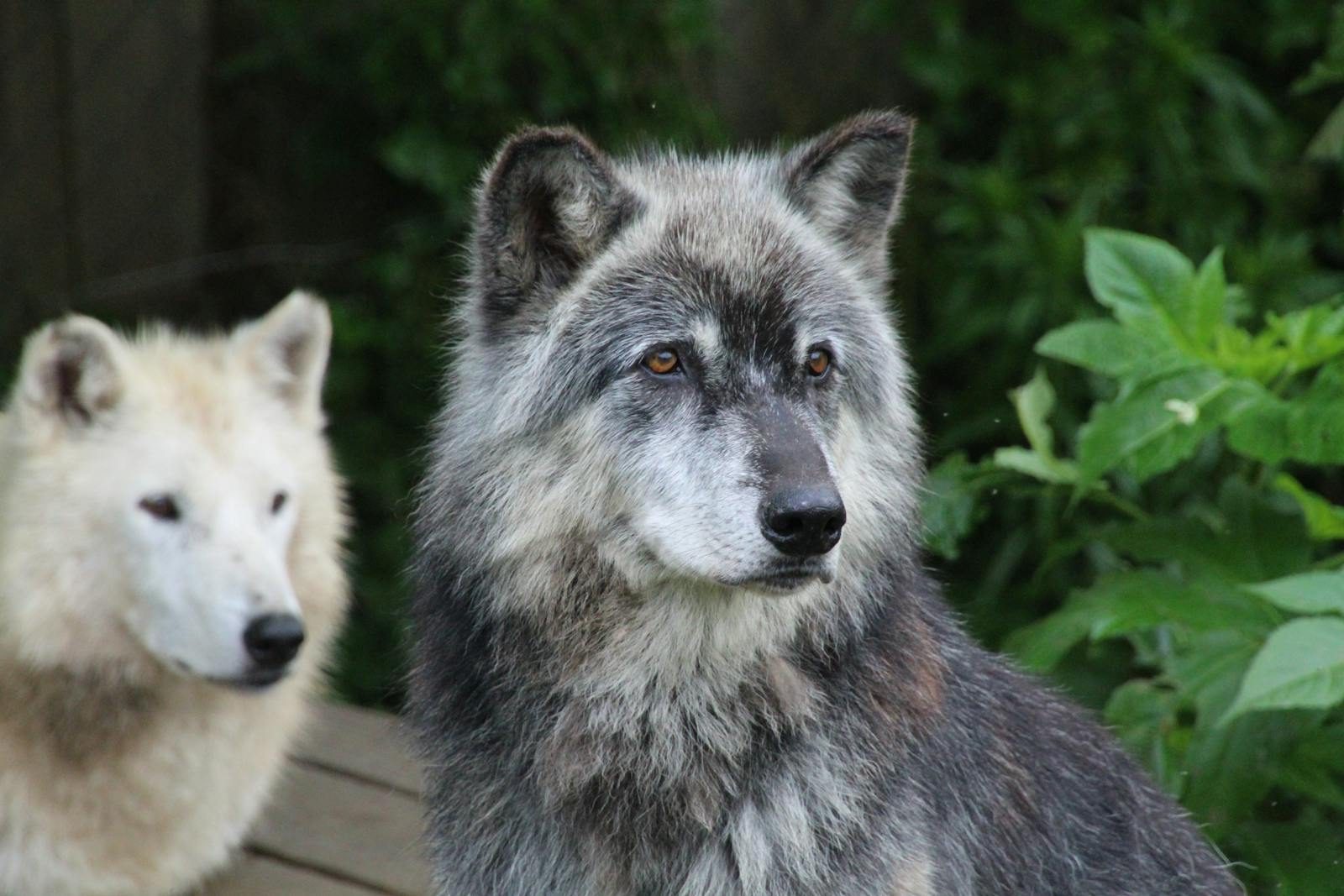
For generations, wolves have been feared as dangerous predators lurking in forests and mountains. In stories and folklore, they were often portrayed as ruthless hunters threatening livestock and human settlements.
But modern science has revealed a very different reality.
Researchers now consider wolves one of the most important species for maintaining healthy ecosystems. Their presence affects everything from deer populations to forests, rivers, birds, and even other predators.
Without wolves, entire ecosystems can begin to fall out of balance.
More Than Just Predators
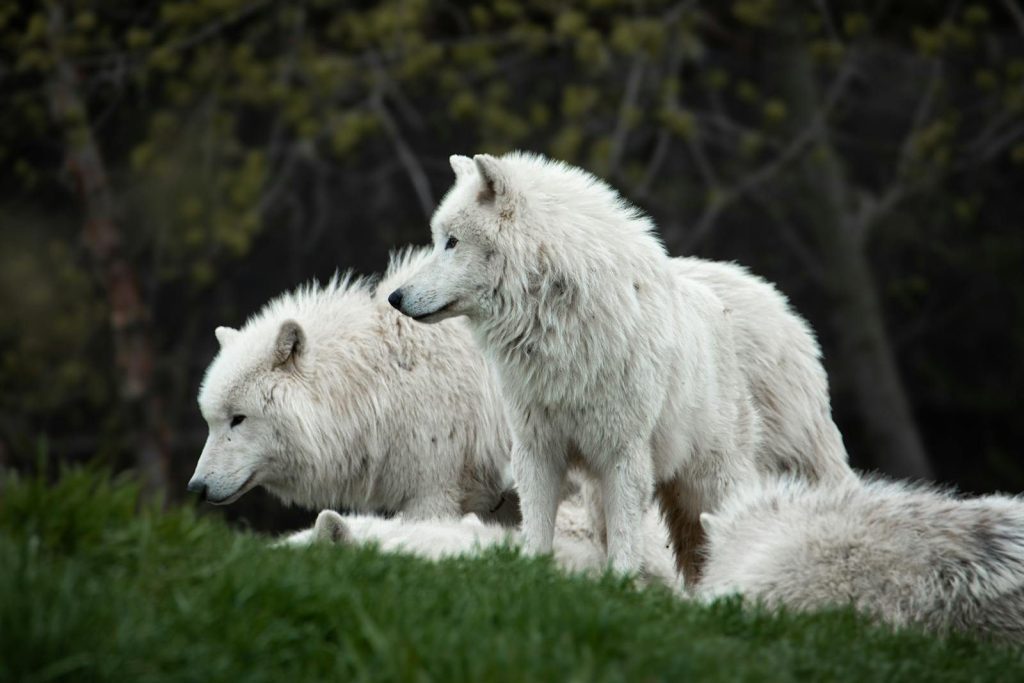
Wolves are known as apex predators, meaning they sit at the top of the food chain. This position gives them enormous influence over the animals below them.
Rather than simply reducing prey numbers, wolves help regulate the behavior and movement of herbivores like deer and elk. This prevents overgrazing in sensitive areas such as riverbanks, forests, and meadows.
When large herbivore populations grow unchecked, they can strip vegetation faster than ecosystems can recover.
Wolves help stop that imbalance from happening.
How Wolves Shape Entire Landscapes
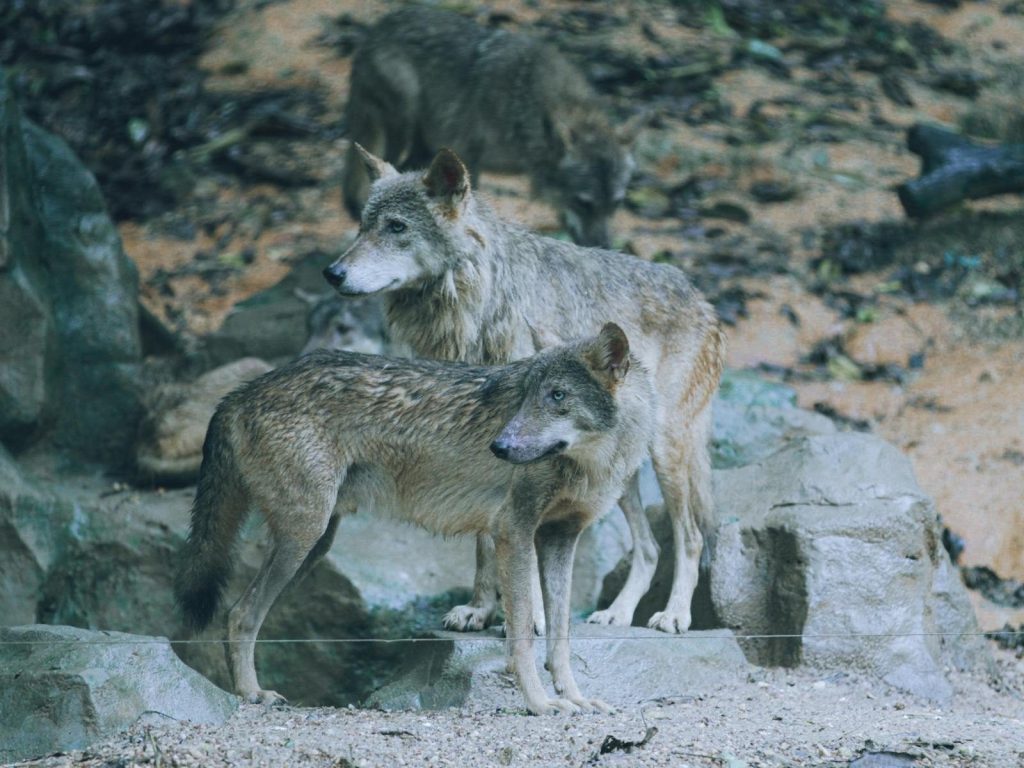
One of the clearest examples of wolves transforming ecosystems comes from Yellowstone National Park in the United States.
After wolves disappeared from the region in the early 1900s, elk populations exploded. Large areas of vegetation were heavily damaged because the elk grazed freely without natural predators controlling their movement.
When wolves were reintroduced decades later, scientists observed dramatic environmental changes.
Elk began avoiding exposed riverbanks and valleys where they were more vulnerable to predators. This allowed trees, shrubs, and grasses to recover.
As vegetation returned, birds, insects, and small mammals also increased.
Even rivers became more stable because plant roots helped reduce erosion along stream banks.
Supporting Other Wildlife
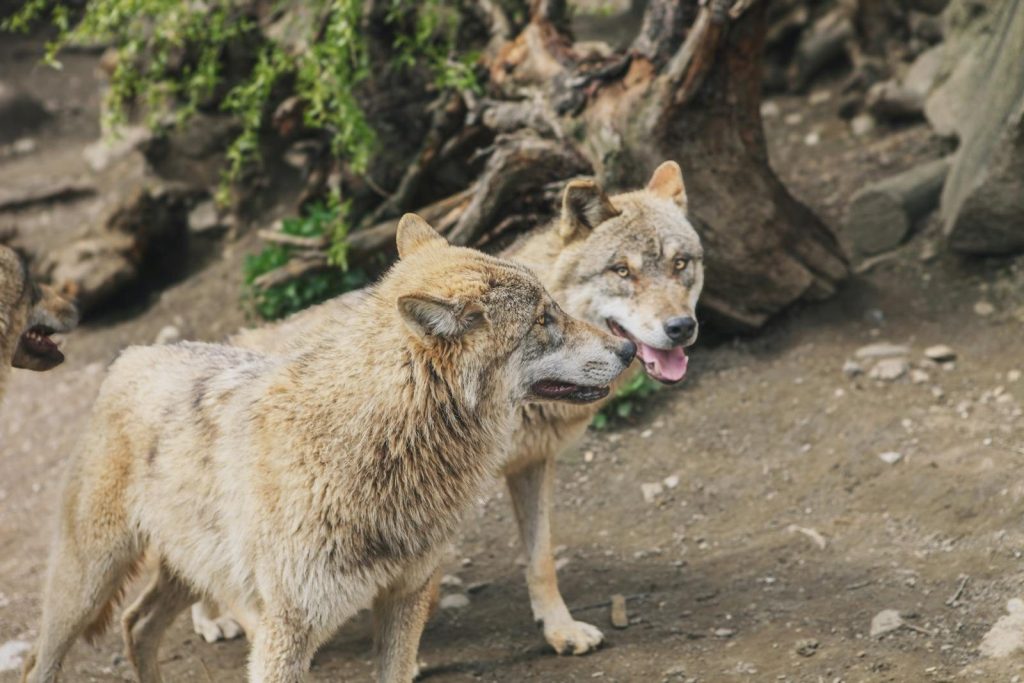
Wolves indirectly help many other species survive.
Their hunting activity leaves behind carcasses that become food sources for scavengers such as ravens, foxes, eagles, and bears. Smaller predators also benefit from healthier ecosystems created by balanced prey populations.
In some regions, wolves even help control populations of invasive or overabundant animals that damage habitats.
Scientists often describe wolves as a “keystone species” because their impact reaches far beyond their own numbers.
Why Wolves Were Nearly Eradicated
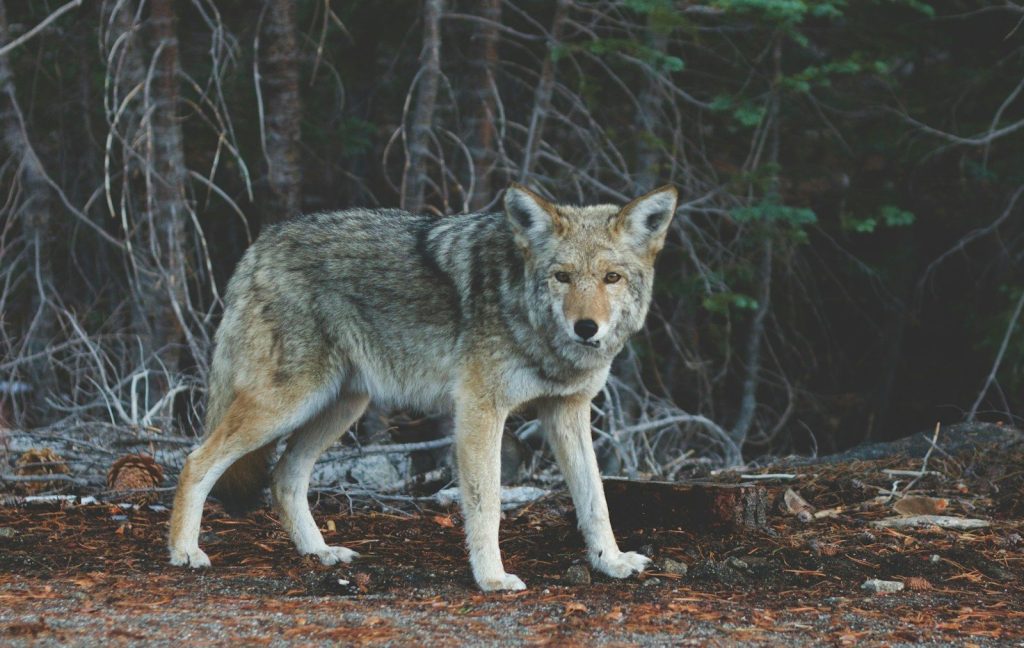
Despite their ecological importance, wolves were hunted heavily for centuries.
Many people viewed them as threats to livestock or competitors for game animals. Large scale extermination campaigns wiped out wolf populations across much of Europe and North America.
By the mid 20th century, wolves had vanished from many regions where they once thrived naturally.
Only later did researchers begin fully understanding the environmental consequences of removing top predators from ecosystems.
The Ongoing Debate Around Wolves
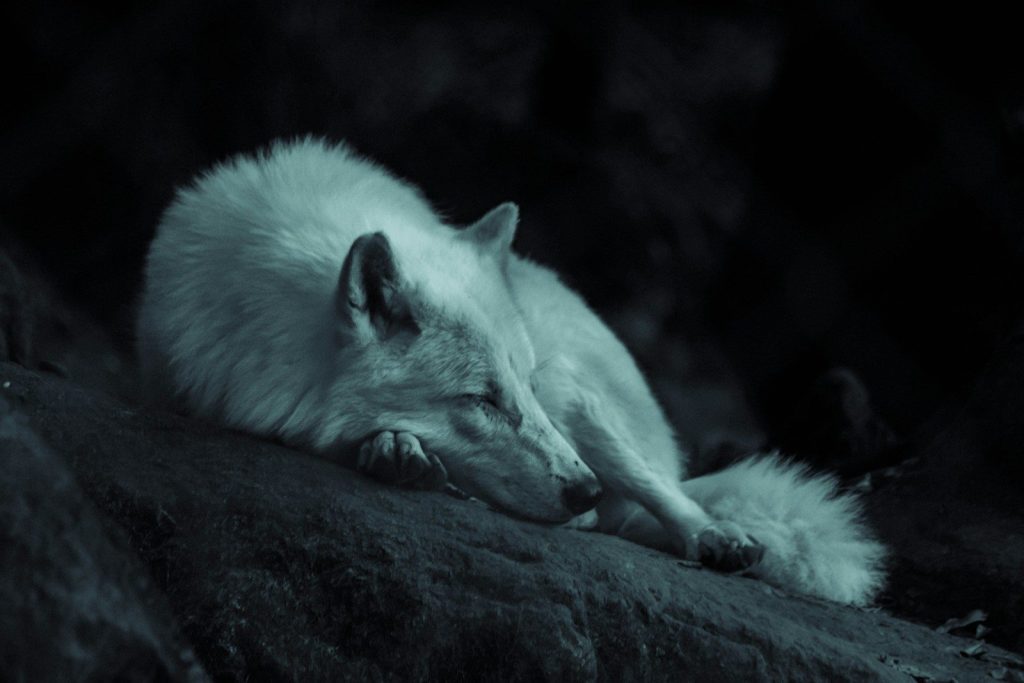
Today, wolves remain controversial in some areas.
Farmers and ranchers sometimes worry about livestock attacks, while conservationists argue that healthy predator populations are necessary for ecosystem stability.
Wildlife agencies now attempt to balance conservation with human concerns through monitoring programs, compensation systems, and population management strategies.
The debate continues, but scientific research overwhelmingly supports the ecological value of wolves.
A Symbol of Wild Ecosystems
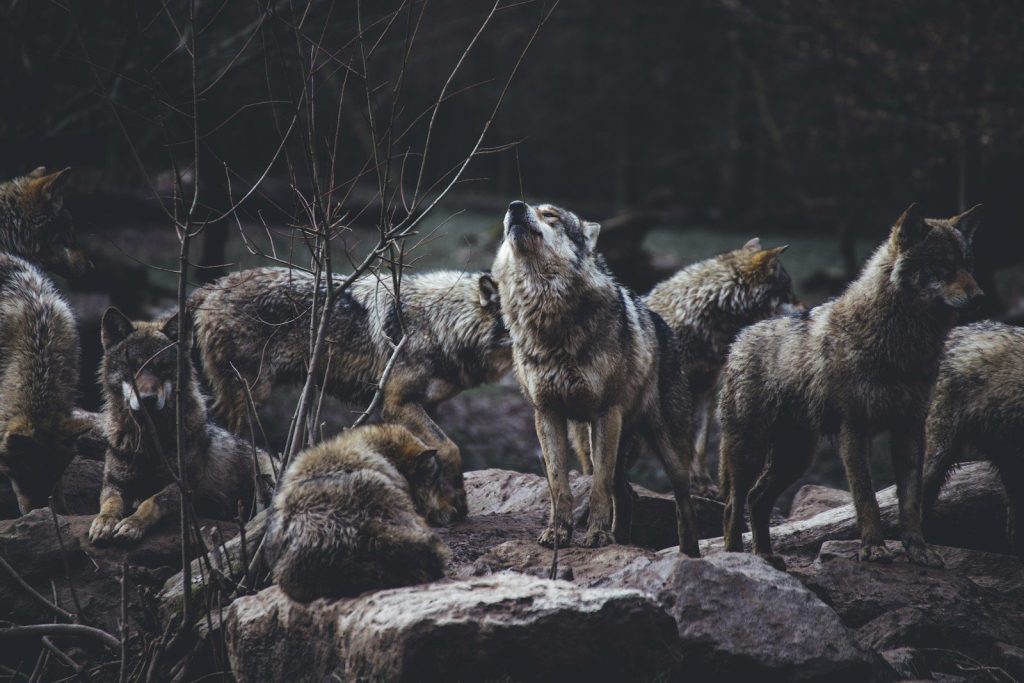
Beyond their environmental role, wolves have become symbols of wilderness and natural balance.
Their survival often reflects the health of larger ecosystems. Where wolves thrive, forests, rivers, and wildlife communities are often healthier as well.
Protecting wolves is ultimately about more than saving one species. It is about preserving the natural relationships that keep ecosystems functioning properly.