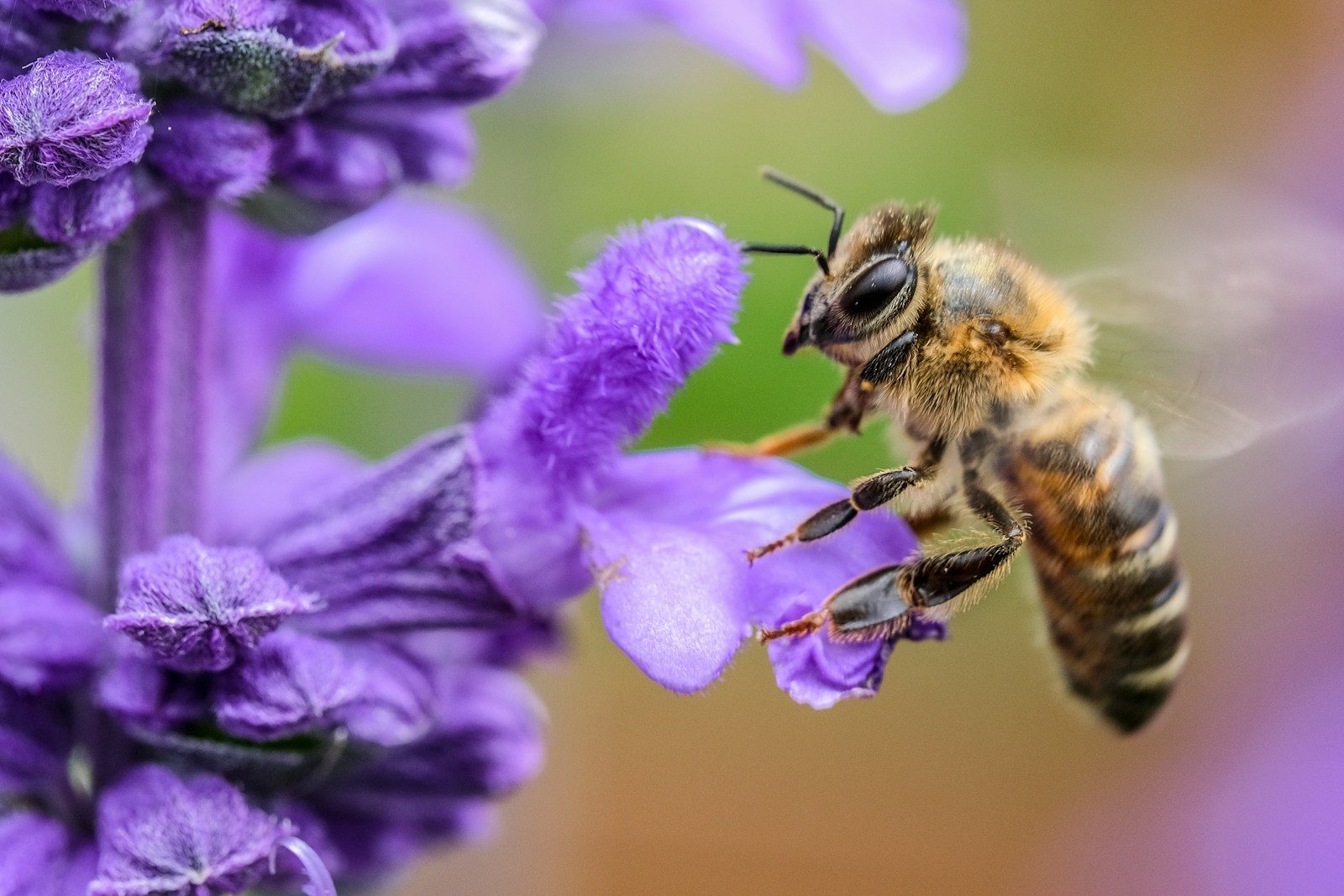
Honey bees receive enormous attention, but North America’s native bees include thousands of species with their own nesting habits, body sizes, seasonal schedules, and flower preferences.
Many are excellent garden pollinators, and some perform techniques that honey bees cannot. Supporting them means providing flowers as well as the soil, stems, wood, and other places they need to reproduce.
Native Bee Diversity
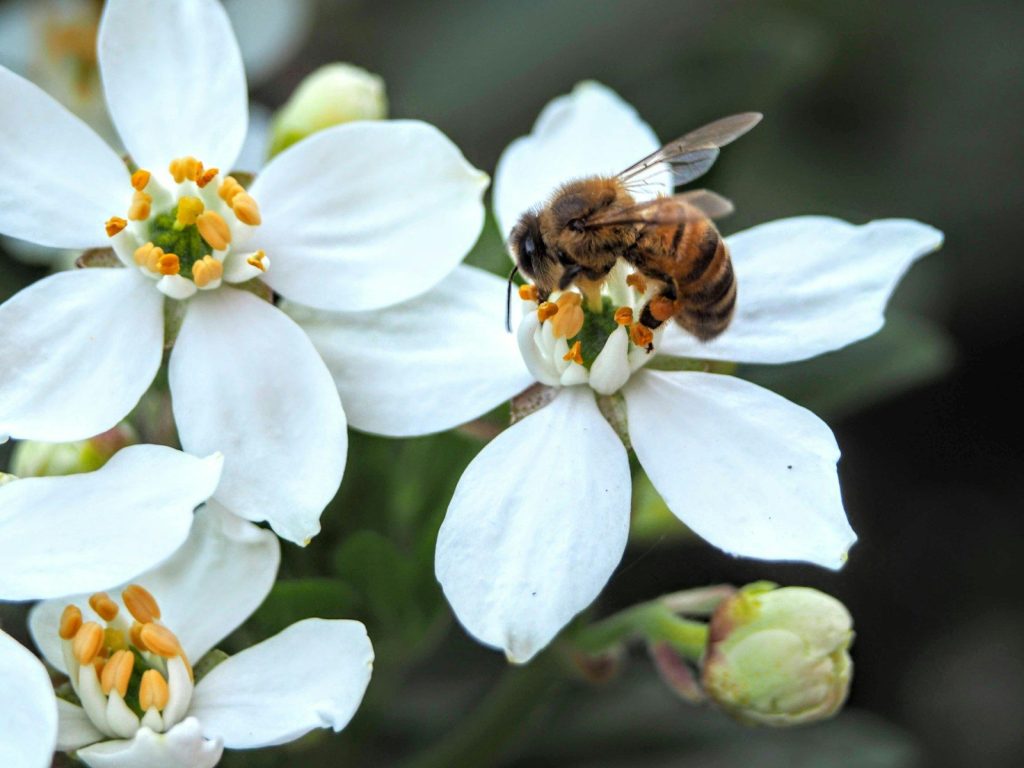
The United States has roughly 3,600 species of native bees. They range from large bumble bees and carpenter bees to tiny sweat bees that can easily be overlooked while visiting garden flowers.
That diversity means there is no single “native bee lifestyle.” Species differ in preferred plants, nesting sites, active seasons, and social behavior. A garden designed for several kinds of bees therefore provides more ecological value than one built around the needs of only honey bees.
Bumble Bees
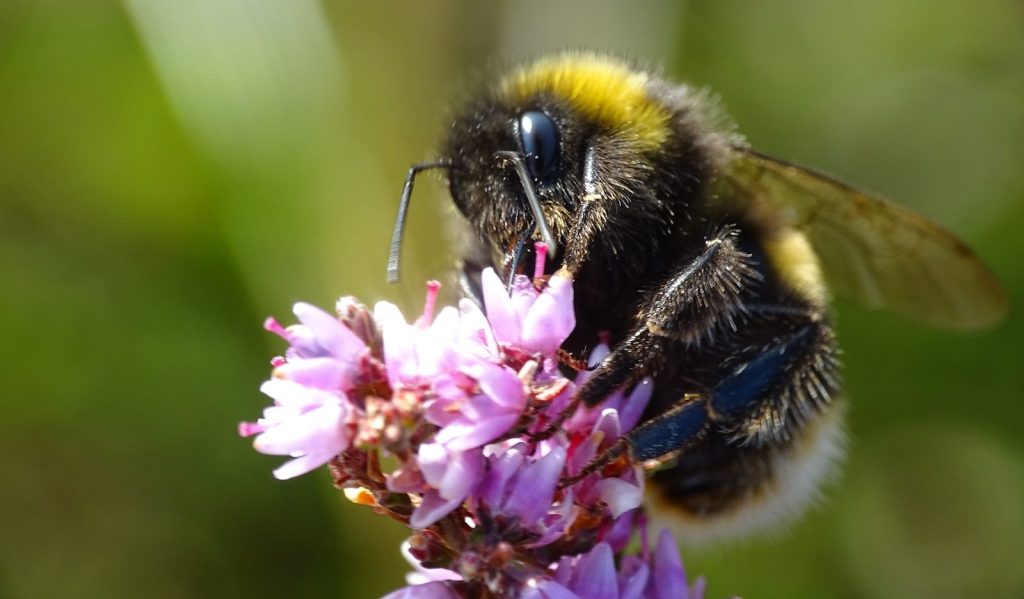
Bumble bees are among the most visible native pollinators in North American gardens. Their relatively large, hairy bodies can pick up substantial quantities of pollen as they move from flower to flower.
They can also perform buzz pollination, gripping a flower and vibrating their flight muscles so pollen shakes loose from specialized anthers. Tomatoes, peppers, blueberries, and several other plants can benefit from this technique, which honey bees do not perform.
Mason Bees
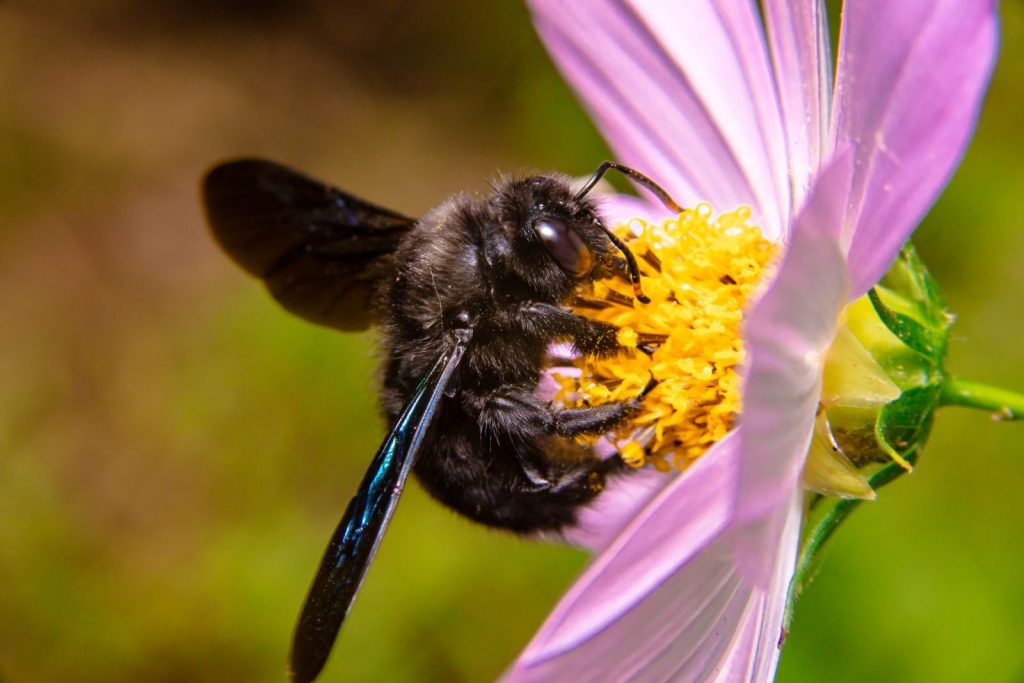
Mason bees are solitary cavity-nesting bees. Females use existing holes or hollow spaces rather than building a social hive, placing individual offspring into separate cells provisioned with pollen and nectar.
Many species are active early in the year, allowing them to pollinate spring-blooming trees and garden plants. Their value does not come from huge colonies. A relatively small number of active females can make repeated flower visits while gathering pollen needed to provision their nests.
Leafcutter Bees
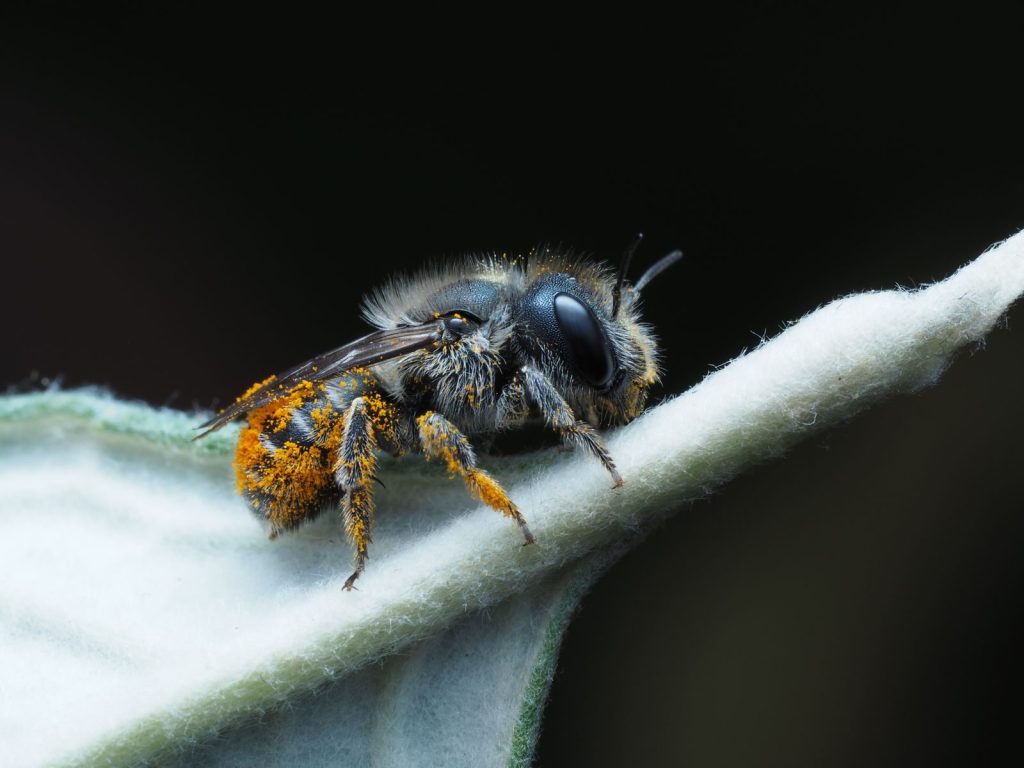
Leafcutter bees belong to a diverse group of solitary bees that cut neat pieces from leaves. They carry those pieces back to nesting cavities and use them to construct partitions around developing offspring.
The circular cuts left on garden leaves are usually cosmetic rather than evidence that the plant is being destroyed. Some leafcutter species are also highly useful agricultural pollinators; the alfalfa leafcutting bee, for example, is deliberately managed for crop pollination.
Squash Bees
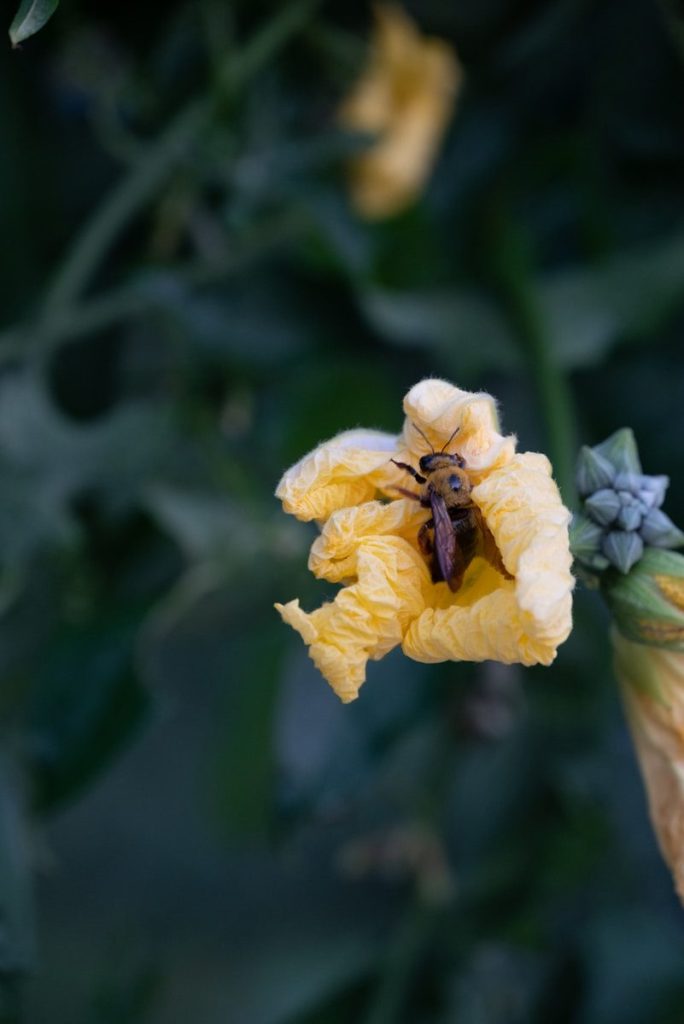
Squash bees specialize on flowers in the squash and pumpkin family. Their activity often begins early in the morning when these large yellow flowers are freshly open and carrying abundant pollen.
Because females depend heavily on squash-family pollen, gardens containing pumpkins, gourds, zucchini, or related crops can become important habitat. This close plant relationship demonstrates something honey bee numbers alone cannot replace: specialist native bees may be exceptionally well matched to particular flowers.
Ground Bee Nests
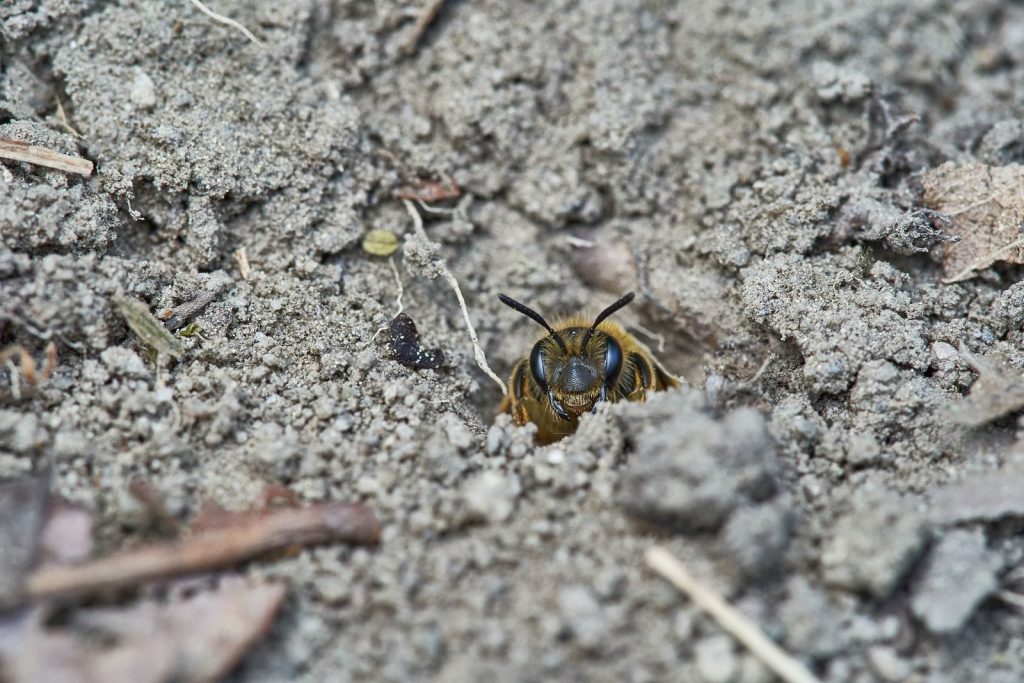
About 70 percent of native bee species nest in the ground rather than in hives or bee hotels. Females excavate tunnels in suitable soil and create underground chambers where individual young develop.
Covering every exposed patch of earth with thick mulch, landscape fabric, pavement, or dense turf can therefore remove potential nesting habitat. Leaving some well-drained, lightly vegetated or bare soil in quiet garden areas can support bees without requiring any artificial structure.
Hollow Stem Nests
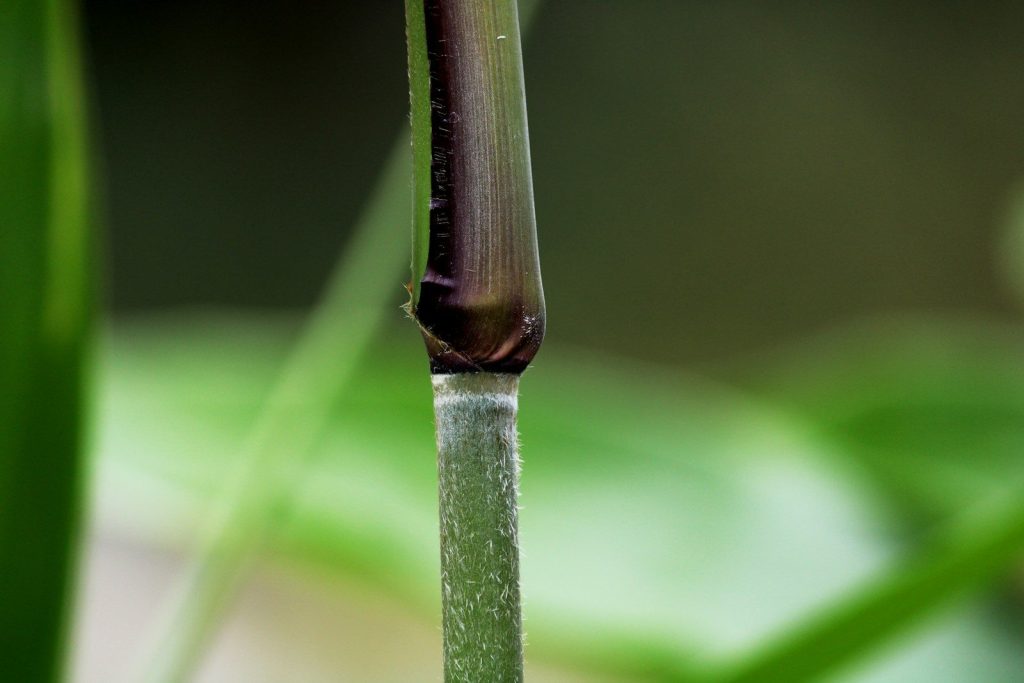
Roughly 30 percent of native bee species use above-ground cavities such as hollow stems, holes in wood, or tunnels originally made by other insects. Many solitary bees need surprisingly small spaces to raise their young.
Leaving selected dead stems standing and retaining some natural woody material can provide nesting habitat. Artificial bee houses can also help when properly designed and maintained, but they are not a replacement for varied natural habitat spread throughout the garden.
Native Flower Garden

A useful bee garden includes several flowering species with overlapping bloom periods from spring through fall. Continuous food matters because different native bees emerge at different times and may be active for only part of the growing season.
Native plants suited to the local region can be especially useful, while reducing unnecessary insecticide exposure protects visiting pollinators. The best bee garden therefore combines food and nesting habitat instead of simply planting one heavily marketed “bee-friendly” flower.
Featured Image: Photo by Roberto Lopez on Unsplash