A 2026 viral video really did show a tourist being given a so-called “duck massage” in Vietnam. The experience involved food being scattered over or around him before a flock rushed in to eat it.
The ducks were not trained therapists, and no credible evidence shows the experience provides medical benefits. “Massage” is a playful tourism label for being surrounded and lightly pecked by food-motivated domestic ducks.
Viral Duck Massage

Storyful reported in June 2026 that travel blogger Josefine Kraemer filmed her husband Dominick during a Vietnamese duck-farm experience. Food was scattered around him and a large flock quickly moved in to collect it.
Dominick described the sensation as many beaks nipping or pecking while he laughed. The clip worked because it looked chaotic but harmless. The important factual detail is that the ducks were responding to food, not deliberately deciding that a visitor needed a massage.
Duck Farm Experience

Duck-themed rural attractions have become part of the tourism scene around central Vietnam. The established Duck Stop near the Phong Nha area invites visitors to feed flocks, experience local farming activities, and interact closely with domestic ducks.
These experiences turn an ordinary farm behavior into entertainment. Visitors become the center of a feeding event instead of simply watching from outside a pen. The surrounding countryside and agricultural setting are as much part of the attraction as the birds themselves.
Food Brings the Ducks

The flock does not surround a tourist because ducks naturally seek human skin to massage. Food drives the interaction. Rice or another feed is placed around the visitor, and the birds hurry toward the available meal.
That distinction makes the viral behavior much easier to understand. Domestic ducks can quickly learn where food appears and may approach people associated with feeding. What looks like dozens of animals suddenly becoming fascinated by one person is largely an organized feeding opportunity.
Pecking Duck Beaks
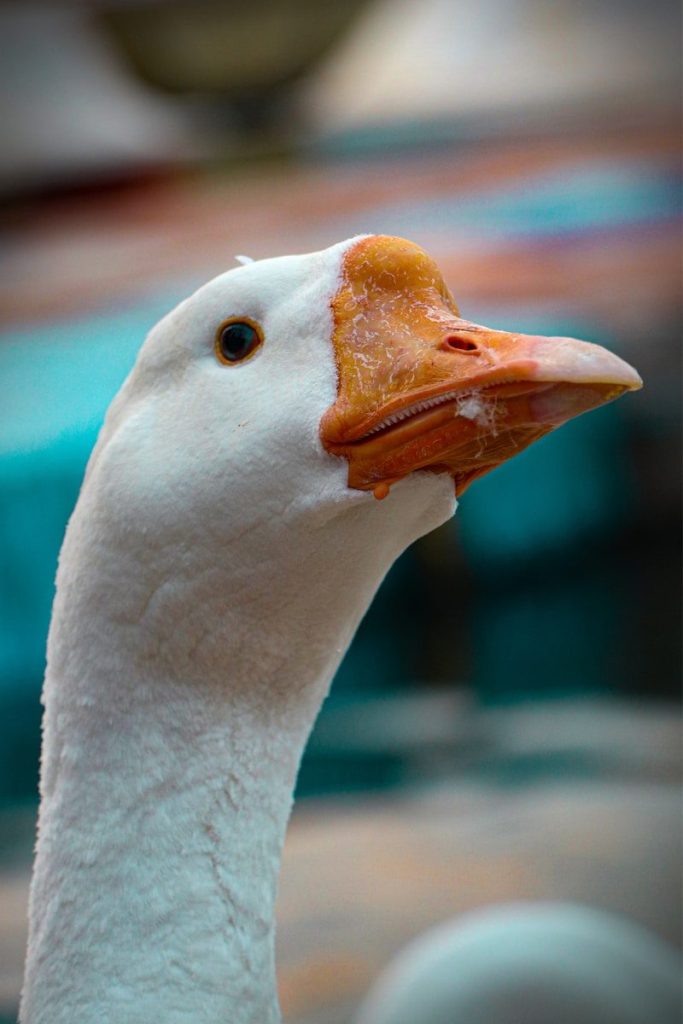
Ducks use their bills constantly while feeding, probing, grasping, filtering, and picking up food. During the “massage,” the visitor feels repeated contact as individual birds collect tiny pieces of feed from the surrounding area.
Tourism promotions describe the sensation as gentle pecking rather than a conventional massage. The nickname is meant to be humorous. It should not be interpreted as evidence that duck bills produce a scientifically established therapeutic effect or that the birds understand they are participating in a human wellness treatment.
Domestic Duck Flock
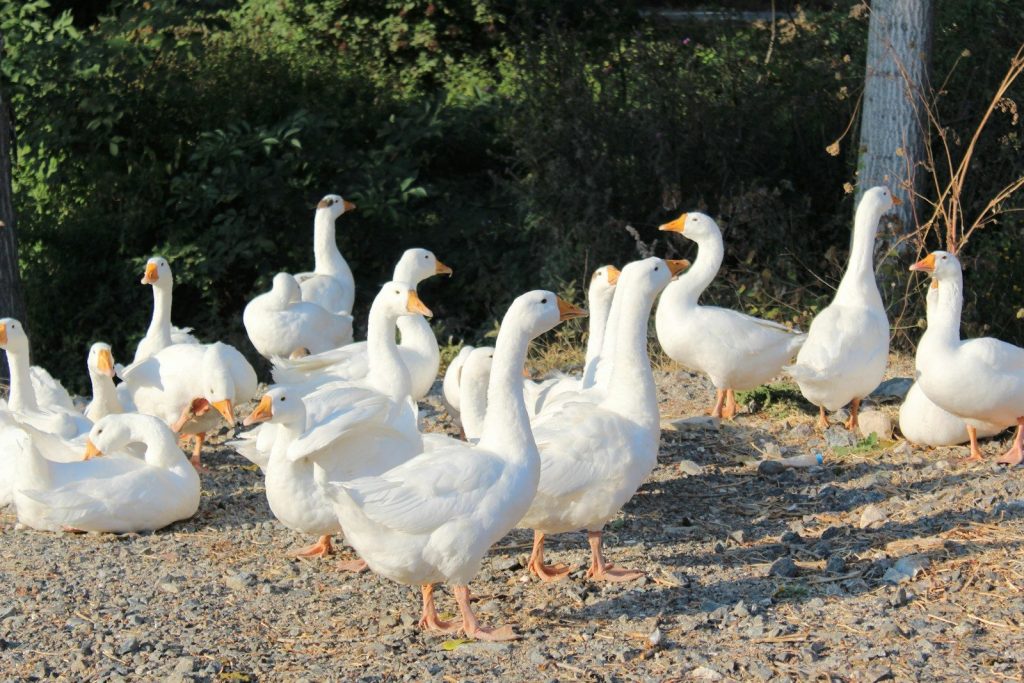
The ducks used in these tourism experiences are domestic farm animals accustomed to people. Vietnamese reporting says some flocks are raised or trained from a young age to tolerate close visitor interaction and gather around people for food.
That helps explain why the birds do not immediately scatter when strangers enter their space. Habituation, however, should not be confused with affection toward every visitor. Their observable behavior is consistent with domestic ducks familiar with a predictable feeding routine.
Rural Vietnam Tourism
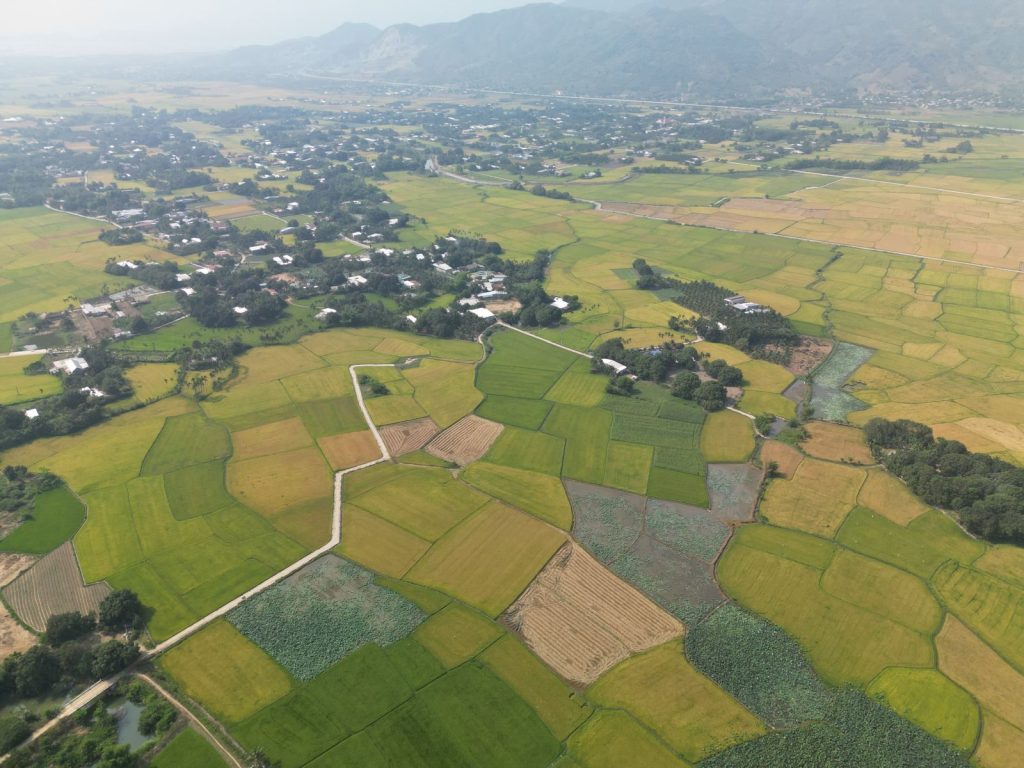
The duck attraction is part of a broader rural-tourism model that gives travelers experiences associated with farming life. Visitors may feed animals, see buffalo, explore countryside landscapes, and eat local food during the same visit.
That can generate income outside major tourism centers while giving visitors an unusual story to take home. The “duck massage” became especially shareable because it creates an immediately understandable visual: one person disappears beneath a determined flock searching for rice.
Duck Welfare

A funny tourism experience should still be judged by how the animals are treated. Ducks need appropriate food, water, shelter, space, and opportunities to behave normally beyond periods when visitors are present.
A short viral clip cannot establish the overall welfare quality of any animal attraction. Viewers can observe whether animals appear overcrowded or forcibly restrained, but long-term care requires more information. The most responsible interpretation is therefore limited to what the footage shows: domestic ducks voluntarily approaching food around a tourist.
What the Massage Really Is

The best description is a supervised feeding interaction marketed as a “duck massage.” The birds gather because feed is available, while the visitor experiences repeated bill contact and movement from the flock.
That explanation does not make the experience less unusual. It simply replaces the magical version with understandable animal behavior. A flock of food-motivated ducks can create an unforgettable few seconds without anyone needing to pretend the birds have secretly mastered a new form of spa therapy.
Featured Image: Photo by Alexia Lefebvre on Unsplash