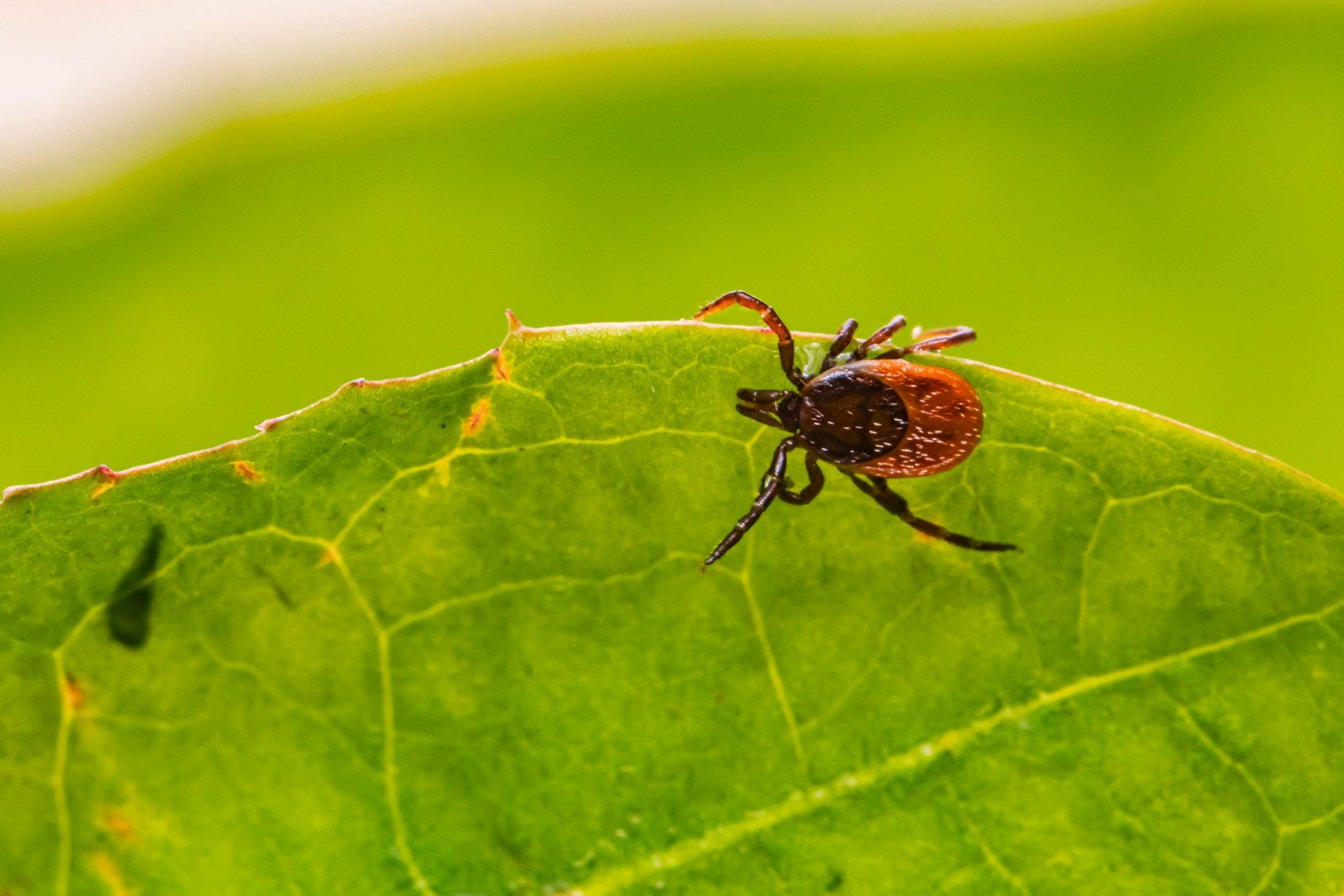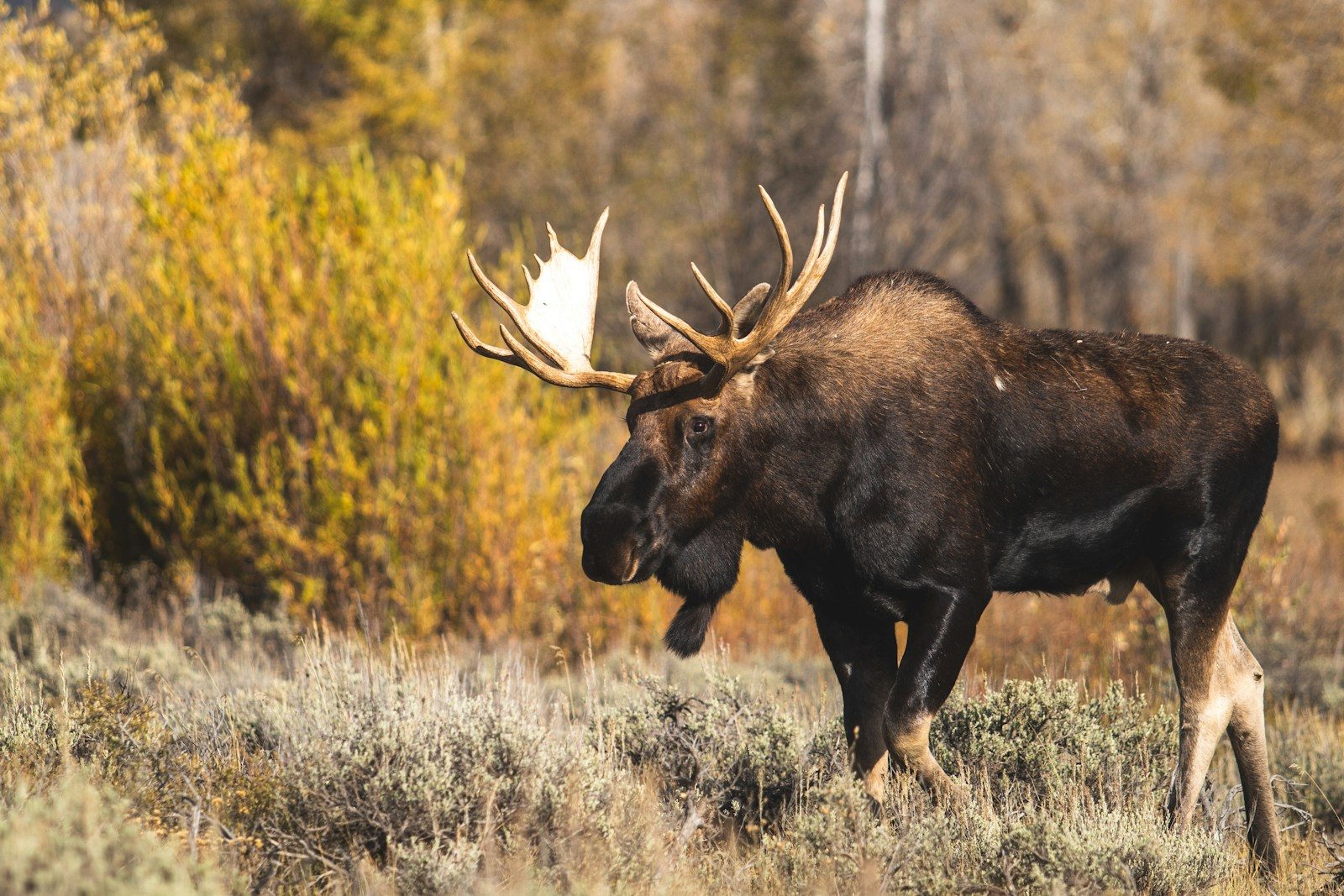
In the northern forests of North America and Eurasia, the moose is one of the most powerful land animals. But even this massive species can be brought to its limits by something tiny. Winter ticks can cover a single moose in staggering numbers, sometimes reaching 50,000 or more, creating one of the most extreme parasite infestations in the animal kingdom.
What looks like a simple case of “bugs on an animal” is actually a life-threatening ecological pressure that affects survival, behavior, and entire populations.
A Silent Parasite With Massive Impact
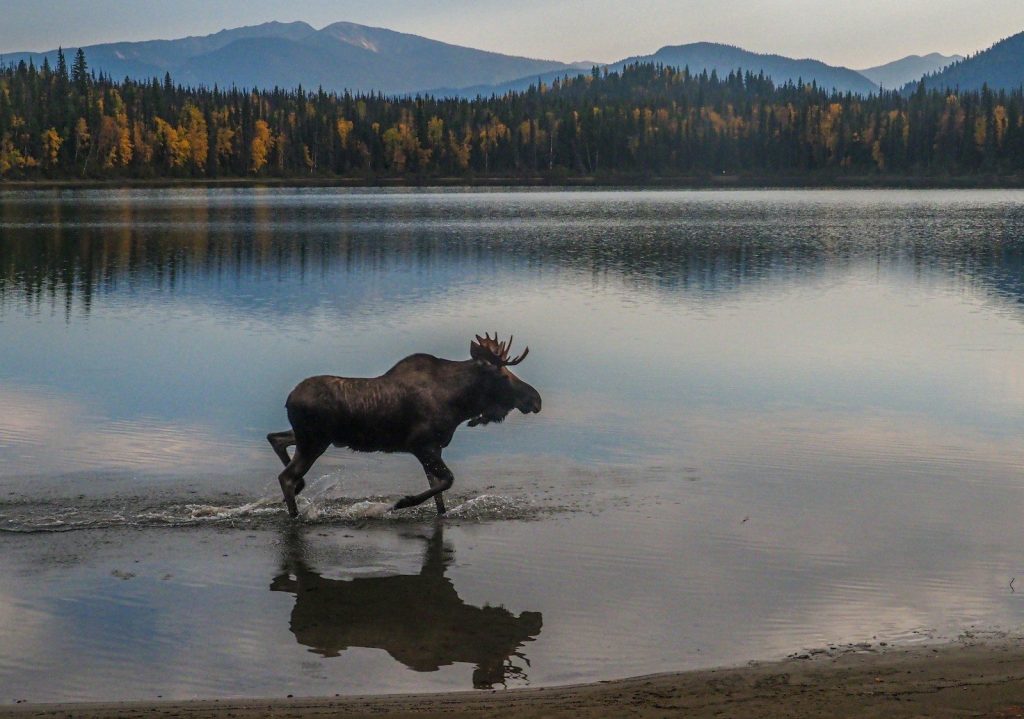
Winter ticks are not like typical parasites that move between hosts. They spend their entire life cycle on a single moose, feeding continuously through winter and early spring.
Once attached, they multiply in effect, draining blood and weakening the animal over time until thousands become a serious biological burden.
How Infestations Reach Extreme Numbers
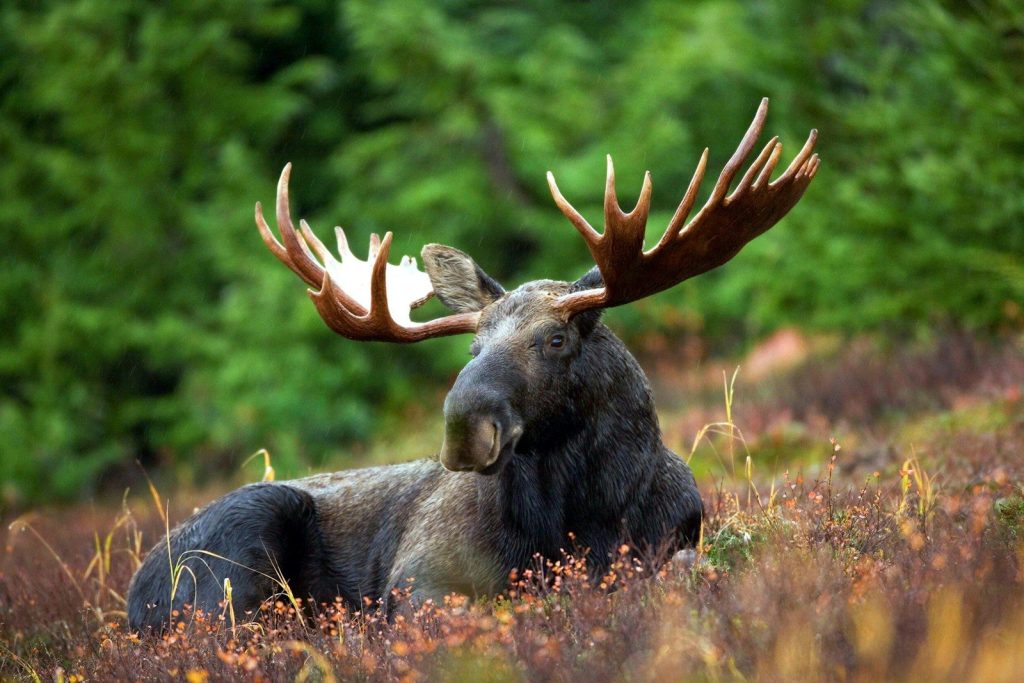
A moose becomes infested when it moves through vegetation where tick larvae are waiting. These larvae latch on in large groups during fall and remain attached through winter.
Because a single host carries them through their full development cycle, numbers can escalate into tens of thousands without interruption.
The Physical Damage Begins
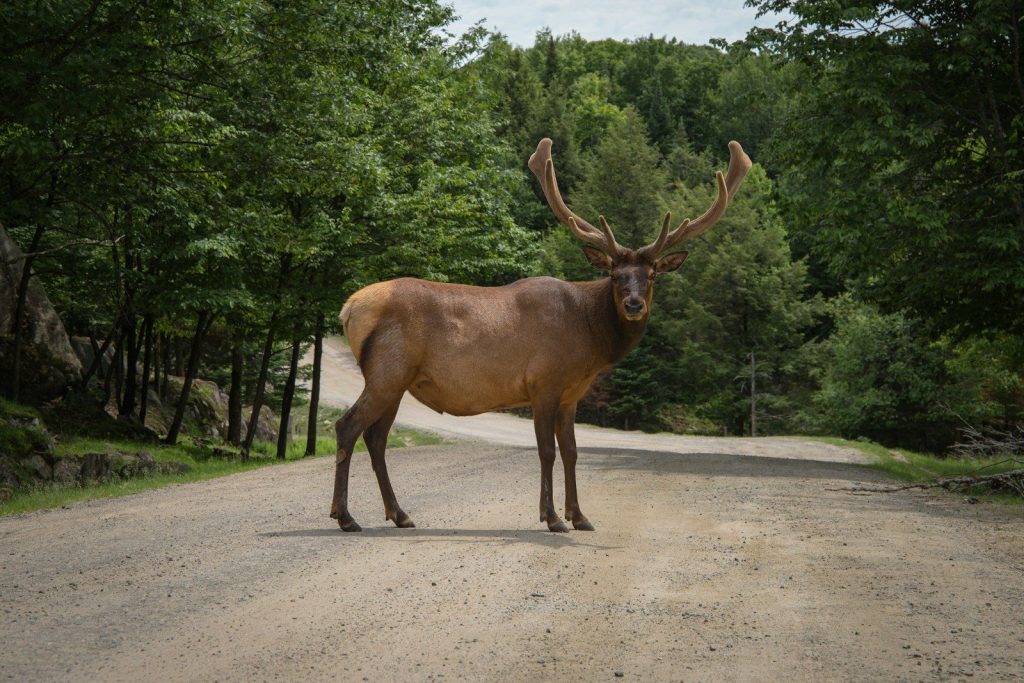
As tick numbers rise, moose begin losing blood faster than their bodies can recover. This leads to weakness, anemia, and constant irritation.
Severe infestations also cause hair loss, leaving patches of exposed skin that make it harder for the animal to survive cold winters.
“Ghost Moose” Effect and Body Stress
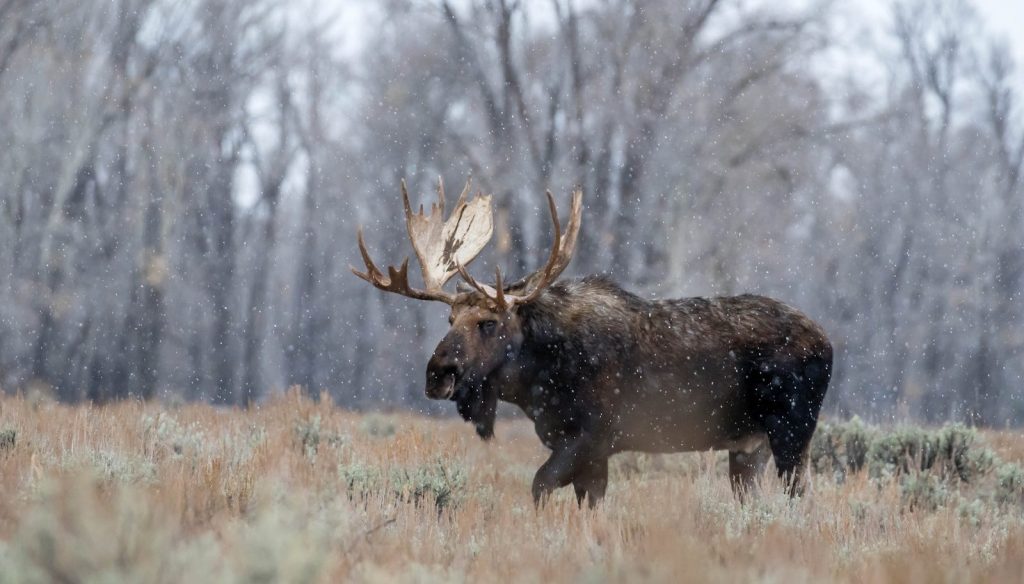
One of the most visible signs of infestation is a condition called the “ghost moose,” where animals rub off large amounts of dark winter fur due to irritation.
This exposes lighter undercoat and bare skin, increasing vulnerability to hypothermia and infection during freezing conditions.
Calves Are the Most at Risk
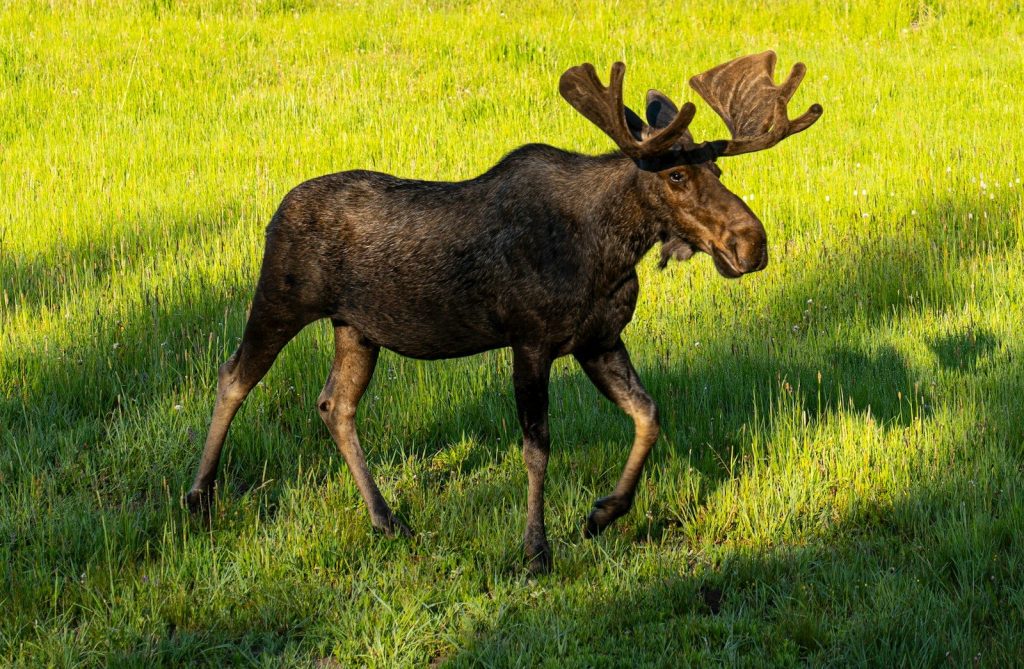
Young moose are especially vulnerable because they have smaller fat reserves and weaker immune responses. Heavy tick loads can severely stunt growth or lead to death in harsh winters.
In some regions, studies suggest tick-related stress is a major driver of calf mortality.
Survival Becomes a Daily Struggle
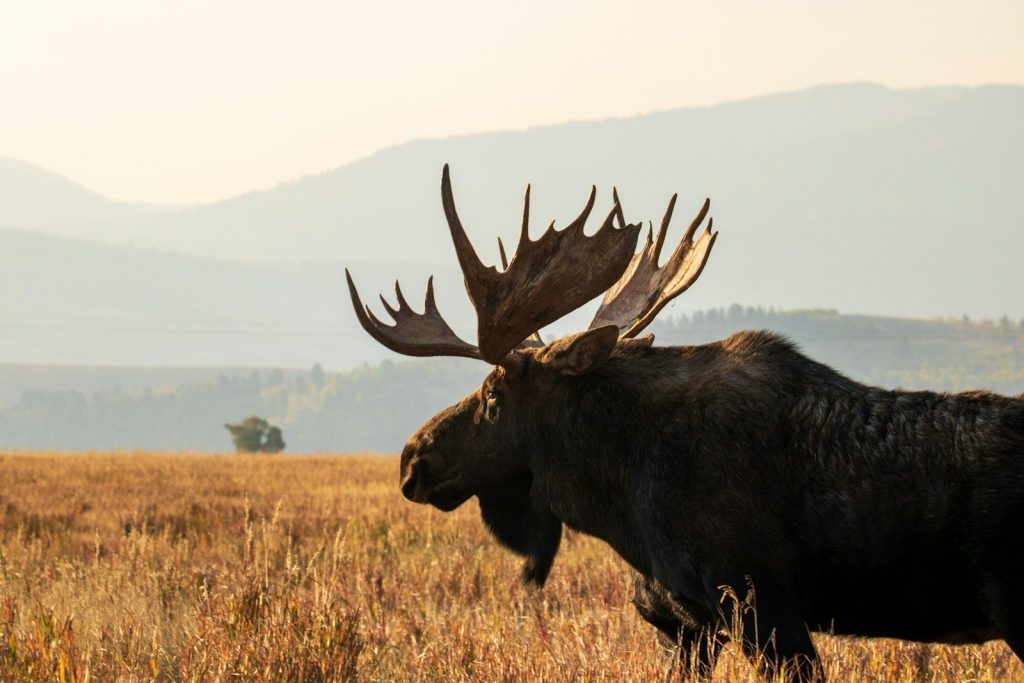
Even adult moose that survive infestations suffer long-term consequences. They may lose significant body weight over winter and struggle to recover during spring.
This constant energy drain reduces reproduction rates and weakens future generations.
A Changing Climate and a Growing Problem
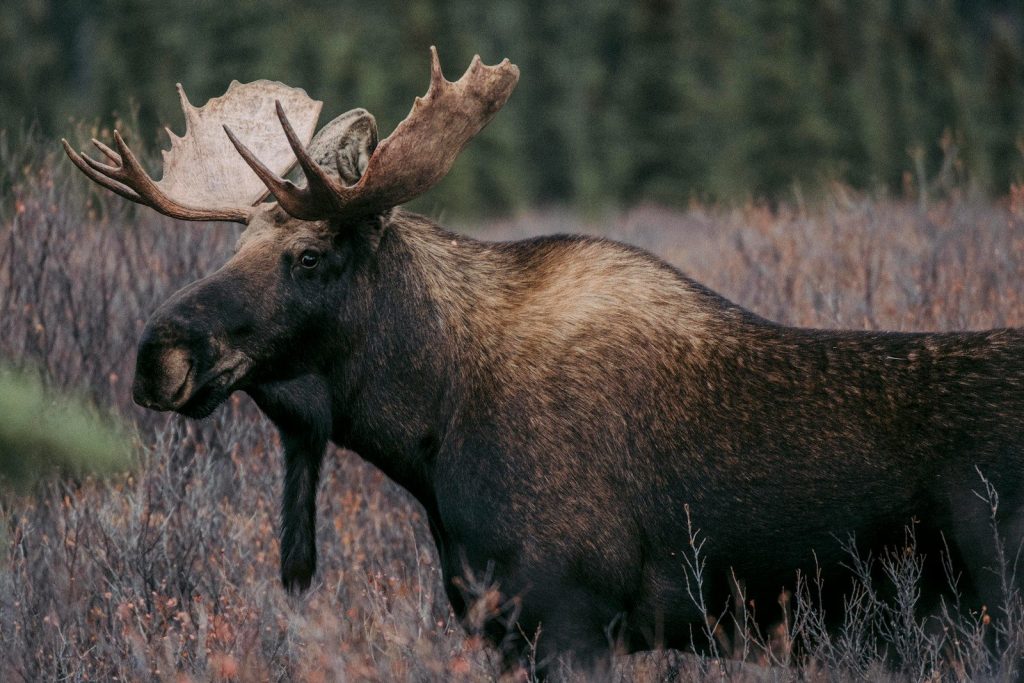
Warmer winters and shifting climate patterns are allowing tick populations to expand and survive longer seasons. This increases exposure time for moose and worsens infestation cycles.
As a result, wildlife experts see these outbreaks as a growing conservation concern across northern forests.
Nature’s Balance Under Pressure
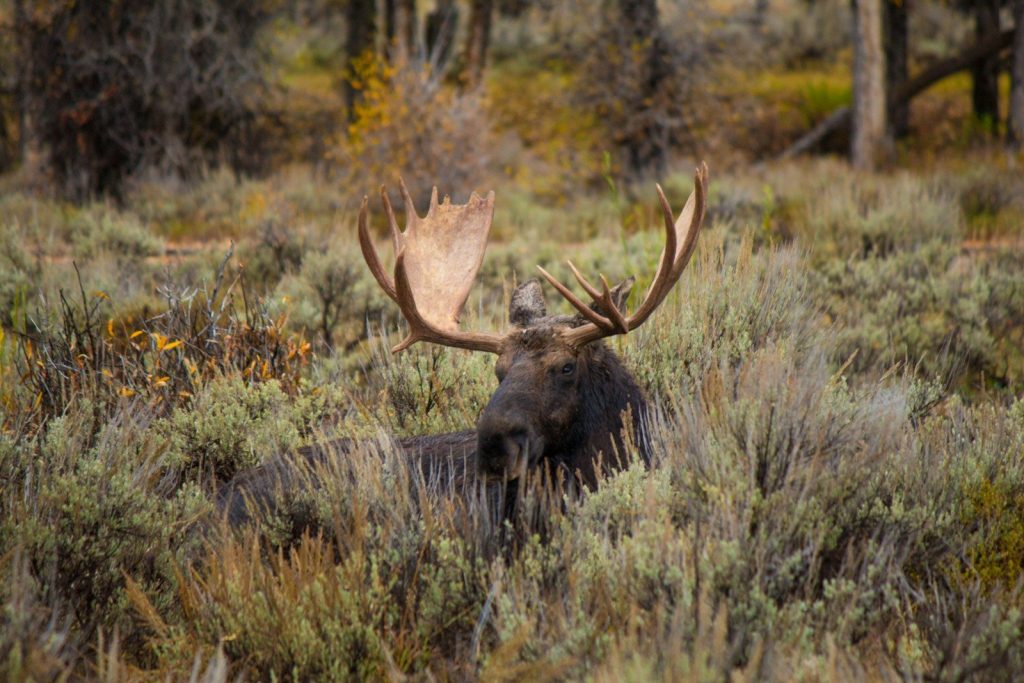
Despite the severity of infestations, moose remain a key part of forest ecosystems. Their struggle with parasites reflects a larger balance between species, climate, and environment.
Understanding this hidden battle helps reveal how even the largest animals in the wild are shaped by forces we rarely see, but deeply affect survival.