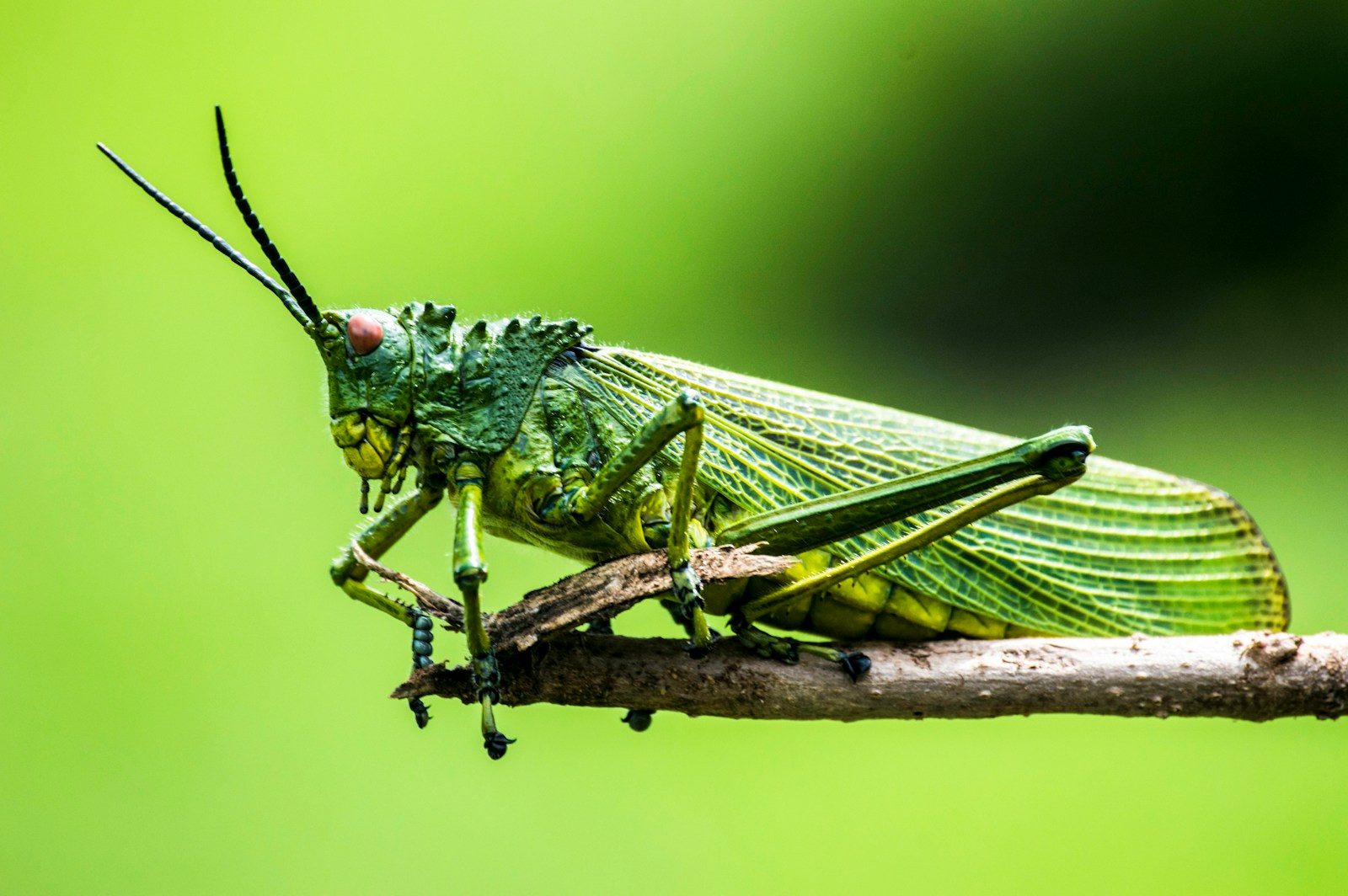
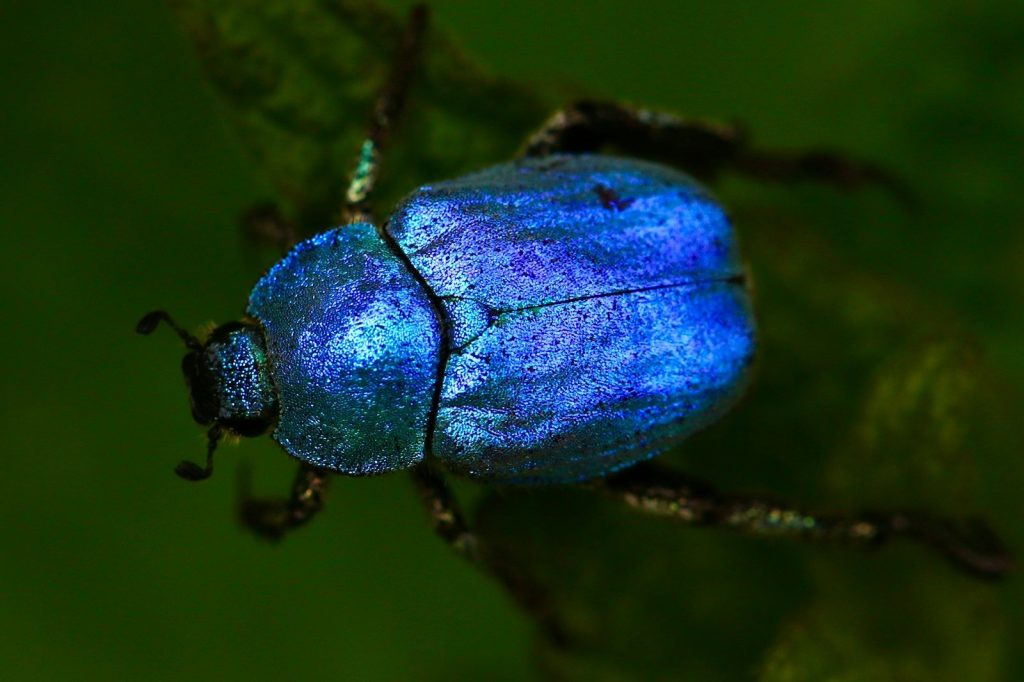
Reports of disappearing butterflies, bees, beetles, and other insects have sparked concerns about a possible “insect apocalypse.” While scientists agree that many insect populations are declining, the reality is more complex than the alarming phrase suggests.
Around the world, researchers have documented significant losses in insect abundance and diversity, particularly in areas heavily affected by agriculture, urbanization, and climate change. Some species are experiencing steep declines, while others are remaining stable or even expanding into new regions.
Why Are Insects Declining?
Scientists believe several factors are contributing to insect declines. Habitat loss is one of the biggest drivers, as forests, grasslands, and wetlands are converted into farmland or urban developments. Climate change is also altering ecosystems, making some regions too warm or too dry for certain species.
Pesticide use, pollution, invasive species, and artificial light at night further add pressure to insect populations, especially pollinators like bees and butterflies.
Why Insects Matter
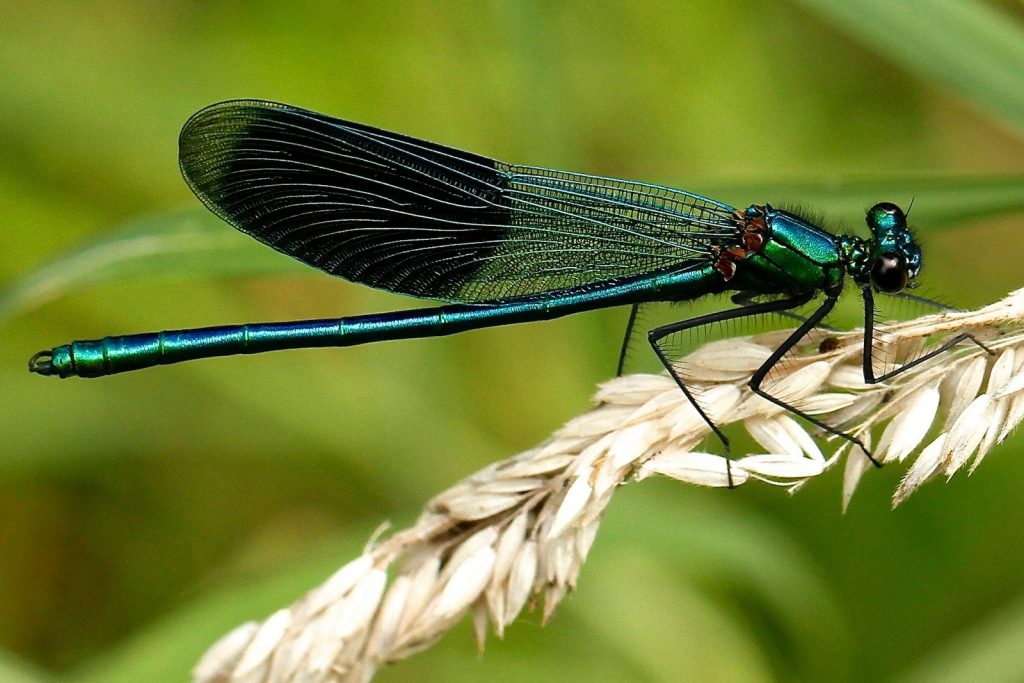
Although they’re often overlooked, insects play essential roles in healthy ecosystems. They pollinate crops and wild plants, recycle nutrients by breaking down organic matter, control agricultural pests, and serve as food for birds, amphibians, reptiles, and mammals.
A significant decline in insects could disrupt food chains, reduce crop yields, and affect biodiversity across entire ecosystems.
Is It Really an “Apocalypse”?
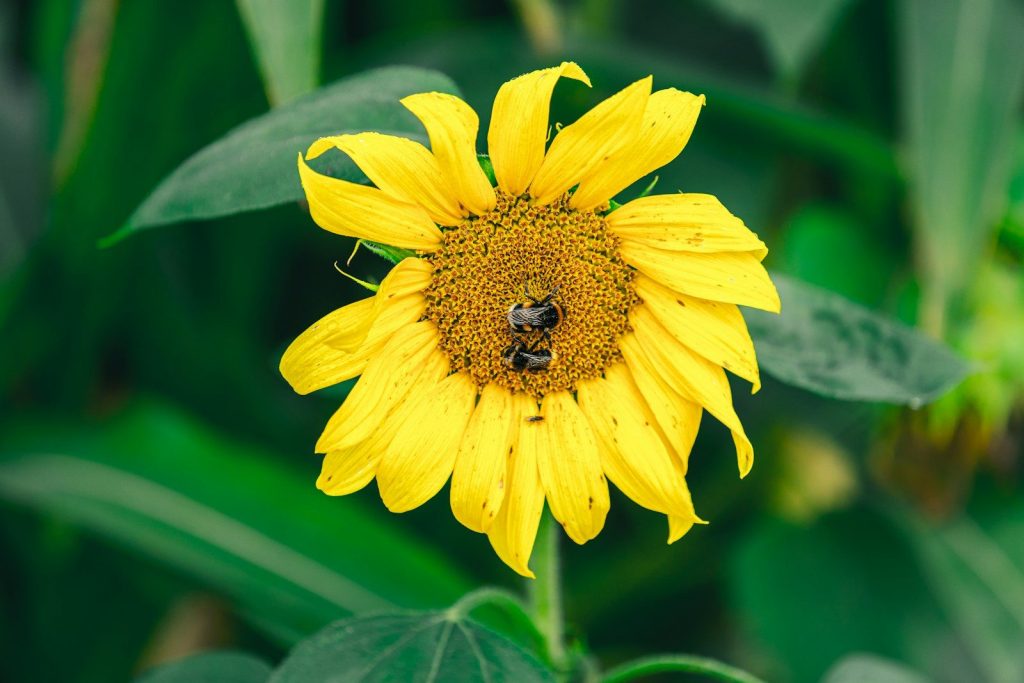
Most scientists avoid using the term “insect apocalypse” because it suggests all insects are disappearing everywhere, which isn’t supported by the evidence. Instead, researchers describe the situation as widespread but uneven insect declines.
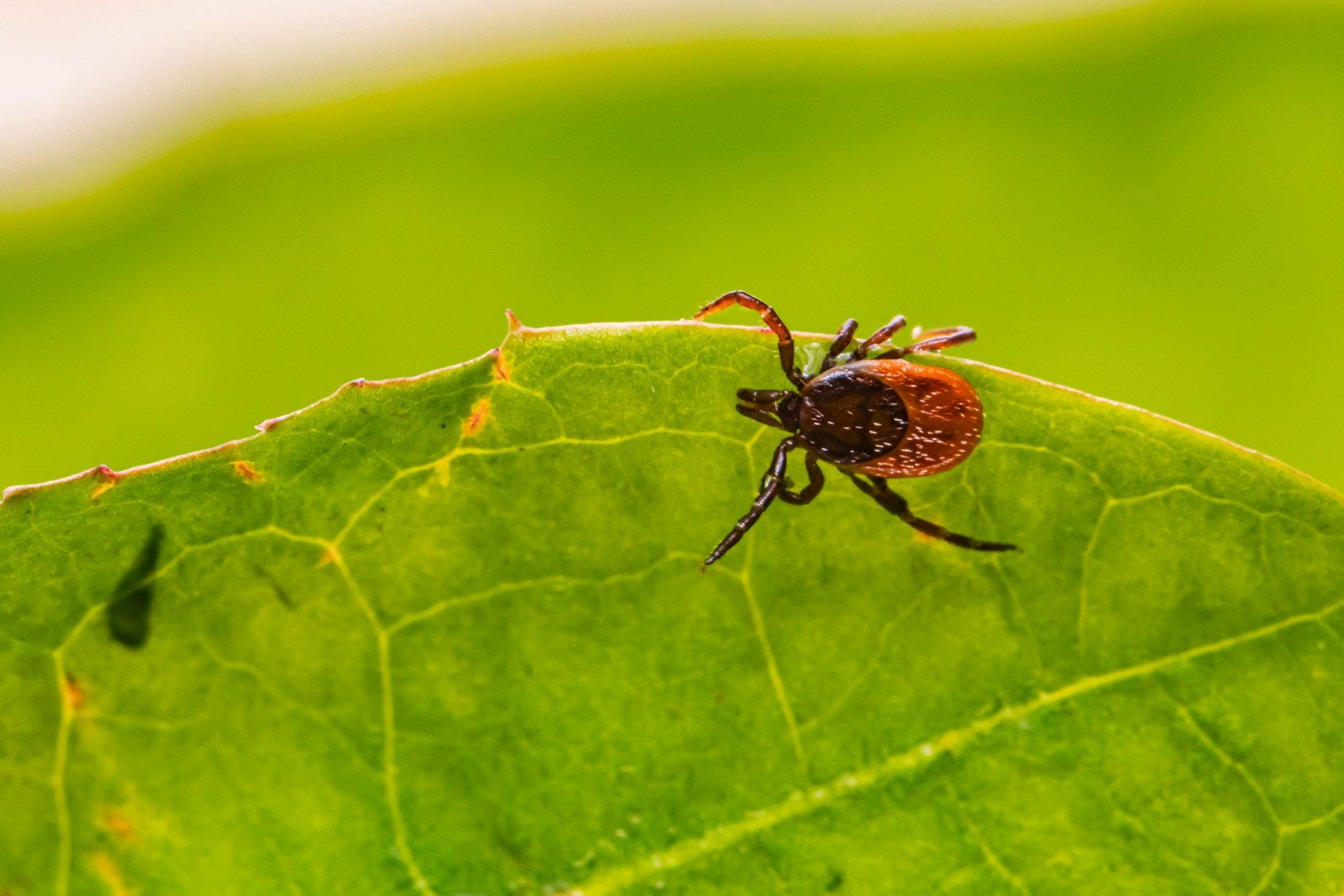
Some species, including certain agricultural pests and disease-carrying insects like mosquitoes and ticks, are actually expanding their ranges as temperatures rise. Others, particularly specialist pollinators and habitat-sensitive species, are declining rapidly.
What Can Be Done?
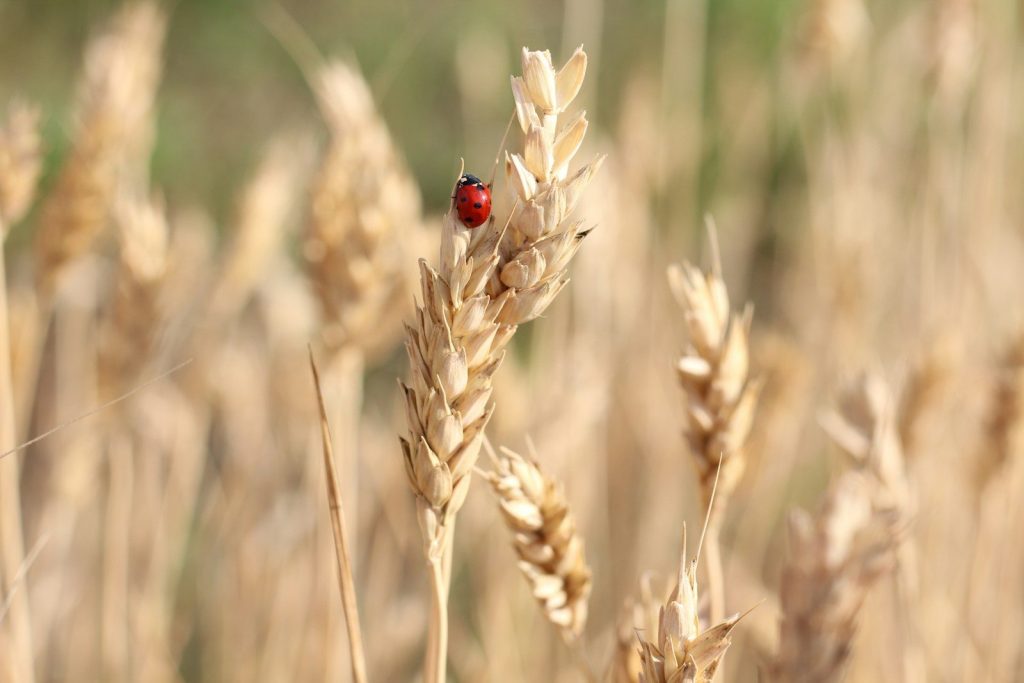
Experts say insect populations can recover if habitats are protected and restored. Planting native flowers, reducing pesticide use, preserving natural areas, and creating pollinator-friendly gardens all help support beneficial insects.
Governments and conservation organizations are also working to restore habitats and improve monitoring programs to better understand long-term insect trends.
The Bottom Line
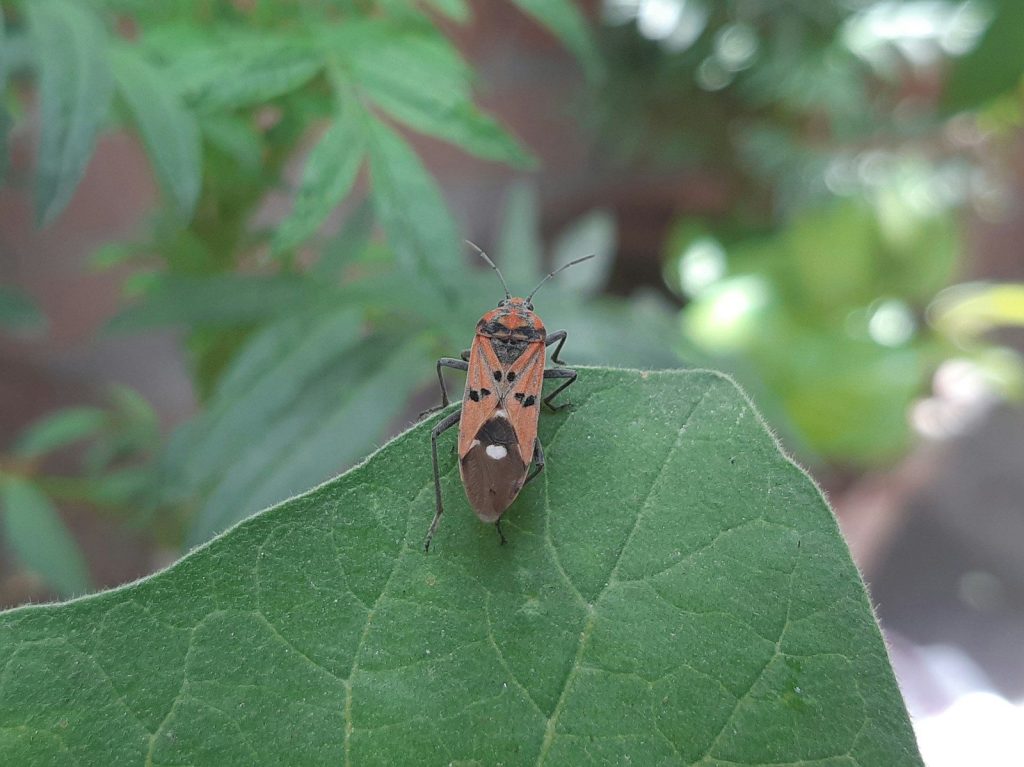
The world is not facing the extinction of all insects, but many important insect species are under increasing pressure. Their decline is a warning sign that ecosystems are changing, often because of human activity. Protecting habitats, reducing pollution, and supporting biodiversity can help reverse these trends and ensure insects continue playing their vital role in nature.