The ocean is one of the most mysterious and powerful environments on Earth. Beneath its calm surface exists a hidden world filled with predators, venomous species, and perfectly evolved hunters that rarely encounter humans, but when they do, the results can be deadly.
From shallow reefs to the deep abyss, marine life has developed extreme survival strategies that make the underwater world both fascinating and dangerous.
A World Built on Survival Pressure
Marine ecosystems are shaped by constant competition for food, space, and survival. This pressure has created creatures with powerful weapons, venom, speed, camouflage, and crushing strength.
Unlike land environments, danger in the ocean often comes without warning, making even simple encounters potentially risky.
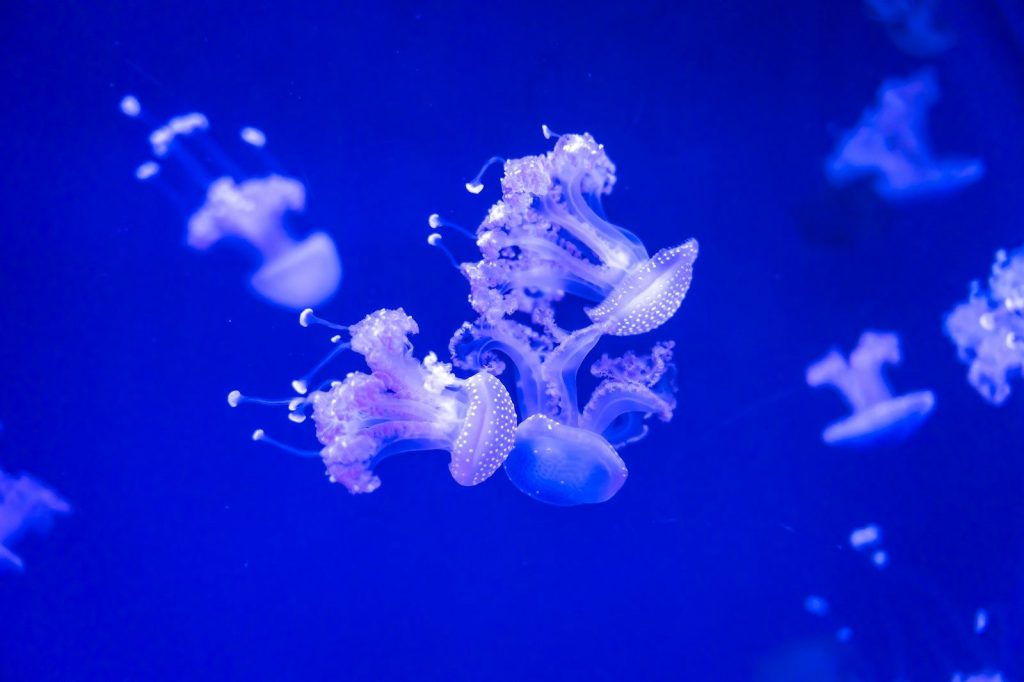
Box Jellyfish: Almost Invisible Killer
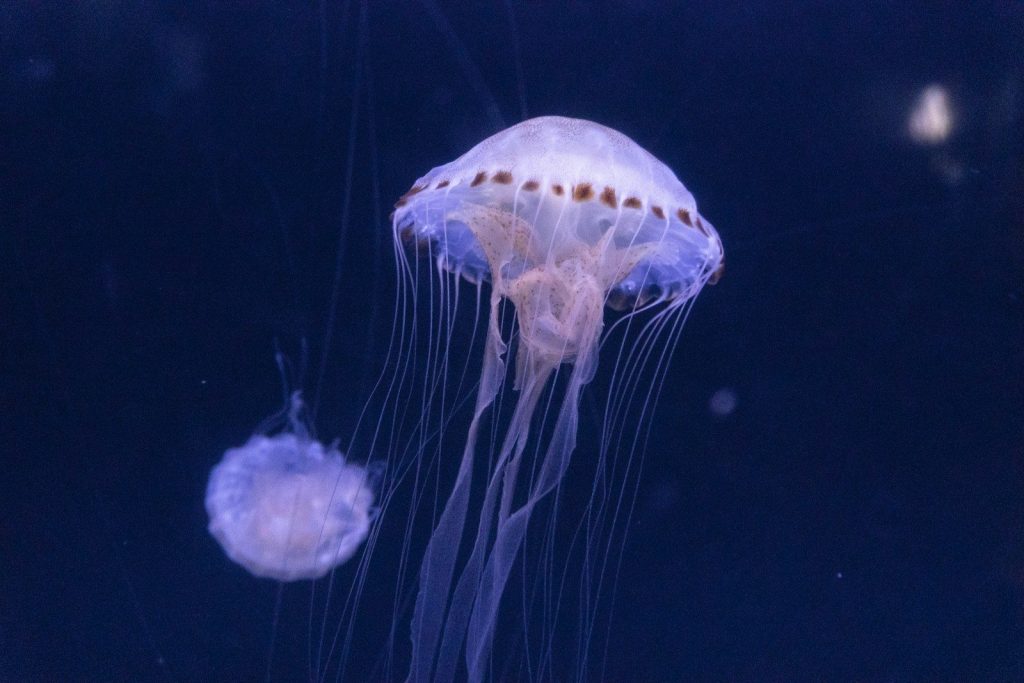
One of the most feared ocean animals is the box jellyfish. Its nearly transparent body makes it difficult to spot while swimming.
Its long tentacles carry powerful venom that can affect the heart, nervous system, and skin cells, sometimes causing fatal reactions within minutes if untreated.
Sharks: Powerful but Misunderstood Predators
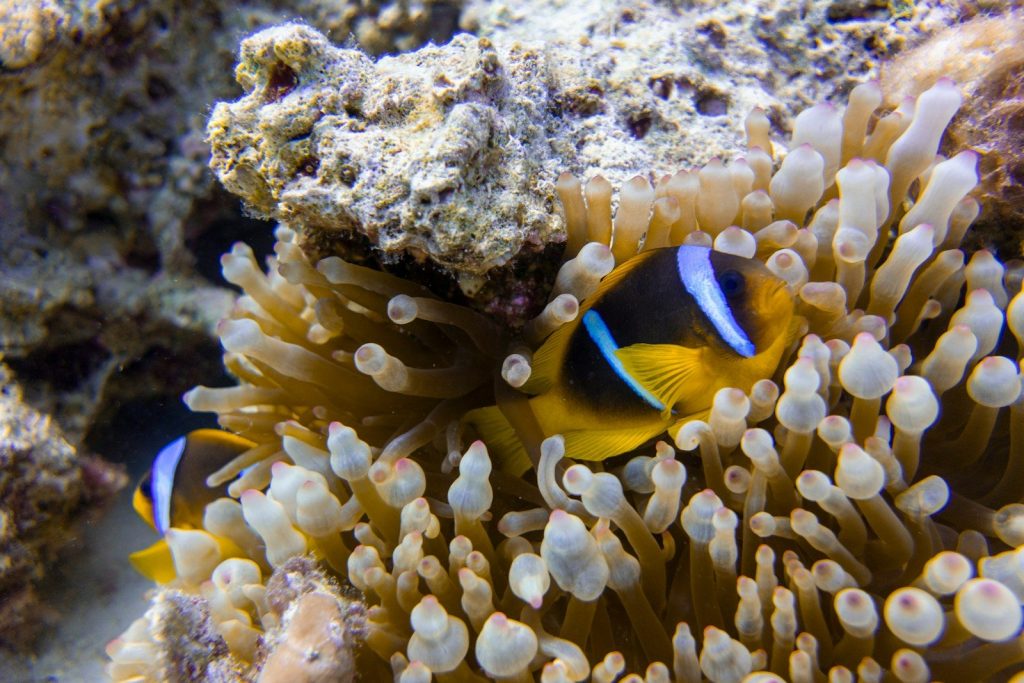
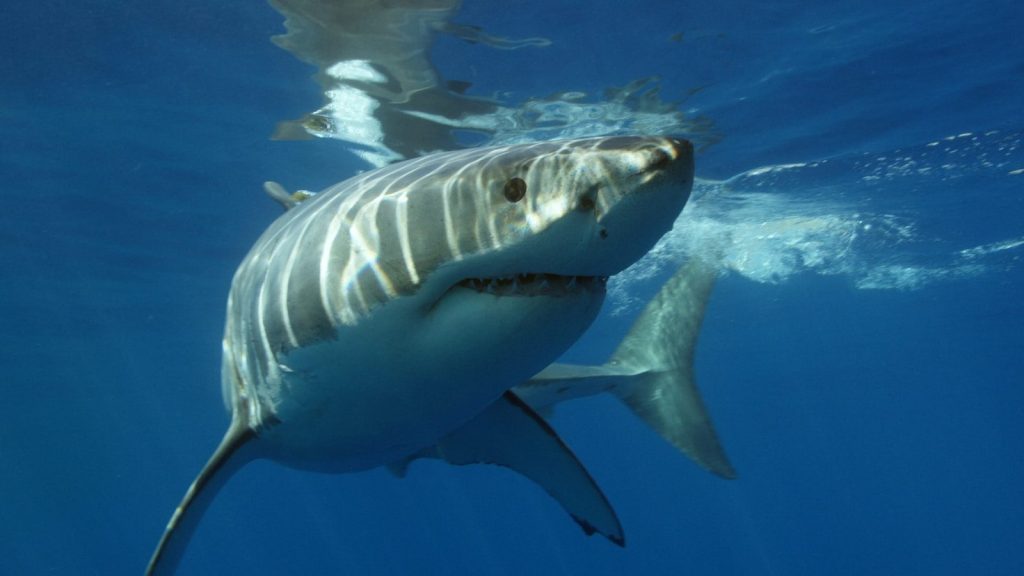
Sharks are among the most well-known ocean predators, but most species do not target humans. However, large sharks like tiger, bull, and great white sharks can deliver serious bites when they feel threatened or curious.
Their strength, speed, and hunting instincts make them apex predators in many marine environments.
Stonefish: The Invisible Threat on the Seafloor
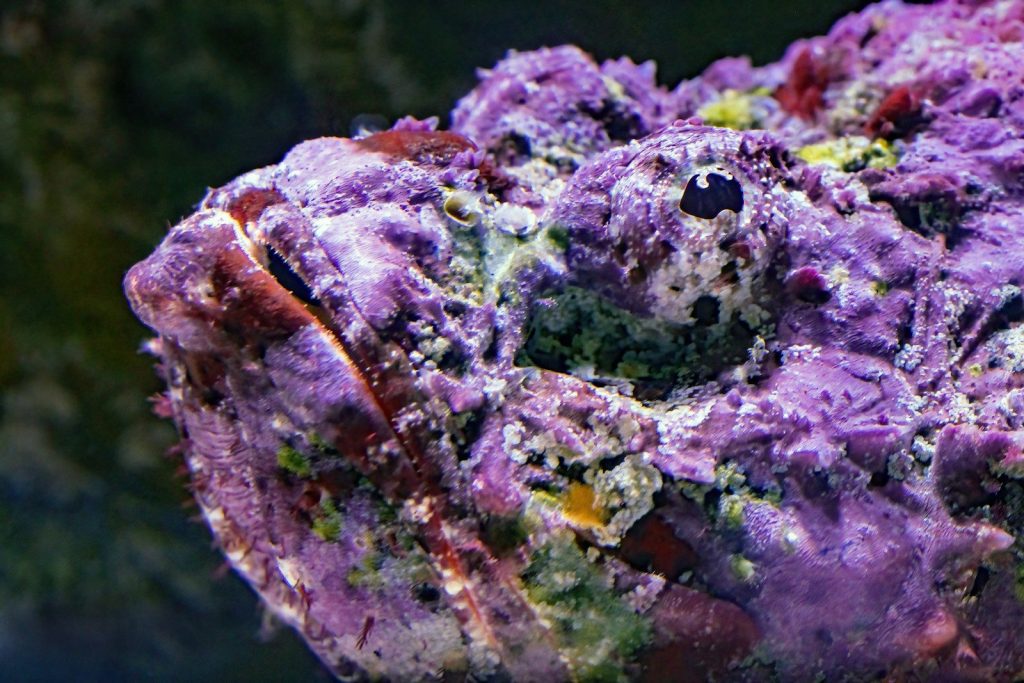
Stonefish are masters of camouflage, blending perfectly with rocks and coral on the ocean floor. This makes them extremely easy to step on by accident.
Their dorsal spines inject venom that can cause extreme pain, tissue damage, and serious medical complications if not treated quickly.
Blue-Ringed Octopus: Tiny but Extremely Dangerous
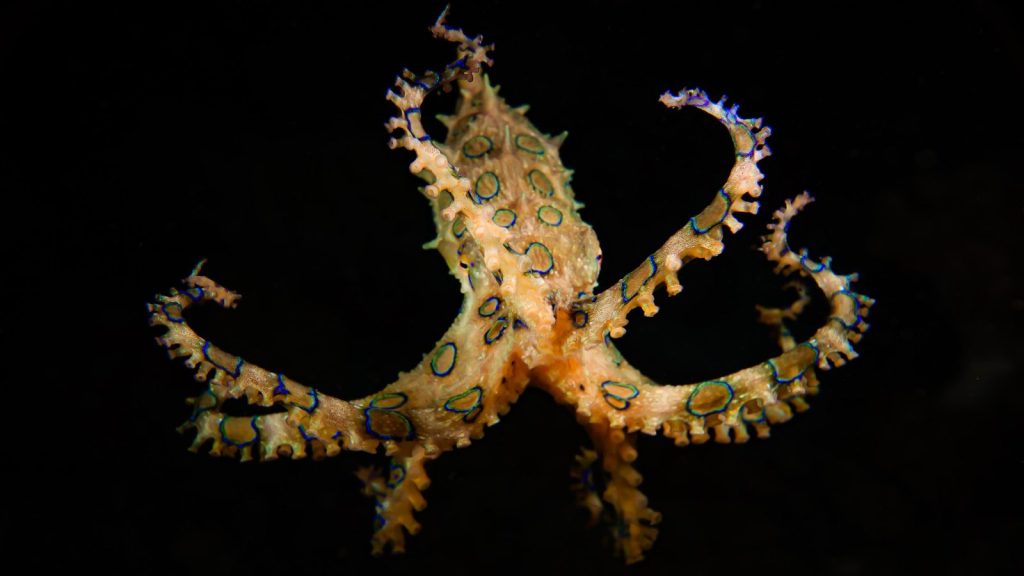
Despite being small enough to fit in your palm, the blue-ringed octopus carries one of the most powerful neurotoxins in the ocean.
A bite can lead to paralysis and respiratory failure, often without immediate warning signs, making it especially dangerous in shallow coastal waters.
Deep-Sea Creatures of the Twilight Zone
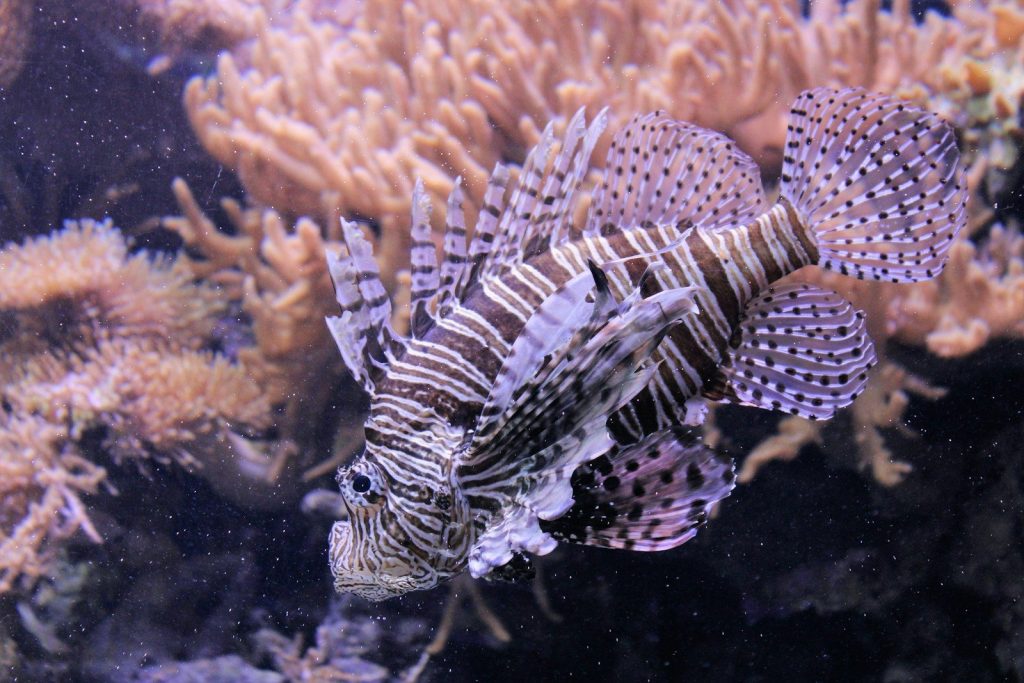
In the deepest parts of the ocean, creatures like viperfish, gulper eels, and anglerfish survive in near-total darkness. Many use bioluminescence to attract prey.
These animals rarely encounter humans, but their strange adaptations show how extreme life becomes in high-pressure, low-light environments.
Why These Creatures Matter to the Ocean Ecosystem
Even the most dangerous marine animals play essential roles in balancing ocean ecosystems. They control populations, maintain food chains, and support biodiversity.
Understanding them is not about fear, it is about respecting how life adapts in one of the harshest environments on Earth.