Humans are not the only species known to experience intoxication. Around the world, scientists have observed several wild animals consuming naturally fermented fruit, nectar, or plants that contain psychoactive compounds, sometimes leading to unusual behavior.
While these encounters are fascinating, they are often rare and not fully understood. In many cases, researchers believe animals accidentally consume these substances while searching for food rather than intentionally seeking intoxication.
Elephants Occasionally Eat Fermented Fruit
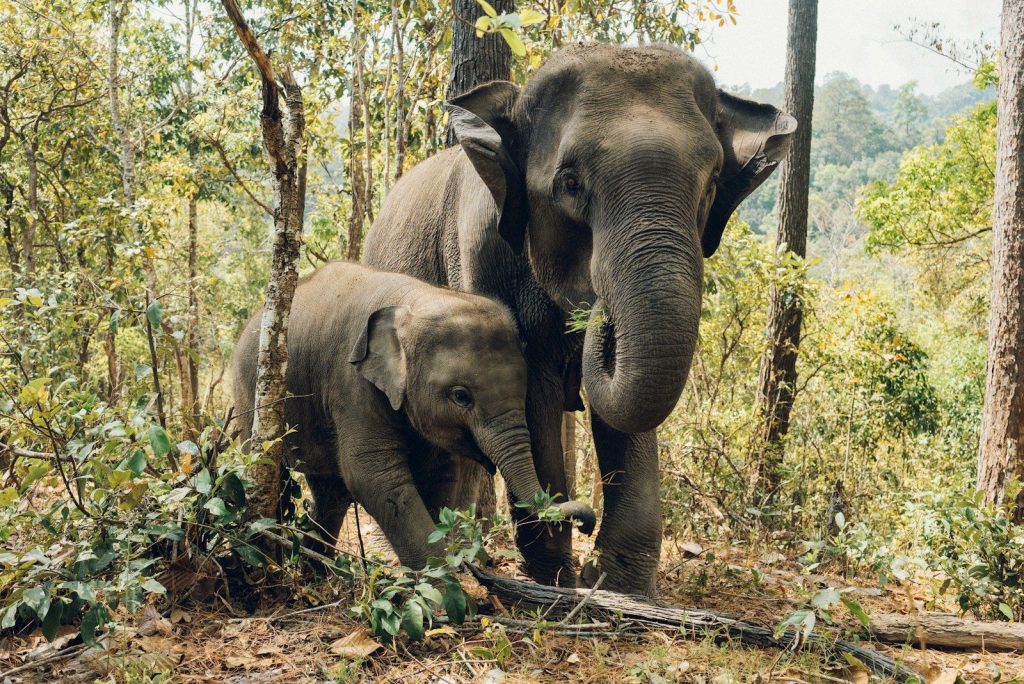
Stories of elephants becoming intoxicated after eating fermented marula fruit have circulated for decades. Although the tale remains popular, scientists debate whether elephants actually consume enough naturally fermented fruit to become drunk.
Even so, elephants have been observed eating fallen fruit that has begun to ferment. Researchers continue to study how fermentation affects wildlife feeding behavior.
Cedar Waxwings Can Become Disoriented
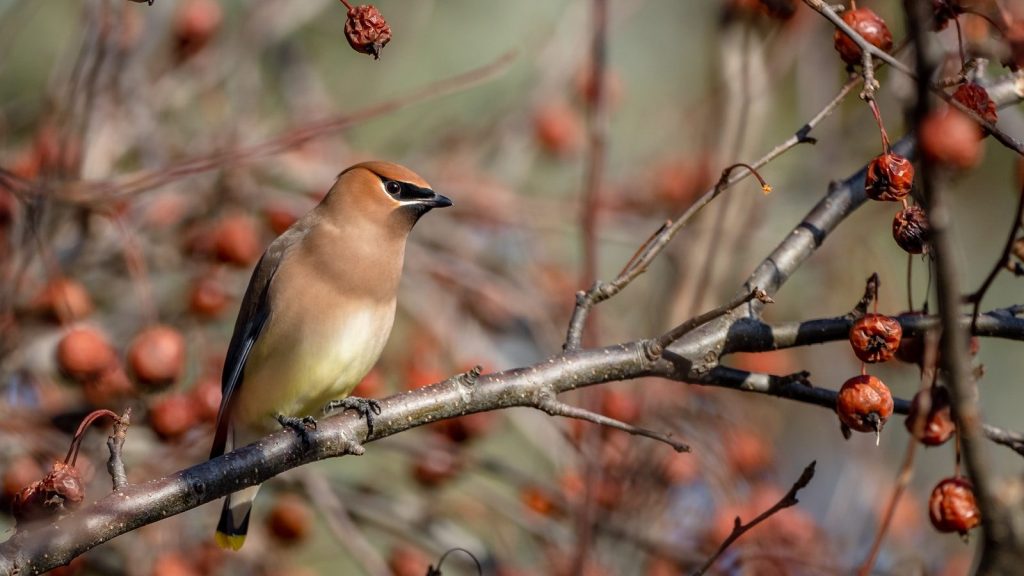
Cedar waxwings are well known for feeding on berries throughout the year. During colder months, they may occasionally consume overripe berries that have naturally fermented, leading to temporary disorientation.
Bird rehabilitation centers sometimes treat waxwings that appear unable to fly properly after eating fermented fruit. Fortunately, most recover once the alcohol leaves their system.
Monkeys Have Been Observed Drinking Fermented Nectar
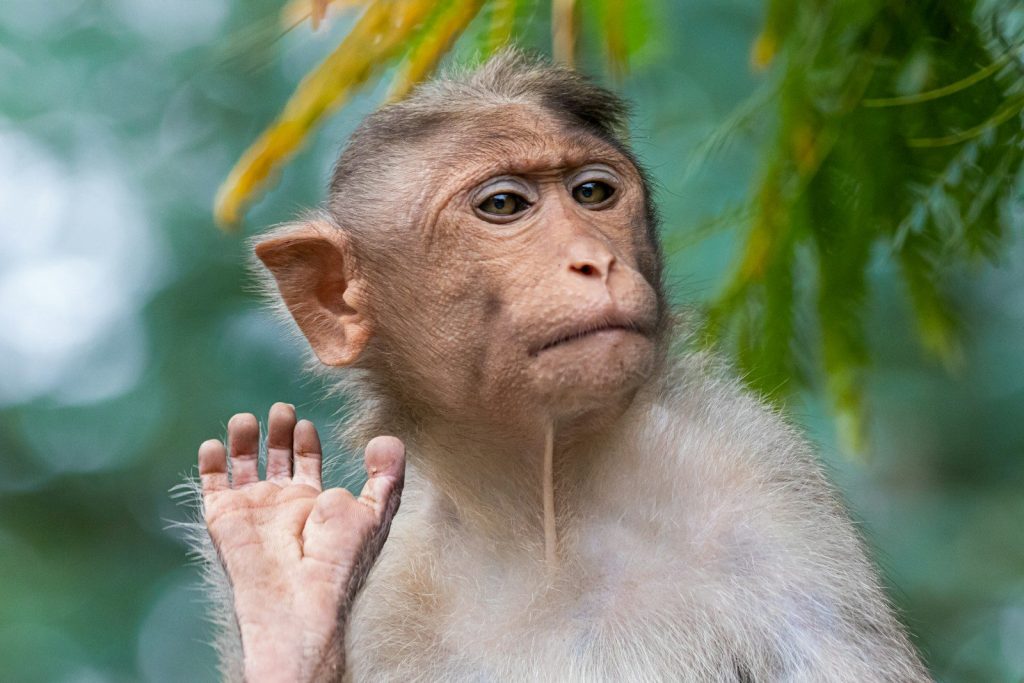
Some species of monkeys have been seen consuming fermented nectar or fruit containing small amounts of alcohol. Researchers believe these natural sugars may provide an energy rich food source rather than serving as an intoxicant.
Their tolerance varies depending on the species and the amount consumed. Scientists continue to investigate how primates process naturally occurring alcohol.
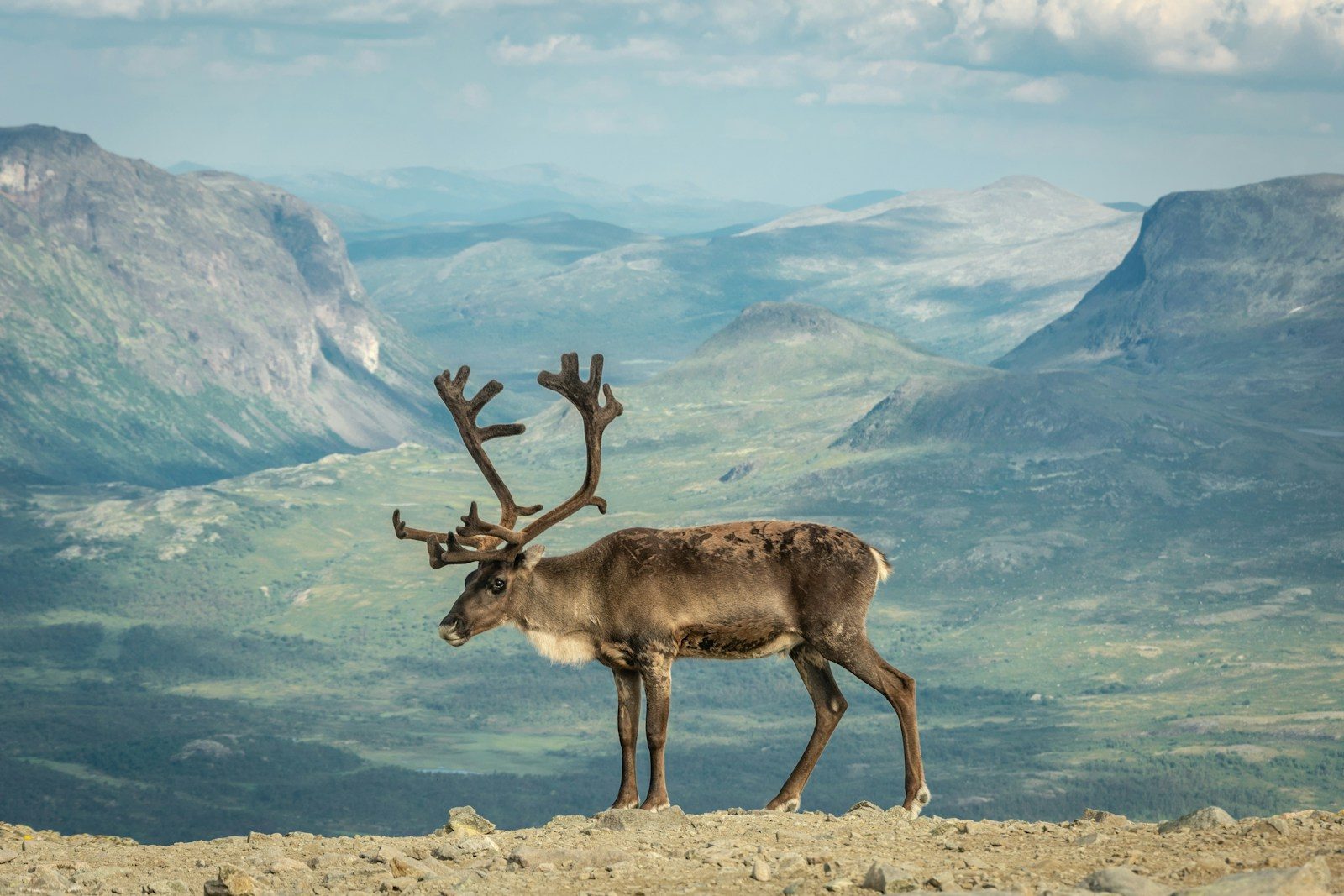
Reindeer Can React to Hallucinogenic Mushrooms
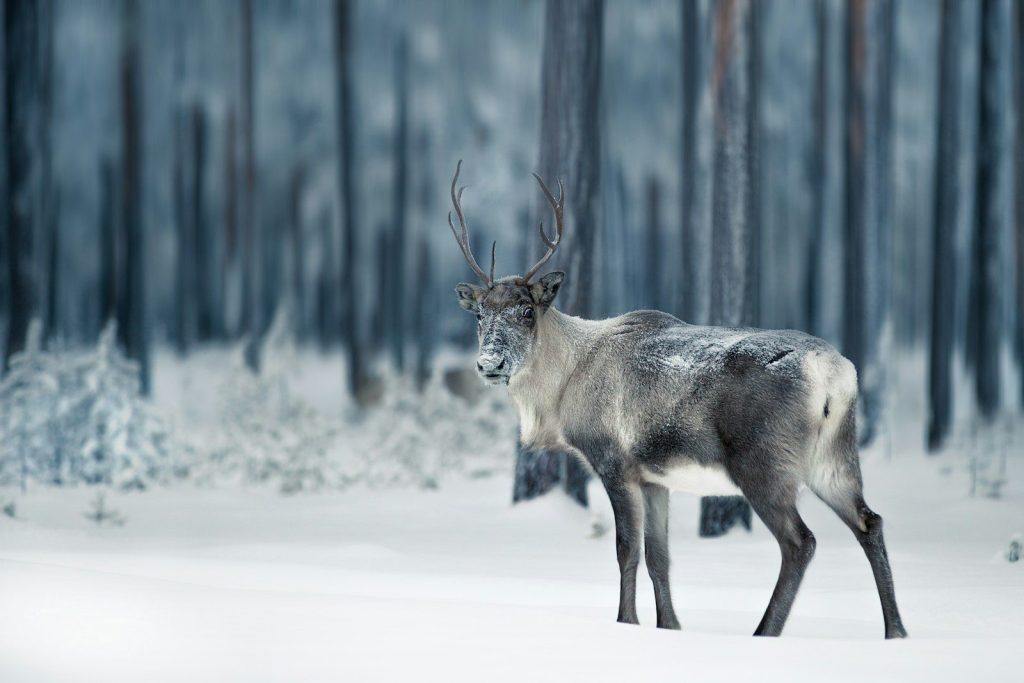
Reindeer are known to eat a variety of plants and fungi while foraging across northern landscapes. Among them are certain mushrooms that contain psychoactive compounds capable of altering behavior.
After consuming these fungi, reindeer may display unusual movements or changes in coordination. These observations have contributed to centuries of folklore in Arctic regions.
Wallabies Have Been Found Eating Opium Poppies
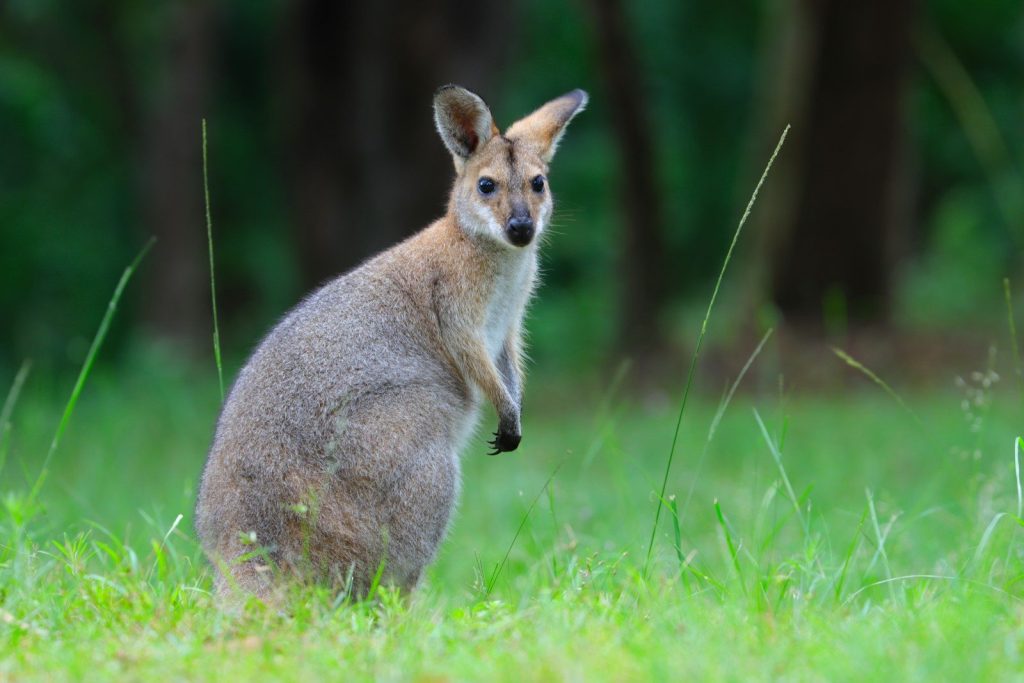
In parts of Australia, wild wallabies have occasionally been reported entering poppy fields to feed on cultivated plants. Farmers have observed unusual behavior in some animals after these encounters, although such incidents are relatively uncommon.
These cases highlight how wildlife sometimes interacts unexpectedly with human agriculture. Researchers continue to examine the effects of these encounters on animal behavior.
Bees Can Be Affected by Fermented Nectar
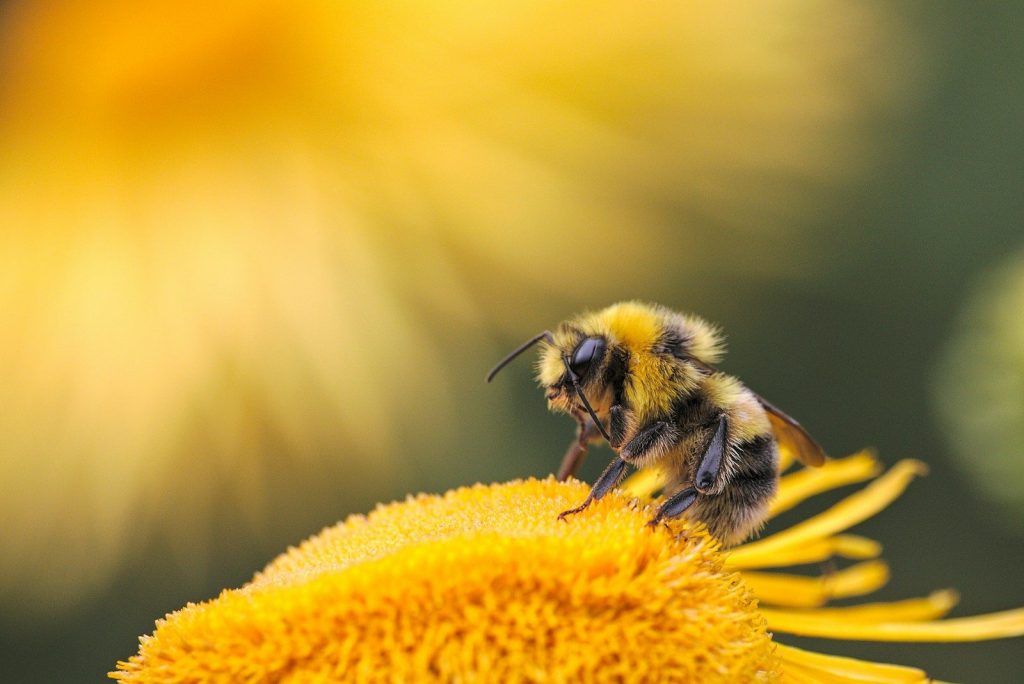
Bees normally collect fresh nectar, but they may occasionally encounter nectar that has started to ferment. Consuming fermented nectar can interfere with their navigation and make returning to the hive more difficult.
Scientists have studied how even small amounts of naturally occurring alcohol influence insect behavior. These findings help improve our understanding of pollinator ecology.