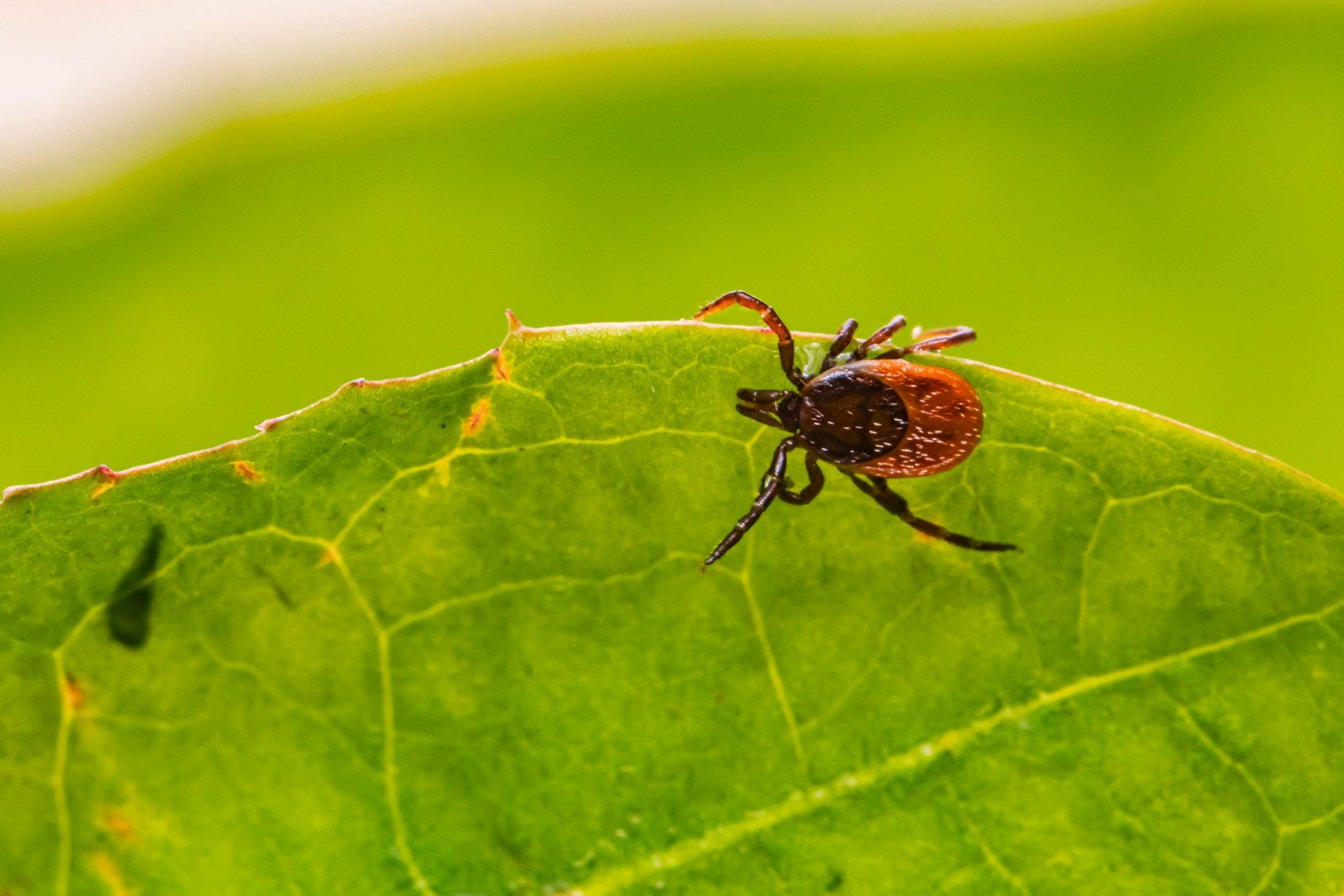
Ticks are becoming a bigger problem across much of the United States, and experts say climate change is playing a role. Warmer winters and rising temperatures have allowed ticks to survive longer, reproduce more successfully, and expand into new areas, increasing the risk of tick bites and tick-borne illnesses.
Recent data from the U.S. Centers for Disease Control and Prevention (CDC) also shows a rise in emergency department visits for tick bites in the Southeast, highlighting the importance of taking preventive measures this summer.
Why Tick Activity Is Increasing
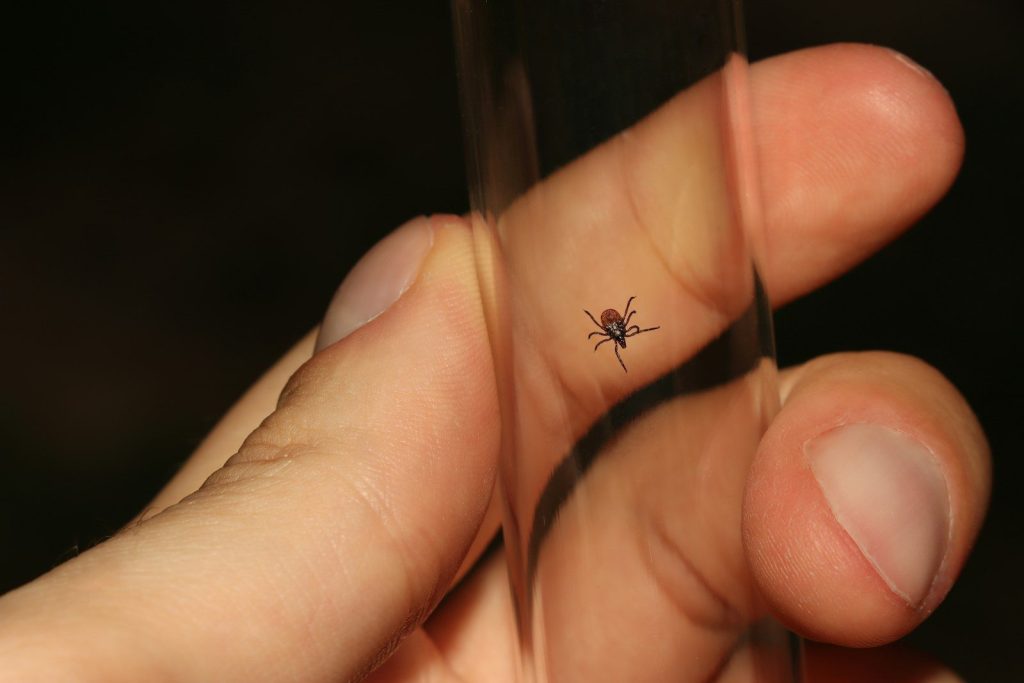
According to experts, unusually mild winter weather created ideal conditions for ticks to survive through the colder months. Instead of dying off during extended freezes, many remained active and continued reproducing. As temperatures continue to rise, tick seasons are becoming longer, allowing these pests to remain active well into the summer.
Common Tick-Borne Diseases
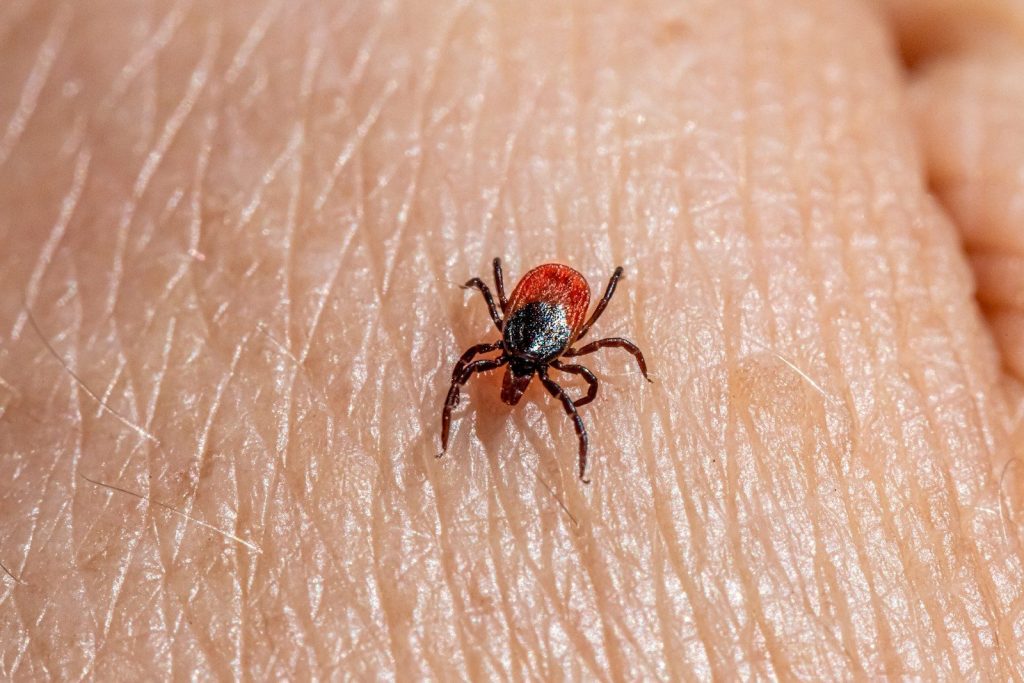
North Carolina is home to several tick species, including lone star ticks, blacklegged ticks, American dog ticks, Gulf Coast ticks, and Asian longhorned ticks. These species can transmit diseases such as Lyme disease, Rocky Mountain spotted fever, ehrlichiosis, anaplasmosis, and alpha-gal syndrome, a condition that can trigger an allergy to red meat.
Many tick-borne illnesses begin with symptoms like fever, chills, headaches, fatigue, muscle aches, joint pain, or a rash. Early diagnosis is important, so anyone experiencing symptoms after a tick bite should seek medical attention.
How to Keep Ticks Out of Your Yard
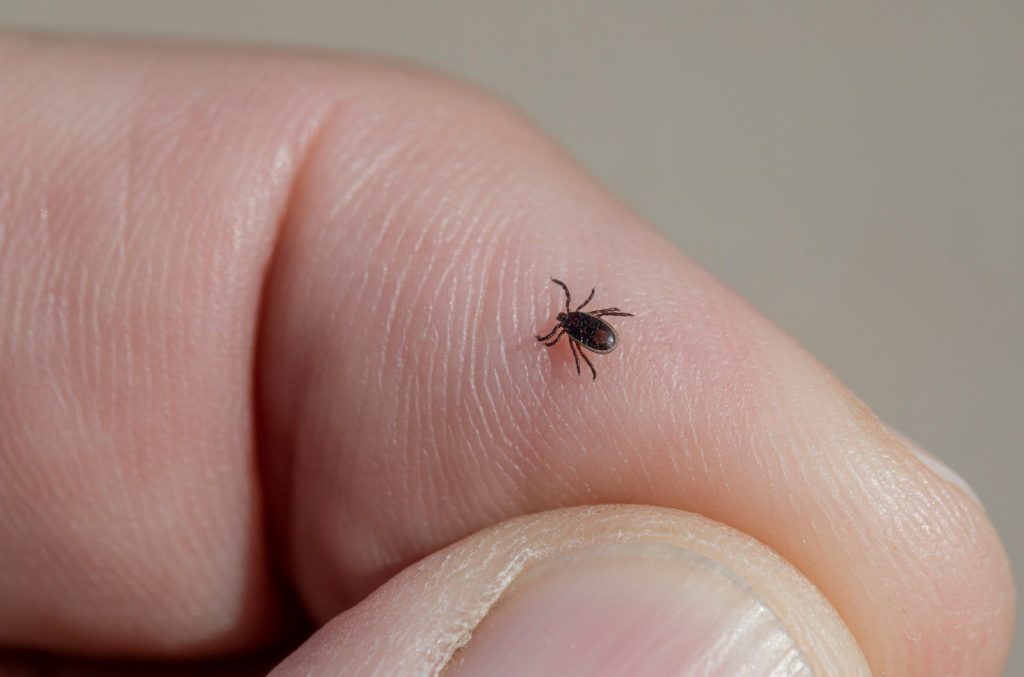
A well-maintained yard can help reduce tick populations. Experts recommend mowing the lawn regularly, trimming overgrown shrubs, and removing leaf piles and other damp areas where ticks thrive. Replacing mulch with gravel or stone barriers can also make outdoor spaces less inviting to ticks.
Some homeowners also use cedar oil sprays around shaded areas and fence lines, as ticks tend to avoid the scent. Adding fencing can discourage deer and other wildlife that commonly carry ticks onto residential properties.
Protect Yourself Outdoors
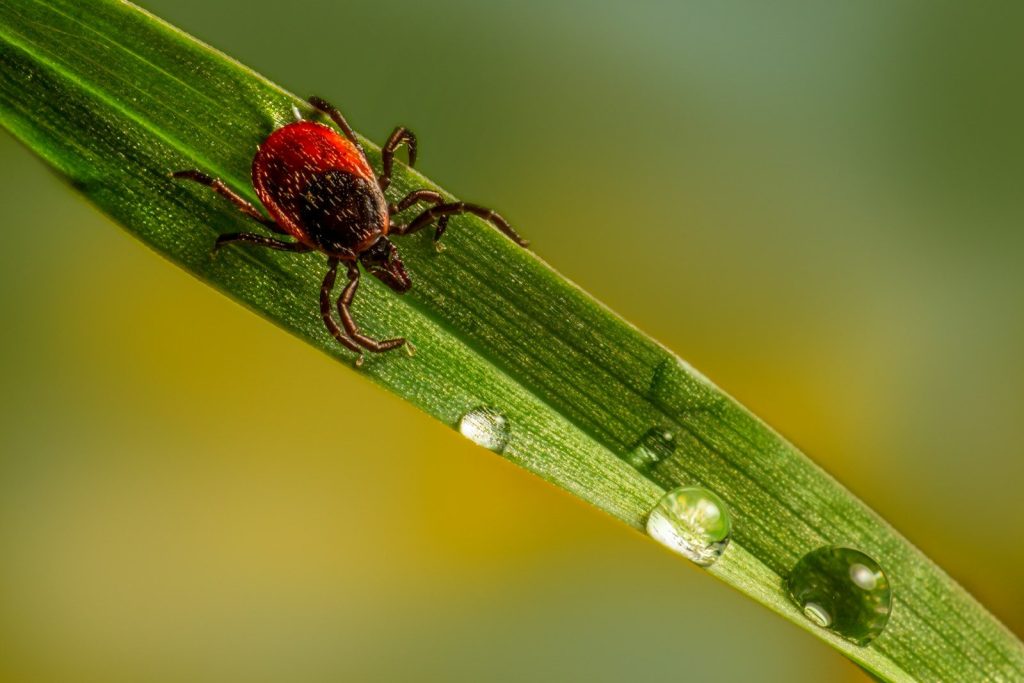
When spending time in wooded or grassy areas, wear long sleeves, long pants, and light-colored clothing to make ticks easier to spot. Staying on clear trails and using an EPA-approved insect repellent can also lower your risk.
After spending time outdoors, carefully inspect your clothing and body for ticks. Since many diseases require ticks to remain attached for several hours before transmission occurs, removing them quickly greatly reduces the risk of infection.
What to Do After a Tick Bite
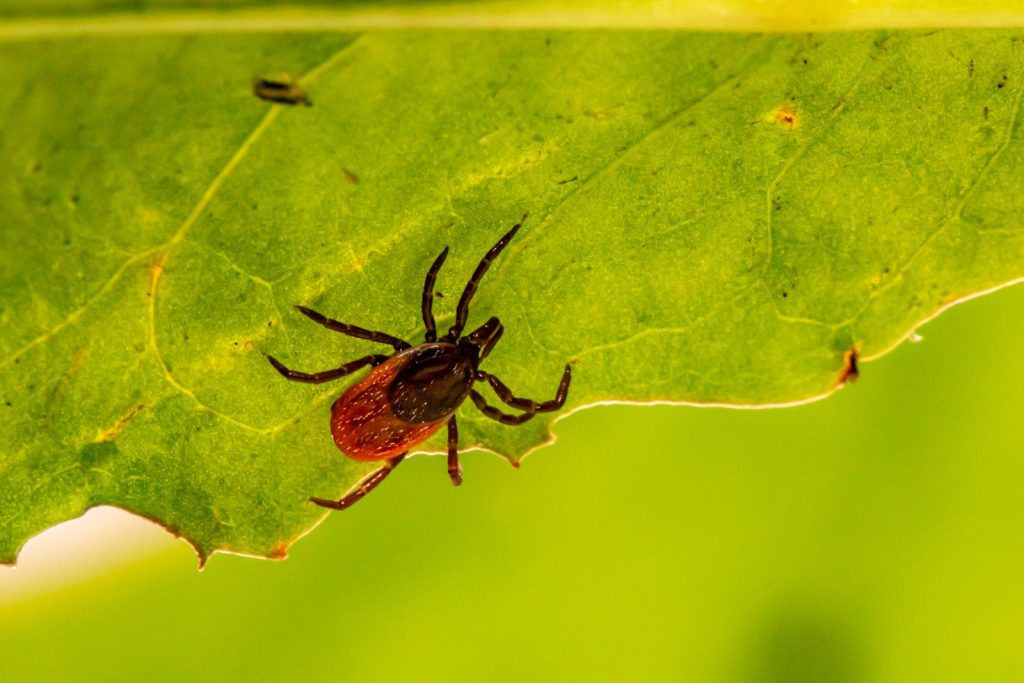
If you find an attached tick, remove it promptly with fine-tipped tweezers by pulling straight upward without twisting. Clean the bite area with soap and water, disinfect it with alcohol, and monitor yourself for any symptoms over the following days or weeks.
As climate change continues to extend tick season, staying vigilant and practicing simple prevention measures can help keep you, your family, and your pets safe throughout the summer.