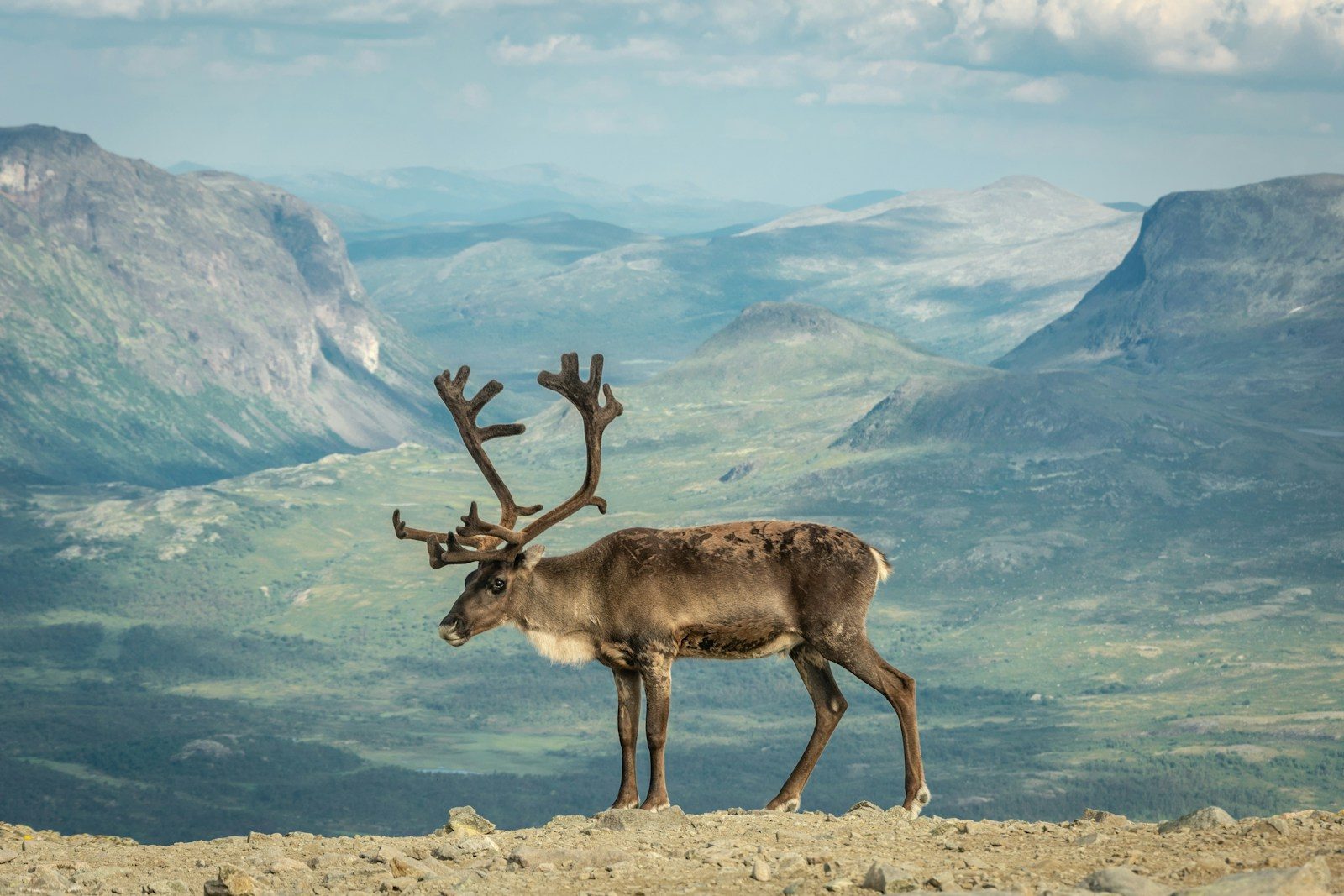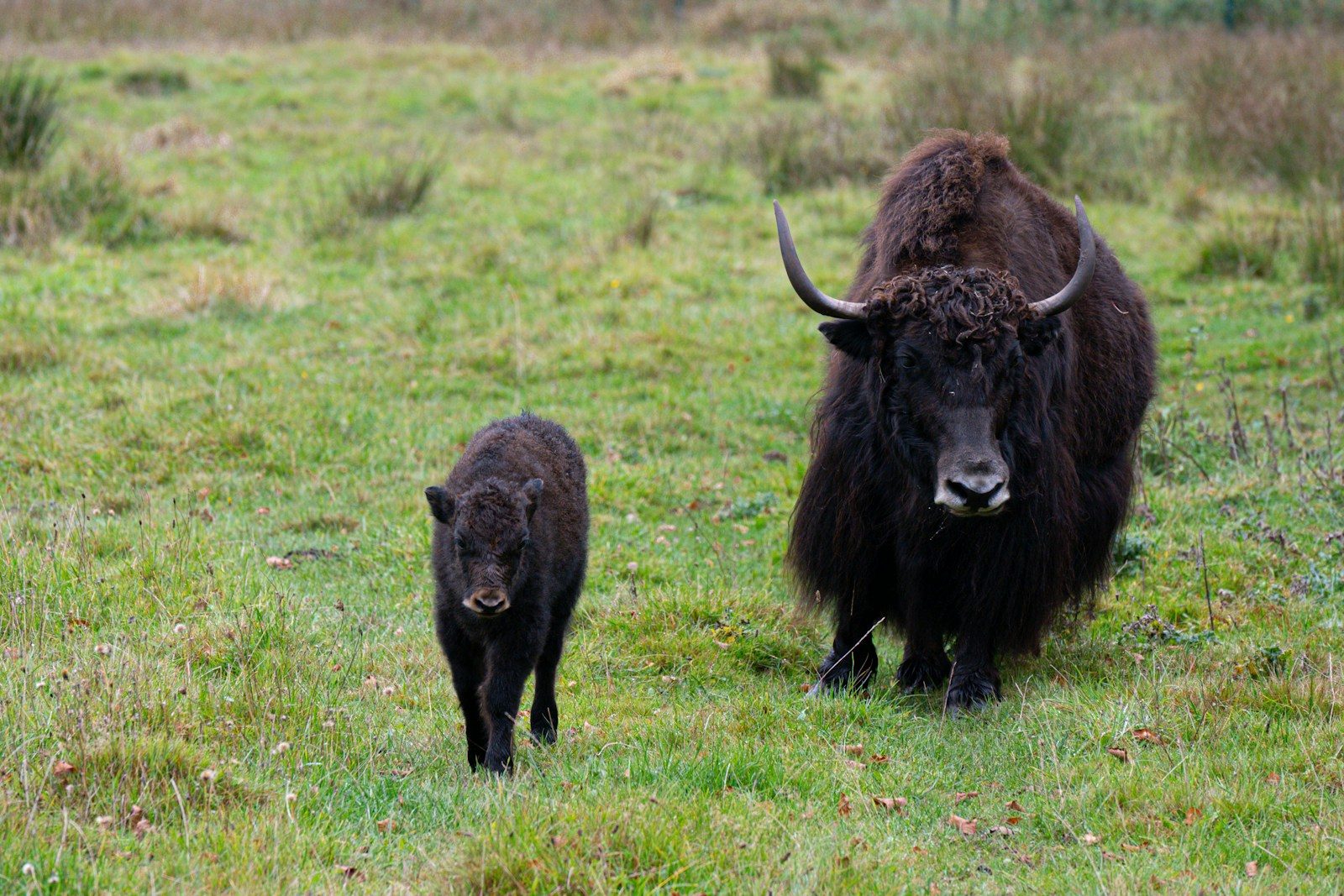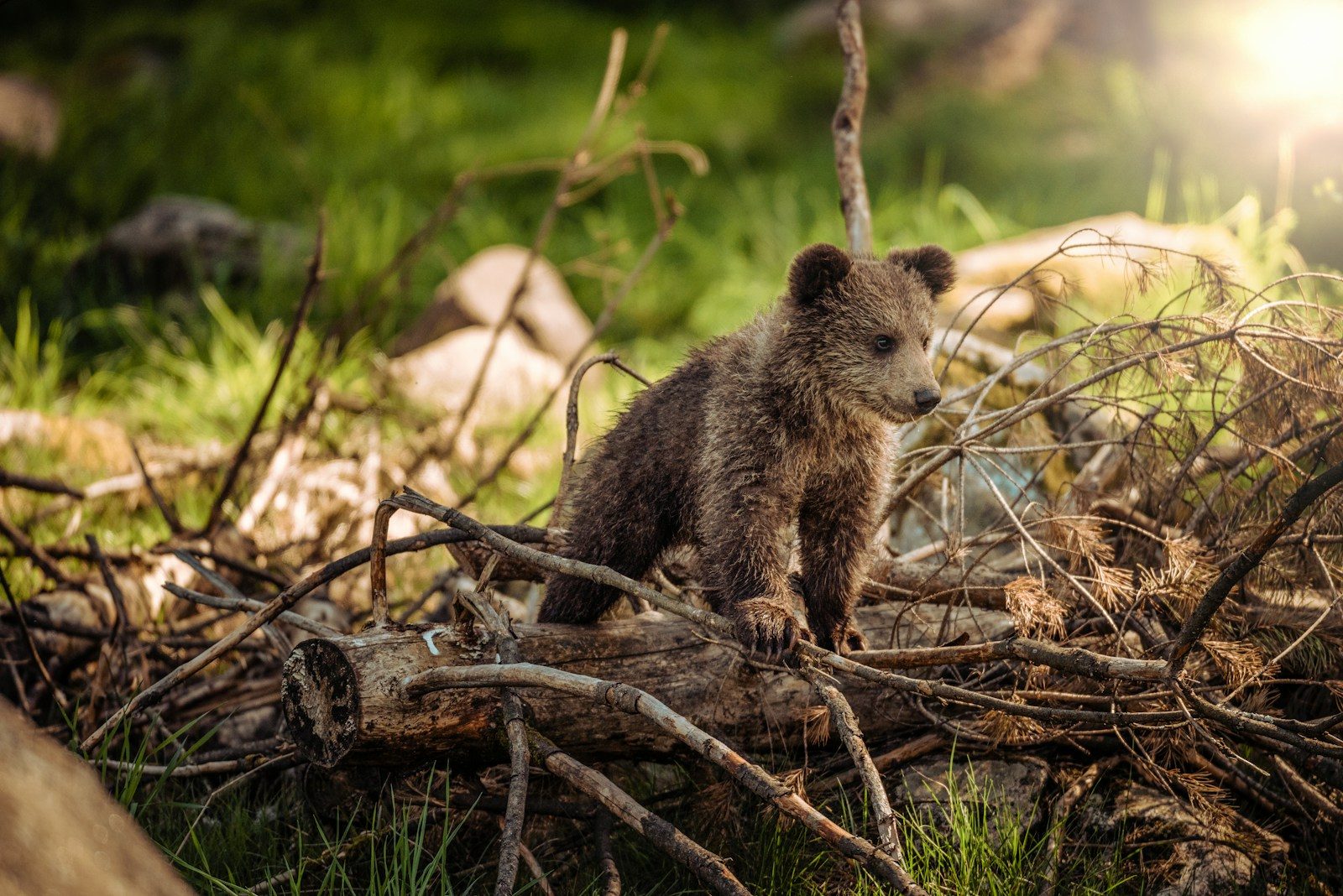
Finding a baby animal alone can tug at your heartstrings, making it tempting to step in and “rescue” it. However, wildlife experts say that many young animals are not abandoned at all, and removing them from their natural environment can do far more harm than good.
In many cases, the parents are nearby gathering food or waiting until it is safe to return. Understanding when to leave wildlife alone and when professional help is truly needed can give young animals the best chance of survival.
Most Baby Animals Are Not Orphaned
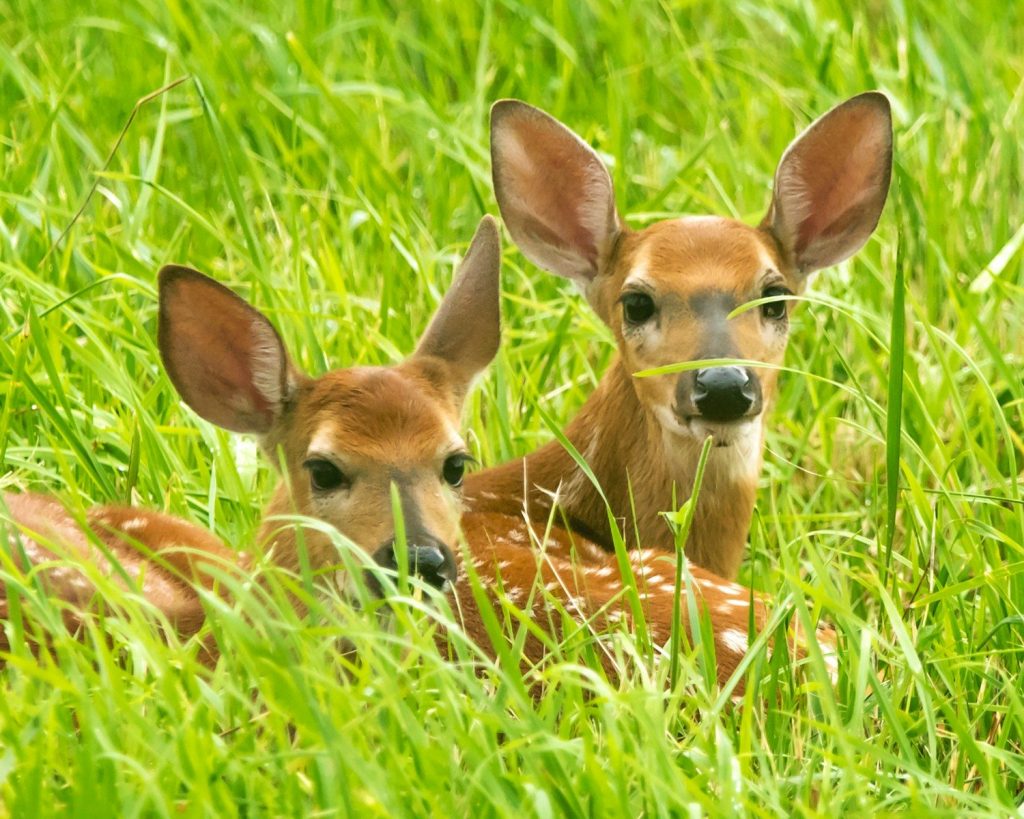
Many birds, rabbits, deer, and other wild animals spend periods of time alone while their parents search for food. This temporary separation is a normal part of their development and does not necessarily mean they have been abandoned.
Removing a healthy young animal from its habitat can unintentionally separate it from the very parent that is still caring for it. Wildlife professionals recommend observing from a distance before assuming intervention is necessary.
Human Care Cannot Replace Wild Parents
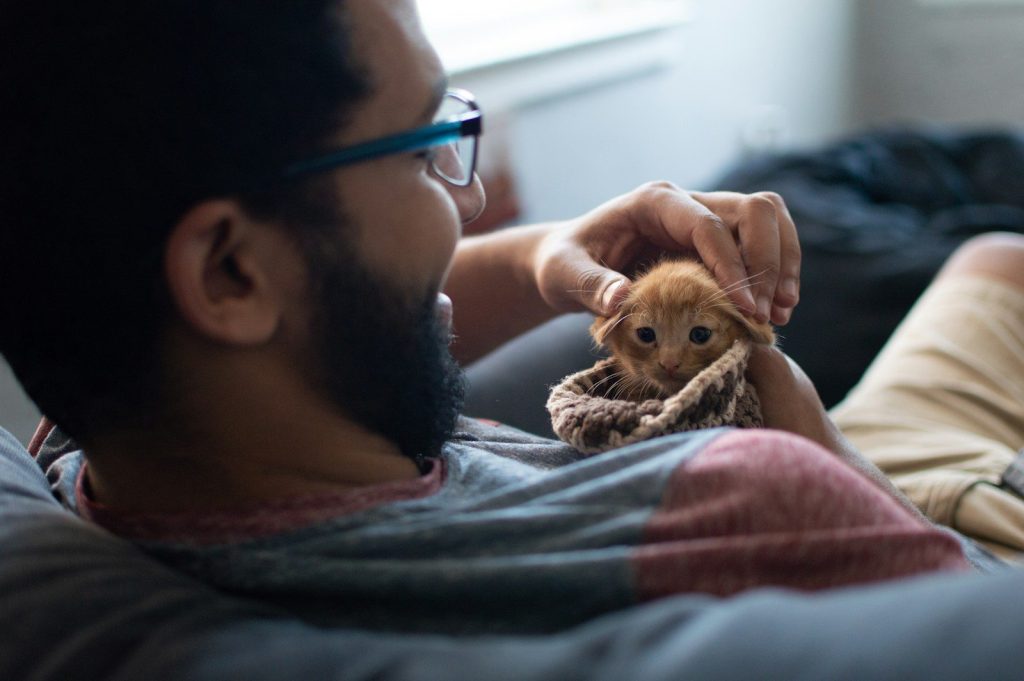
Wild parents teach their young essential survival skills, including how to find food, avoid predators, and navigate their environment. These lessons are difficult or impossible for humans to provide.
Even if a baby animal appears healthy in captivity, it may struggle to survive if released later without those natural experiences. Remaining with its parents offers the greatest opportunity for long term success.
Handling Wildlife Can Cause Stress and Injury
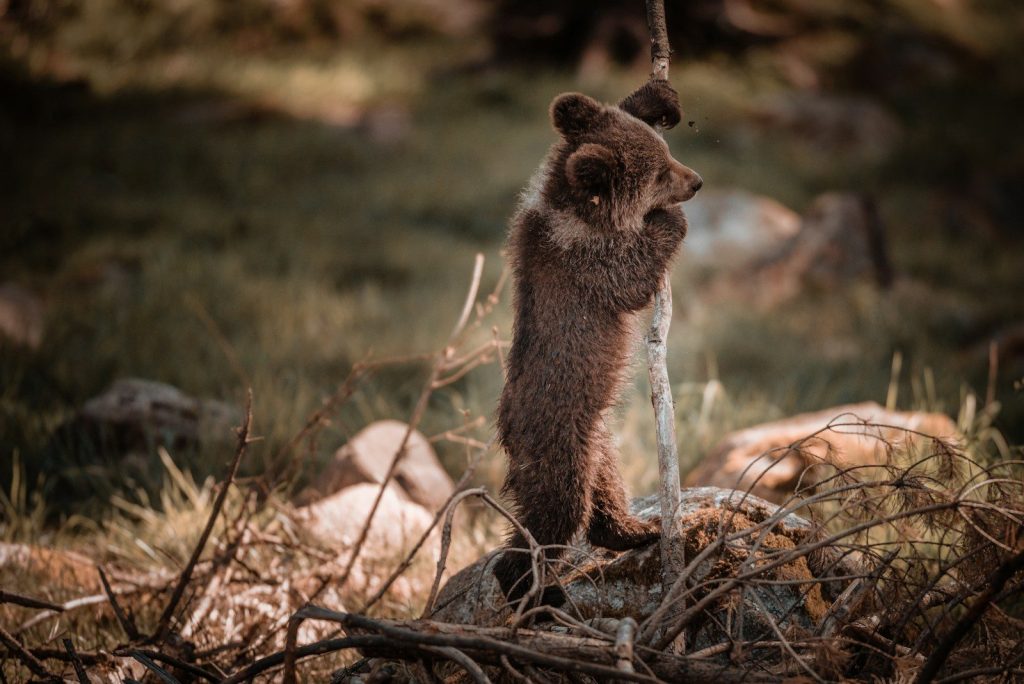
Young wild animals are easily frightened by unfamiliar people and environments. Excessive handling can increase stress, weaken their condition, and even lead to accidental injuries.
Some species may also defend themselves by biting or scratching when frightened. Minimizing contact helps protect both the animal and the person attempting to help.
Wild Animals Can Carry Diseases and Parasites
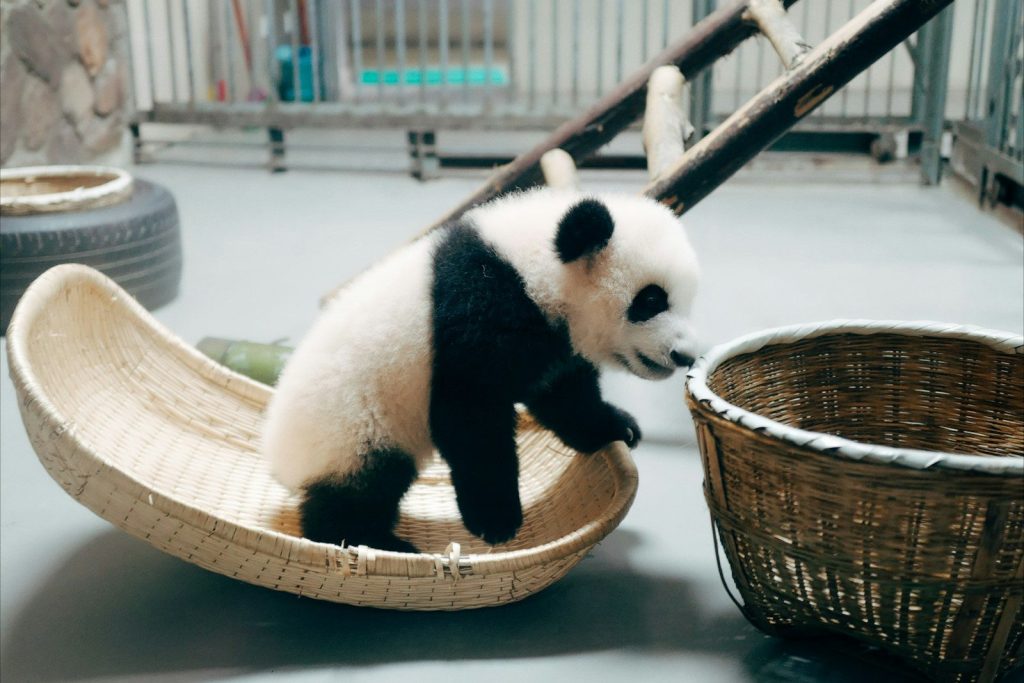
Even healthy looking baby animals may carry parasites or diseases that can spread to people or domestic pets. Direct handling without proper training or protective equipment increases the risk of exposure.
Likewise, humans can unintentionally expose wildlife to harmful bacteria or diseases. Keeping a safe distance benefits everyone involved.
Contact Wildlife Experts When Help Is Truly Needed
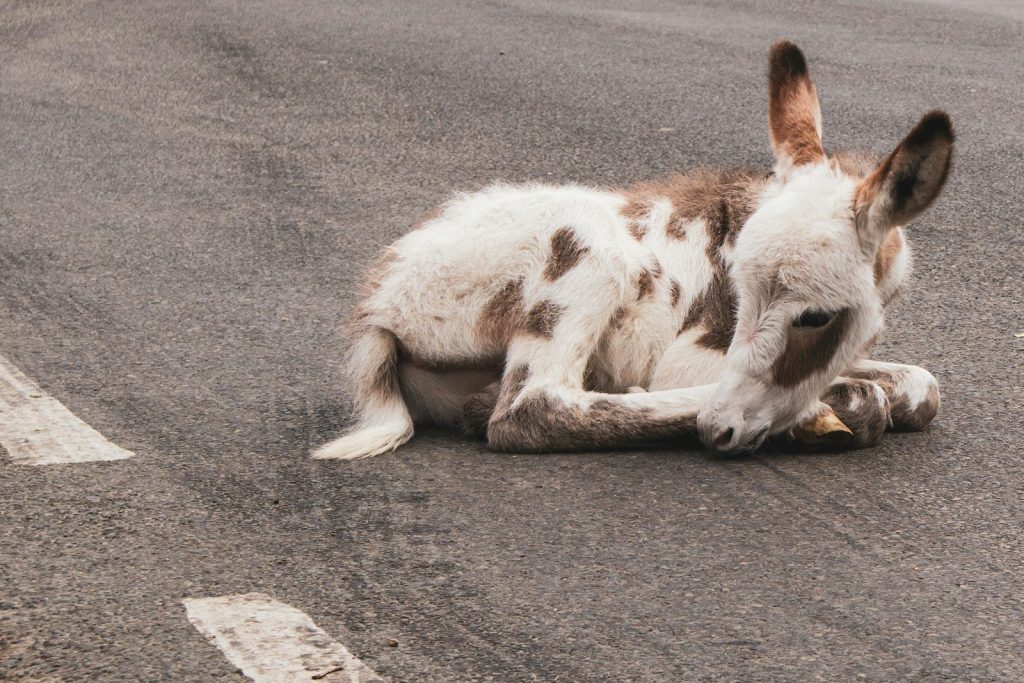
If a baby animal is visibly injured, caught by a pet, or confirmed to have lost its parents, professional assistance is the safest option. Licensed wildlife rehabilitators have the training and facilities needed to provide proper care.
Instead of taking the animal home, contact your local wildlife rehabilitation center or animal authority for guidance. They can determine the best course of action based on the species and its condition.
Observe Before You Intervene
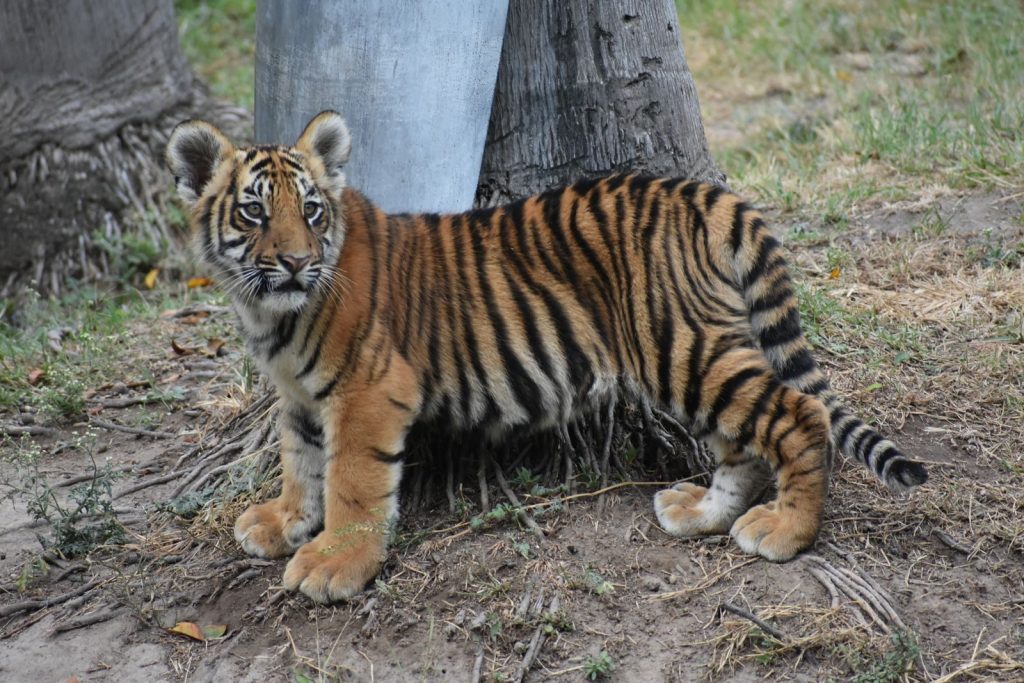
Watching quietly from a distance often reveals that a parent is still actively caring for its young. Limiting noise and human activity around the area gives the family the best opportunity to reunite naturally.
If you are unsure whether intervention is necessary, taking a photo and consulting a wildlife expert can provide valuable guidance. A careful assessment is always better than acting too quickly.