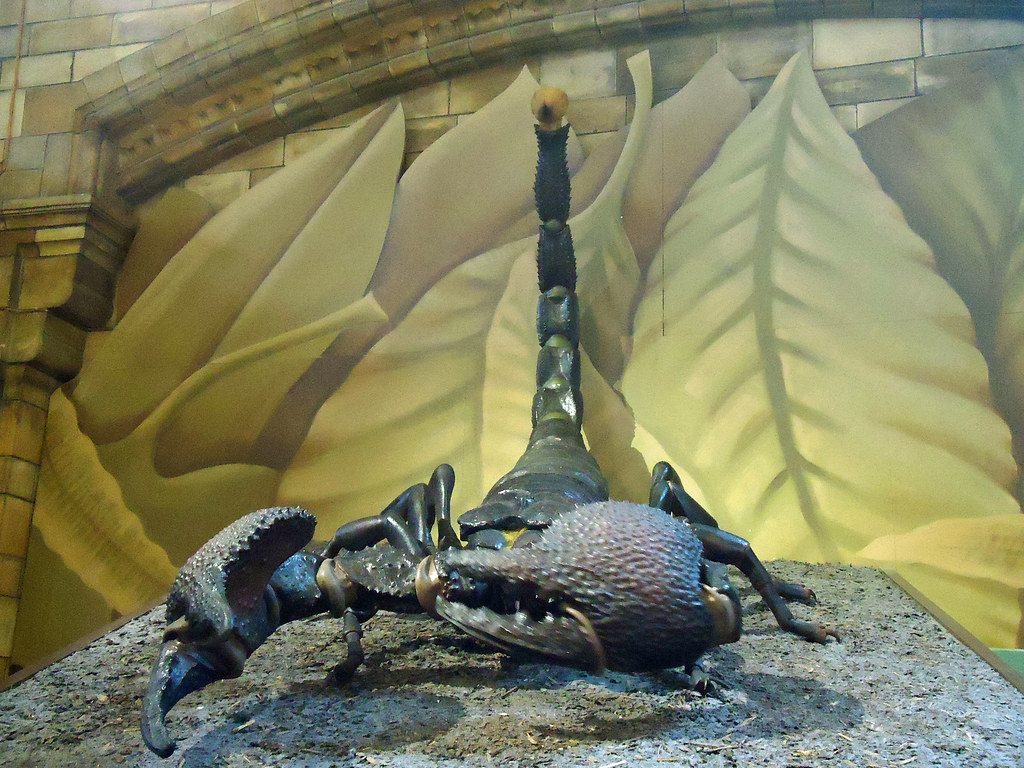
More than 415 million years ago, long before forests covered the Earth, a giant scorpion the size of a Labrador stalked the ancient floodplains of what is now England and Wales. A new study has identified the creature as Praearcturus gigas, making it the largest scorpion ever discovered and offering fresh insights into the early evolution of life on land.
A Giant Predator Unlike Any Living Scorpion

Researchers from the Natural History Museum have confirmed that Praearcturus gigas measured around 3.2 feet (1 metre) in length and possessed massive pincers stretching more than 6.3 inches (16 centimetres). Those claws alone were about the same length as the bodies of today’s largest scorpions, making the ancient predator a formidable hunter.
Scientists believe it occupied the top of the food chain in an environment where few other large predators existed.
Fossils Solved a 150-Year-Old Mystery
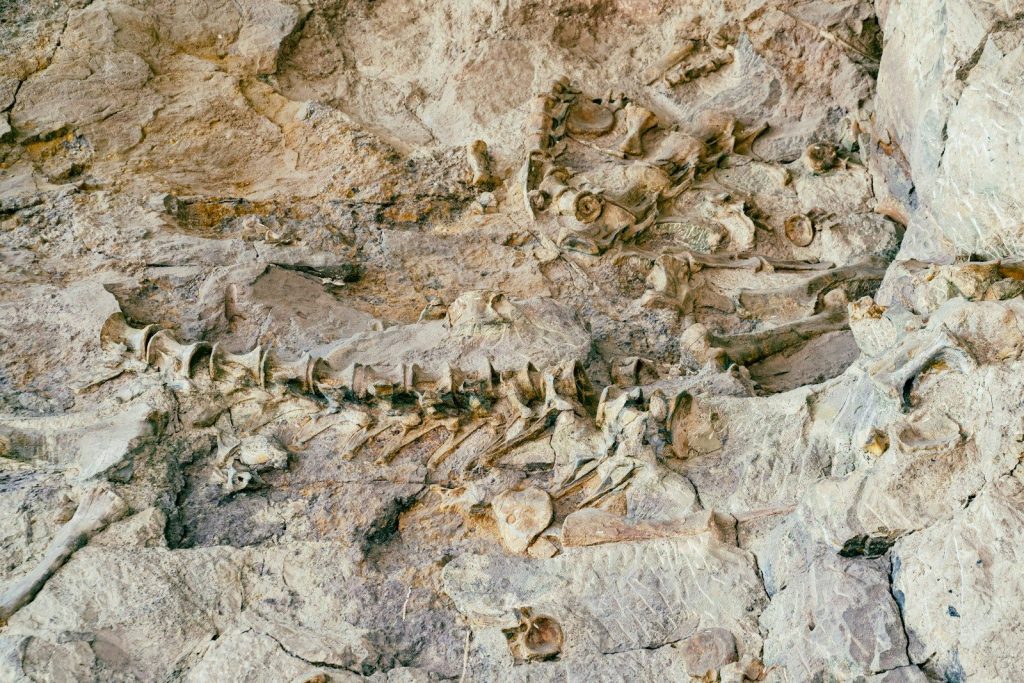
Interestingly, the fossils used to identify the giant scorpion have been sitting in the Natural History Museum’s collection for more than 150 years. Originally described in 1871, the creature was mistakenly classified as a giant crustacean because key body parts were missing.
Using modern imaging techniques and comparisons with newly discovered fossils, researchers have now confirmed that the specimen was actually an ancient scorpion belonging to a previously misunderstood species.
Life Before Forests Changed Everything

Praearcturus gigas lived during the Early Devonian Period, when life on land was still in its infancy. Trees had not yet evolved, and only small plants and fungi had begun spreading across the landscape.
Unlike the giant insects and millipedes that appeared millions of years later during oxygen-rich Carboniferous forests, this scorpion reached enormous proportions without unusually high oxygen levels. Scientists believe its impressive size may instead have been driven by limited competition, allowing it to dominate its environment.
Built for Both Water and Land

The study also revealed flap-like structures on the scorpion’s abdomen that resemble those seen in modern crustaceans such as lobsters. These features suggest Praearcturus gigas may have been capable of moving between aquatic and terrestrial habitats.
Researchers believe it represents an important stage in evolution, when early arthropods were experimenting with life beyond the oceans.
Fossils Found Across England and Wales
Evidence of the giant scorpion has been uncovered at several fossil sites, including Herefordshire, Worcestershire, and Tredomen Quarry near Brecon in Wales. These discoveries indicate the predator once inhabited large parts of ancient Britain.
Scientists say revisiting historical fossil collections with modern technology continues to reveal remarkable discoveries that reshape our understanding of prehistoric life.