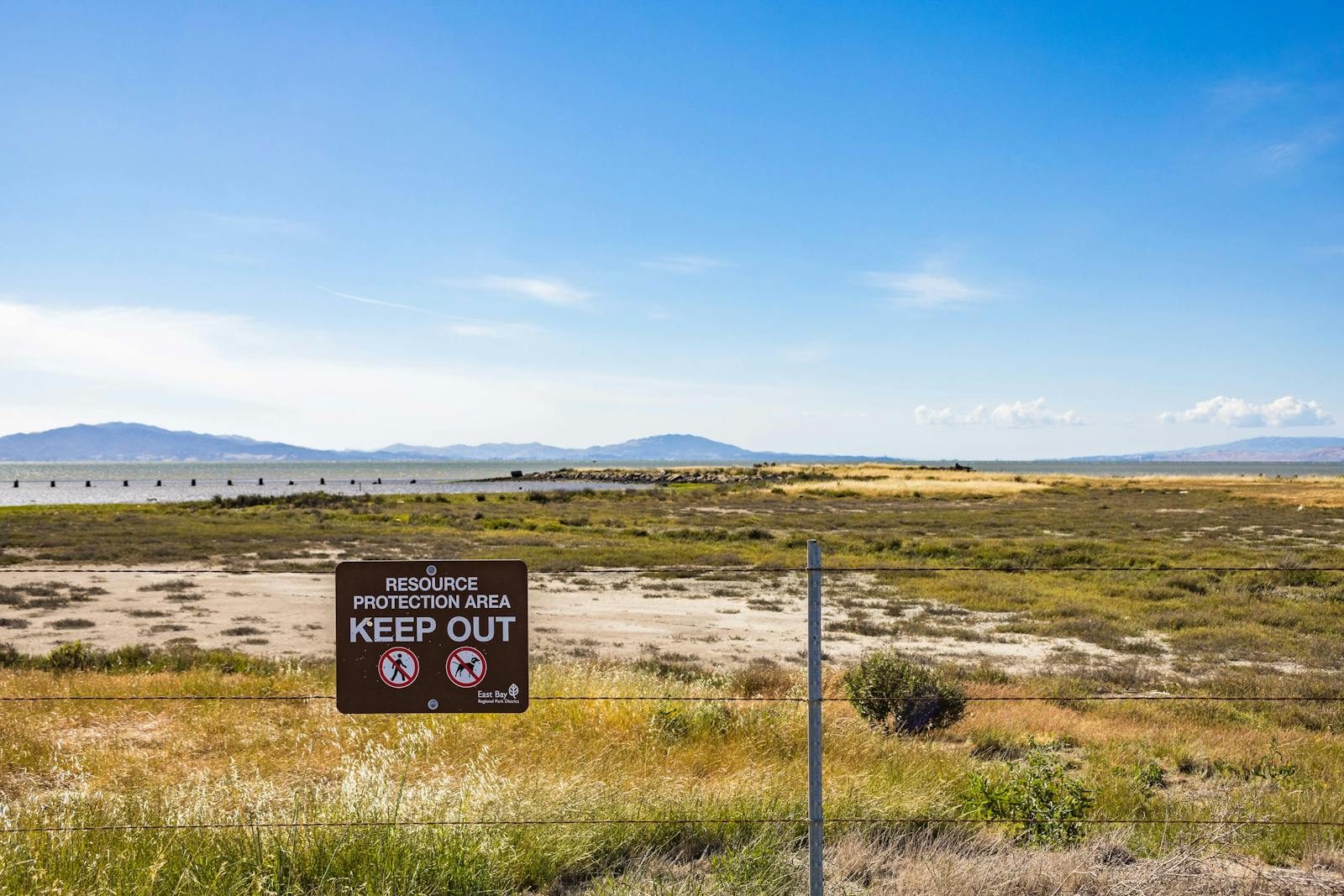
Residents of the small South Texas community of Salineño were stunned after learning that new federal border wall construction could cut directly through one of the region’s most beloved wildlife areas. Known for its rare birds, peaceful riverbanks, and centuries-old trees, the preserve has long attracted birdwatchers and nature lovers from around the world.
Environmental groups and local residents now fear the project could permanently alter both the ecosystem and the culture of the historic border town. Many say the fight is no longer only about immigration policy, but also about protecting wildlife and preserving a unique natural landscape.
A Famous Birdwatching Destination
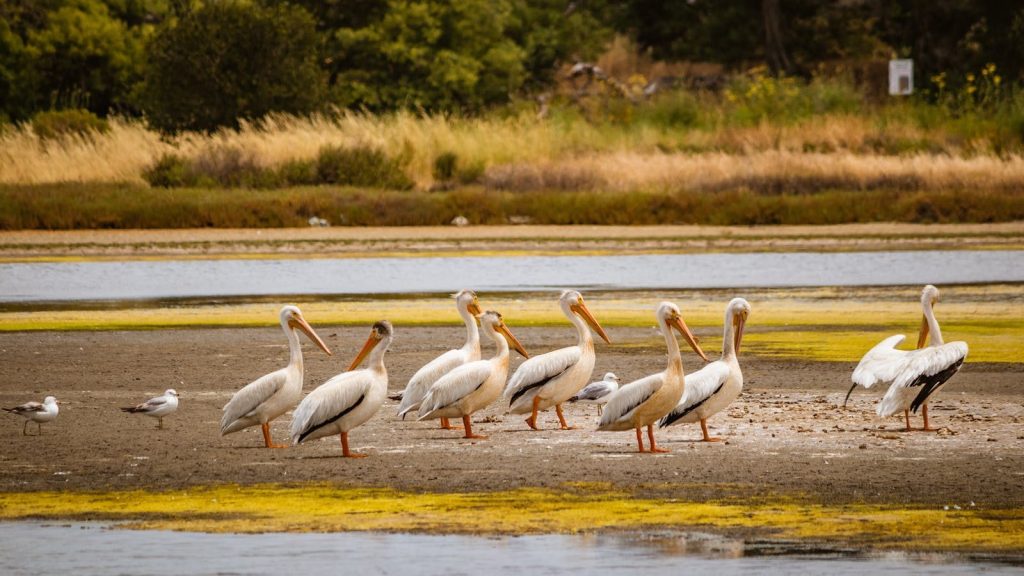
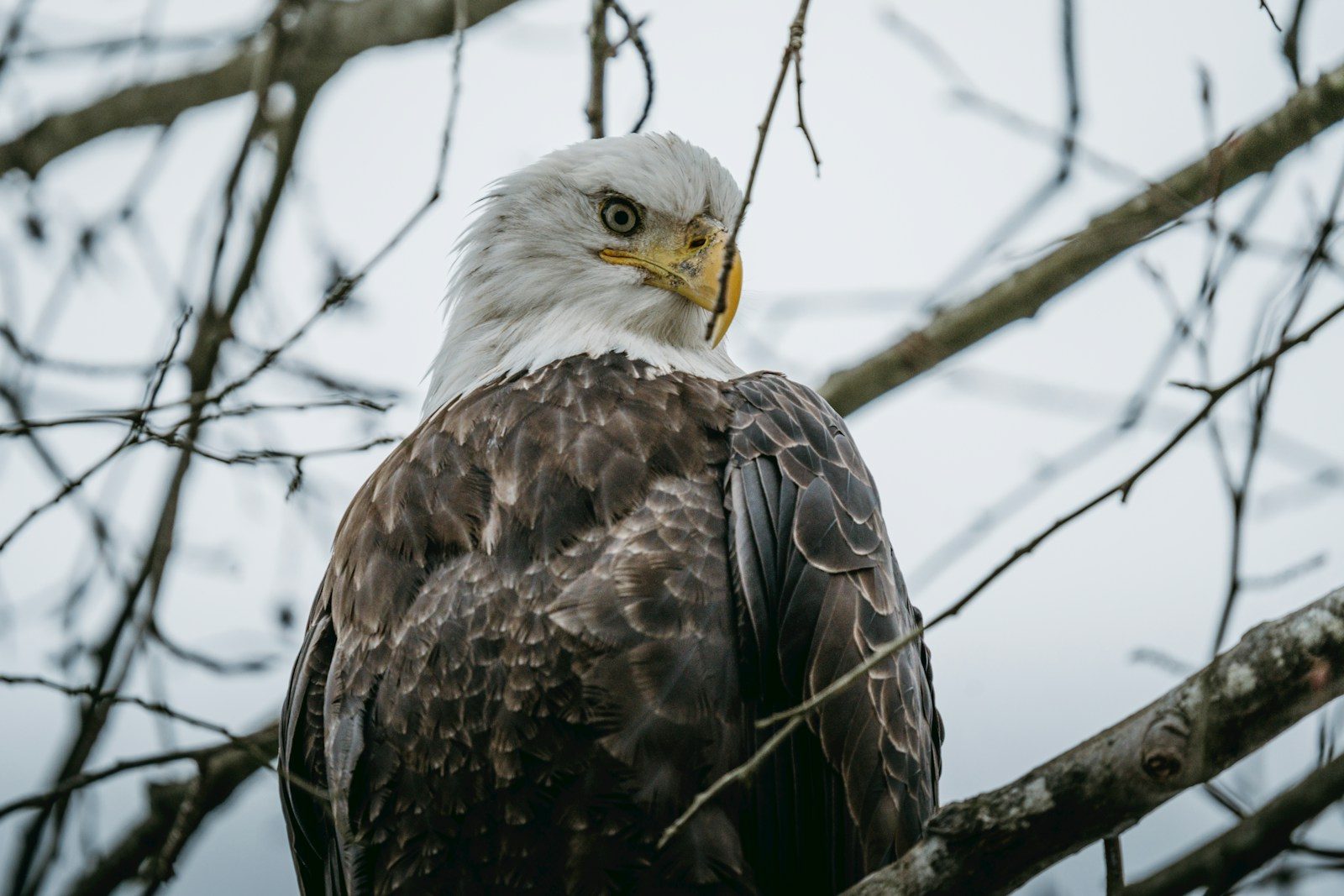
Salineño Wildlife Preserve is widely considered one of the best birding spots in the United States. Birdwatchers travel from across the country hoping to spot rare species that are difficult to find anywhere else in North America.
The preserve’s location along the Rio Grande creates an important habitat for migratory birds and native wildlife. Dense brushlands, river access, and old growth trees make the area especially valuable for biodiversity.
Residents Say the River Is Part of Their Identity
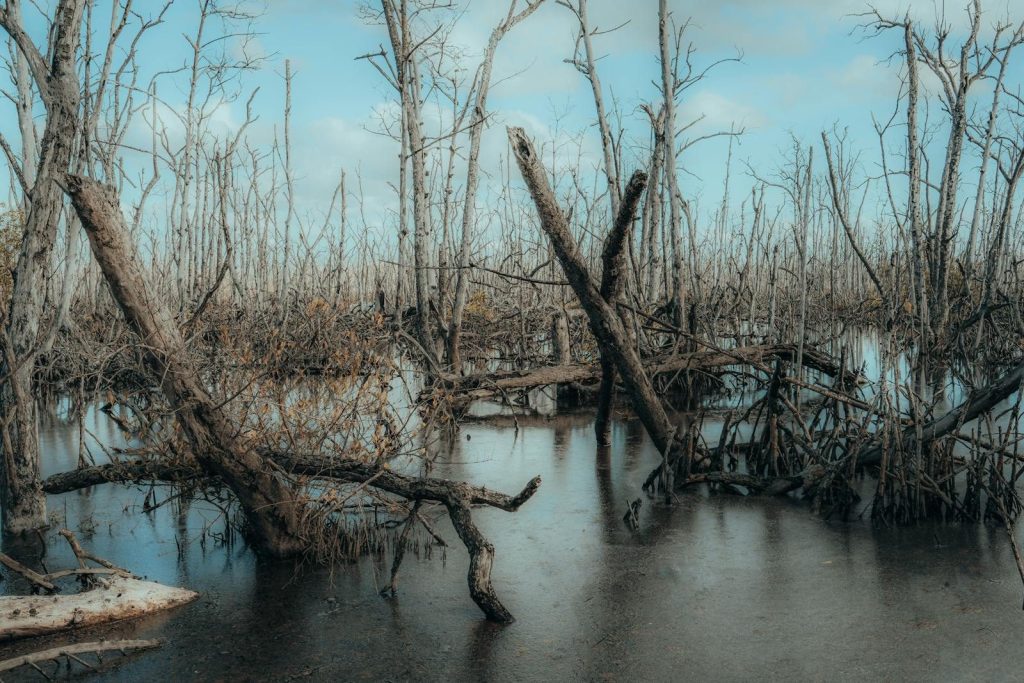
Many local families have spent generations gathering along the Rio Grande for fishing, barbecues, and family events. Residents describe the river as deeply tied to their community traditions and daily life.
Community members worry a large steel border wall would physically separate them from the river they have always enjoyed. Some fear it could permanently change the peaceful character of the small town.
Environmentalists Fear Major Wildlife Damage
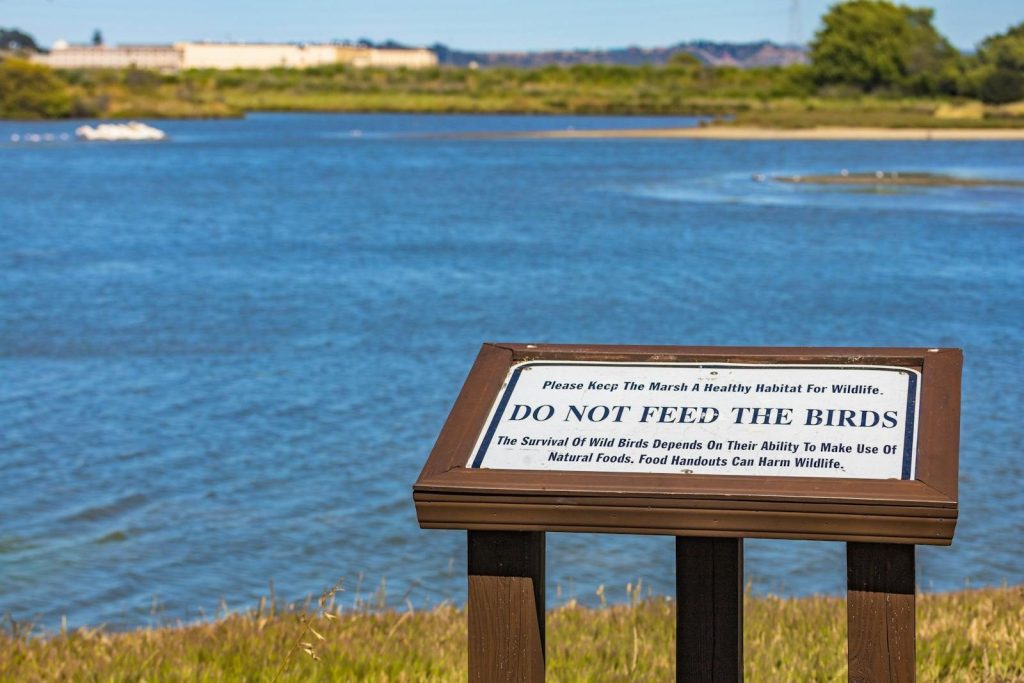
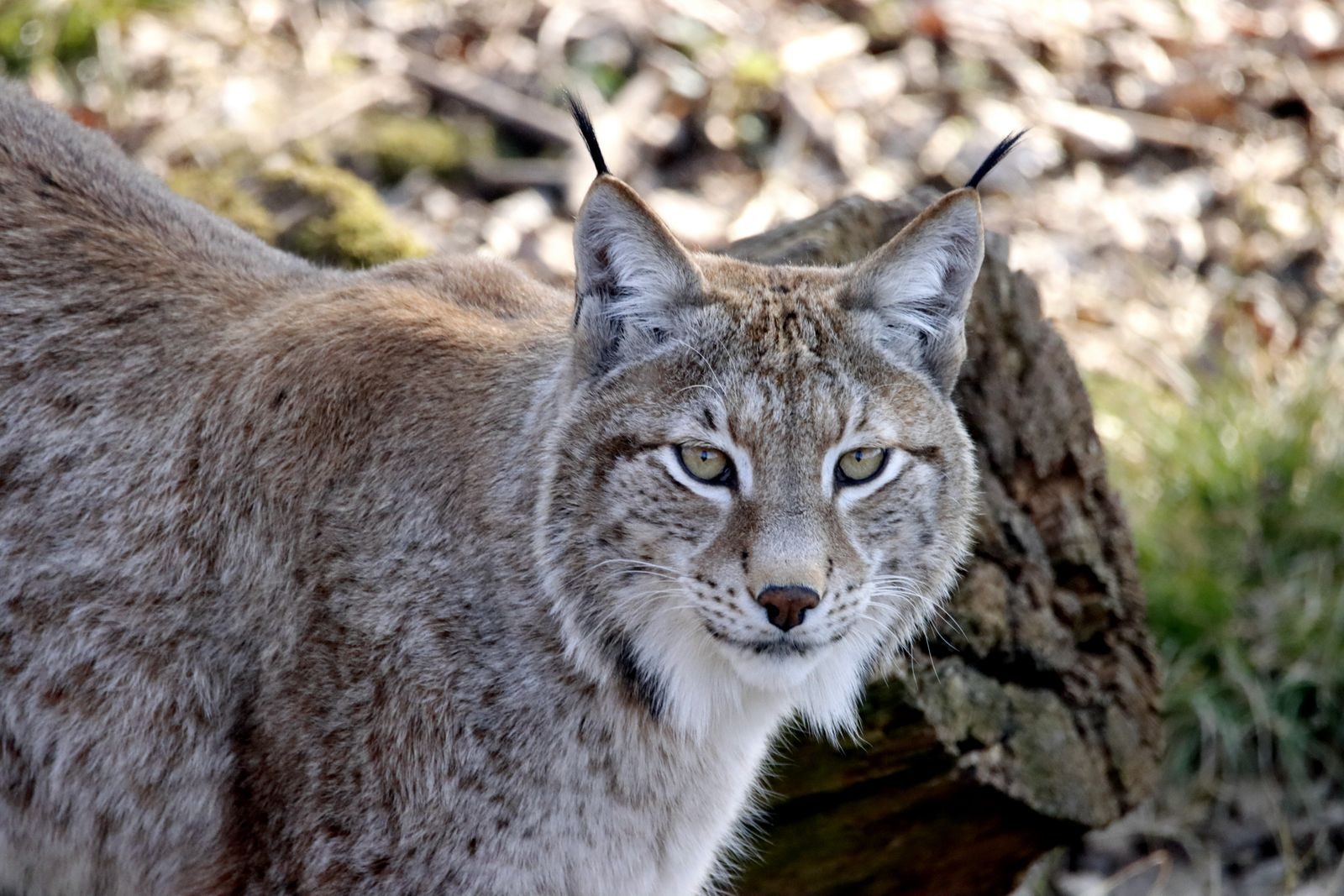
Wildlife advocates argue that border wall construction could severely disrupt animal movement and damage fragile habitats. Concerns also include construction noise, artificial lighting, and the installation of razor wire barriers.
Environmental groups warn that small mammals, reptiles, and birds could all be affected by the changes. They also worry that habitat fragmentation could reduce biodiversity across the region.
Ancient Trees Could Be at Risk
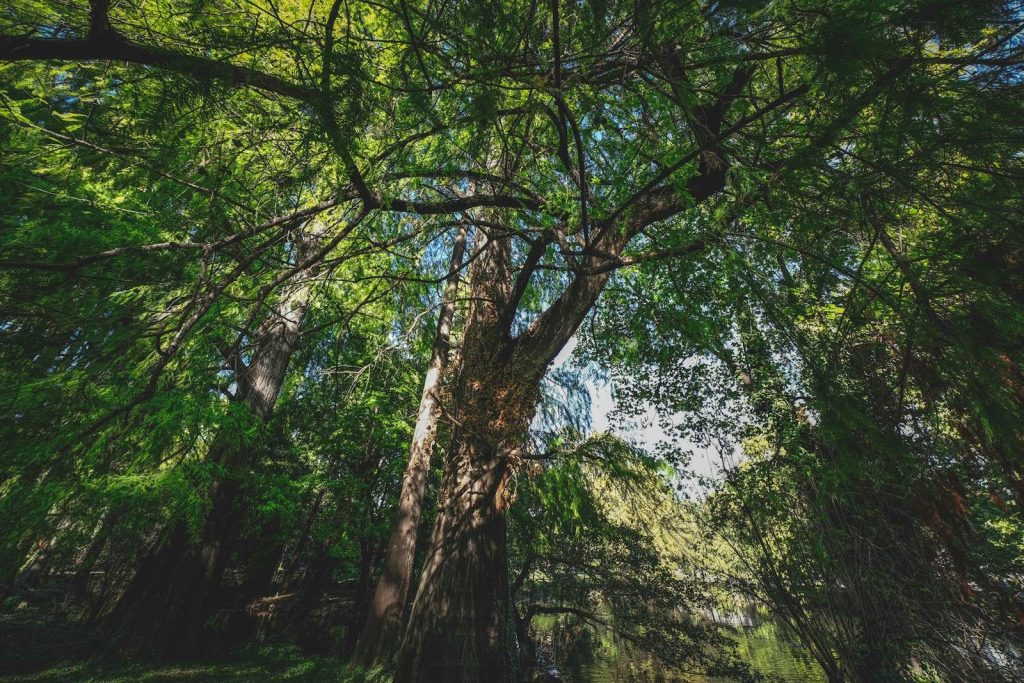
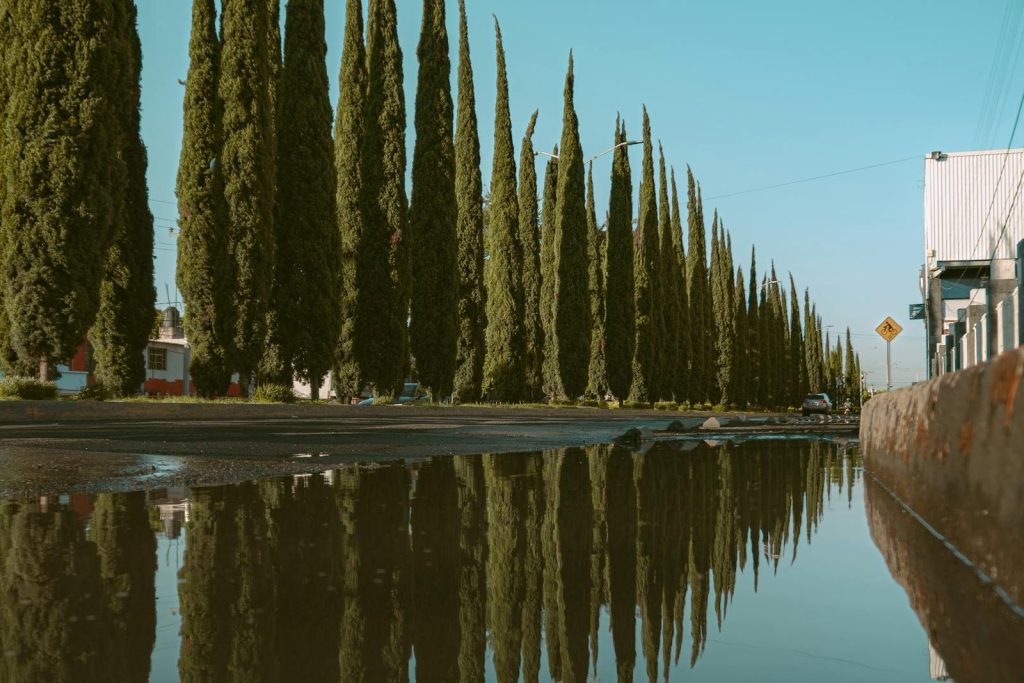
One of the preserve’s most treasured natural features is a grove of Montezuma cypress trees believed to be hundreds of years old. Some estimates suggest certain trees may be close to 800 years old.
Activists fear construction equipment and nearby wall infrastructure could damage the ancient root systems. Losing these trees would mean losing an irreplaceable part of the region’s natural history.
Border Wall Plans Expanded After New Funding
For years, several wildlife refuges and historic sites in the Rio Grande Valley were protected from border wall construction through congressional exemptions. That changed after new federal funding expanded border security projects across the Southwest.
Updated maps released by U.S. Customs and Border Protection now show planned wall sections and river barriers extending through multiple environmentally sensitive areas, including Salineño.
Locals and Activists Want Lawmakers to Intervene

Community leaders and environmental activists are encouraging residents to contact elected officials and raise public awareness about the project. Many believe public pressure could still influence future decisions.
Residents say they feel blindsided because many were unaware the wall plans included their town. Meetings at local churches and community centers have now become gathering places for discussion and organizing.
A Growing Debate Over Conservation and Security
The controversy highlights the ongoing conflict between border security policies and environmental protection efforts. Supporters of the wall argue stronger barriers are necessary, while critics believe the ecological cost could be devastating.
For Salineño residents, the debate feels deeply personal. To them, the preserve is more than a wildlife area — it is part of their history, culture, and connection to the Rio Grande itself.