Exploring nature can be exciting, but not every wildlife encounter turns into a peaceful moment. Some animals may appear calm at first yet can become extremely dangerous when surprised, threatened, or protecting their territory.
While attacks on humans are relatively rare, experts say preparation and awareness are essential when visiting forests, mountains, deserts, or remote wilderness areas. Knowing how certain animals behave can make the difference between a safe experience and a deadly mistake.
Grizzly Bears Can Turn Aggressive in Seconds
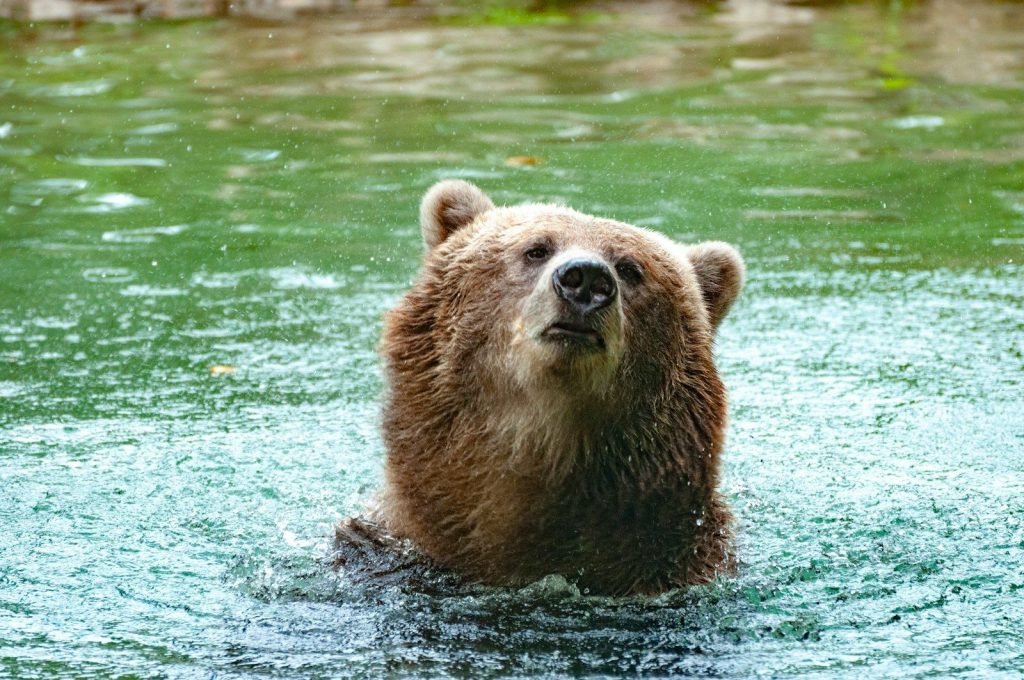
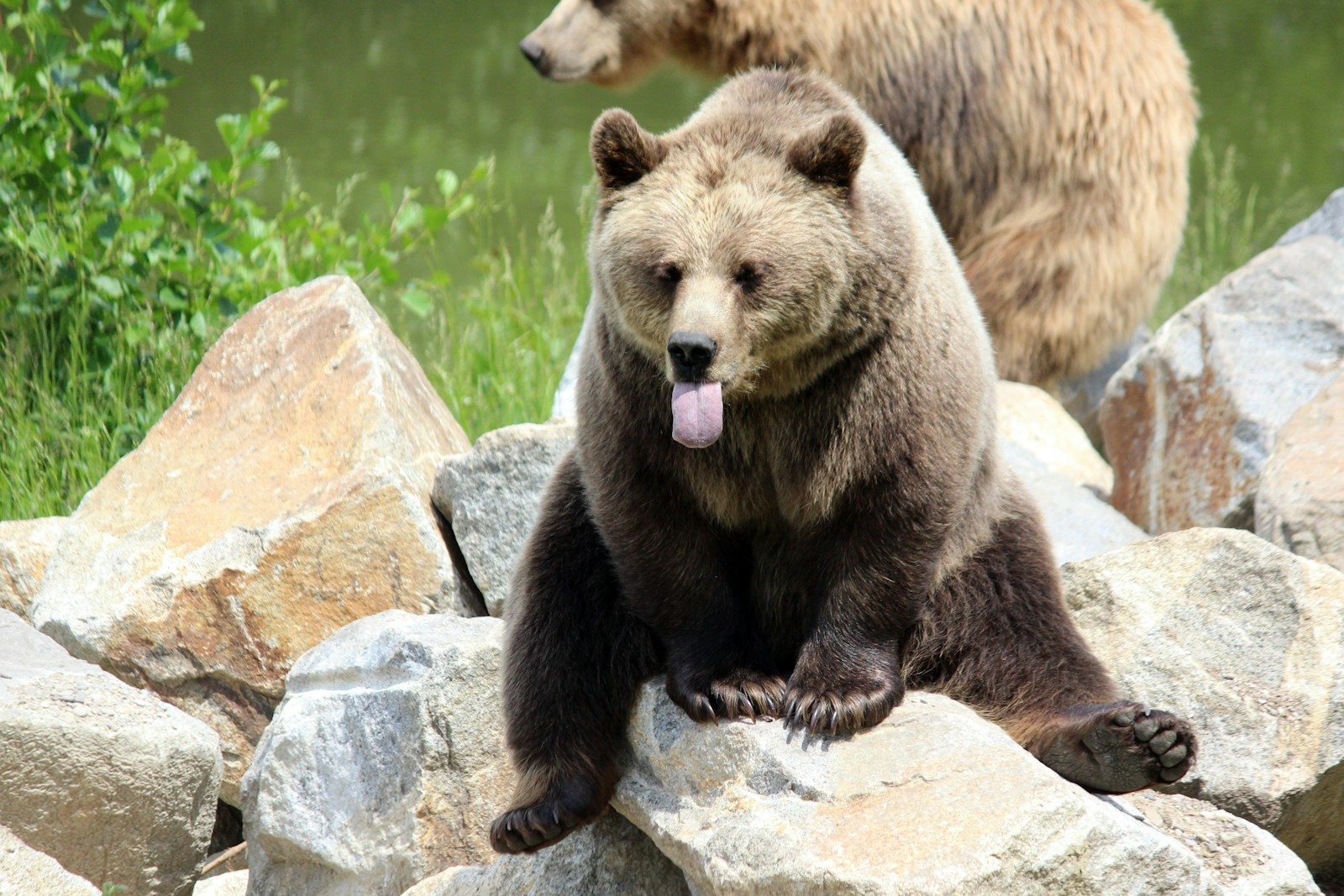
Grizzly bears are among the most powerful predators in North America. Despite their massive size, they can run surprisingly fast and become aggressive if they feel threatened or if cubs are nearby.
Many dangerous encounters happen because hikers accidentally surprise a bear at close range. Wildlife experts recommend carrying bear spray, making noise while hiking, and never approaching cubs under any circumstances.
Moose Are More Dangerous Than Many Predators
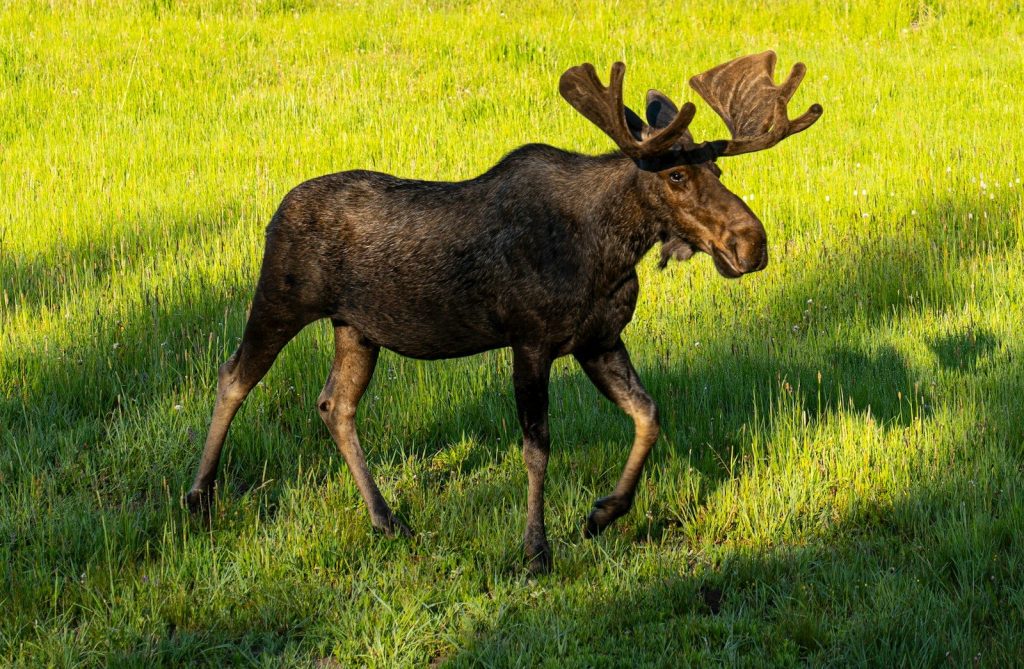
Moose may not look terrifying compared to wolves or bears, but they injure many people every year. Their size, sharp hooves, and unpredictable behavior make them especially dangerous during mating season.
People often make the mistake of getting too close for photographs. If a moose lowers its head, lays back its ears, or starts stomping, it may be preparing to charge.
Crocodiles Attack With Incredible Speed
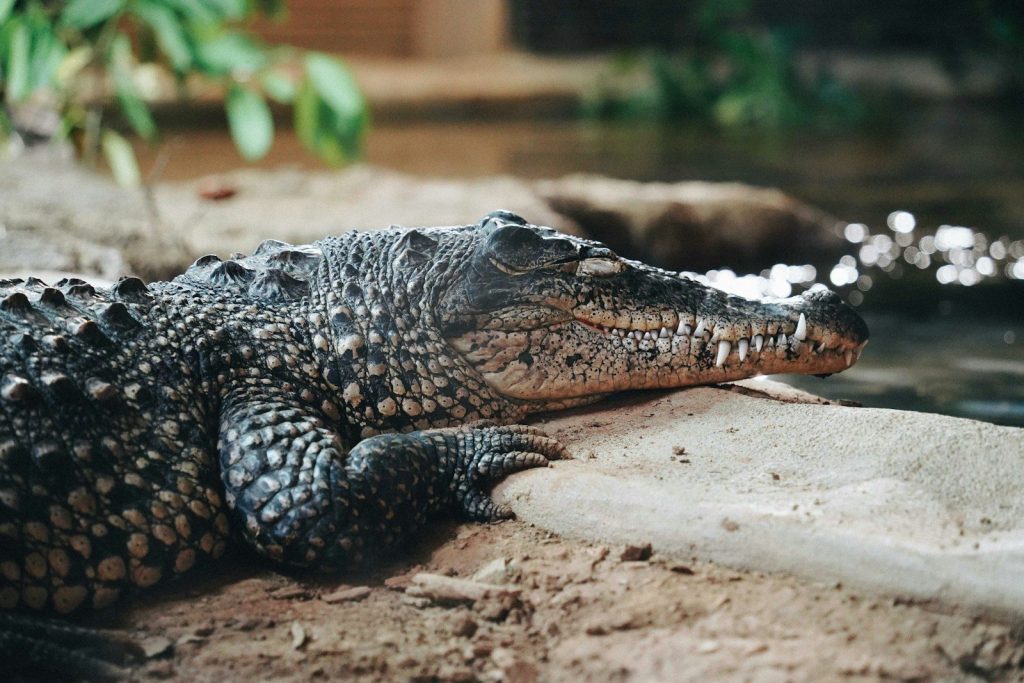
Crocodiles are ambush predators that can remain almost invisible in the water until striking. They are capable of explosive bursts of speed and powerful bites strong enough to crush bone.
Attacks often occur near riverbanks where people swim, fish, or collect water. Experts warn travelers to avoid standing too close to muddy shorelines in crocodile habitats, especially at dawn or dusk.
Mountain Lions Prefer Stealth Over Warning
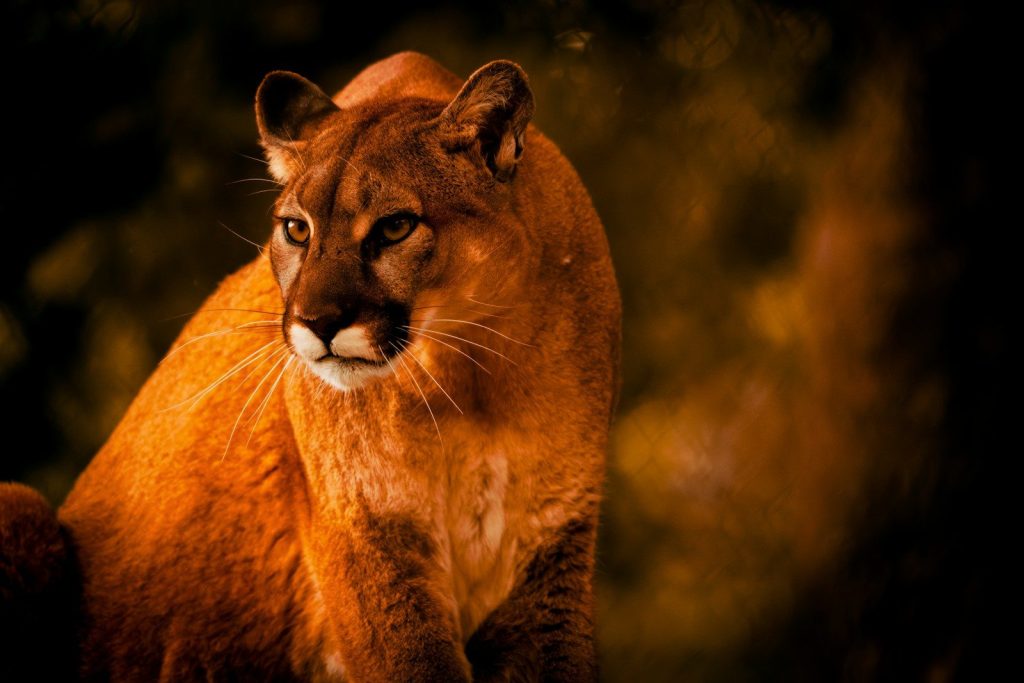
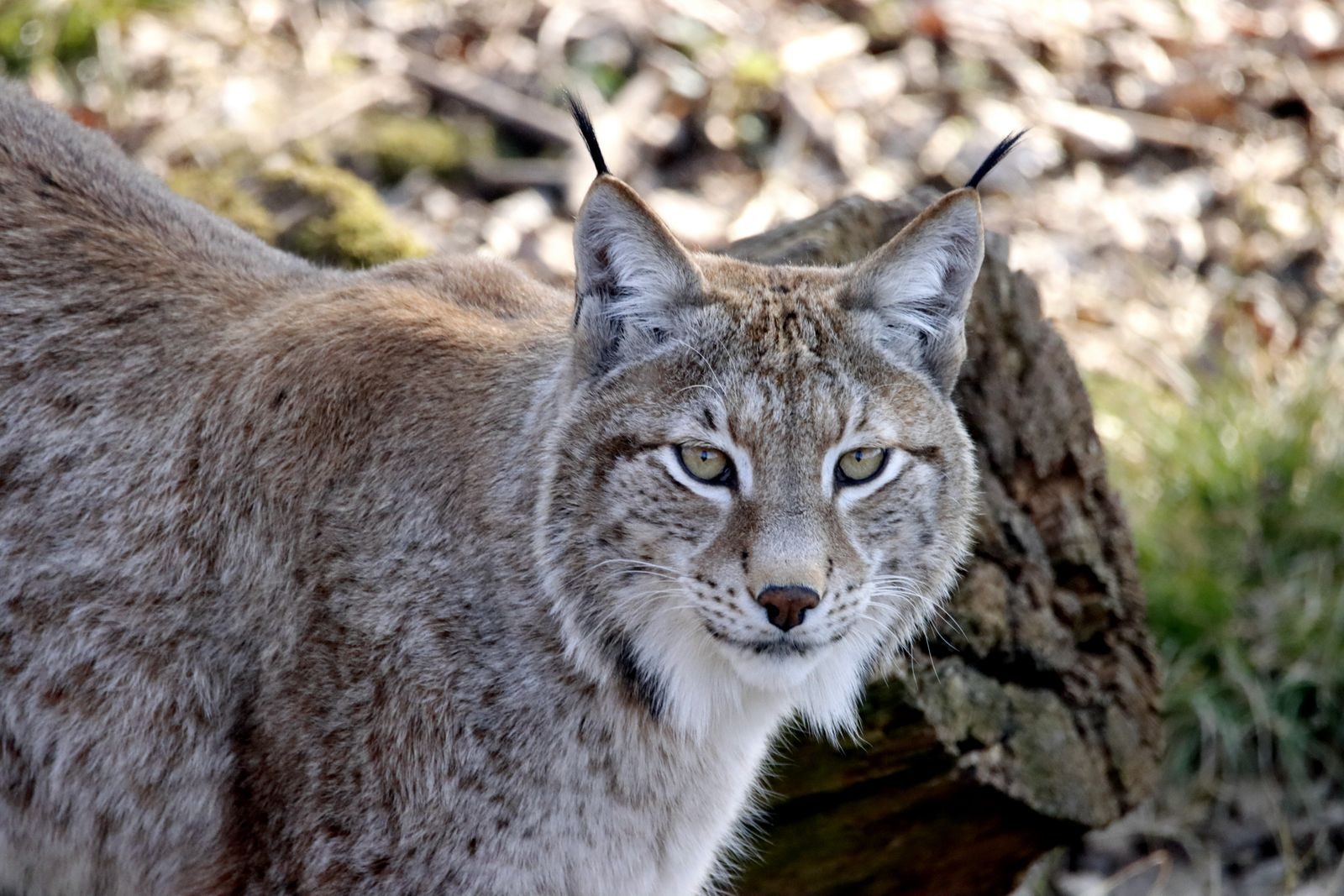
Mountain lions are elusive predators that rarely interact with humans, but encounters can still happen in remote areas. Unlike bears, these cats often stalk silently before attacking.
If confronted by a mountain lion, experts advise against running because it may trigger a chase response. Making yourself appear larger and maintaining eye contact can help discourage an attack.
Wild Boars Can Be Shockingly Aggressive
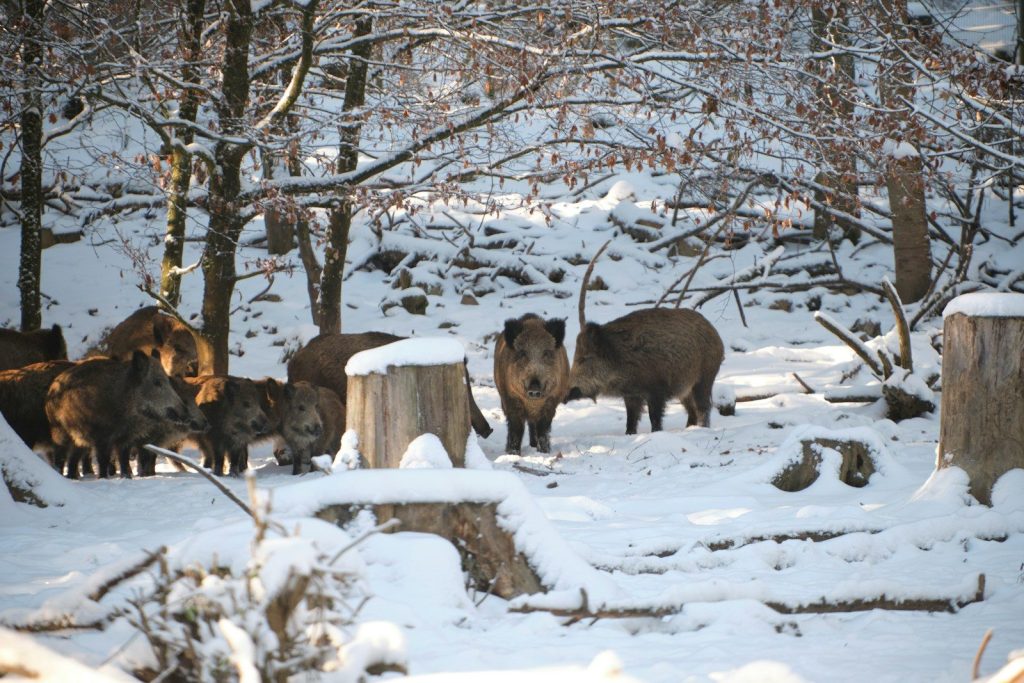
Wild boars are strong, fast, and equipped with sharp tusks capable of causing serious injuries. Although they usually avoid people, they can become extremely aggressive if cornered or protecting piglets.
Hunters and hikers sometimes underestimate how dangerous these animals can be. A charging boar can move quickly through thick vegetation and knock a person to the ground with surprising force.
Wolves Rarely Attack Humans but Still Demand Respect
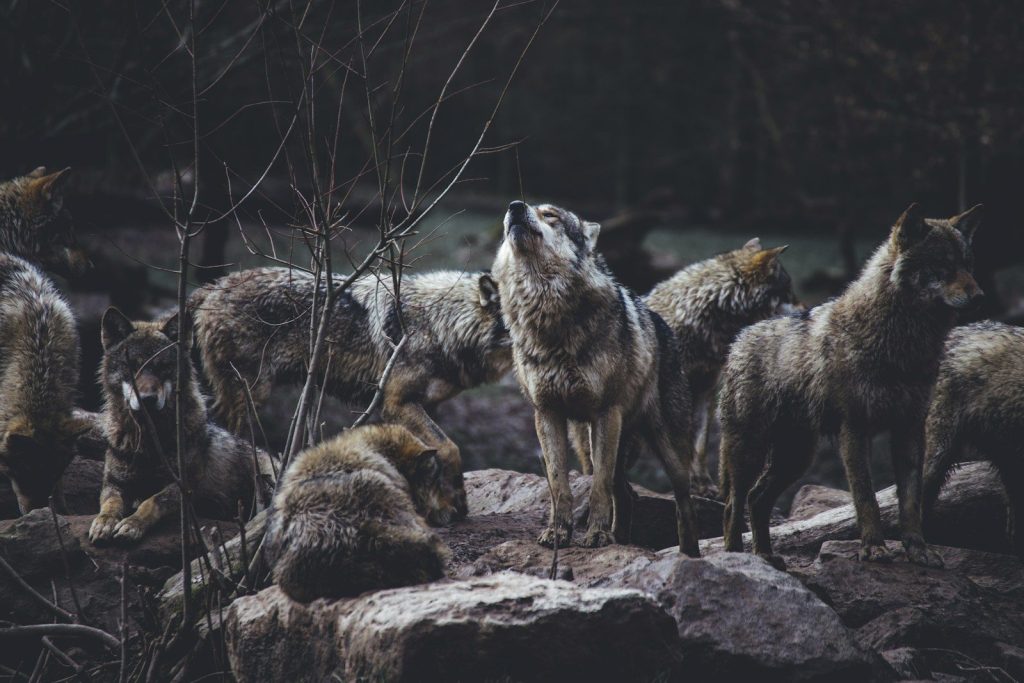
Wolves generally avoid humans and attacks remain uncommon in modern times. However, they are still highly intelligent predators that should never be approached in the wild.
Problems usually arise when wolves lose their fear of humans because of feeding or repeated contact. Wildlife experts strongly discourage trying to interact with wild packs for photos or close observation.
Venomous Snakes Are Easy to Miss Until It’s Too Late
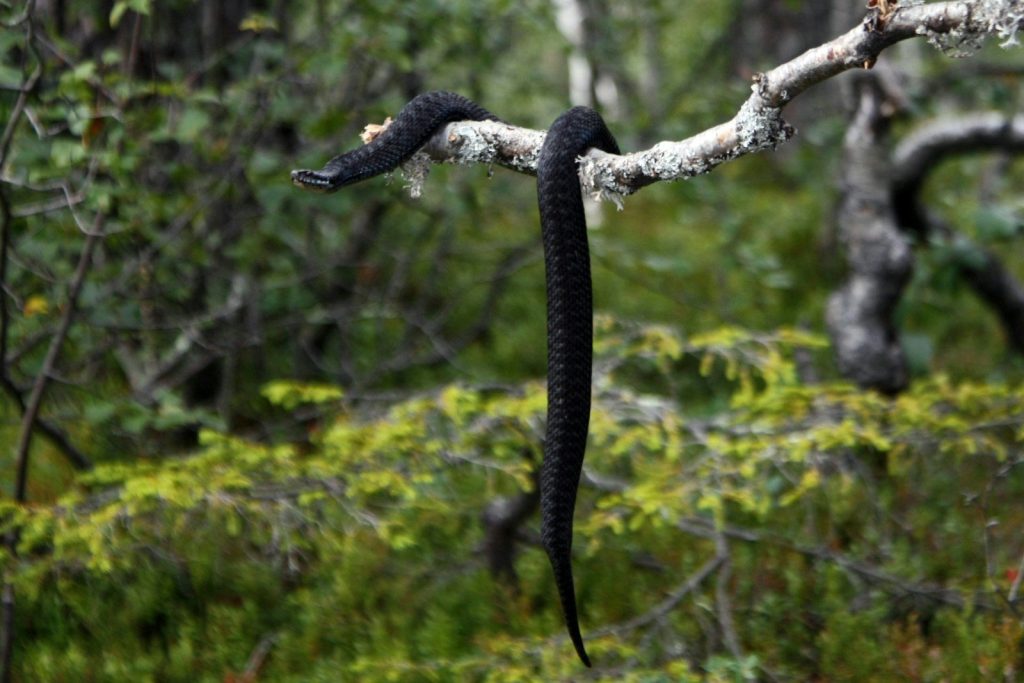
Many venomous snakes rely on camouflage to stay hidden, making accidental encounters surprisingly common. A single careless step near rocks, logs, or tall grass can put hikers dangerously close to a strike.
Experts recommend wearing proper boots, staying on trails, and watching where you place your hands and feet outdoors. Most snakebites happen when people attempt to handle or disturb the animal.
Respecting Wildlife Is the Best Protection
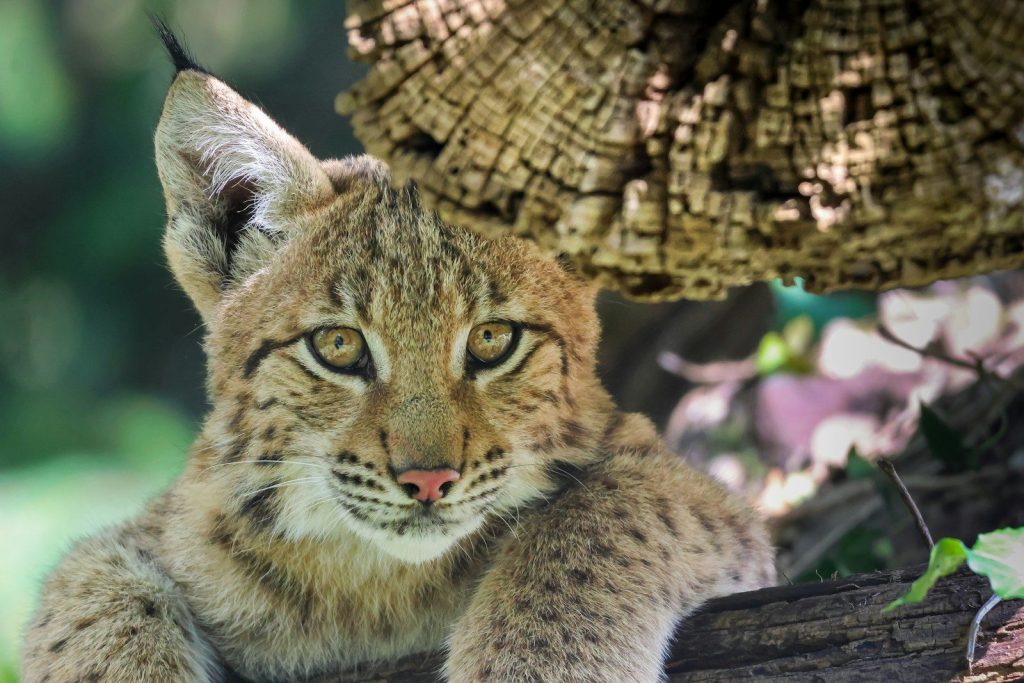
Most dangerous wildlife encounters happen because humans ignore warning signs or get too close. Wild animals usually prefer avoiding conflict, but they can react aggressively when frightened or cornered.
Preparation, awareness, and respect for nature are often the best tools for staying safe outdoors. Understanding animal behavior can help people enjoy wilderness adventures without putting themselves or wildlife at risk.