
A morning swim off the coast of Hawaii turned terrifying when a man was attacked by a shark near Honolulu, leaving him with serious injuries and prompting officials to issue warnings along nearby beaches.
The incident happened on May 30 near Kaikoo Channel at Hale Mano, where an unidentified 38 year old swimmer was bitten while in the water. Despite his injuries, he managed to swim back to shore before receiving emergency medical assistance.
Shark Warnings Posted Along Popular Beaches
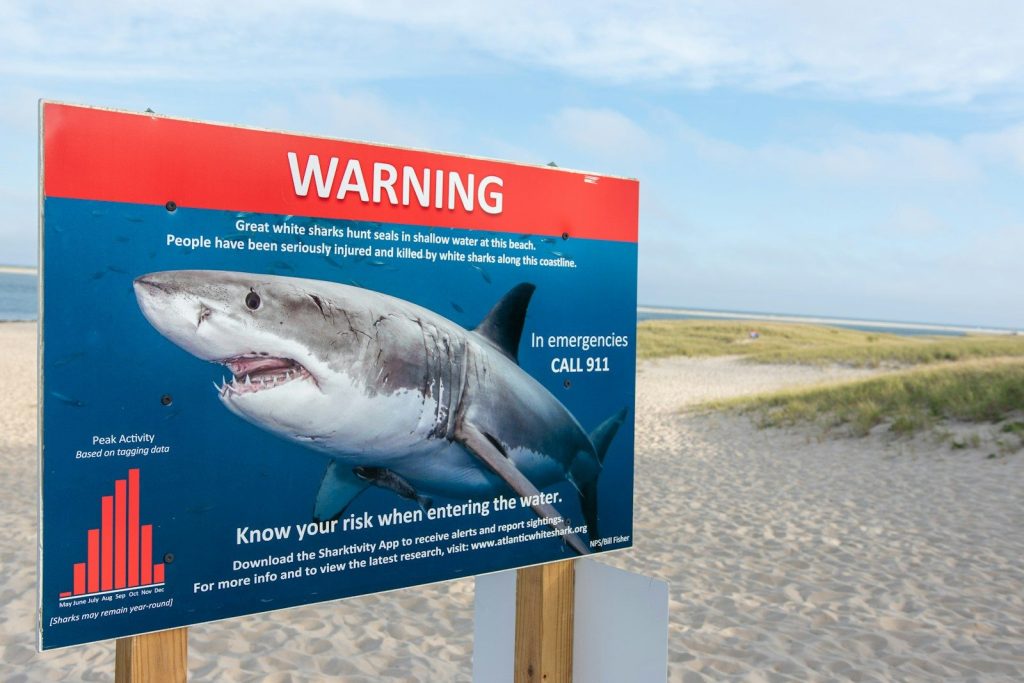
Following the attack, authorities quickly placed shark warning signs at several nearby locations, including Cromwell’s Beach and areas near Magic Island.
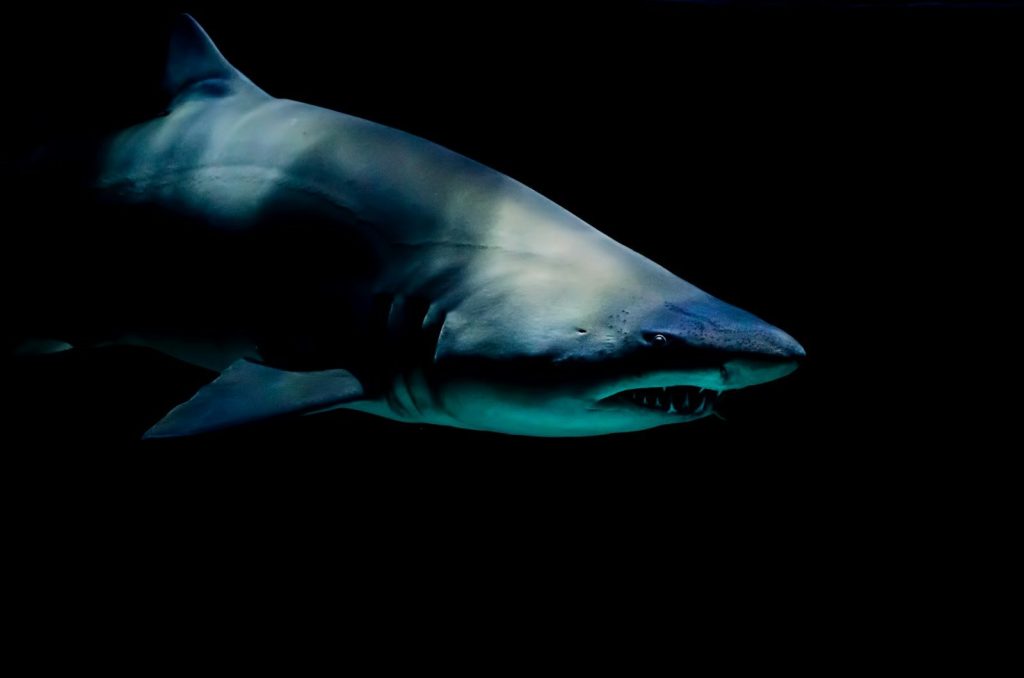
Officials also reported sightings of two large aggressive sharks near the Ala Moana Bowls surf break, raising concerns about continued activity in the area. Beaches and surrounding waters are now being closely monitored as a precaution.
The shark species involved in the attack has not yet been identified.
Hawaii’s Waters Are Shared With Large Predators
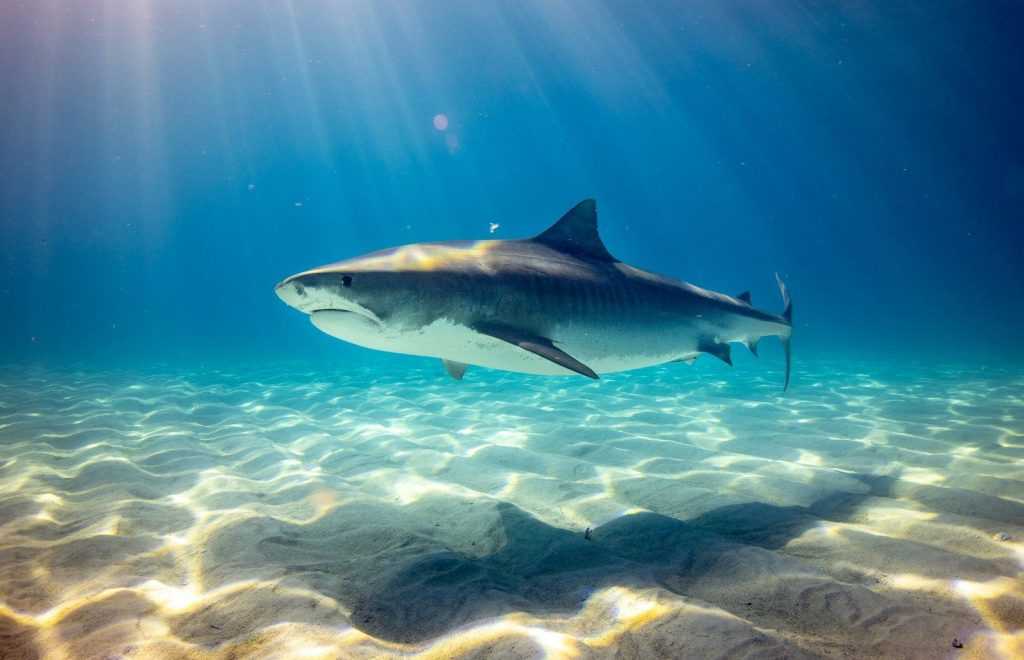
Hawaii’s coastal waters are home to several shark species, including tiger sharks, Galapagos sharks, and reef sharks. While encounters are uncommon, sharks naturally inhabit many of the same waters used by swimmers, surfers, and divers.
Experts stress that sharks are not actively hunting humans, but attacks can occur when visibility is poor, prey is nearby, or a shark becomes curious or defensive.
Shark Attacks Remain Extremely Rare
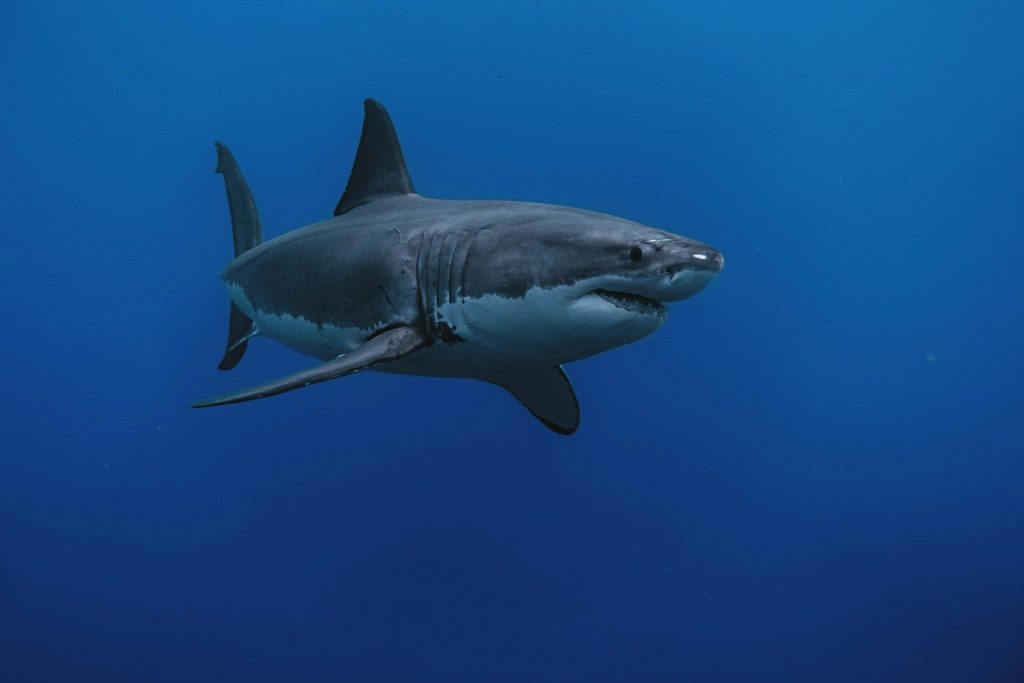
Despite the fear these incidents generate, shark attacks remain statistically rare. Experts estimate the odds of being bitten by a shark are extremely low compared to many everyday risks.
Globally, unprovoked shark attacks fluctuate year to year, but overall numbers remain relatively small considering how many millions of people enter the ocean annually.
Still, authorities encourage caution in areas where shark activity has recently been reported.
Why Sharks Are Appearing More Frequently Near Humans
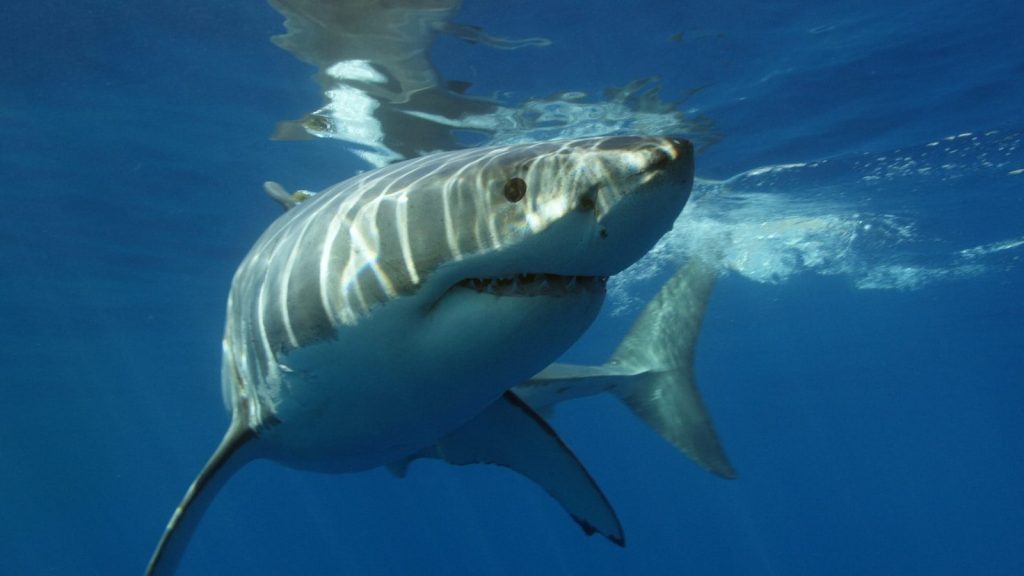
Marine researchers say changing ocean conditions, warming waters, and shifting prey populations may be influencing shark movement patterns in some regions.
Human activity in coastal ecosystems has also increased dramatically over recent decades, creating more overlap between people and marine predators.
This does not necessarily mean sharks are becoming more aggressive, but it does increase the chances of encounters.
Safety Remains the Top Priority
Officials are urging swimmers and surfers to avoid affected waters until monitoring confirms conditions are safe again.
Experts also recommend avoiding swimming at dawn or dusk, staying away from areas with bait fish or fishing activity, and never entering the water alone in regions known for shark sightings.
For now, Hawaii authorities continue monitoring the coastline closely as beachgoers remain on alert after the frightening encounter.