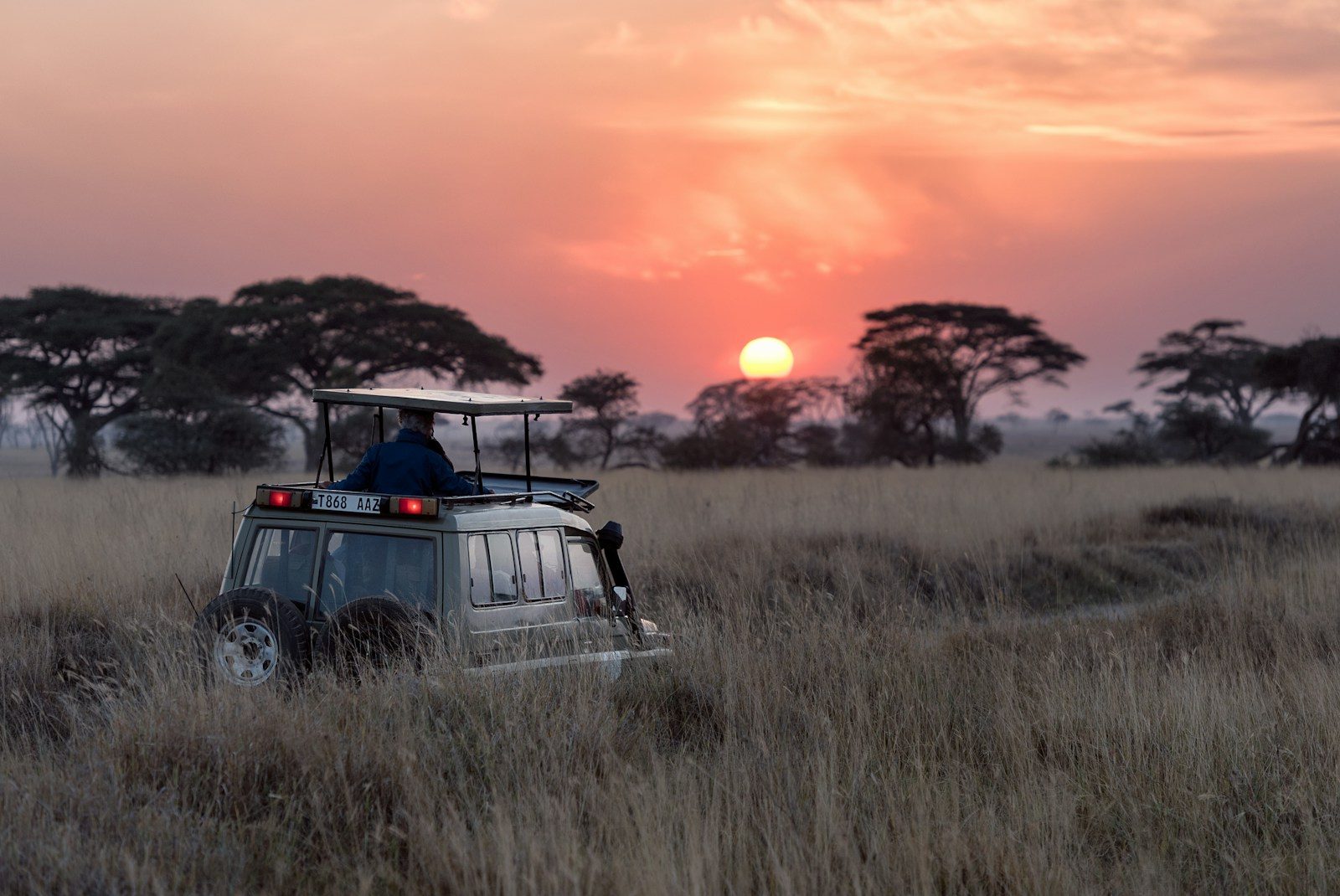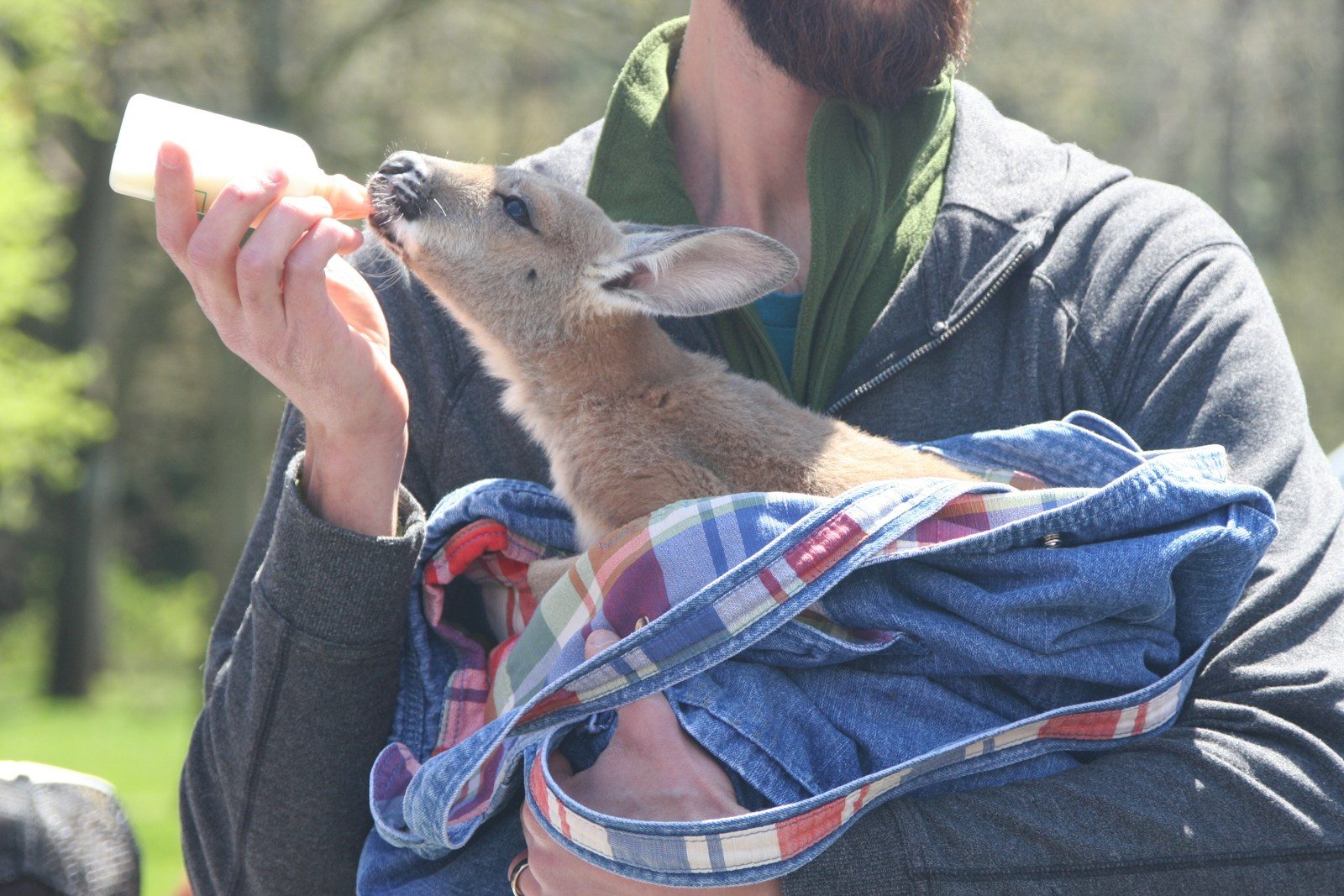
As spring brings young wildlife back into parks, neighborhoods, and backyards across New York, officials are reminding people that baby animals spotted alone are usually not abandoned. Wildlife experts say that human interference often causes more harm than good, even when intentions are compassionate.
The New York Department of Environmental Conservation is encouraging residents to observe wild animals from a distance and avoid stepping in unless there is clear evidence of injury or danger.
Why Young Wildlife Is Often Left Alone
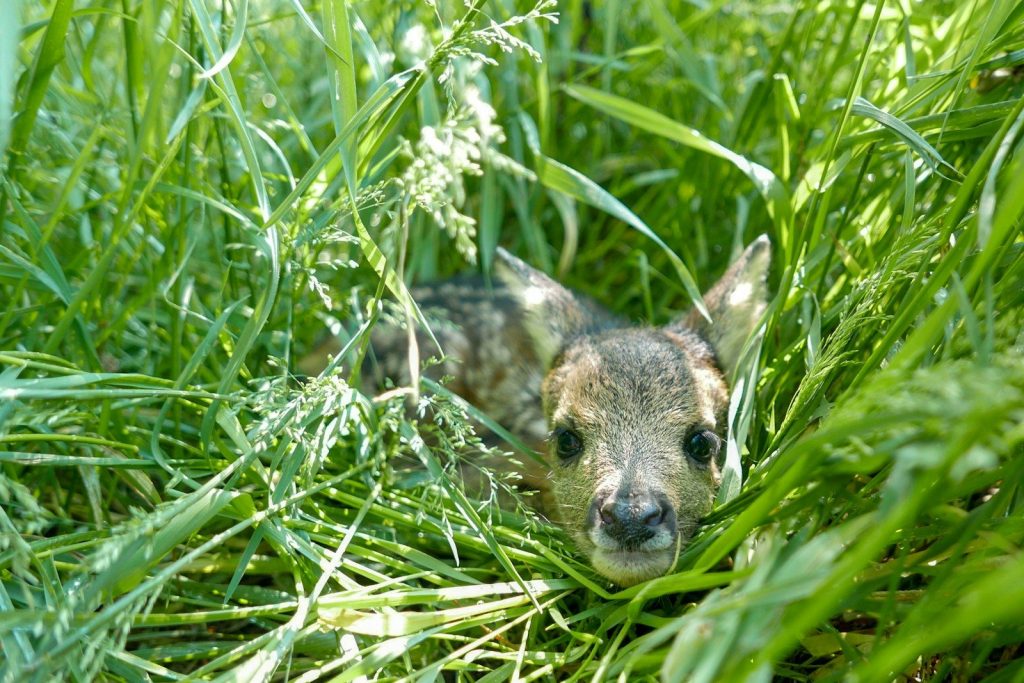
Many people assume a lone fawn or baby bird has been abandoned, but this is rarely the case. In reality, parent animals frequently leave their young hidden while they search for food nearby.
Young deer, for example, rely on camouflage and stillness to avoid predators during their first weeks of life. Mother deer often stay away for long periods to avoid attracting attention to the fawn’s hiding place.
Birds behave similarly. Parent birds continue caring for fledglings even after they leave the nest and begin learning to fly.
The Hidden Dangers of Human Interference
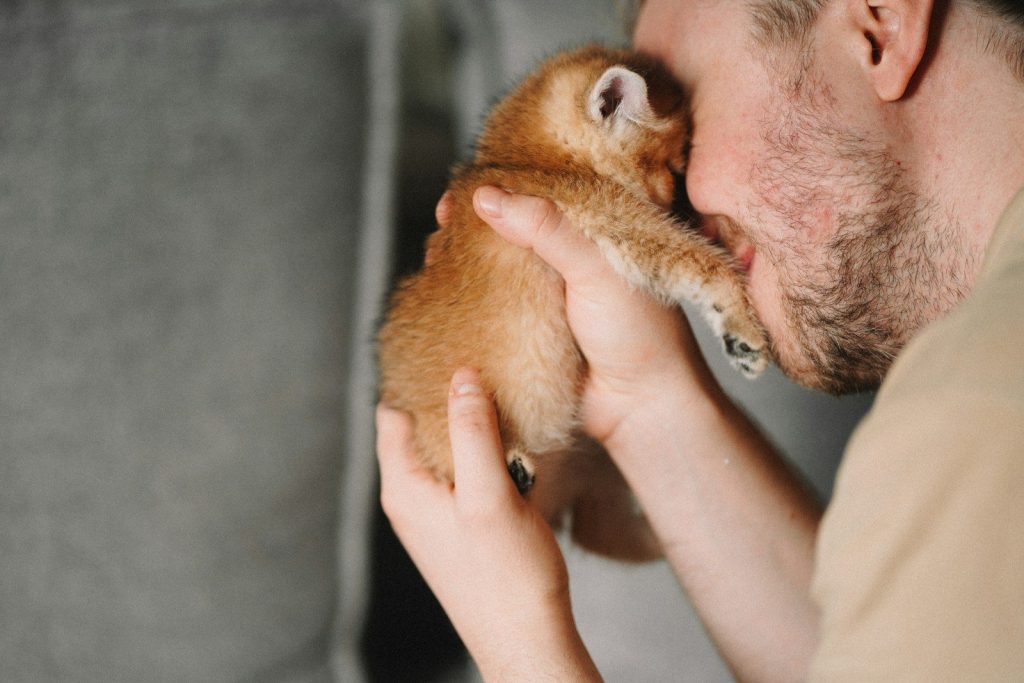
Picking up or moving young wildlife can create serious problems. Human scent, stress, and relocation may interfere with the parent’s ability to care for the animal properly.
In some cases, well-meaning rescues accidentally separate healthy young animals from their parents permanently. Wildlife experts warn that unnecessary intervention can reduce an animal’s chances of survival rather than improve them.
Officials emphasize a simple message: if the animal appears calm, alert, and uninjured, it is usually best to leave it alone.
What to Do If You Find a Baby Bird
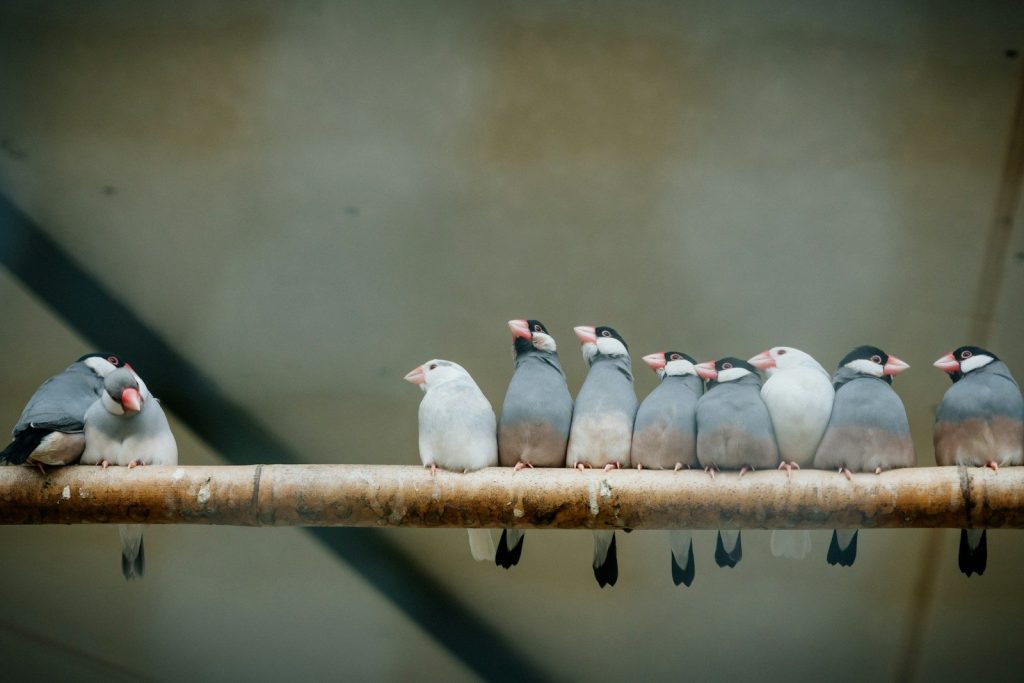
Not all young birds need rescuing. Nestlings, which are featherless or have closed eyes, may need help if they fall from the nest and cannot be safely returned. In those cases, wildlife rehabilitators should be contacted.
Fledglings are different. These young birds are feathered, mobile, and often found hopping on the ground while learning to fly. Their parents are typically still nearby feeding and protecting them.
Experts recommend watching from a distance instead of interfering.
Wildlife Diseases Remain a Concern
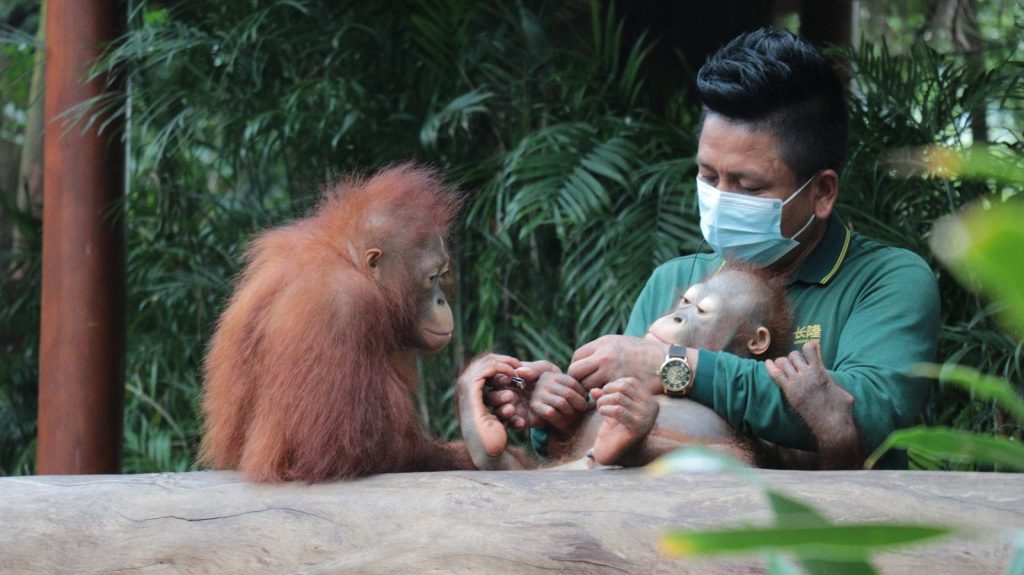
The DEC also reminded the public about diseases such as avian influenza and rabies. Wild animals can carry illnesses that pose risks to both people and pets.
Officials advise residents to avoid direct contact with bats, raccoons, foxes, and skunks, especially if the animals appear disoriented or behave unusually. Domestic pets should also be kept away from wildlife whenever possible.
Why Wild Animals Should Never Become Pets
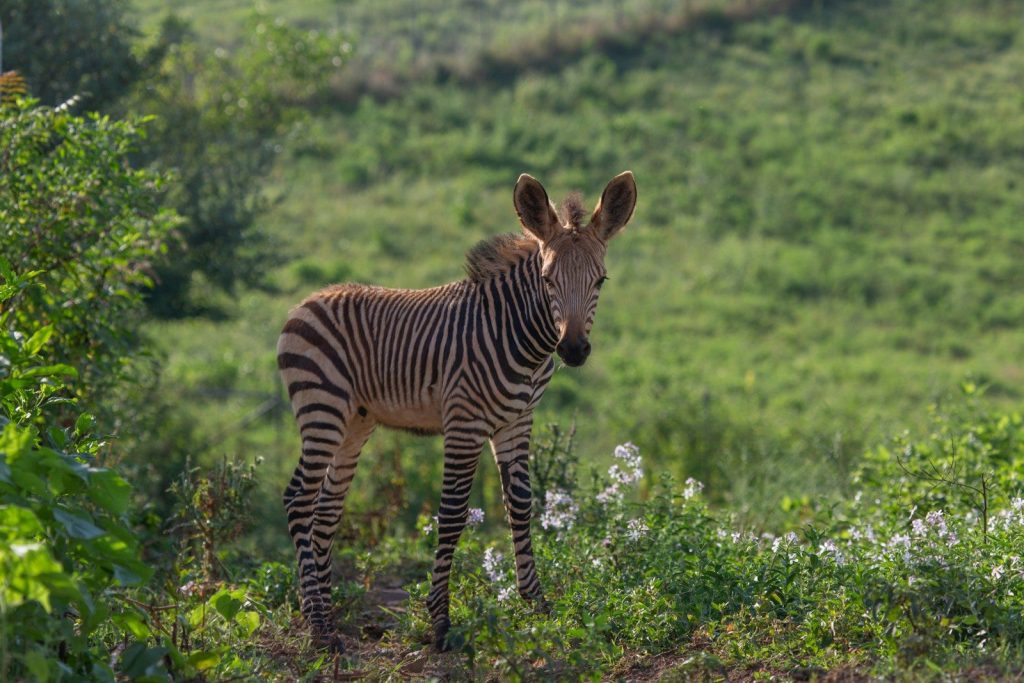
State officials stress that keeping wild animals without authorization is illegal and harmful. Wild species are not adapted to captivity and often suffer physically and psychologically when removed from their natural environment.
Licensed wildlife rehabilitators are specially trained to care for injured or orphaned animals and prepare them for release back into the wild.
A Simple Rule That Helps Wildlife Survive
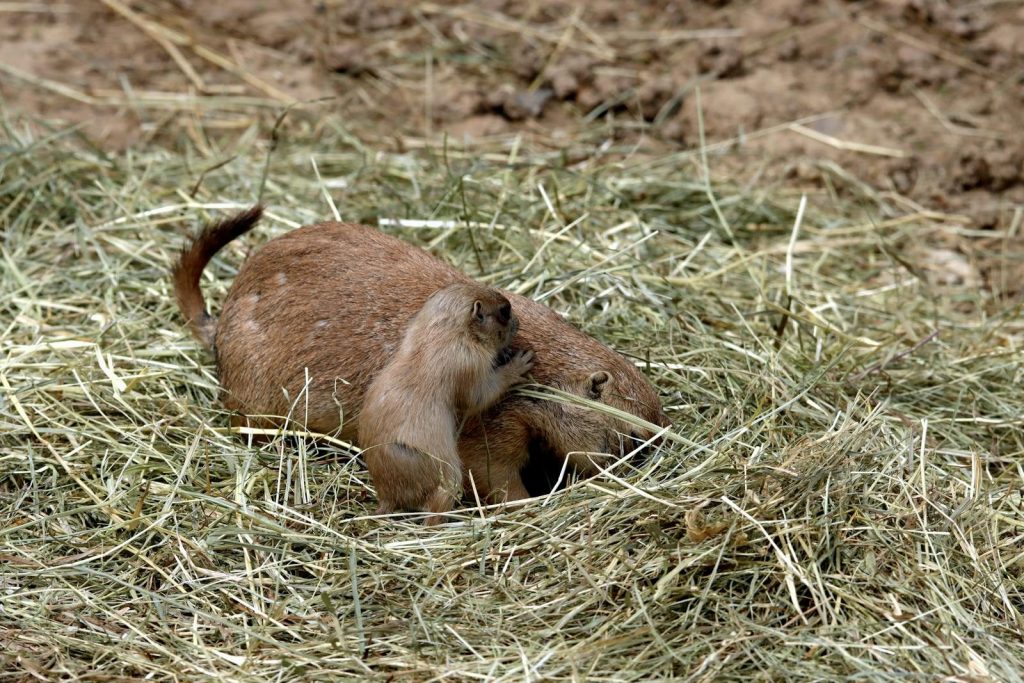
Wildlife experts say the best thing most people can do is surprisingly simple: keep their distance.
Spring is a critical season for young animals learning how to survive, and unnecessary human involvement can interrupt that process. The message from conservation officials remains clear: if you care, leave it there.