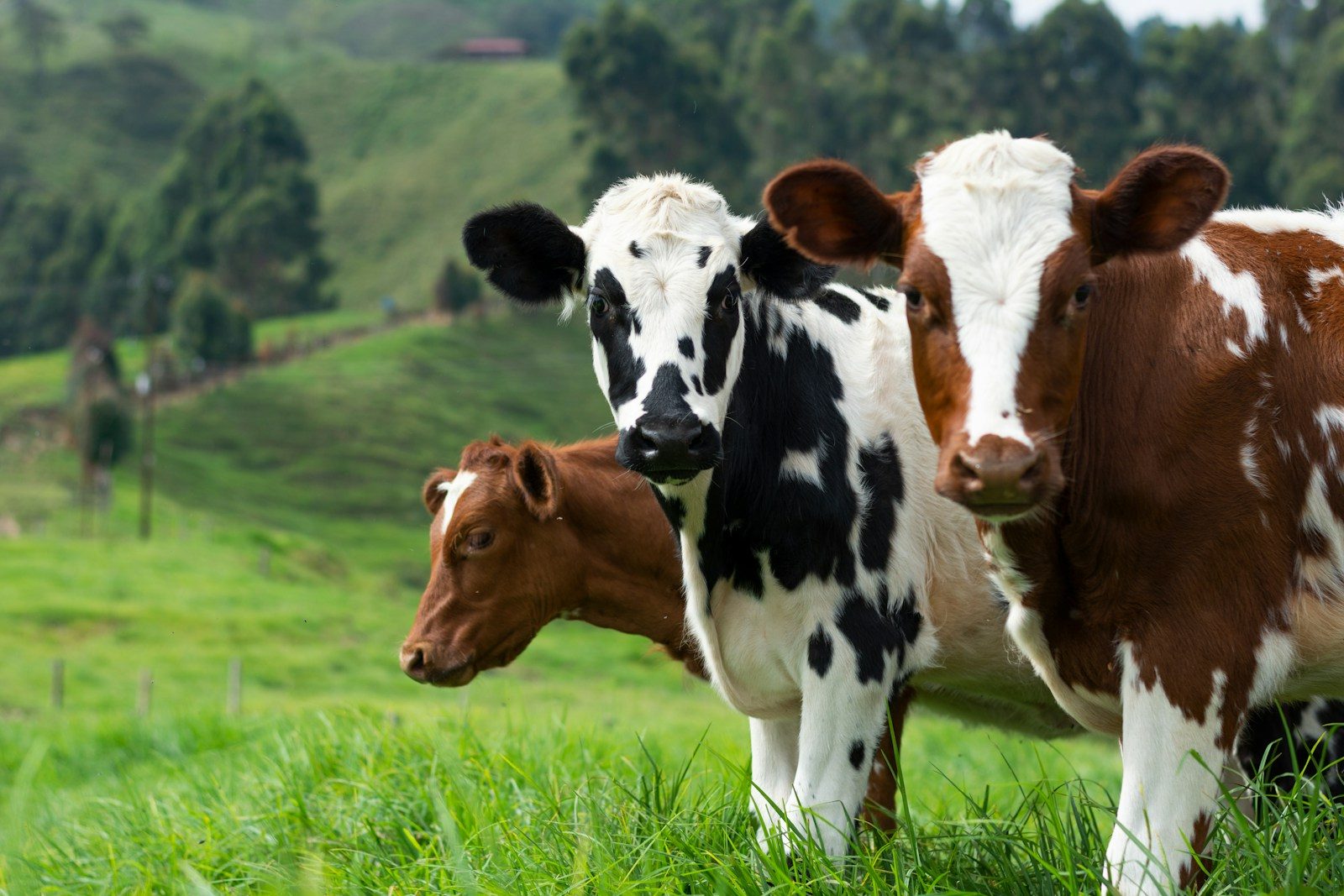
Farmers often focus on obvious causes when livestock performance declines, such as disease, parasites, or insufficient feed. However, veterinary experts are drawing attention to a more subtle issue that can significantly affect animal health and farm productivity without immediate warning signs.
Cobalt deficiency in grazing animals like cattle and sheep is emerging as a hidden nutritional problem that can gradually reduce growth, appetite, and overall performance. Because the symptoms develop slowly, the condition is often detected only after animals have already been impacted.
Cobalt Plays A Crucial Role In Livestock Health
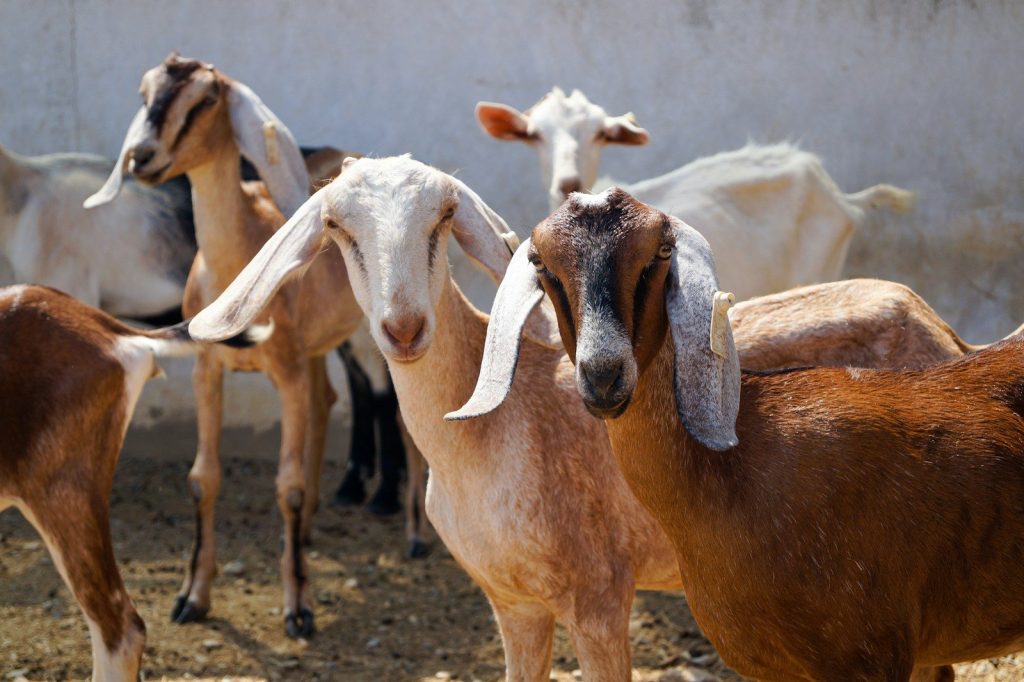
Although required only in trace amounts, cobalt is essential for the proper functioning of ruminant animals. It supports microbial activity in the rumen, which helps produce vitamin B12, a nutrient necessary for energy metabolism and healthy growth.
Without enough cobalt, animals may struggle to maintain normal bodily functions. This can lead to reduced efficiency in converting feed into body weight and overall poor condition.
Deficiency Symptoms Often Develop Gradually
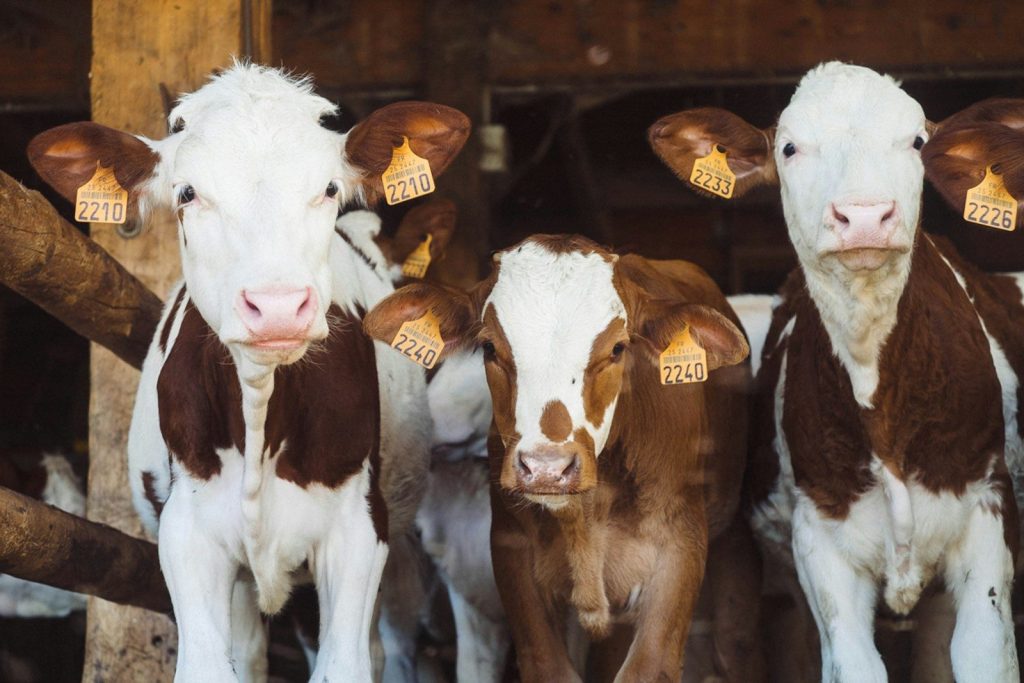
One of the challenges in identifying cobalt deficiency is that early symptoms are easy to overlook. Affected animals may initially show mild signs such as reduced appetite or slower growth rates.
As the deficiency progresses, weight loss, lethargy, and poor body condition may become more apparent. These signs are often mistaken for other nutritional or health issues, making diagnosis more difficult.
Soil And Seasonal Conditions Influence Risk Levels
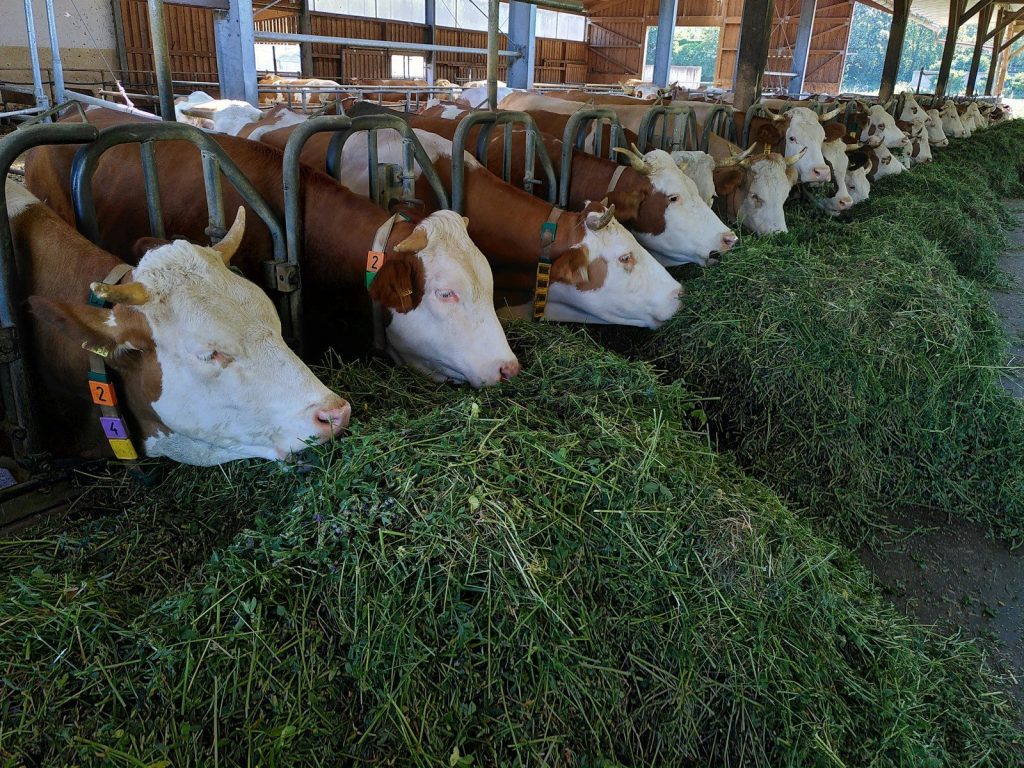
Cobalt availability in livestock feed is largely determined by the mineral content of the soil where plants grow. Regions with naturally low cobalt levels are more likely to experience deficiency problems in grazing animals.
Seasonal changes can further influence pasture quality and mineral intake. During certain periods of the year, animals may receive even less cobalt from available forage.
Young Animals Are Especially Vulnerable

Growing livestock have higher nutritional demands, making them more sensitive to mineral imbalances. Young animals affected by cobalt deficiency may show stunted growth and reduced development compared to healthy peers.
If not addressed early, these effects can have long term impacts on productivity. This makes early monitoring especially important in herds with young stock.
Prevention Through Supplementation Is Widely Recommended
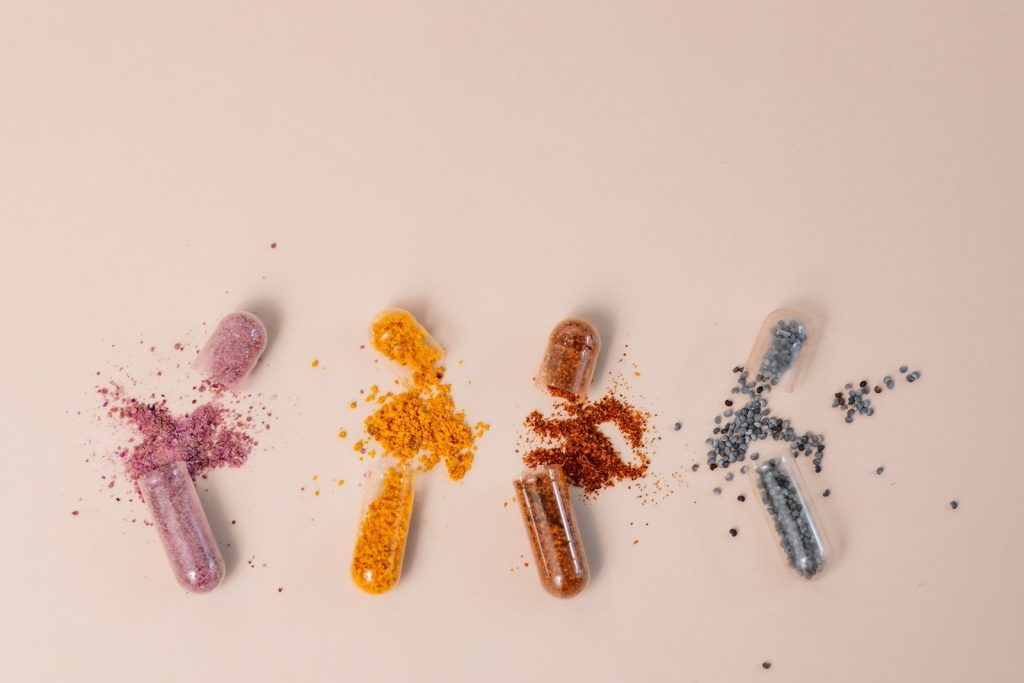
Veterinarians emphasize prevention over treatment when it comes to cobalt deficiency. Supplementation methods such as mineral mixes, fortified feeds, and rumen boluses can help maintain adequate nutrient levels.
The most effective strategy often depends on farm conditions and local soil characteristics. Regular veterinary guidance can help farmers choose the right approach for their livestock.