The familiar claim that “a bee dies after it stings” needs one important correction. It applies mainly to worker honey bees when their barbed stinger becomes lodged in tough, elastic skin such as that of a mammal.
The sting can tear away part of the worker’s abdomen as she escapes. Other bees, including queens, have different stinging anatomy and do not necessarily suffer the same fate.
Worker Bee Stinger
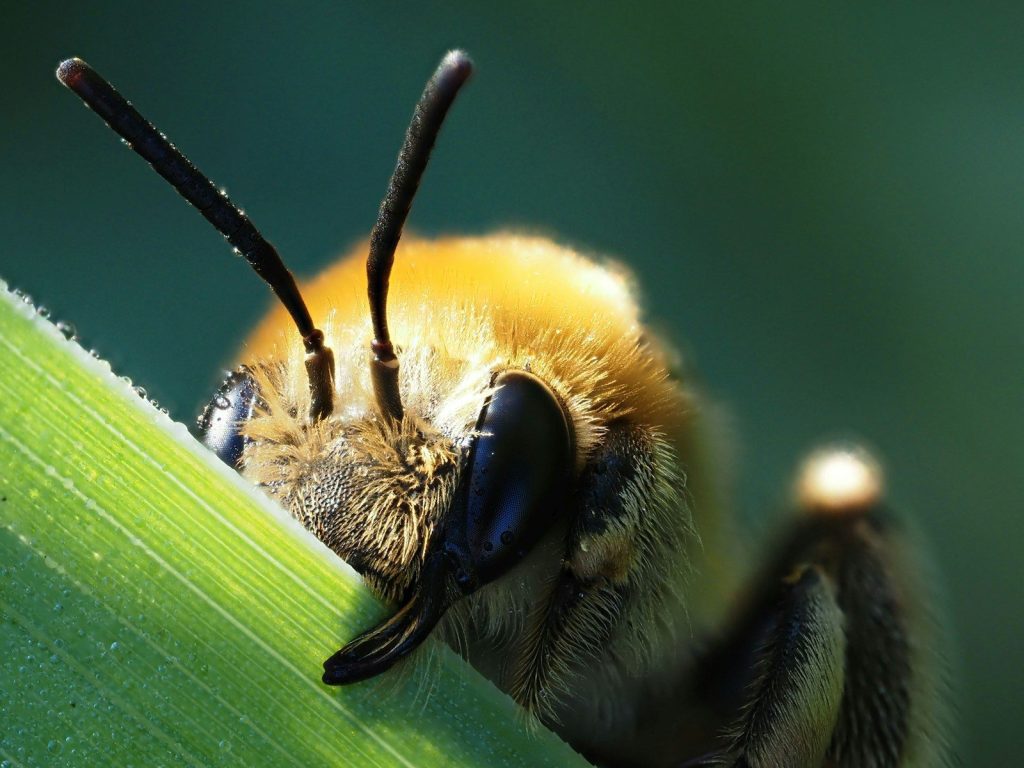
Only female honey bees possess stingers. Worker bees use theirs primarily in colony defense when they perceive a serious threat near the hive or when physically trapped or handled.
The stinger is a modified egg-laying structure, which is why male drones cannot sting. A worker’s defensive system includes not only the penetrating apparatus but also associated muscles, venom structures, and chemical signals that help defend a colony containing valuable brood and food stores.
Barbed Sting
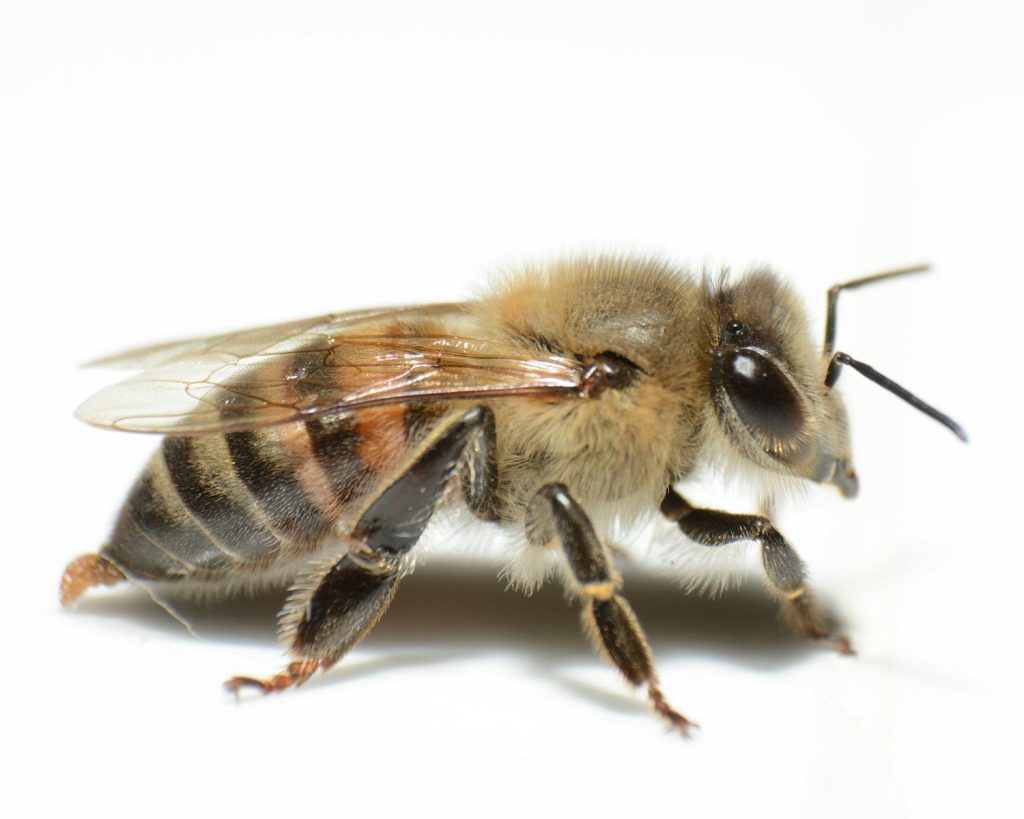
A worker honey bee’s stinger contains barbed lancets. These structures can catch firmly in thick, elastic mammalian skin, making withdrawal difficult once the sting apparatus has penetrated.
The barbs are central to the worker’s unusual fate. If the stinger remains embedded while the bee tries to fly away, the apparatus can be pulled from her body. This is very different from the smooth withdrawal people may imagine after seeing other stinging insects escape unharmed.
Mammal Skin
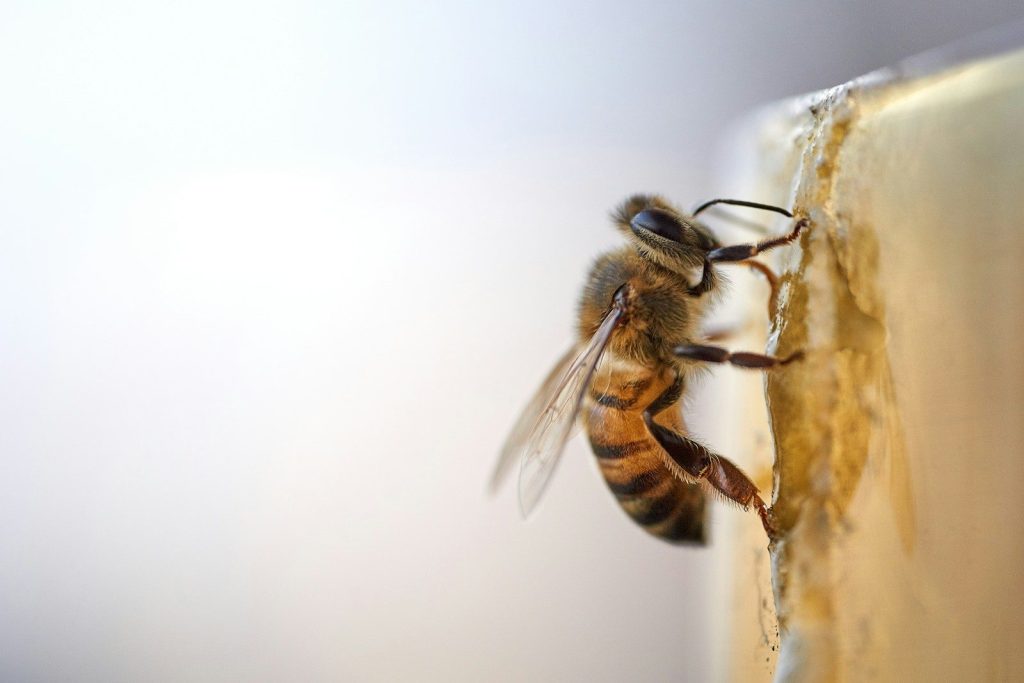
Worker honey bees do not necessarily lose their stingers every time they use them. The fatal outcome is particularly associated with stinging animals whose skin grips the barbed apparatus strongly enough to prevent normal withdrawal.
Against some other insects, the worker may be able to withdraw the stinger rather than leaving it behind. That is why “every sting kills every bee” is inaccurate. The result depends partly on what surface has been penetrated and whether the stinger becomes firmly lodged.
Stinger Autotomy

When a worker pulls away while the stinger remains trapped, the sting apparatus can separate from the abdomen. Biologists call this autotomy: deliberate or mechanically triggered loss of a body part as part of a defensive system.
The injury is severe because associated tissues are torn away with the apparatus. Research following stung worker bees found that death was not necessarily instantaneous; affected bees survived for varying periods afterward, commonly dying hours rather than seconds later.
Venom Sac
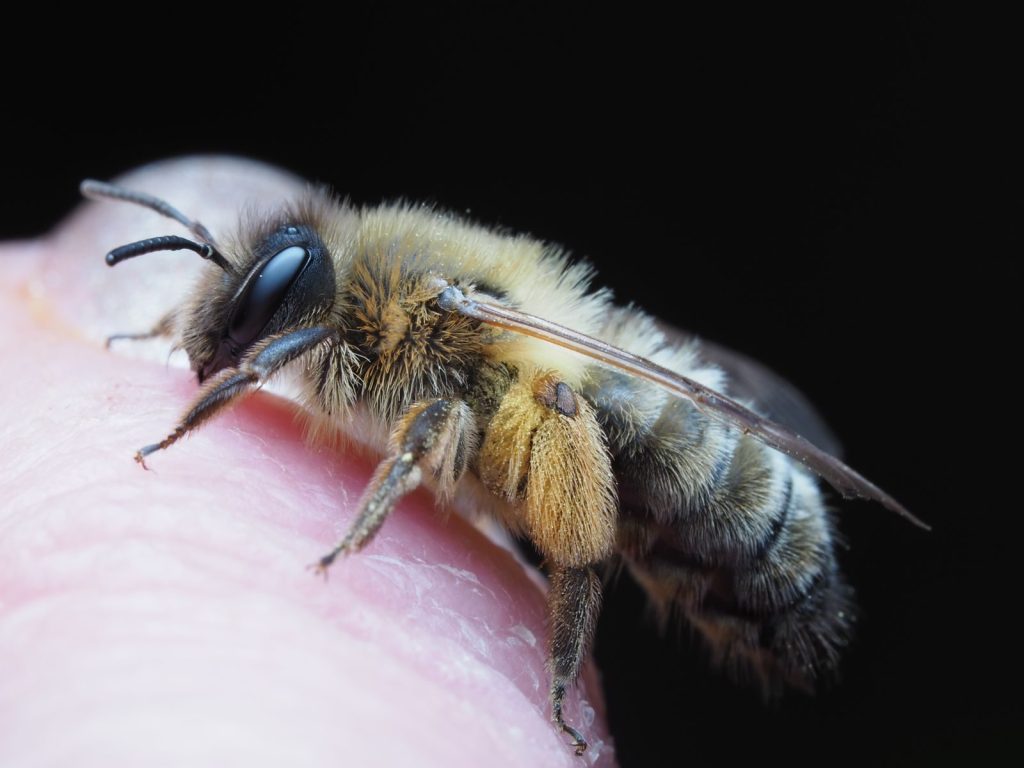
The detached sting apparatus can continue delivering venom for a short time because it includes muscles and a venom reservoir that remain active after separating from the bee. That makes prompt stinger removal important after a honey bee sting.
The key is removing it quickly rather than spending time debating whether scraping or pinching is theoretically perfect. Delaying allows more venom to enter. Anyone showing signs of a severe allergic reaction after a sting needs immediate emergency medical treatment.
Worker Bee Death
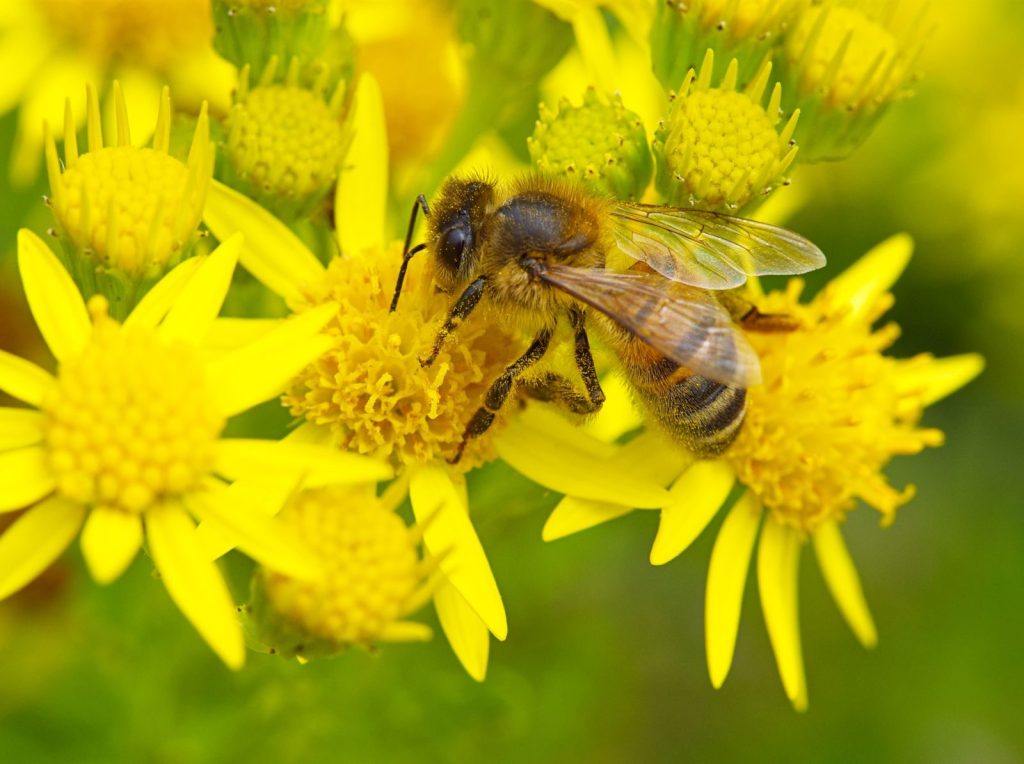
The worker does not die because the venom is somehow poisonous to her. The fatal problem is the massive physical injury produced when the sting apparatus and associated abdominal tissues are torn from the body.
A 2023 anatomical study documented workers surviving from roughly 18 to 114 hours after stinger autotomy under experimental observation. That finding corrects the common image of a bee dropping dead the instant it escapes from the animal it has stung.
Queen Bee Stinger
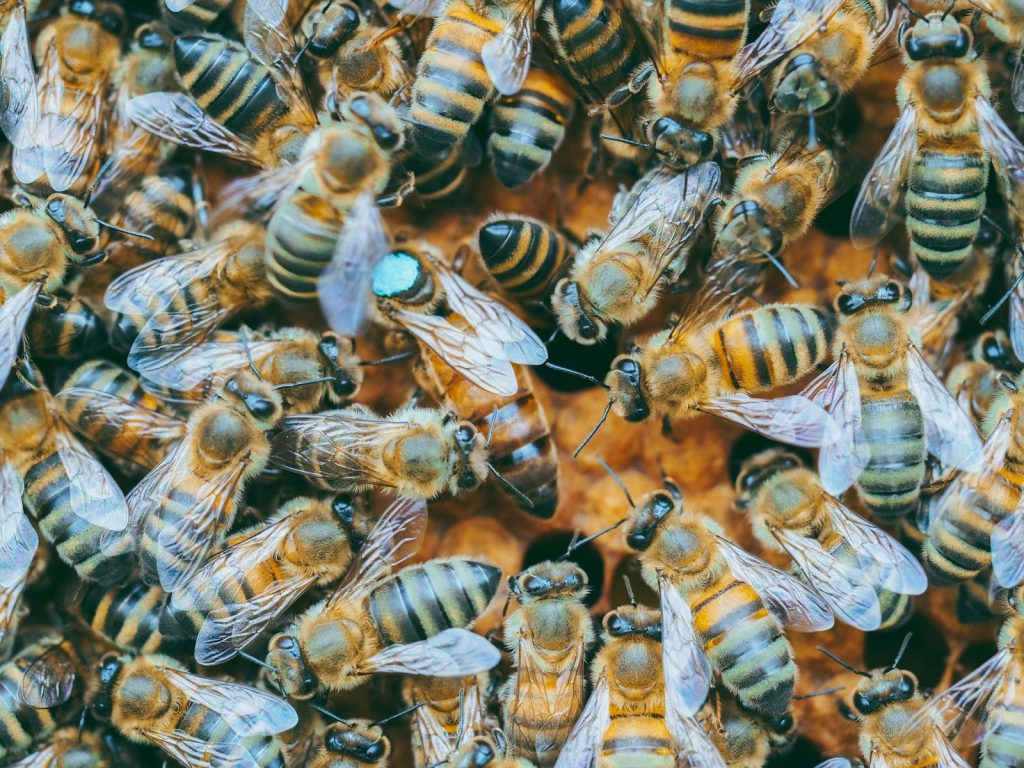
Queen honey bees also have stingers, but their anatomy and normal use differ from those of workers. A queen’s stinger is less strongly barbed and can be used repeatedly without the same routine loss of the entire apparatus.
Queens generally use stinging in conflicts with rival queens rather than flying outside to defend people-sized threats around the hive. The worker’s expendable defensive role is therefore tied closely to colony protection, while the queen’s biological role centers on reproduction.
Colony Defense
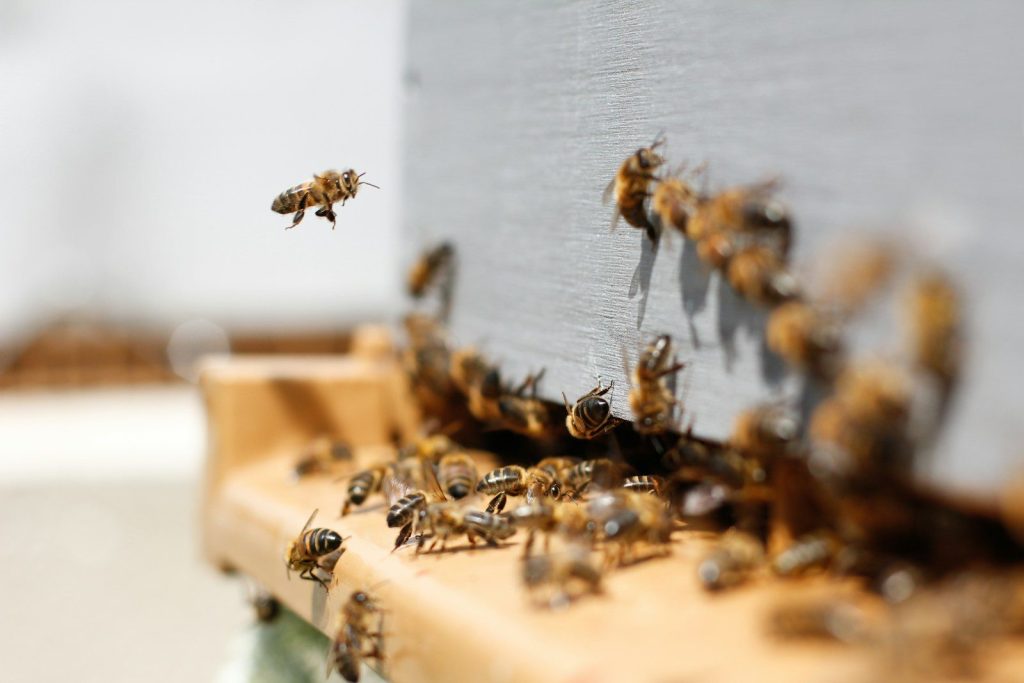
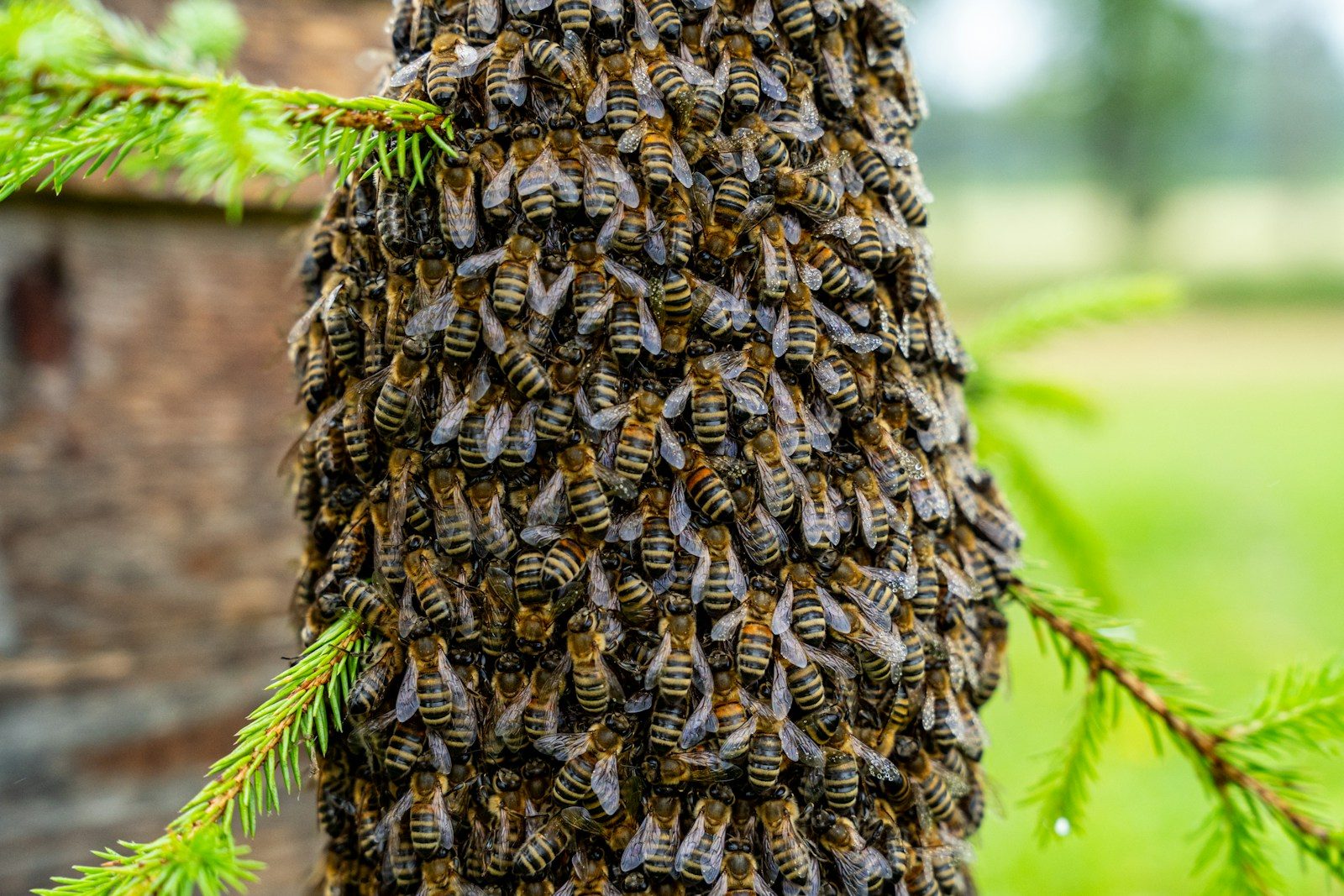
From the perspective of one worker, losing the stinger is catastrophic. From the colony’s perspective, however, thousands of closely related workers collectively protect the queen, brood, stored honey, pollen, and nest structure.
Natural selection can therefore favor a defense that is extremely costly to an individual worker if it helps protect relatives and the colony’s reproduction. The worker is not consciously choosing to sacrifice herself; the mechanism is an evolved anatomical defense triggered during stinging.
Featured Image: Photo by Aykut Özen on Pexels