Dogs are known for their emotional bond with humans, but recent scientific research suggests something even more surprising: they may actually produce tears when reunited with their owners. These tears are believed to be linked to positive emotions rather than pain or irritation.
While dogs do not cry in the same emotional way humans do, studies show that their tear production can increase in moments of excitement and reunion.
Scientific Discovery Behind Dog Tears

Researchers have found that dogs produce more tears when they are reunited with their owners compared to when they meet familiar non-owners. This suggests the response is tied specifically to emotional bonding.
The study used controlled experiments to measure tear volume in dogs before and after reunion events. The results showed a clear increase when the dog saw its owner again.
Role of the “Love Hormone” Oxytocin

Scientists believe oxytocin, often called the “love hormone,” plays a key role in this reaction. It is released in both humans and dogs during bonding interactions.
When oxytocin levels rise, tear production in dogs also increases. This connection suggests that emotional attachment may directly influence physical responses.
How Dogs React During Reunions
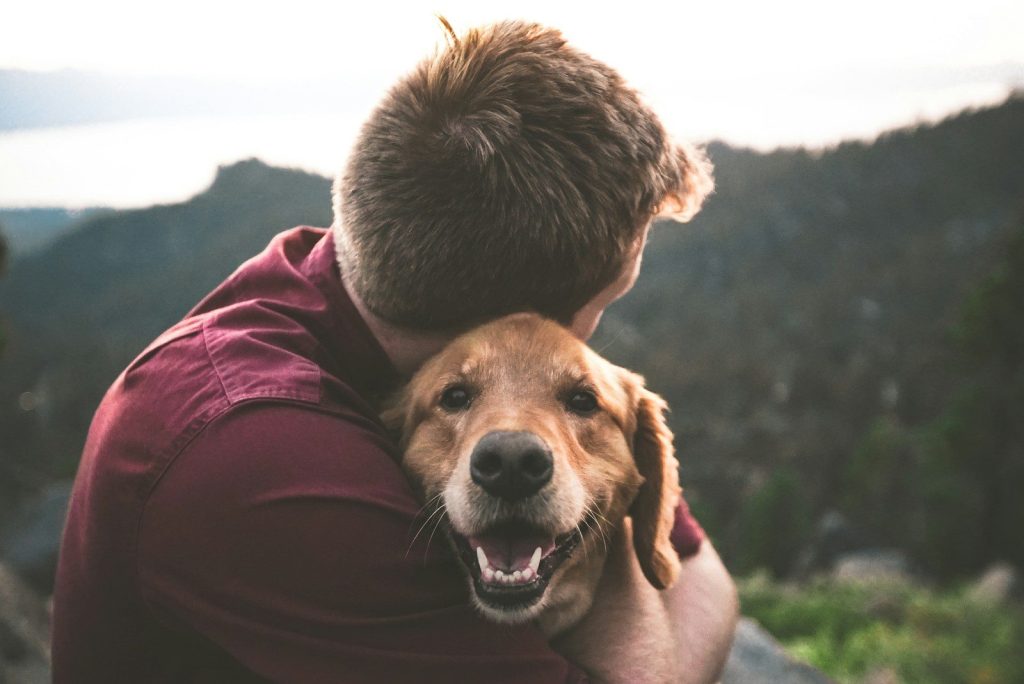
When dogs are reunited with their owners after separation, they often show excitement through tail wagging, jumping, and close physical contact. Tear production may be another subtle part of this emotional response.
However, the tears do not fall like human emotional crying. Instead, they appear as increased moisture in the eyes.
Why Tears May Strengthen Human Bonds

Interestingly, studies suggest that humans respond more positively to dogs with visible tears. This may increase caregiving behavior and emotional attachment.
This creates a feedback loop where emotional expression strengthens the bond between dogs and their owners. It may have evolved to improve communication between species.
Not All Tears Mean Sadness

It is important to understand that tear production in dogs is not necessarily linked to sadness. Tears can also be caused by irritation, allergies, or environmental factors.
The study specifically focuses on emotional arousal during positive reunion moments. This distinguishes it from medical or physical causes.
What This Means for Dog Behavior Science

This discovery adds to growing evidence that dogs experience complex emotional states. It also shows how deeply they are connected to human emotions and interactions.
Scientists continue to study how animal emotions work and how they compare to human emotional responses.