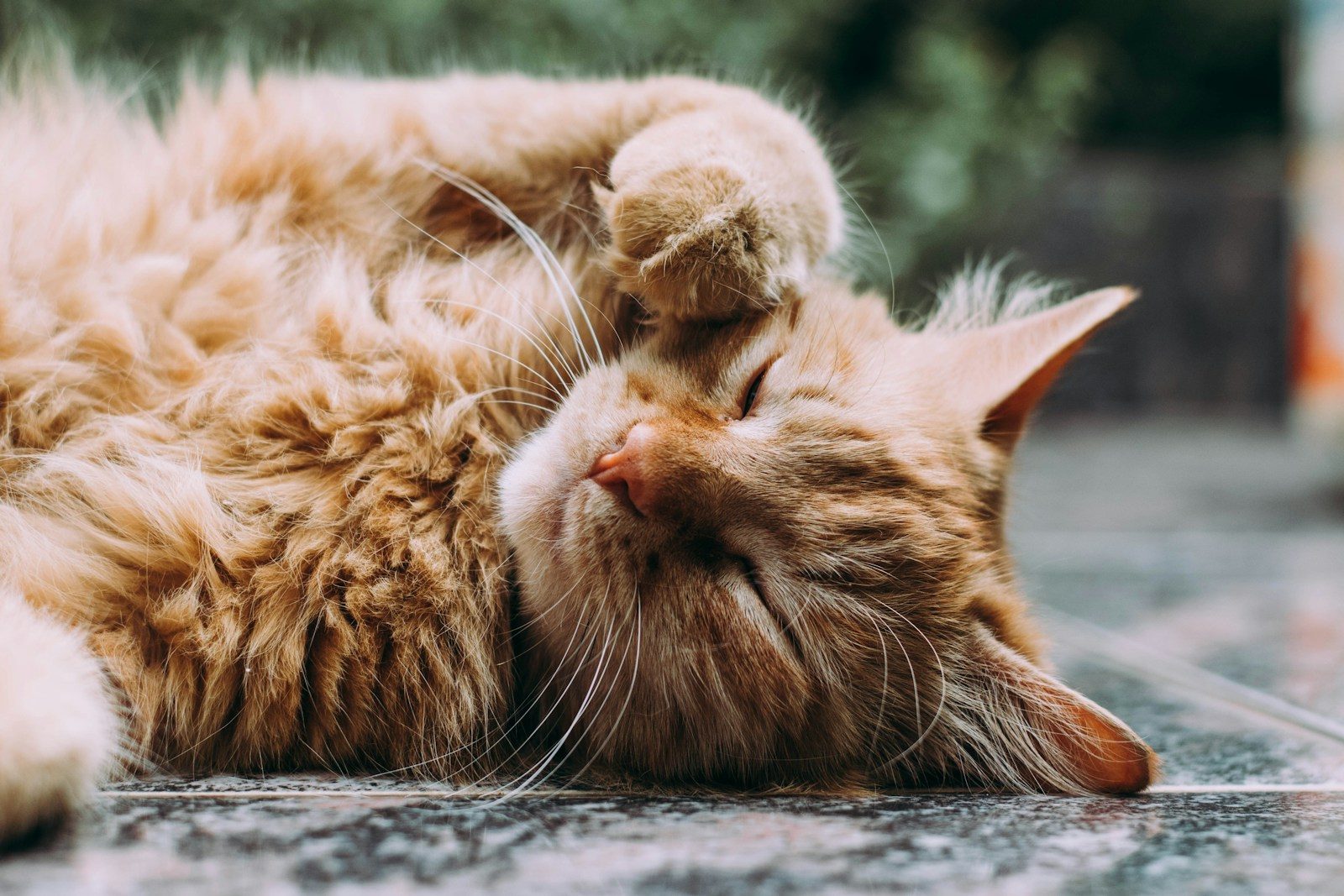
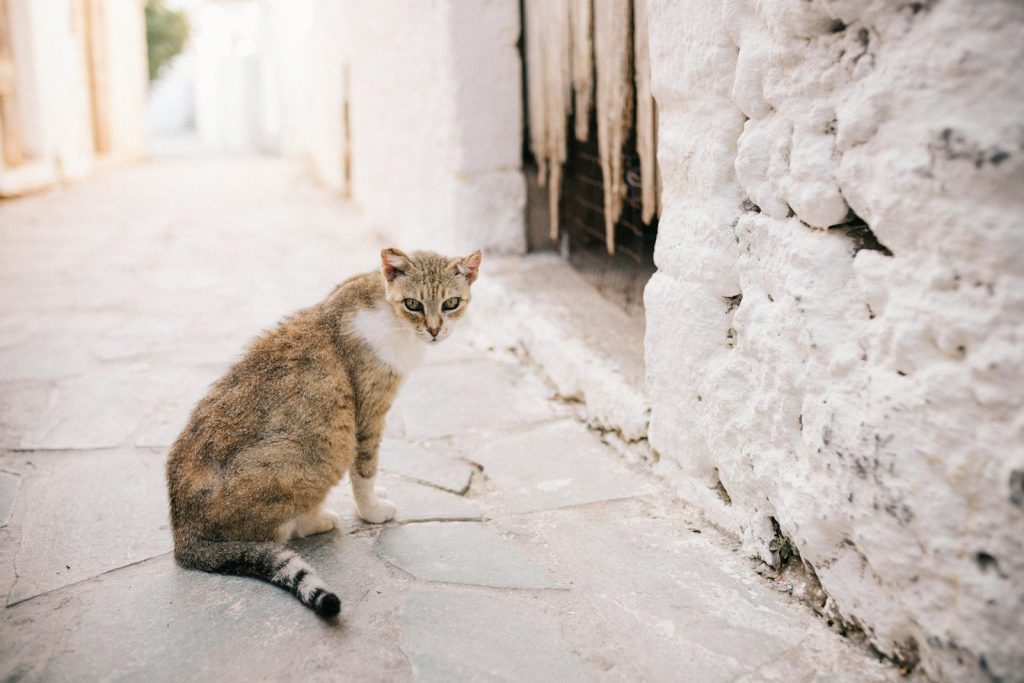
Cats are among the most common household pets, but their presence in the environment has sparked debate among scientists and pet owners. The concern is not about pet cats living indoors, but rather how free-roaming cats interact with wildlife.
The environmental impact of cats depends largely on how they are kept and managed. While they are beloved companions, their natural instincts can create challenges for ecosystems when they roam outdoors.
Outdoor Hunting and Wildlife Pressure
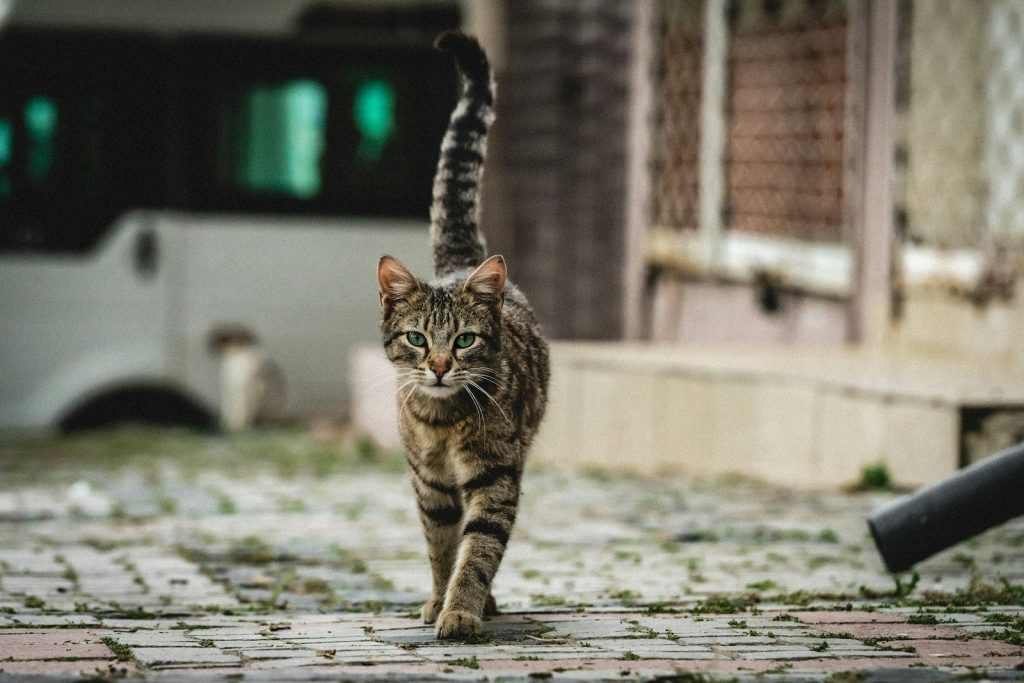
Cats that are allowed to roam freely are natural hunters and can significantly affect local wildlife populations. Birds, small mammals, and reptiles are often part of their hunting behavior.
In some regions, studies suggest that free-ranging cats contribute to declines in native species. This impact is especially serious in areas where wildlife is already vulnerable.
Indoor Cats and Reduced Impact
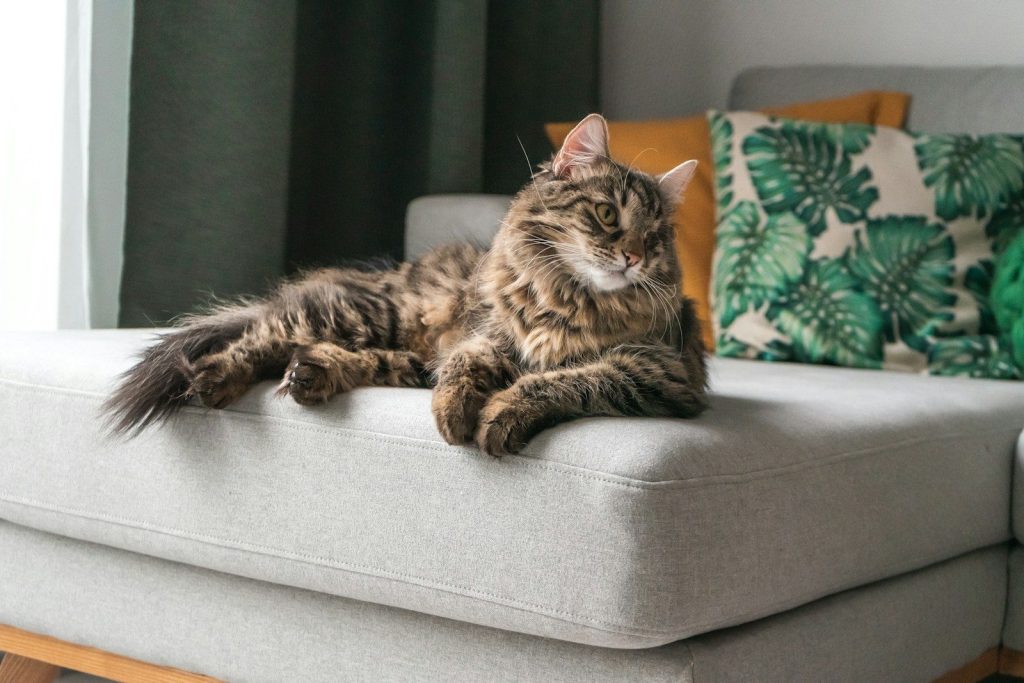
Indoor cats have far less direct impact on wildlife because they do not hunt outdoors. This makes them a more environmentally safe option in terms of biodiversity protection.
However, they still have an indirect footprint through food production and waste management. Even so, this impact is much smaller than the ecological effects of outdoor hunting.
Effects on Bird Populations
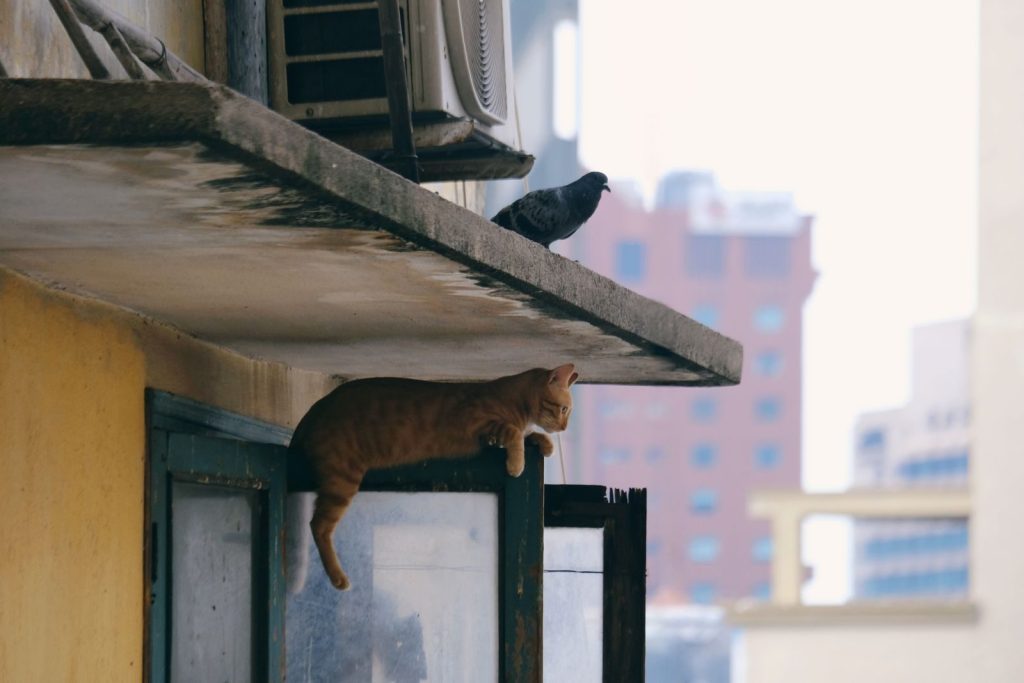
Bird species are particularly affected by outdoor cats due to their vulnerability and ground-level nesting habits. Even well-fed cats may hunt due to instinct rather than hunger.
This can lead to reduced bird populations in urban and suburban areas. Managing outdoor access is one way to reduce this pressure.
Disease and Ecosystem Concerns
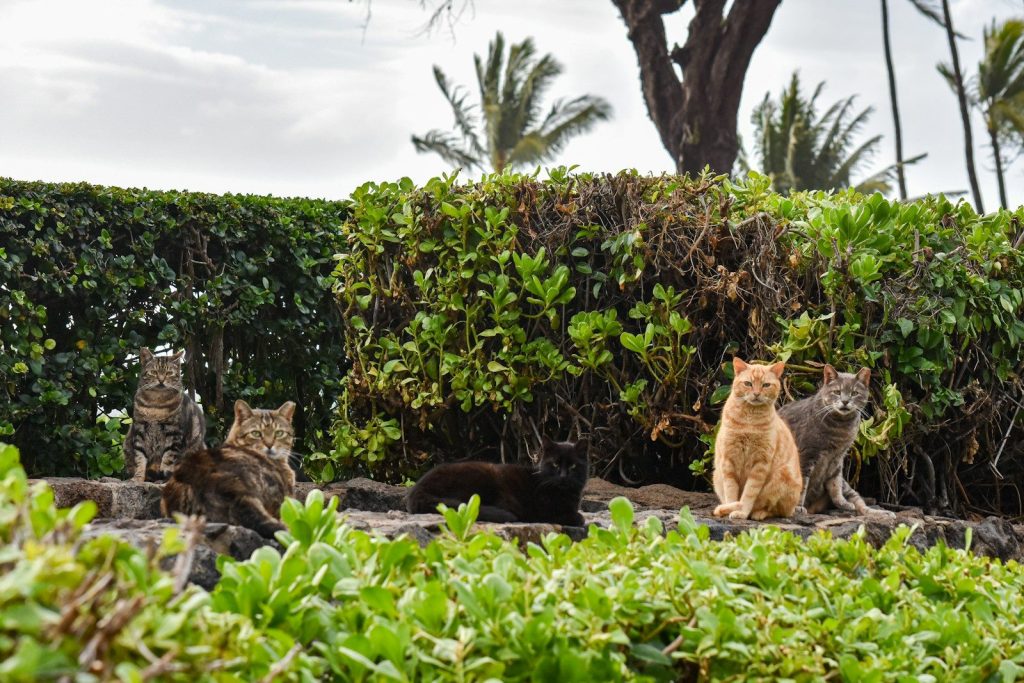
Free-roaming cats can also contribute to the spread of parasites and diseases that affect wildlife. One example is toxoplasmosis, which can impact birds and marine life.
These indirect effects add to their ecological influence beyond direct hunting. It shows how one species can affect multiple parts of an ecosystem.
Responsible Pet Ownership Practices
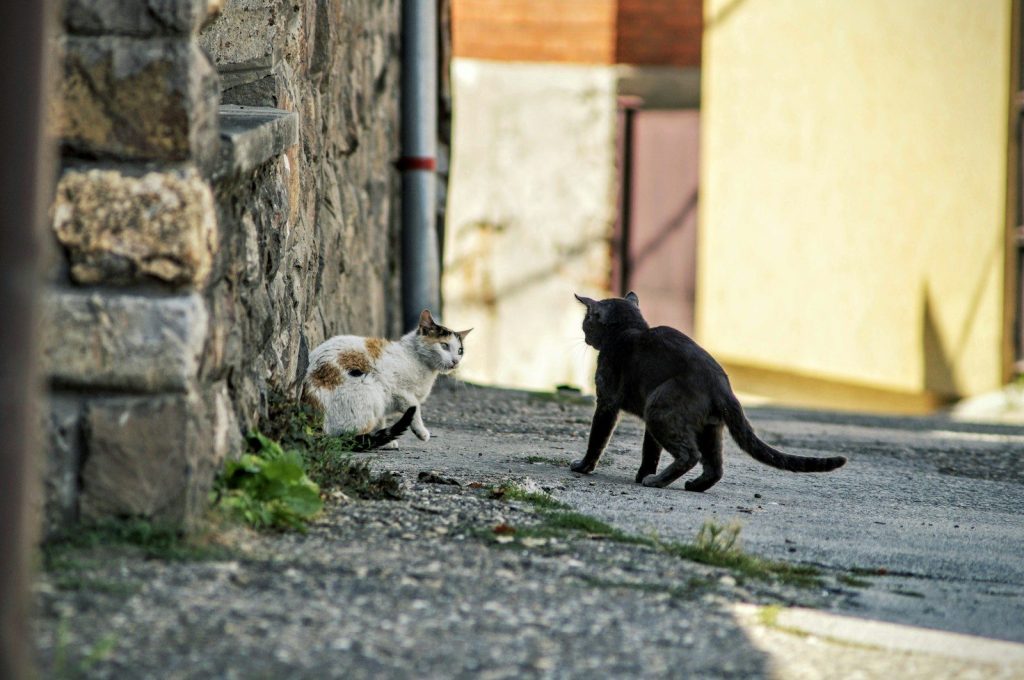
There are several ways to reduce the environmental impact of cats while still keeping them as pets. Indoor living, leash training, and enclosed outdoor spaces are common solutions.
These practices allow cats to stay safe while minimizing harm to wildlife. Responsible ownership plays a key role in balancing both concerns.
Why This Issue Is Debated
The discussion around cats and the environment is complex because it involves both conservation and animal welfare. Some focus on protecting wildlife, while others emphasize freedom for pets.
Most experts agree that management strategies can significantly reduce environmental impact. The key lies in finding a balance between nature and pet care.