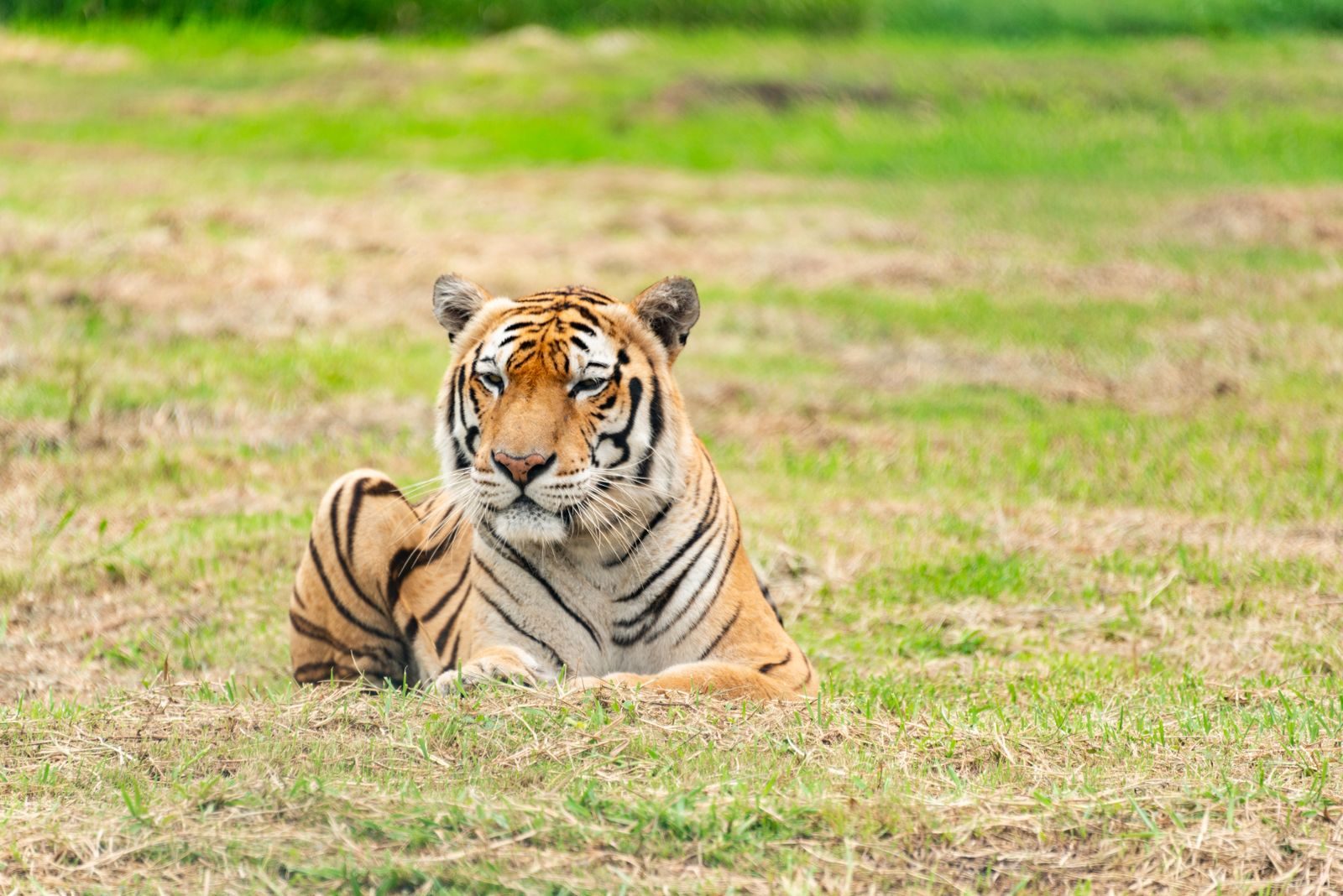
Zoppa, a 14-year-old tiger living at the Wildheart Animal Sanctuary on England’s Isle of Wight, was euthanized on August 6, 2026. Her sanctuary said chronic problems linked to an old untreated fracture had finally reduced her mobility and quality of life.
Her eight years at the sanctuary followed a difficult early life in a Spanish circus. The decision came after veterinary assessment, not immediately after her rescue.
Zoppa the Tiger
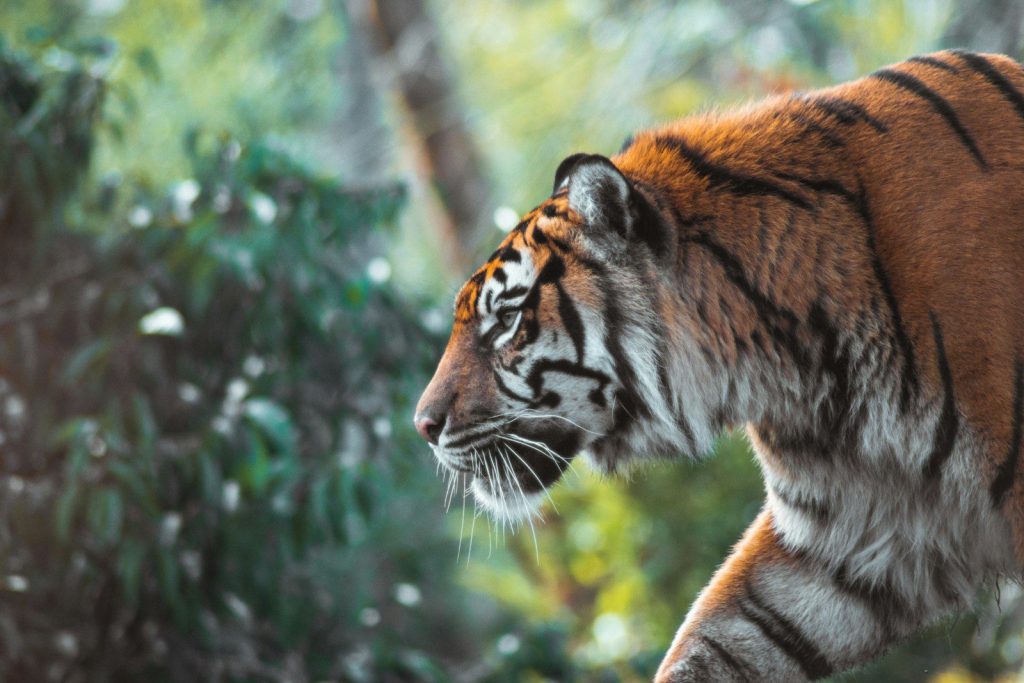
Zoppa was born in a Spanish circus on May 22, 2012. During her early life, she fractured a front leg. The sanctuary says the injury was never treated at the time, leaving a permanent disability.
Her resulting limp became so characteristic that her name reflected it: “Zoppa” is an Italian word associated with limping or lameness. The disability remained with her throughout life even after she eventually received specialized veterinary and sanctuary care.
Untreated Leg Fracture
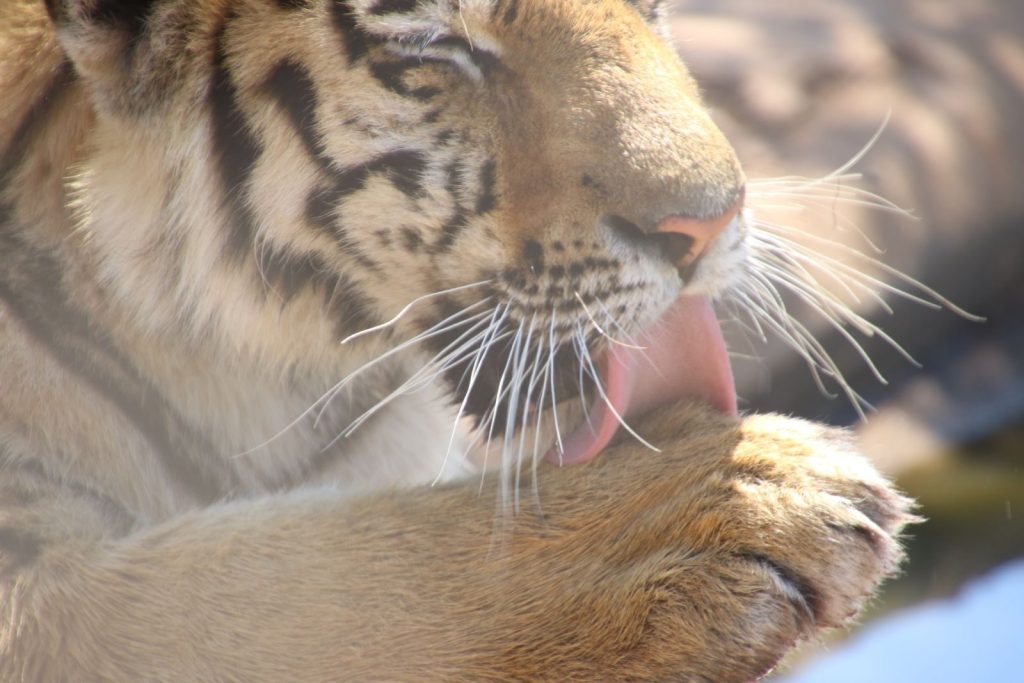
Later veterinary examinations in Spain and Britain found that Zoppa’s old fracture could no longer be surgically repaired. Her care team therefore had to manage the consequences rather than restore the leg to normal function.
A permanent mobility problem does not automatically mean an animal must immediately be euthanized. Welfare decisions depend on pain, movement, behavior, appetite, ability to interact with the environment, and whether treatment still allows an acceptable quality of life.
Circus Tiger Rescue

In September 2017, Zoppa and four other circus tigers—Natasha, Antonella, Girona, and Mondo—were rescued by AAP Primadomus in Spain. They underwent rehabilitation before another permanent home became available.
The group represented animals whose lives had been shaped by the entertainment industry rather than natural tiger habitat. Rehabilitation could not erase Zoppa’s old injury, but it provided the opportunity to manage her condition in a setting designed around animal welfare instead of performance.
Isle of Wight Home

Zoppa arrived at what was then the Isle of Wight Zoo in June 2018. The facility later became the Wildheart Animal Sanctuary, where she remained for the final eight years of her life.
Her enclosure and daily management were adapted to the disability in her front leg. Sanctuary staff said she continued showing normal tiger behaviors for many years despite the limp, allowing them to manage rather than immediately end her life because of the old injury.
Specialized Tiger Care
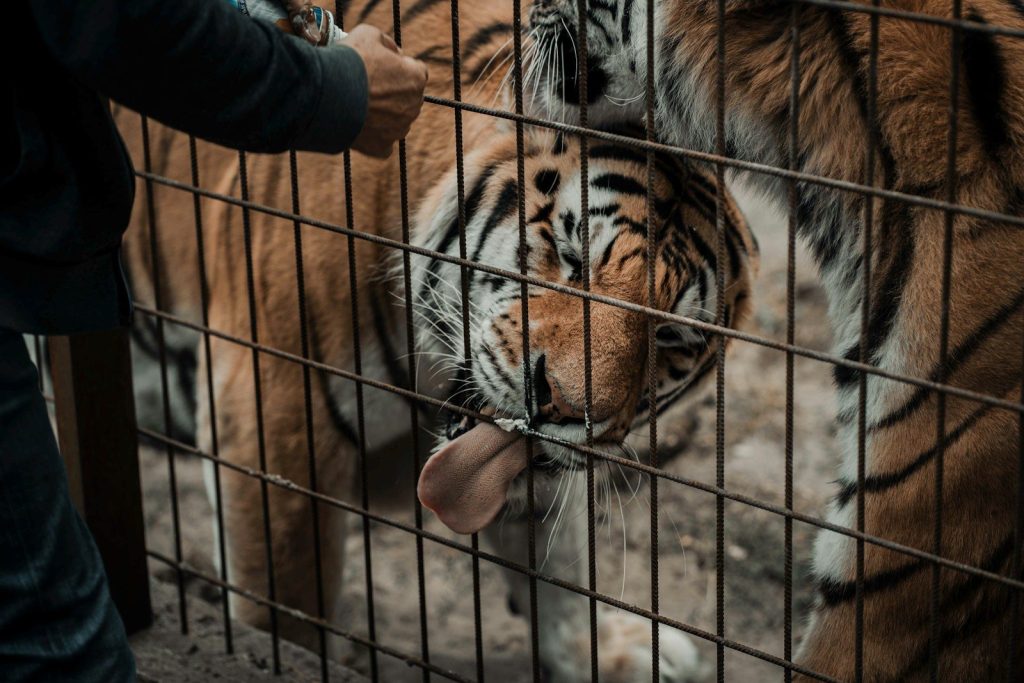
Zoppa’s care included habitat adaptations, modified feeding and enrichment, pain management, and later regular physiotherapy. The sanctuary says treatments included massage, infrared laser therapy, and electromagnetic pulse therapy as part of managing her mobility.
She was also trained to cooperate with carers during medication, monitoring, and treatment. Cooperative husbandry can reduce the need for force or anesthesia during routine care, making it especially useful for a large predator requiring repeated medical attention.
Swimming and Enrichment
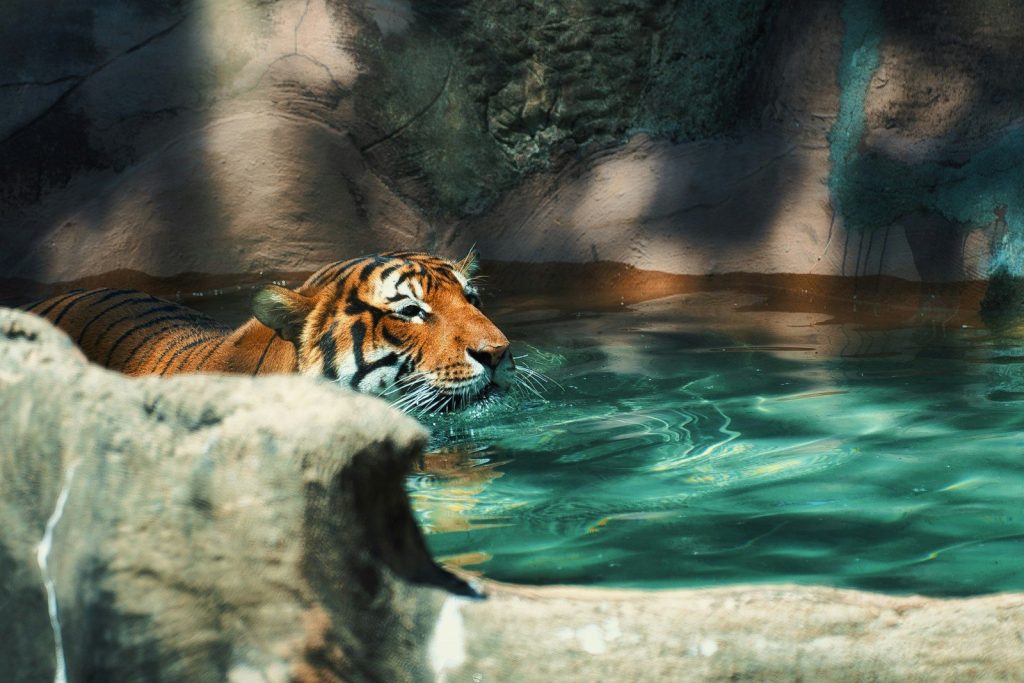
For much of her sanctuary life, Zoppa remained active despite her disability. Staff described her swimming, manipulating enrichment objects, and using a wobble bridge designed partly around her physical needs.
Those observations mattered because quality of life involves more than the existence of a medical diagnosis. A chronically disabled animal may still eat, explore, interact, rest comfortably, and perform meaningful behaviors. The challenge is recognizing when that balance changes and continued treatment no longer controls suffering adequately.
Mobility Declines
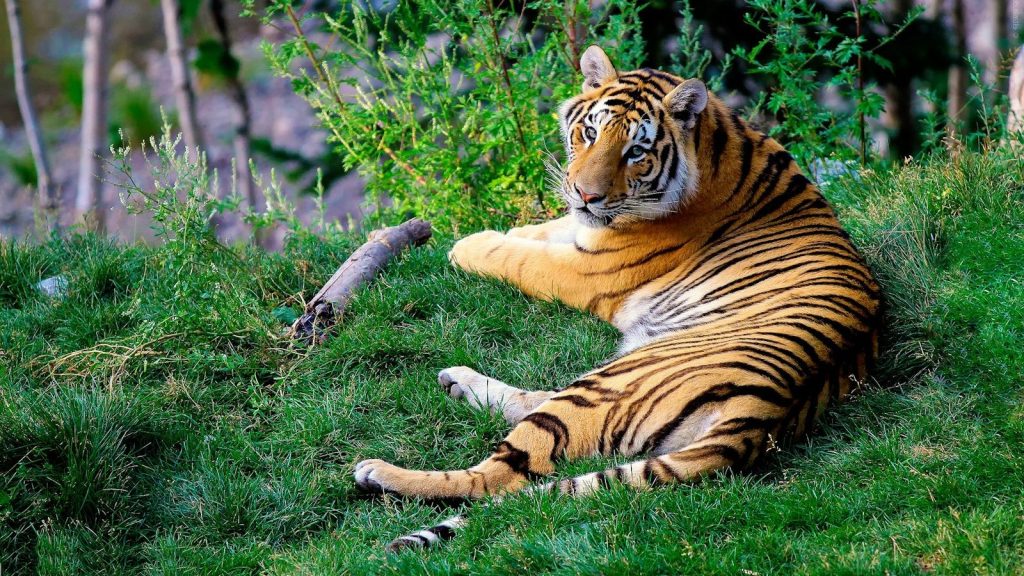
As Zoppa aged, problems associated with the damaged leg became harder to manage. By August 2026, the sanctuary said her pain, discomfort, mobility, and overall quality of life had deteriorated enough to cause serious welfare concerns.
Veterinary and care teams conducted an extensive assessment before deciding euthanasia was the most compassionate option. The crucial point is that the same injury she had lived with for years eventually became more difficult for an aging body to compensate for.
Zoppa’s Final Day
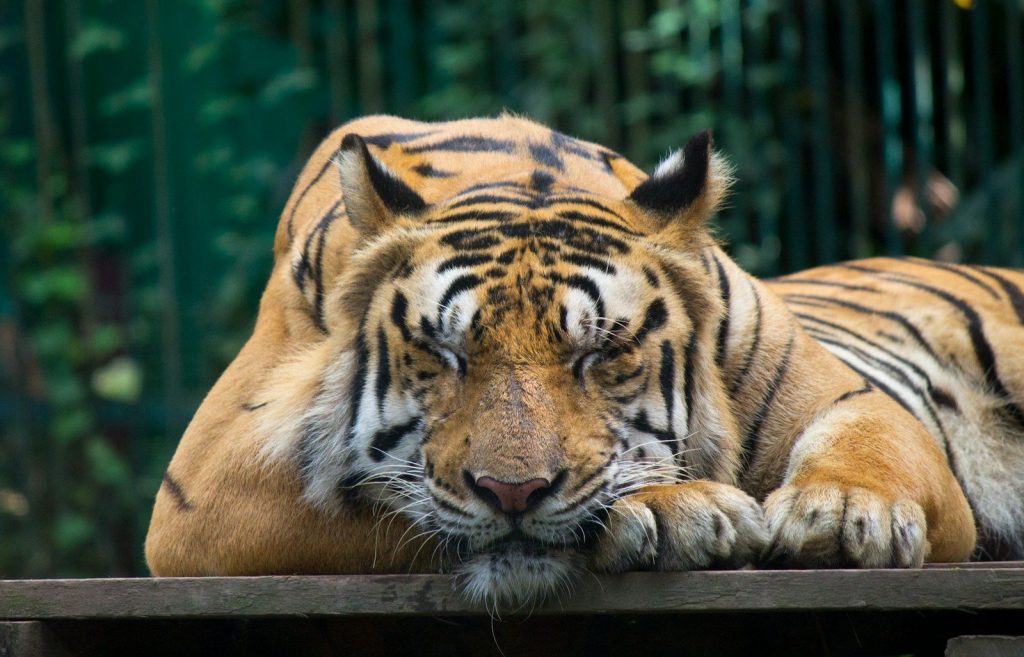
Zoppa was put to sleep on Thursday, August 6, 2026, at age 14. The sanctuary emphasized that the decision was made to prevent unnecessary suffering after years of managing an irreversible disability.
Her story therefore should not be compressed into “rescued tiger was euthanized” as though rescue failed. Zoppa spent eight years in sanctuary care after leaving circus life. Euthanasia came only when her carers and veterinary team concluded that maintaining an acceptable quality of life was no longer possible.
Featured Image: Photo by Diego F. Parra on Pexels