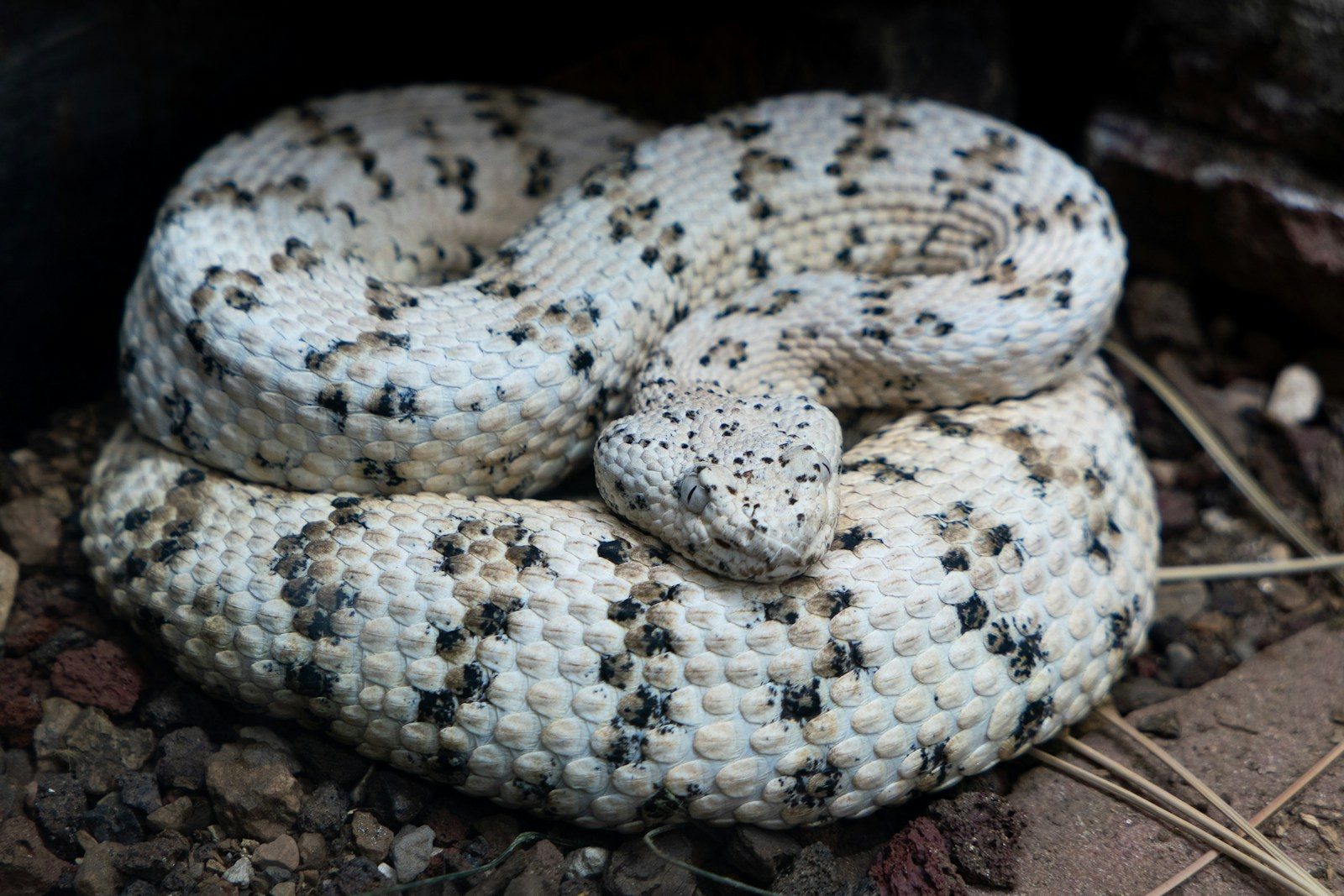
Snakes across the United States vary widely in size, behavior, and danger level, but one species consistently stands out for the sheer number of serious bites it causes every year. The eastern diamondback rattlesnake is often considered the deadliest snake in the U.S. because of its powerful venom, large size, and ability to deliver massive venom doses in a single strike.
While many people fear snakes for their speed or aggression, the real danger lies in what happens after the bite.
A Strike That Happens in Second
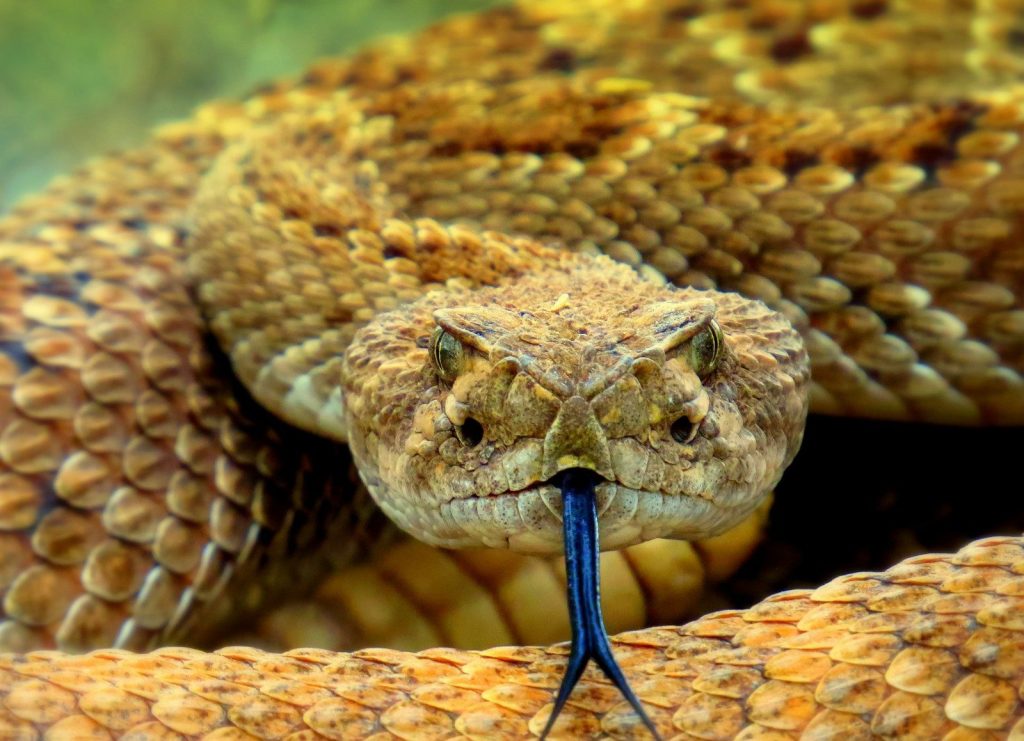
The eastern diamondback rattlesnake relies on ambush hunting rather than chasing prey. It waits quietly in grass, brush, or sandy terrain until a target gets close enough. Once within range, the snake launches forward with incredible speed, striking in a fraction of a second before quickly pulling back.
This fast retreat helps protect the snake from injury while the venom begins taking effect almost immediately.
Venom Designed to Destroy Tissue
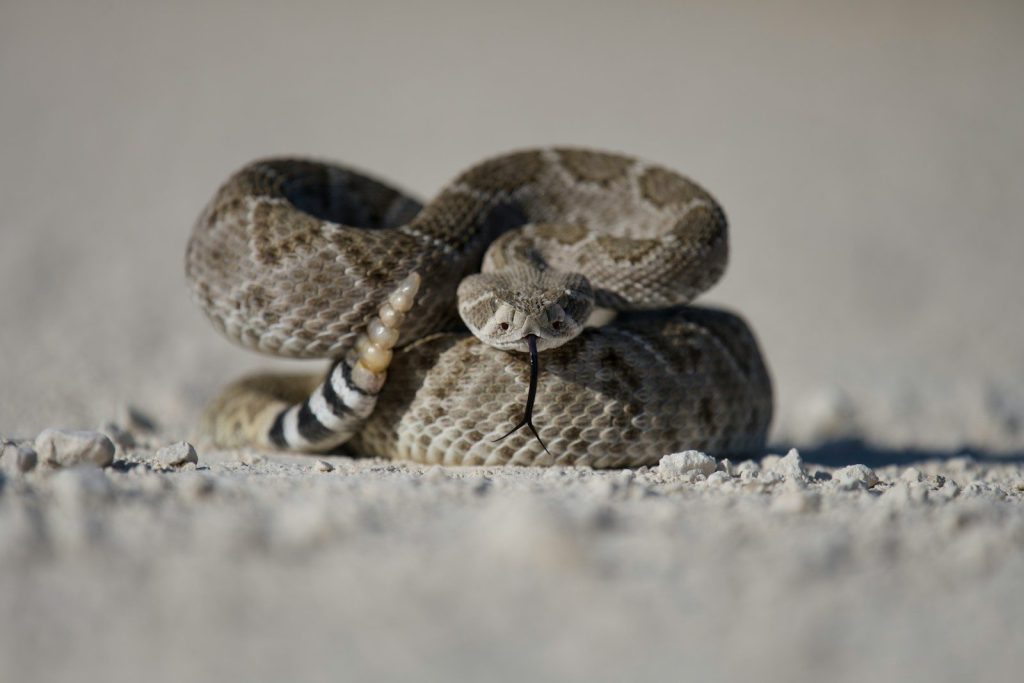
Unlike some snakes that rely mainly on neurotoxins, the eastern diamondback’s venom is heavily hemotoxic. That means it attacks blood cells, tissues, and blood vessels. Once injected, the venom starts breaking down flesh and damaging the circulatory system.
Small prey animals often become disoriented within moments. Internal bleeding, swelling, and rapid tissue destruction quickly weaken them, making escape nearly impossible.
Tracking Prey After the Bite
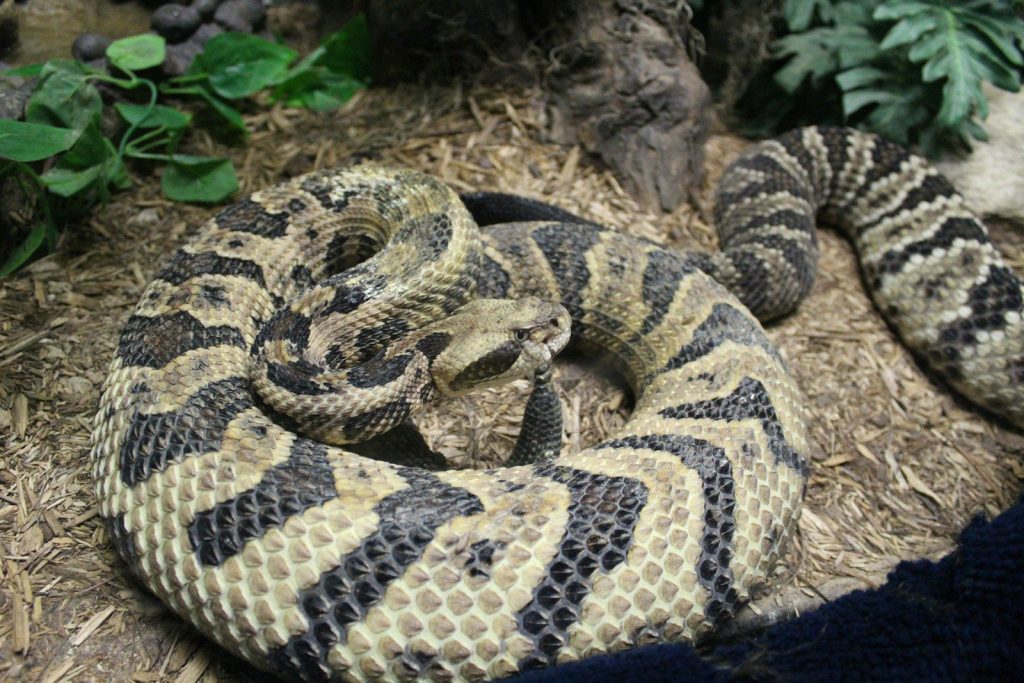
One fascinating behavior of rattlesnakes is that they do not always hold onto prey after striking. Instead, they release the animal and allow the venom to do the work. The snake then tracks the injured prey using scent trails and heat detection.
This strategy lowers the risk of the prey fighting back and injuring the snake during the struggle.
Heat Sensors Make Escape Difficult
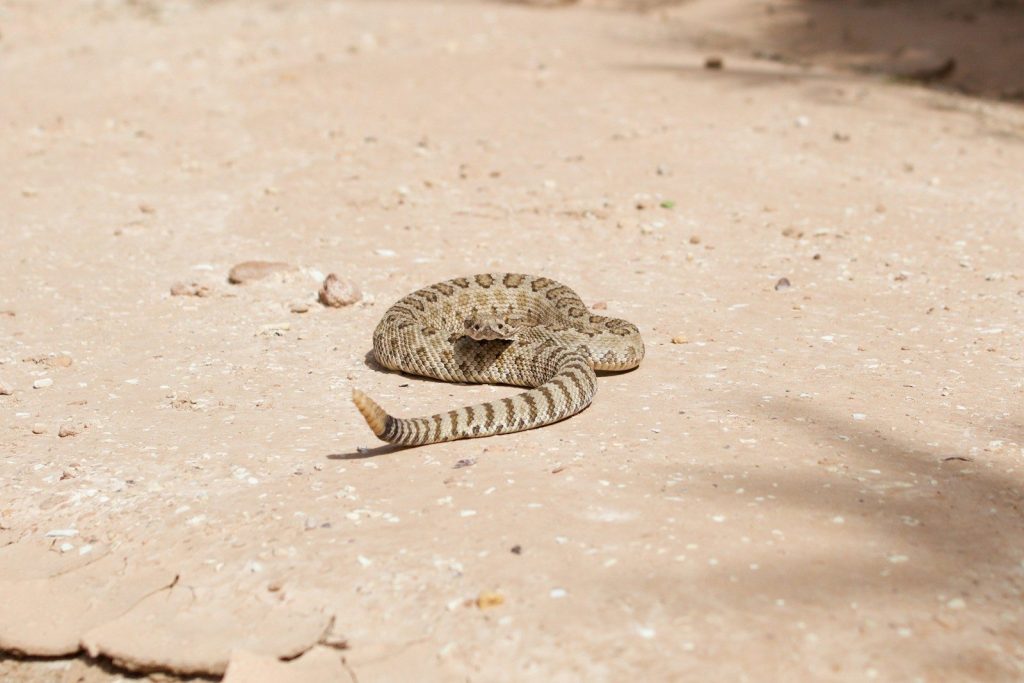
Rattlesnakes possess specialized heat-sensing pits located between their eyes and nostrils. These organs allow them to detect body heat even in darkness. Warm-blooded prey animals can be located with surprising accuracy, even after they attempt to flee.
Combined with an excellent sense of smell, these heat sensors make the rattlesnake an extremely efficient nighttime hunter.
Why Humans Fear This Snake
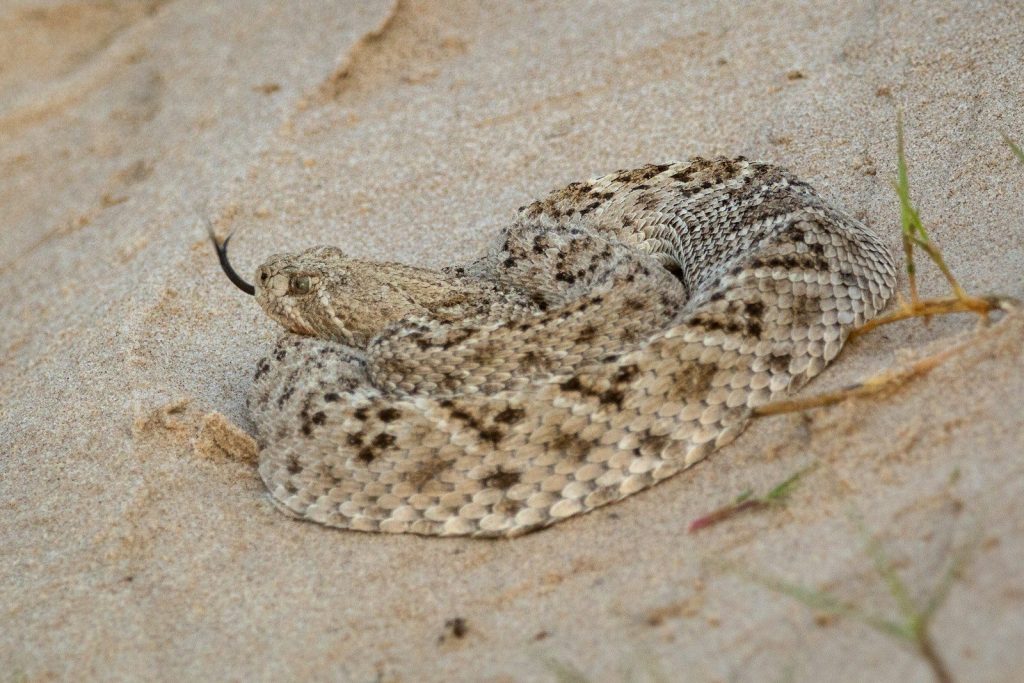
Although fatalities are rare today because of modern medical care, eastern diamondbacks remain extremely dangerous. A large snake can inject enough venom to cause severe pain, tissue damage, organ problems, and potentially death without treatment.
Most bites happen when people accidentally step too close or attempt to handle the snake. Experts stress that rattlesnakes generally prefer avoiding humans and use their famous rattle as a warning before striking.
A Predator Built for Survival
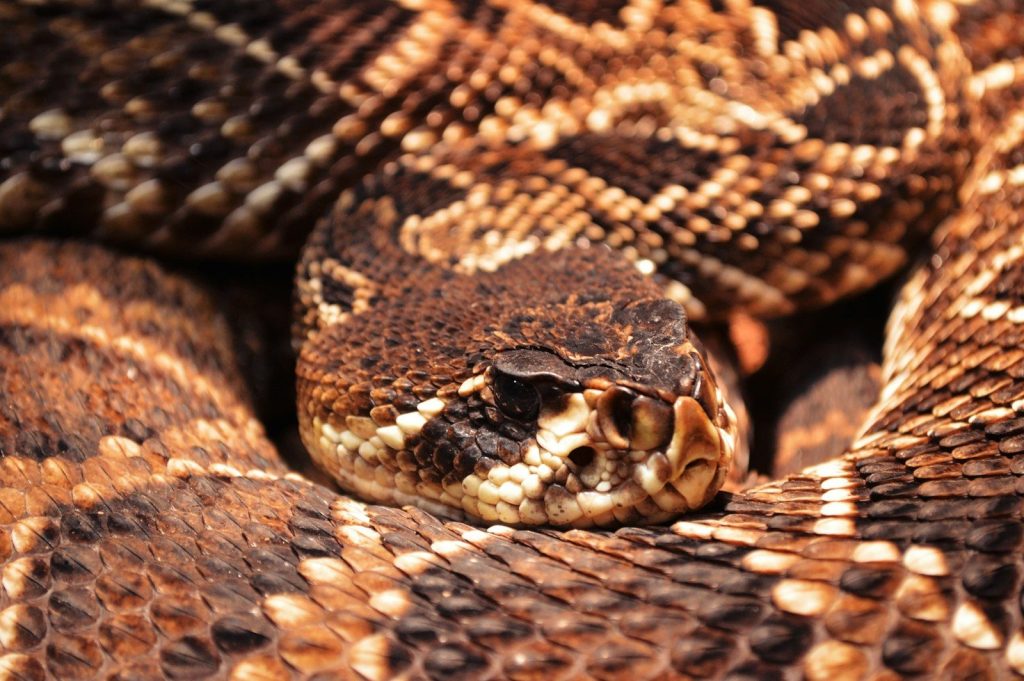
The eastern diamondback rattlesnake has survived for thousands of years because of its highly specialized hunting abilities. Its camouflage, venom, patience, and sensory adaptations make it one of North America’s most effective predators.
While fear often surrounds these snakes, they also play an important ecological role by controlling rodent populations and maintaining balance in their ecosystems.